
Health
Speed Keto Might Be The Answer To All Your Weight Loss Questions

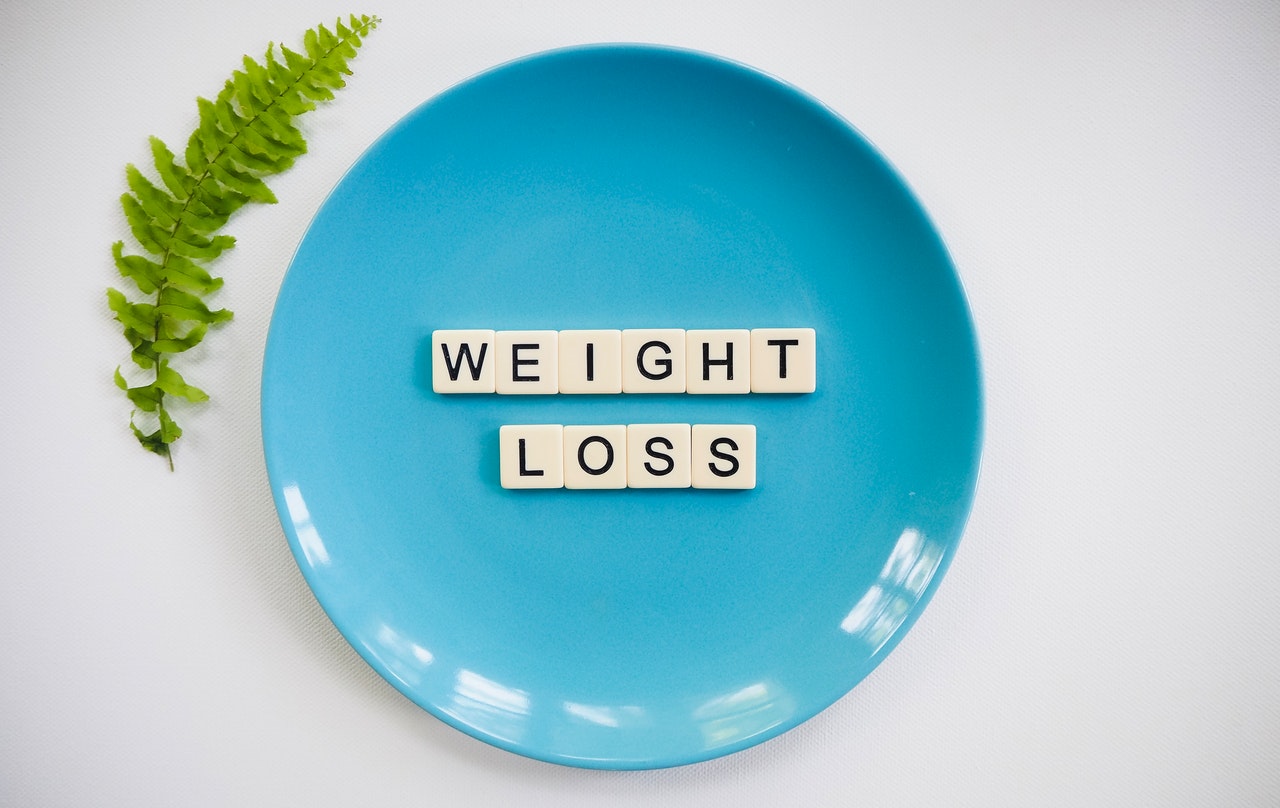
By now you have probably heard of the Keto Diet. This way of eating has gained a significant amount of popularity in today’s world due to its positive results in burning unwanted fat, controlling blood sugar levels, and boosting your energy.
With it being a renowned nutrition topic, variations of ketogenic diet from vegetarian to Mediterranean keto are continuously trending along with the availability of an extensive range of keto services and products that promise easier, quicker outcomes.
But what is even better than the traditional Keto Diet and its several variations is Speed Keto that combines intermittent fasting with keto diet to achieve the fat break down state of ketosis much quickly for effective weight loss outcomes.
To understand what Speed Keto is we need to start with knowing what the Keto Diet is.
What is a Keto Diet?
The keto diet dates back to the 1920s as a treatment for epilepsy. In the most simple form, this diet allows your body to break down stored fat by restricting your carb intake to fewer than 50 grams per day.
By eating fewer carbs, your body starts breaking down stored fat for energy. These molecules of stored fat, also known as ketone bodies or ketones, are released into your bloodstream. As these ketone bodies build up in your blood, your body enters into the state of ketosis. Being in ketosis means your body is successfully using these fat molecules to generate energy. As long as you stay below a certain amount of carbohydrates or sugar in a day, you will stay in ketosis.
The keto diet has immense health benefits which speak for its acceptance among several people around the world.
What is Speed Keto?
More recently, speed keto is becoming a household phrase. It is a diet plan devised by Dr. Harlan Kilstein, who is a doctorate in education in the United States. Kilstein’s concept of speed keto concept does seem to have an impact for those looking for a long-term solution. He claims that speed keto is the solution for all the problems faced in the original keto meal plan like the weight reduction stalls that individuals experience once they are in the ketosis state for some time or the constant need to keep a count of macronutrients and calories.
Kilstein came up with this idea after he developed an interest in keto diet for losing weight himself. But how does Speed Keto differ from the Keto Diet? This high-fat dietary regimen combines the success of the high fat, a low carb keto diet with the benefits of intermittent fasting for achieving weight loss quickly. This means you will eat one, high-fat meal a day. However, it may seem far fetched, but don’t stop reading now. People all over the world are commenting on the rapid body transformations seen with speed keto
How does Speed Keto work?
Speed keto isn’t a miraculous eating pattern that relies upon some intricate strategies and formulas. As mentioned earlier, keto requires slashing out your daily carbohydrate intake to around 5 to 10 percent and instead raise fat intake to nearly 60 to 60 percent, with 15 to 30 percent leaving for protein
Intermittent fasting, on the other hand, involves alternating periods of fasting and eating. The most popular method of intermittent fasting is the 16:8 that consists of fasting for 16 hours and eating in the remaining 8 hours.
So the aim of speed keto is to consume only one meal in a day, which fits in the low-carb, high-fat requirement. Through intermittent fasting, while eating a high-fat, low-carbohydrate meal, you can rapidly convert your body to use stored fat for energy. It can take 2-4 days to enter ketosis while eating less than 50 grams of carbohydrates a day
Speed Keto and Weight Loss
The Speed Diet delivers faster results than the Keto Diet due to the integration of fasting. The main idea behind it is if you consume less, then you’ll naturally burn greater calories. Similarly, decreasing your intake of high-carbohydrate foods and resultant ketosis can increase your metabolism, thus helping you in getting rid of excess weight.
All in all, eating less implies burning more. Moreover, food restriction contributes crucially to weight loss. Carbohydrates, due to their inherent properties, make you gain weight, and slashing them out of your meals turns out to be useful in losing pounds.
With people raving each other’s ‘before and after’ weight loss pictures following speed keto on social media, it is important to remember that every person has a different body from another and may respond to dietary modifications differently. Each individual has a distinct genetic background with different body size, shape, and bone structure.
The dietary regime that works for one may not be effective for another. Speed keto, keto diet, and intermittent fasting aren’t excluded from this rule. So before formulating a meal plan, you should take into consideration different important factors like BMI (body mass index) and the presence of any underlying health problem to achieve effective weight loss outcomes.
Is Speed Keto safe?
Taking into account the fact that speed keto is about restricting the food variety you consume and continuous fasting, there is the possibility for some side effects.
Starving yourself can be a bit difficult, particularly if you don’t have any prior experience. What you can do is start it gradually to reduce all the risks that can accompany it. Also, you should be completely healthy before starting this meal plan. For this reason, it is always good to consult with a dietician or doctor for some suggestions to prevent any health problem
Generally, your body will undergo an adjustment period before it gets familiar with your new dietary habits that might be followed by fatigue, irritability, headaches, dizziness, weakness, nausea, brain fog, cramps, muscle soreness, constipation, bad breath, and insomnia.
You might not experience all these right away, and just like medication, not everyone develops them. Besides that, every person undergoes the adjustment process in an individual way. Drinking plenty of water and discussing your health profile with a nutritionist or doctor can be a good idea.
Health
Precision with Compassion: How Dr. Nader Amiran Balances Clinical Expertise with Human Connection
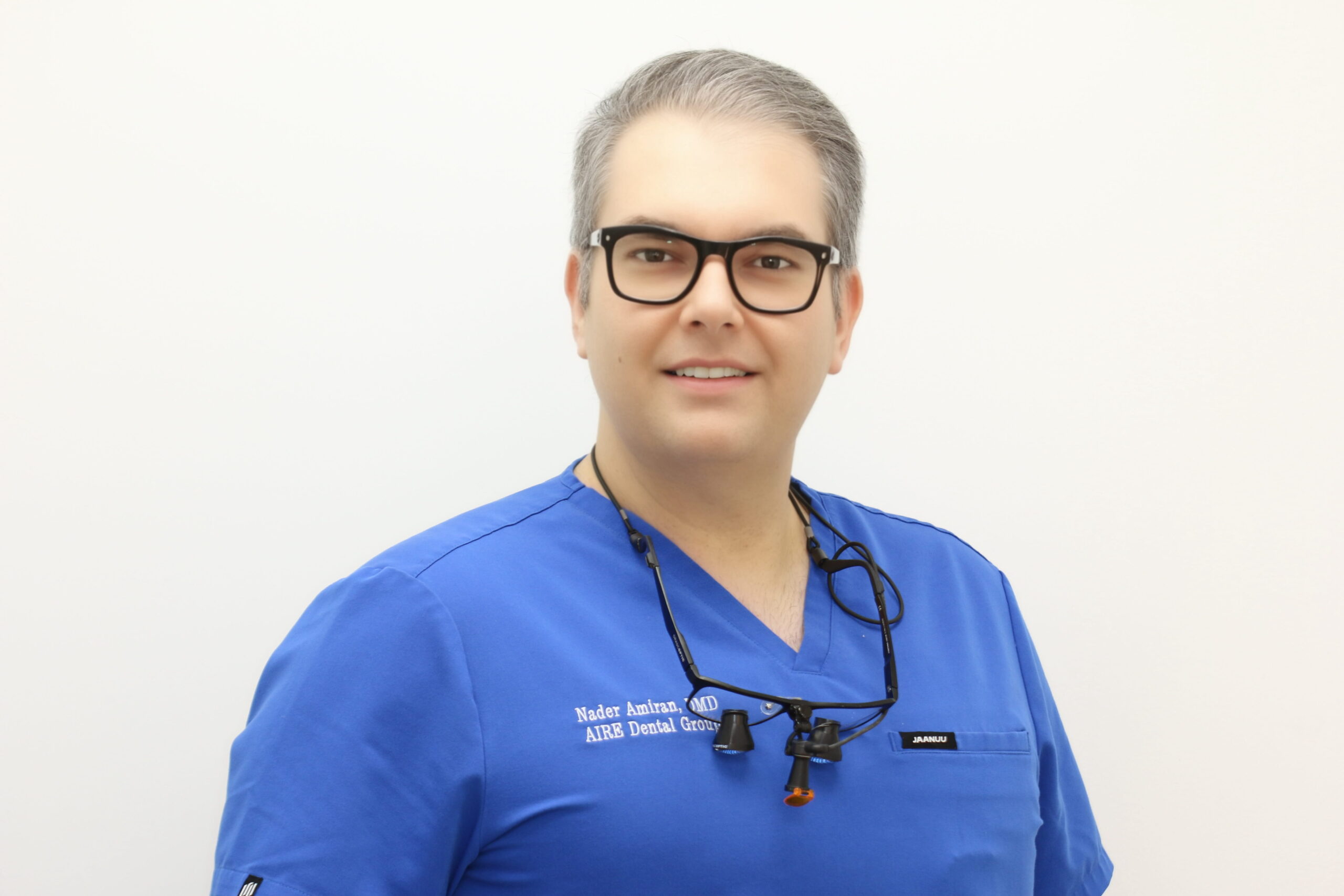
Somewhere along the way, healthcare became fast, technical, and transactional. Patients learned to nod along, accept explanations they barely understood, and hope the treatment worked.
Dr. Nader Amiran chose a different path. At AIRE Dental Group, he has built a reputation not just for clinical accuracy, but for the way he connects with people before he ever connects the data. His work sits at the intersection of science and trust, where listening is not a courtesy, but a diagnostic tool.
For Dr. Amiran, empathy is not a soft skill layered on top of technical expertise. It is the foundation of precision. He believes you cannot treat what you do not fully understand, and understanding begins long before imaging or exams. It starts with hearing how a patient lives, where their discomfort shows up, and how long they have been carrying it.
This philosophy shapes every interaction in his practice. Consultations are unhurried. Questions are encouraged. Patients are not rushed toward conclusions. Instead, Dr. Amiran takes time to understand the full picture, knowing that pain rarely exists in isolation. Jaw discomfort, headaches, or bite changes often come with frustration, fear, or confusion after years of unanswered questions. Those emotions matter because they influence how patients experience care.
One of the defining elements of his approach is how he explains complex findings. Dentistry, especially TMJ and functional care, can feel overwhelming. Dr. Amiran makes it accessible. He uses visuals, models, and imaging to show patients what is happening inside their own bodies. The goal is clarity, not complexity. When patients understand what is causing their symptoms, anxiety gives way to confidence. Studies have shown that patients forget between 40% and 80% of the medical information provided by healthcare practitioners immediately, which highlights the importance of clear explanations and visual education during consultations.
This commitment to education did not come without challenges. Early in his career, Dr. Amiran often treated patients who had already seen multiple providers and still felt stuck. Many had received treatment without ever truly understanding their diagnosis. Those experiences reinforced an important lesson: even the most accurate clinical decision loses impact if the patient feels excluded from the process. The role of patient education in improving compliance and treatment outcomes has been widely supported in clinical literature evaluating communication strategies in healthcare (Kessels, 2003).
In response, he made education central to care. Treatment plans are discussed in plain language, with a clear explanation of why each step matters. Patients are invited into the decision-making process rather than being handed instructions. This approach builds trust, but it also improves outcomes. When people understand their condition, they are more engaged and more invested in maintaining progress. Studies evaluating patient-centered care models have demonstrated that involving patients in treatment decisions improves adherence and satisfaction rates (Street et al., 2009).
Precision still plays a critical role. Dr. Amiran relies on advanced diagnostics, careful evaluation, and evidence-based planning. Technology provides valuable insight, but he is clear about its role. Data informs decisions; it does not replace judgment. Imaging shows structure, but listening reveals context. Together, they create a more complete understanding than either could alone.
What sets his work apart is how seamlessly these elements come together. Clinical accuracy does not overshadow compassion, and empathy does not dilute rigor. Each strengthens the other. By treating patients as partners rather than problems to solve, Dr. Amiran creates an environment where healing feels collaborative, not imposed.
At AIRE Dental Group, patients often describe a shift in how they experience care. For the first time, they feel heard. For the first time, the explanation makes sense. That sense of clarity changes everything. It turns treatment from something that happens to them into something they actively participate in.
Dr. Nader Amiran’s approach challenges a common assumption in modern medicine: that efficiency and empathy cannot coexist. His work proves they can. When precision is guided by understanding, results last longer, trust runs deeper, and care feels human again.
In a field driven by innovation, his philosophy is a reminder that the most powerful tool in dentistry is still the ability to listen.
References:
Kessels RPC.
Patients’ memory for medical information.
Journal of the Royal Society of Medicine. 2003.
Street RL, Makoul G, Arora NK, Epstein RM.
How does communication heal? Pathways linking clinician–patient communication to health outcomes.
Patient Education and Counseling. 2009.
-

 Tech5 years ago
Effuel Reviews (2021) – Effuel ECO OBD2 Saves Fuel, and Reduce Gas Cost? Effuel Customer Reviews
-
 Tech7 years ago
Bosch Power Tools India Launches ‘Cordless Matlab Bosch’ Campaign to Demonstrate the Power of Cordless
-

 Lifestyle7 years ago
Catholic Cases App brings Church’s Moral Teachings to Androids and iPhones
-

 Lifestyle5 years ago
East Side Hype x Billionaire Boys Club. Hottest New Streetwear Releases in Utah.
-

 Tech8 years ago
Cloud Buyers & Investors to Profit in the Future
-

 Lifestyle6 years ago
The Midas of Cosmetic Dermatology: Dr. Simon Ourian
-

 Health7 years ago
CBDistillery Review: Is it a scam?
-

 Entertainment7 years ago
Avengers Endgame now Available on 123Movies for Download & Streaming for Free