
Entertainment
Discovering The Influence of Jazz and Soul in Hip-Hop Sampling

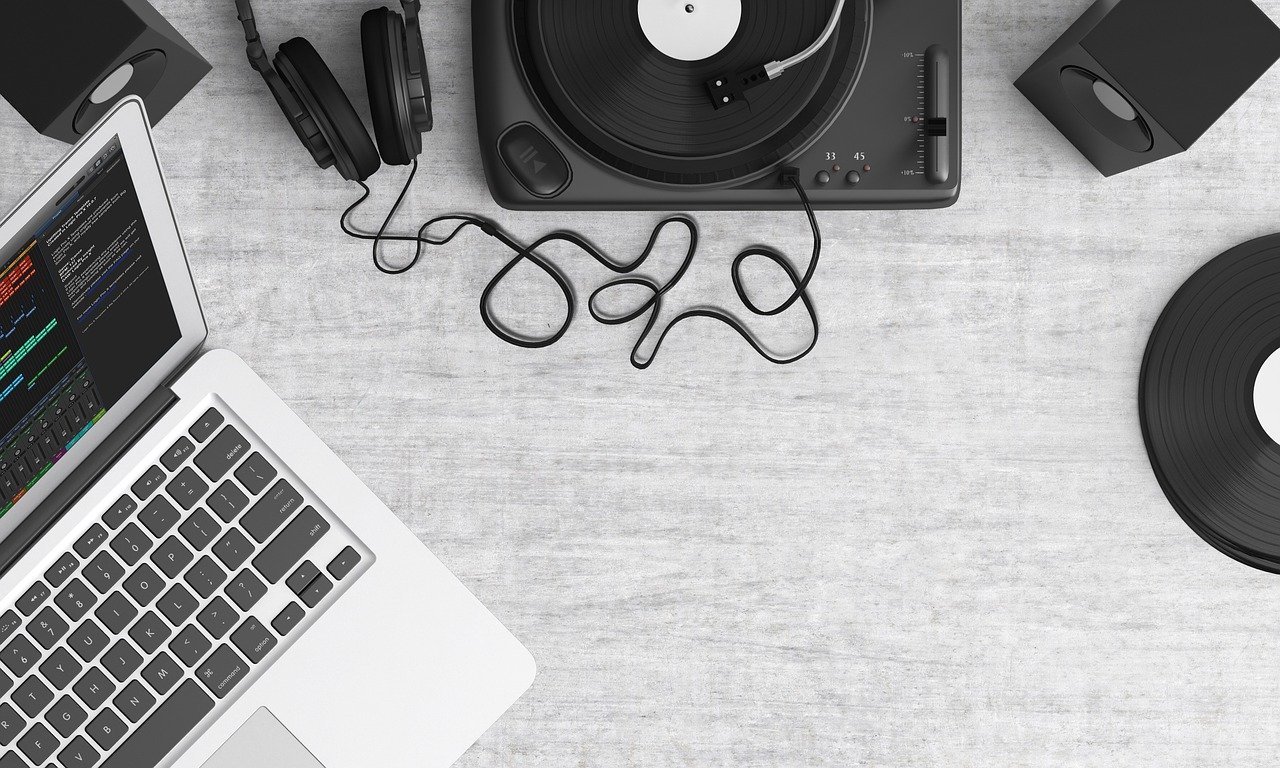
Hip-hop music has taken over the world since its ascension from the streets of the Bronx in New York City. Characterized by its unique blend of poetry, rhythm, and beats, hip-hop has produced some of the world’s most iconic musicians and songs. One of the hallmarks of hip-hop music is its creative sampling techniques, which involves using snippets of music from old records to recreate new sounds. But where do these samples come from? And what has been the major influence behind hip-hop sampling?
The answer is jazz and soul music. In this blog post, we’ll put jazz and soul music under the microscope as expert Benjy Grinberg explores how these genres have influenced hip-hop sampling.
Jazz Music Influence On Hip-Hop Sampling
Jazz music was a major inspiration behind the early days of hip-hop music. Jazz music was all about improvisation and freestyling, which is very much in the DNA of hip-hop. In the early days of hip-hop, DJs often looped beats from jazz records to create breakbeats, which became the building blocks of early hip-hop music. One of the most sampled jazz artists in hip-hop is none other than the legendary saxophonist John Coltrane. Coltrane’s music has been sampled in countless hip-hop songs, and his influence can be felt in the music of many hip-hop icons, including Wu-Tang Clan, Nas, and Kendrick Lamar.
Soul Music Influence On Hip-Hop Sampling
Soul music, on the other hand, was all about emotion and expression. The raw, unfiltered passion of soul music was aptly captured in the sampling techniques of early hip-hop producers. One of the most sampled soul artists in hip-hop is James Brown. Brown’s unique blend of funk, soul, rhythm, and blues has been sampled in countless hip-hop tracks. Brown’s “Funky Drummer” has become one of the most iconic samples in hip-hop and has been used by everyone from Public Enemy and Run-DMC to Dr. Dre and Kanye West.
Jazz And Soul Music As A Source Of Inspiration For Hip-Hop Sampling
As hip-hop music evolved, so did its sampling techniques. Producers and artists began to look beyond just using samples to create beats but also as a source of inspiration for their lyrics and melodies. Jazz and soul music became fertile ground for this kind of experimentation. Artists like A Tribe Called Quest, De La Soul, and The Roots infused jazz and soul samples into their music, not just for the danceable beats but also to add depth and richness to their lyrics and melodies.
Other Examples Of Jazz And Soul Sampling
Hip-hop’s rich history is peppered with countless examples of jazz and soul samples. Some of the most iconic tracks in the genre owe their existence to these tried-and-true sources. One example of hip-hop greatly influenced by these genres is “N.Y. State of Mind” by Nas. The track samples Joe Chambers’ “Mind Rain,” featuring a haunting and soulful beat with Nas’s gritty and introspective lyrics. Another iconic track that has sampled jazz is “Electric Relaxation” by A Tribe Called Quest. The track heavily samples Ronnie Foster’s “Mystic Brew,” creating a hypnotic and smooth rhythm that complements Q-Tip and Phife Dawg’s playful yet insightful lyrics. These songs and many more showcase the versatility and creative genius of hip-hop producers who have skillfully incorporated jazz and soul samples to create a new wave of music.
Final Thoughts
In conclusion, jazz and soul music have significantly influenced hip-hop music. Jazz represents the improvisational spirit and freestyling DNA that runs through hip-hop music, while soul represents the raw, unfiltered emotions that hip-hop music embodies. Jazz and soul music have been sampled and used as inspiration by countless hip-hop producers and artists, and their influence can be felt in the music of some of hip-hop’s most iconic names, from Wu-Tang Clan, Nas, and Kendrick Lamar to Public Enemy, Run-DMC, Dr. Dre, and Kanye West. According to Benjy Grinberg, without jazz and soul music, hip-hop music would not be what it is today – a global phenomenon that has influenced not just music but also fashion, art, and culture.

Too many talented musicians spend the early years of their careers standing still, waiting. Waiting for the “right” gig. Waiting to be discovered. Waiting until they feel completely ready. But while they hesitate, others with less experience but more urgency are out there taking the jobs, building connections, and gaining ground.
Sarah Angel has seen this happen again and again. A successful live entertainer and founder of Posh Piano, she didn’t wait for a perfect opportunity to appear; she built her career by saying yes to what was already in front of her.
Sarah’s journey didn’t begin with a business plan. It began on stage, performing at corporate gigs and high-end events. For a while, she did what many musicians do: she showed up, played the set, and collected the paycheck. But the turning point came when she realized how much more others were earning off her talent. While she was being paid a small cut, the booker was making thousands. That gap shifted everything. She didn’t get angry, she got to work.
Sarah learned to run sound, bought her own equipment, built piano shells to give her setup a polished look, and began booking directly. Before each event, she would spend hours hauling gear and setting up the space herself. She didn’t wait for anyone to hand her a better gig; she created it. That same mindset carries into how she mentors and advises young musicians today.
For Sarah, one of the biggest traps new performers fall into is comparison. Instead of focusing on their own style and voice, they mimic what’s already out there. But copying someone else won’t lead to a sustainable career. What matters most is figuring out what makes you different and building on that. Your individuality is not a risk; it’s the foundation of your career.
Equally important, she says, is learning to say yes more often. Not every opportunity will be glamorous or well-paid. But every job is a chance to meet someone new, gain experience, or get your name in front of people who can open doors down the road.
This is where so many early careers stall, not because of a lack of talent, but because of hesitation. When performers constantly hold out for something better, they miss what’s right in front of them. Taking one job often leads to five more. And even if a gig doesn’t seem ideal at first, it often brings value in ways that are not obvious right away.
Sarah compares it to building momentum. Each job adds to your experience, your network, and your visibility. It’s not just about stacking performances, it’s about putting yourself in motion. The more active you are, the more people think of you when opportunities come up. That kind of consistency can’t be faked, and it can’t be replaced with a few viral moments online.
Another common challenge she sees is indecision. Musicians who spend too much time analyzing every offer often lose out on real growth. Taking action, even imperfectly, leads to more progress than standing still. Not every gig will be a perfect fit, but most will teach you something valuable.
Over the years, Sarah has also learned to be intentional about who she surrounds herself with. She chooses to work with musicians who are not just talented, but reliable, respectful, and open to learning. Attitude often matters more than technical skill. It’s easier to grow as a musician than to fix a lack of work ethic.
Sarah Angel’s career didn’t come from waiting or wishing. It came from working. She showed up, learning as she went, and made smart choices when it counted. The music industry doesn’t reward perfection, it rewards presence, action, and growth over time.
If you are serious about building a career in music, start with what’s in front of you. Take the gig. Meet the people. Build a life. One step at a time.
-

 Tech5 years ago
Effuel Reviews (2021) – Effuel ECO OBD2 Saves Fuel, and Reduce Gas Cost? Effuel Customer Reviews
-
 Tech7 years ago
Bosch Power Tools India Launches ‘Cordless Matlab Bosch’ Campaign to Demonstrate the Power of Cordless
-

 Lifestyle7 years ago
Catholic Cases App brings Church’s Moral Teachings to Androids and iPhones
-

 Lifestyle5 years ago
East Side Hype x Billionaire Boys Club. Hottest New Streetwear Releases in Utah.
-

 Tech8 years ago
Cloud Buyers & Investors to Profit in the Future
-

 Lifestyle6 years ago
The Midas of Cosmetic Dermatology: Dr. Simon Ourian
-

 Health7 years ago
CBDistillery Review: Is it a scam?
-

 Entertainment7 years ago
Avengers Endgame now Available on 123Movies for Download & Streaming for Free