
Lifestyle
Kate Starr: Unlocking Holistic Healing through Nervous System Mastery

According to the National Health Interview Survey, an annual nationally representative study, the percentage of U.S. adults who practiced meditation more than doubled between 2002 and 2022, rising from 7.5 to 17.3 percent. This surge reflects a growing recognition of the importance of mental and emotional well-being in achieving a balanced, healthy life.
Central to this balance is the nervous system, which plays a pivotal role in managing stress, emotions, and physical sensations. Techniques like mindfulness, breathwork, and somatic therapies have emerged as powerful tools to recalibrate the nervous system, shifting it from a fight-or-flight state to one of rest and digestion. By mastering this transition, individuals can build emotional resilience, reduce chronic stress, and activate the body’s innate ability to heal. Integrating nervous system awareness with traditional and alternative therapies offers a holistic approach to health that nurtures the mind, body, and spirit while unlocking the potential for profound self-healing and harmony.
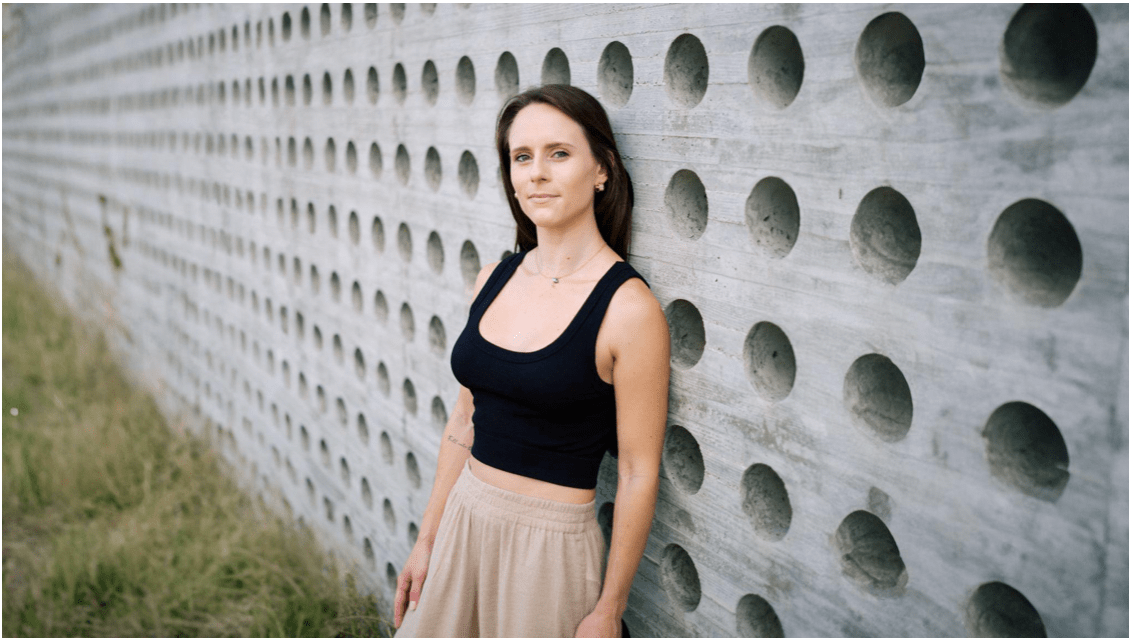
One leader in this transformative field is Kate Starr, MPH, NSRP, a Nervous System Coach pioneering innovative methods for addressing deep-seated physical and emotional challenges. Through her SomaNeuro Alignment method, she blends cutting-edge nervous system science with practical, accessible tools, empowering individuals to resolve the root causes of their discomfort and sustain their healing independently. This approach is redefining what is possible in healing, offering long-lasting outcomes that support both the body and the mind.
At the core of SomaNeuro Alignment is a sophisticated integration of somatic and subconscious practices, creating a comprehensive pathway to healing that moves beyond traditional approaches. Many current modalities focus on isolated nervous system elements—such as somatic practices for relaxation or subconscious techniques like hypnosis and visualization. However, Kate Starr identified a gap in these methods: they often neglect the interplay between the body’s physical and emotional states. She recognized that lasting healing requires more than surface-level relaxation or quick fixes. It demands a holistic approach that considers the body, mind, and subconscious as interconnected systems. By addressing these dimensions collectively, SomaNeuro Alignment provides a revolutionary framework for sustainable transformation.
A Holistic Pathway to Sustainable Healing and Integrated Regulation

SomaNeuro Alignment begins by addressing the physical body through somatic techniques. These practices focus on fascial maneuvering and relaxation, creating an immediate sense of safety and ease. Somatic movements help individuals enter a state of subconscious readiness, a critical step in the process. Starr emphasizes that achieving a deep alpha or theta brainwave state—a key to subconscious work—is greatly enhanced by movement. This state allows the body and mind to relax fully, preparing individuals to engage with deeper healing practices. Once this foundation is laid, the method transitions into subconscious work, including inner child visualizations, parts work, and hypnoses. This seamless blend of physical and emotional healing techniques strengthens neural pathways, fostering a profound sense of safety, positivity, and self-love.
What sets SomaNeuro Alignment apart is its adaptability and client-centered approach. Unlike many programs that focus narrowly on one or two healing modalities, this method incorporates a wide array of tools, empowering clients to discover what resonates best with them. Starr’s program is not just about temporary relief but about equipping individuals with the knowledge and skills to sustain their healing over time. By learning to combine somatic sequences with subconscious techniques, clients gain the ability to tailor their practices to meet their unique needs long after completing the program.
Daily life integration is another cornerstone of SomaNeuro Alignment. Starr encourages clients to create personalized sessions that support their nervous system regulation without requiring constant maintenance. The goal is not to become reliant on a daily routine but to shift toward a state of “integrated regulation,” where healing becomes an organic, unconscious part of one’s life. Through practices like somatic curiosity—where individuals observe bodily sensations without judgment or action—clients gradually build up to more advanced techniques. This titration process ensures that participants develop at their own pace, creating a foundation for sustainable healing. Over time, many clients find they need only occasional sessions to maintain their progress, with some even moving beyond the need for structured practices altogether.
Transforming Lives Through Nervous System Mastery
The benefits of SomaNeuro Alignment are both immediate and far-reaching. Participants often experience a deep sense of safety and presence in their bodies, reduced overwhelm, and a greater connection with themselves and their surroundings. Long-term outcomes include improved sleep, balanced cortisol (stress hormones), reduced anxiety, and enhanced gut health. For many, these changes are transformative, marking a shift from survival mode to a life filled with curiosity, excitement, and self-trust. Clients frequently report newfound confidence, the ability to rest without guilt, and freedom from chronic symptoms such as panic attacks or health anxiety.
The real power of SomaNeuro Alignment lies in its ability to create lasting change. Starr’s clients have experienced profound transformations, moving beyond debilitating conditions to reclaim their lives. One client, who previously relied on alcohol and medication to manage her anxiety, found she could sleep peacefully and live free of these crutches. Another client, recovering from a partial hysterectomy, reported balanced moods and energy levels despite the hormonal upheaval. Starr has guided individuals from the brink of despair—whether battling autoimmune disorders or severe dissociation—toward vibrant, fulfilling lives. For example, a client with a history of panic attacks found freedom after six months without a single episode. Others have healed from traumatic past experiences, such as sexual assault, finding peace and safety within their bodies for the first time.
The SomaNeuro Alignment method is more than a healing technique; it’s a philosophy that empowers individuals to take control of their well-being. By combining the physical with the subconscious, Starr has created a system that not only alleviates symptoms but transforms lives. It’s a testament to the incredible potential of nervous system mastery, offering hope and healing to those ready to embark on this life-changing journey. Through her groundbreaking work, Kate Starr continues to unlock the profound connection between body and mind, paving the way for a new era of holistic health.

Most teams don’t fall apart all at once. It happens slowly, missed conversations, quiet disengagement, people doing what’s required but nothing more.
Toba Ogunremi has spent years working inside care environments where that kind of shift is easy to miss until it starts affecting everything. Leading operations at Samorem Care in the UK, he has seen how systems can appear stable on the surface while teams underneath struggle to stay connected to their work.
One experience early in his career changed how he looks at leadership entirely.
He had taken over a team that wasn’t in crisis, but it wasn’t working well either. The people receiving care were safe, but they weren’t thriving. The same was true for the staff. There was no urgency, no energy, just routine.
The usual solution would have been to tighten control by setting new targets, increasing supervision, and creating performance plans. He didn’t do any of that.
“I started with conversations,” he says. “Real ones. Not rushed, not formal.”
One by one, he spoke to each team member. What came out wasn’t frustration with the job itself, but something quieter and harder to spot.
“They weren’t disengaged because they didn’t care,” he explains. “They were disengaged because they felt unseen.”
No one had asked what they thought. No one had taken the time to understand how they were coping. Over time, that absence had turned into distance. That moment stayed with him. It shaped how he leads today.
His approach is simple, but not always easy to apply: people perform better when they feel they belong.
He believes high performance usually comes when people feel like they genuinely belong and know that what they do actually matters.
In healthcare, where pressure is constant and expectations are high, this idea can sound secondary. The focus is often on outcomes, compliance, and efficiency. Toba doesn’t dismiss those things, but he questions what happens when they become the only focus.
Even when all the processes are in place, if the people delivering the care feel disconnected, it eventually reflects in the quality of the work.
At Samorem Care, this thinking shows up in small but consistent ways. Recruitment is not just about experience. It’s about how someone responds to people, how they handle pressure, and how they communicate. Once they are in, the focus shifts to keeping teams stable and supported, rather than constantly rotating staff or reacting only when something goes wrong. He also pays attention to how leaders show up day to day.
According to him, leadership is not just about giving direction; it’s about being present enough to understand what your team actually needs.
That presence matters more in care than in most industries. The work is demanding, often emotional, and not always recognised for what it takes. When teams feel stretched or overlooked, it affects how they interact with the people they support.
For Toba, resilience is less about constant pressure and more about creating a work environment where people can do their jobs well without burning out. In his view, strong teams are not just coping; they are supported enough to stay clear-headed and consistent in their work.
His background outside healthcare still shapes how he leads. Having worked in sales and communications, he understands how important it is to read people and build trust. In healthcare, though, the impact is far more direct, as decisions affect someone’s everyday life, not just an outcome on paper.
That shift makes leadership more personal. Teams need more than instructions; they need stability, clarity, and a sense that they are understood. What defines Toba Ogunremi’s approach is its simplicity. He focuses on being consistent, listening carefully, and addressing issues early rather than reacting late.
In the end, his belief is straightforward: teams perform better not because they are pushed harder, but because they feel valued and part of something that works.
-

 Tech5 years ago
Effuel Reviews (2021) – Effuel ECO OBD2 Saves Fuel, and Reduce Gas Cost? Effuel Customer Reviews
-
 Tech7 years ago
Bosch Power Tools India Launches ‘Cordless Matlab Bosch’ Campaign to Demonstrate the Power of Cordless
-

 Lifestyle7 years ago
Catholic Cases App brings Church’s Moral Teachings to Androids and iPhones
-

 Lifestyle5 years ago
East Side Hype x Billionaire Boys Club. Hottest New Streetwear Releases in Utah.
-

 Tech8 years ago
Cloud Buyers & Investors to Profit in the Future
-

 Lifestyle6 years ago
The Midas of Cosmetic Dermatology: Dr. Simon Ourian
-

 Health7 years ago
CBDistillery Review: Is it a scam?
-

 Entertainment7 years ago
Avengers Endgame now Available on 123Movies for Download & Streaming for Free