
Lifestyle
Roger E. Pedersen: The Visionary Behind SuperPower: The Ability to Fly or to Become Invisible book series

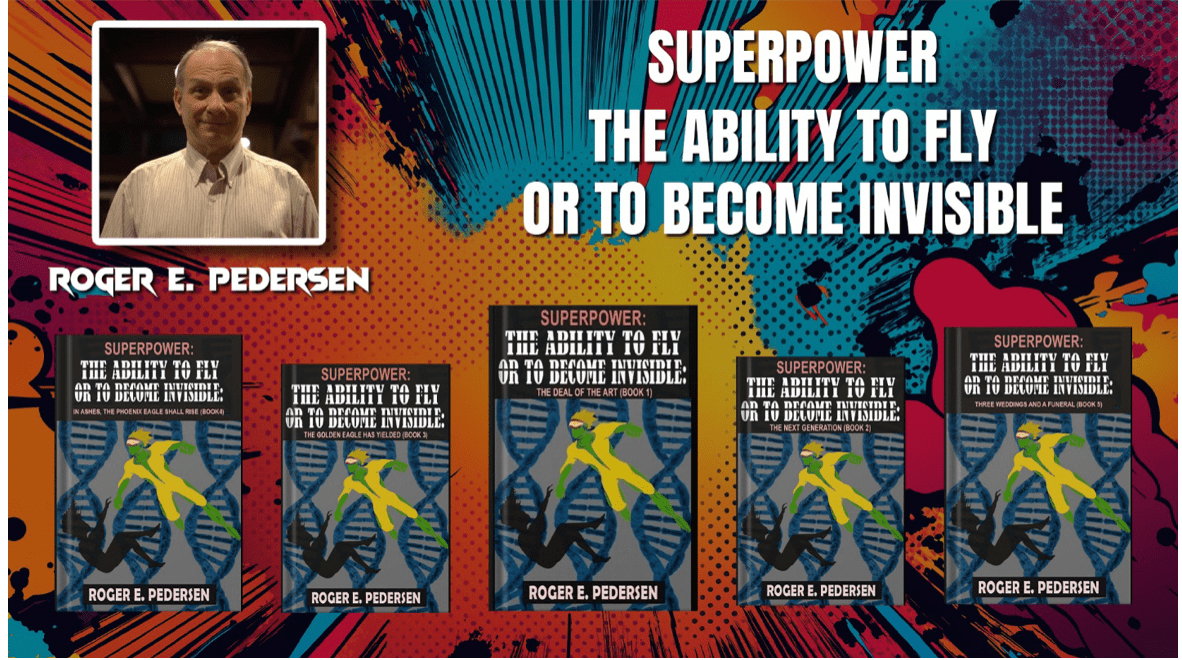
In the ever-expanding world of speculative fiction, few authors manage to strike a balance between thrilling storytelling and intellectual depth quite like Roger E. Pedersen. A former video game designer with a penchant for weaving together elements of history, humor, and pop culture, Pedersen has captivated readers with his SuperPower series. His latest installment, SuperPower: The Ability to Fly or to Become Invisible: The Golden Eagle Has Yielded, continues to explore the ethical, societal, and personal implications of possessing extraordinary abilities.
Pedersen’s journey into writing was anything but conventional. Five years ago, his career in video game design took an unexpected turn when his division was relocated, leaving him without a job. Struggling with financial hardships, homelessness, and personal loss, he found solace in storytelling.
“I was reading about J.K. Rowling’s struggles before she became a best-selling author. At the same time, I came across an article in Forbes magazine and This American Life that posed the question: ‘If you could have a SuperPower, would you choose to fly or become invisible?’ I realized that no one had explored this idea in depth in literature,” Pedersen recalls. Instead of succumbing to his dire circumstances, he began writing what would become his first book in the SuperPower series.
Pedersen’s writing method is as unorthodox as his journey. He envisions his stories as movies playing in his mind, dictating them into his phone using speech-to-text technology. His drafts go through meticulous refinements using Microsoft Word and Grammarly, ensuring an engaging and well-structured narrative. His storytelling prowess has been met with critical acclaim, as evidenced by his previous books, which have received five-star reviews and awards.
The SuperPower series delves into profound moral dilemmas. If given a SuperPower, would individuals use it for good, or would temptation lead them astray? Pedersen’s books examine these questions through the lens of two rival organizations: The Golden Eagle, led by Professor Steele, and DODGE (Department of Defense Genetically Engineered Initiative), a competing faction.
The first book introduces readers to a group of SuperPowered individuals who execute a meticulously planned heist of $3.5 billion worth of artwork from some of the world’s most prestigious museums, including the Louvre, the Tate, and the Metropolitan Museum of Art. The narrative is enriched by Pedersen’s deep knowledge of art history, allowing readers to learn about masterpieces in an engaging and unexpected way. Beginning with the second book of the SuperPower series, The Next Generation, all characters can either fly or become invisible, plus they possess another SuperPower.
Pedersen’s books are brimming with memorable characters, many of whom are inspired by his own family and personal experiences. Michele, one of the protagonists, grows up under the immense pressure of her Olympic champion mother. She suffers a devastating injury but later discovers her ability to fly during a long jump event at the Olympics—an emotional and breathtaking moment that brings readers to tears.
Other characters, such as Michael Roberts, a former dishwasher who gains the power of invisibility and leverages it to succeed on Wall Street, and Ryan Loki Patel, a prankster who uses his abilities to mischievously alter museum exhibits, add humor and depth to the narrative.
These diverse and well-crafted personalities make the SuperPower series more than just a superhero saga—it’s an intricate exploration of human nature.
With six books planned in the series and more SuperPowers to be unveiled, Pedersen’s SuperPower universe continues to expand. His ability to merge humor, history, and philosophy with compelling storytelling makes his work stand out in the realm of speculative fiction.
Beyond the fast-paced action and humor, Pedersen’s work deeply examines the implications of power. His characters face real-world ethical dilemmas, forcing them to confront their own values. The SuperPower series raises questions about how society perceives power and how it might be used in different hands, whether for personal gain, justice, or something more ambiguous.
Professor Steele, one of the figures in the series, embodies this theme as he orchestrates strategic power plays between the SuperPowered factions. His complex relationship with the Steele twins—characters who are thought to be dead, only to be resurrected—adds an element of mystery and intrigue to the saga. Through this, Pedersen plays with philosophical themes of fate, destiny, and the weight of responsibility.
Moreover, the series doesn’t shy away from questioning what it means to be a hero. Unlike traditional superhero narratives where good and evil are clear-cut, Pedersen presents a morally grey world where each character is forced to make difficult decisions.
For those who love books that challenge the imagination while offering a fresh take on the superhero genre, SuperPower: The Ability to Fly or to Become Invisible is an unmissable read.
Roger E. Pedersen’s journey from hardship to literary success is as inspiring as the stories he tells, making him a standout voice in modern speculative fiction.
As Pedersen continues to build his SuperPower universe, readers can look forward to a series that not only entertains but also provokes deep reflection. His ability to craft intricate, well-researched narratives while infusing them with humor and emotional depth ensures that his books remain both engaging and memorable. Whether you are a fan of speculative fiction, a lover of intellectual storytelling, or someone seeking a thrilling, unconventional series, Pedersen’s SuperPower books are sure to captivate your imagination and leave you eagerly anticipating the next installment.
The entire SuperPower book series is available in paperback, eBook, and audiobook formats through Amazon, Google Play, Barnes & Noble, Kobo, Apple, Target, Walmart, Waterstones, and hundreds of local bookstores.
Website: PSIPublish.com (link to StoryRocket.com)
Most teams don’t fall apart all at once. It happens slowly, missed conversations, quiet disengagement, people doing what’s required but nothing more.
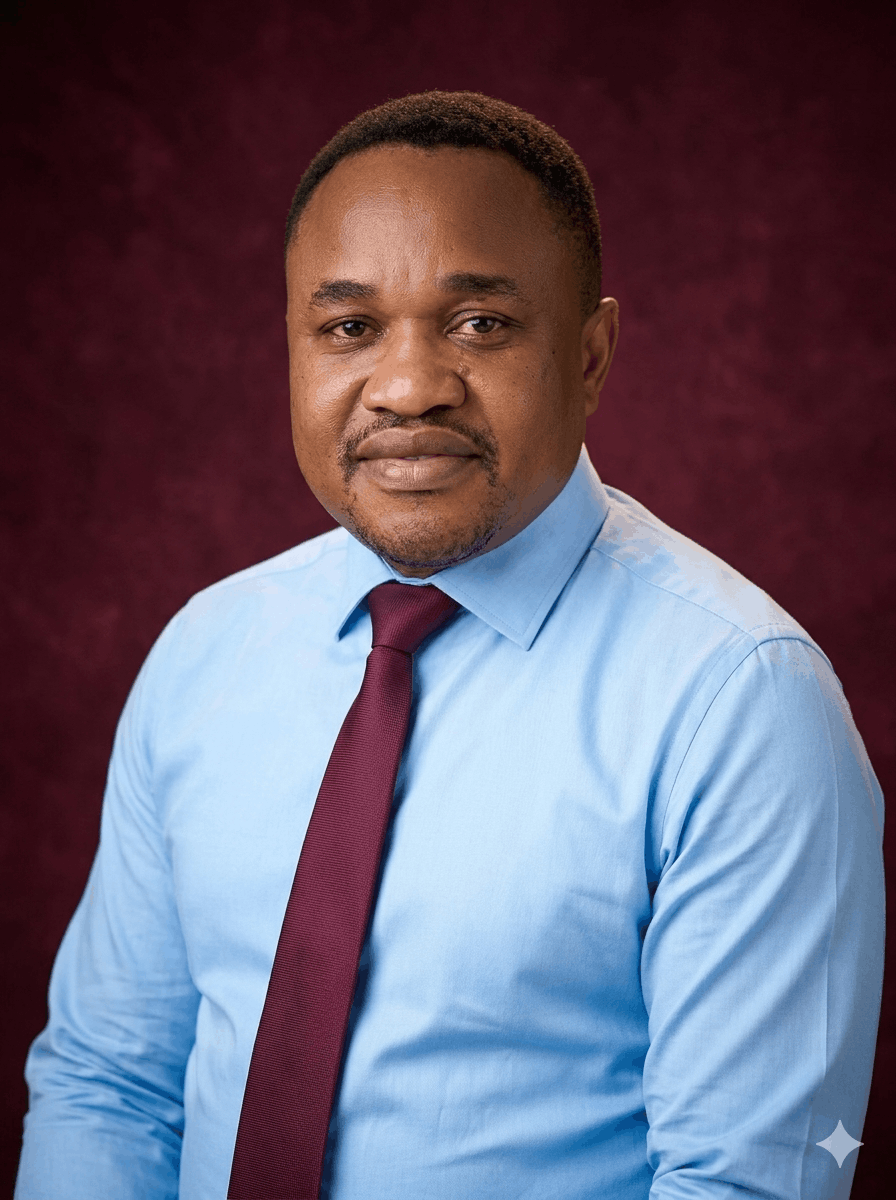
Toba Ogunremi has spent years working inside care environments where that kind of shift is easy to miss until it starts affecting everything. Leading operations at Samorem Care in the UK, he has seen how systems can appear stable on the surface while teams underneath struggle to stay connected to their work.
One experience early in his career changed how he looks at leadership entirely.
He had taken over a team that wasn’t in crisis, but it wasn’t working well either. The people receiving care were safe, but they weren’t thriving. The same was true for the staff. There was no urgency, no energy, just routine.
The usual solution would have been to tighten control by setting new targets, increasing supervision, and creating performance plans. He didn’t do any of that.
“I started with conversations,” he says. “Real ones. Not rushed, not formal.”
One by one, he spoke to each team member. What came out wasn’t frustration with the job itself, but something quieter and harder to spot.
“They weren’t disengaged because they didn’t care,” he explains. “They were disengaged because they felt unseen.”
No one had asked what they thought. No one had taken the time to understand how they were coping. Over time, that absence had turned into distance. That moment stayed with him. It shaped how he leads today.
His approach is simple, but not always easy to apply: people perform better when they feel they belong.
He believes high performance usually comes when people feel like they genuinely belong and know that what they do actually matters.
In healthcare, where pressure is constant and expectations are high, this idea can sound secondary. The focus is often on outcomes, compliance, and efficiency. Toba doesn’t dismiss those things, but he questions what happens when they become the only focus.
Even when all the processes are in place, if the people delivering the care feel disconnected, it eventually reflects in the quality of the work.
At Samorem Care, this thinking shows up in small but consistent ways. Recruitment is not just about experience. It’s about how someone responds to people, how they handle pressure, and how they communicate. Once they are in, the focus shifts to keeping teams stable and supported, rather than constantly rotating staff or reacting only when something goes wrong. He also pays attention to how leaders show up day to day.
According to him, leadership is not just about giving direction; it’s about being present enough to understand what your team actually needs.
That presence matters more in care than in most industries. The work is demanding, often emotional, and not always recognised for what it takes. When teams feel stretched or overlooked, it affects how they interact with the people they support.
For Toba, resilience is less about constant pressure and more about creating a work environment where people can do their jobs well without burning out. In his view, strong teams are not just coping; they are supported enough to stay clear-headed and consistent in their work.
His background outside healthcare still shapes how he leads. Having worked in sales and communications, he understands how important it is to read people and build trust. In healthcare, though, the impact is far more direct, as decisions affect someone’s everyday life, not just an outcome on paper.
That shift makes leadership more personal. Teams need more than instructions; they need stability, clarity, and a sense that they are understood. What defines Toba Ogunremi’s approach is its simplicity. He focuses on being consistent, listening carefully, and addressing issues early rather than reacting late.
In the end, his belief is straightforward: teams perform better not because they are pushed harder, but because they feel valued and part of something that works.
-

 Tech5 years ago
Effuel Reviews (2021) – Effuel ECO OBD2 Saves Fuel, and Reduce Gas Cost? Effuel Customer Reviews
-
 Tech7 years ago
Bosch Power Tools India Launches ‘Cordless Matlab Bosch’ Campaign to Demonstrate the Power of Cordless
-

 Lifestyle7 years ago
Catholic Cases App brings Church’s Moral Teachings to Androids and iPhones
-

 Lifestyle5 years ago
East Side Hype x Billionaire Boys Club. Hottest New Streetwear Releases in Utah.
-

 Tech8 years ago
Cloud Buyers & Investors to Profit in the Future
-

 Lifestyle6 years ago
The Midas of Cosmetic Dermatology: Dr. Simon Ourian
-

 Health7 years ago
CBDistillery Review: Is it a scam?
-

 Entertainment7 years ago
Avengers Endgame now Available on 123Movies for Download & Streaming for Free