
Lifestyle
Style Meets Steel: Fatma Al Shebani Creates a Unique Visual Language through Brilliant Metalworking

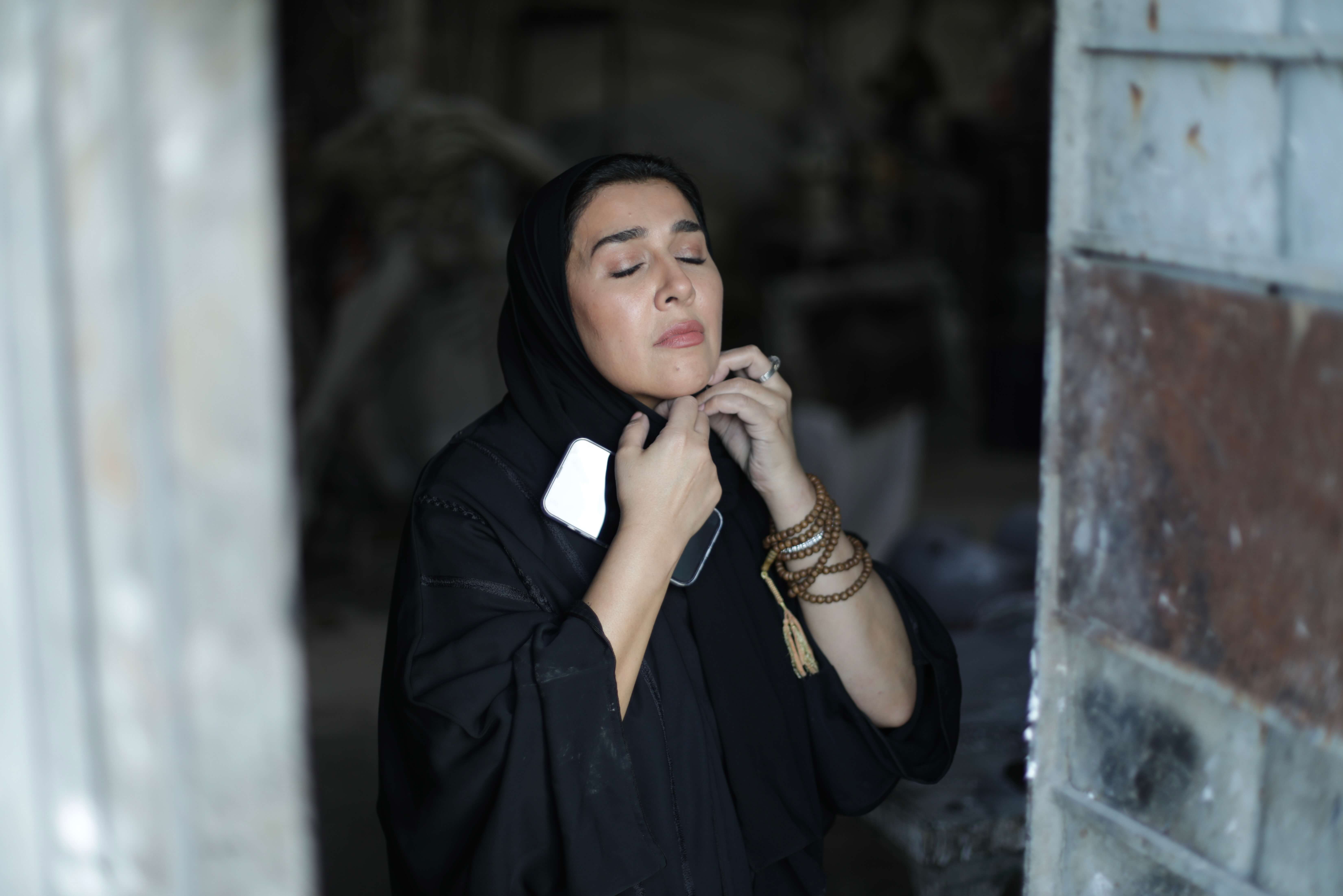
The materials artists employ in their work often carry with them as much meaning as the content of the works themselves. For Fatma Al Shebani, accomplished Qatari artist well known for her use of strong materials such as bronze, resin, iron, and stainless steel, this could not be more true.
The people of Qatar have witnessed transformations in recent decades like few societies in history have. The social fabric of the country, as well as the urban landscape of its major metropolitan centar, Doha, have experienced dramatic change resulting from the discovery of oil less than a century ago, which pushed the national economy away from a declining pearl trade and set it on track to eventually boast one of the highest standards on living in the world. From its position as a relative backwater situated on the western shores of the Persian Gulf, to a thriving economy growing in the shadows of towering steel skyscrapers, Qatar has been, and in many ways remains, a society in transition.
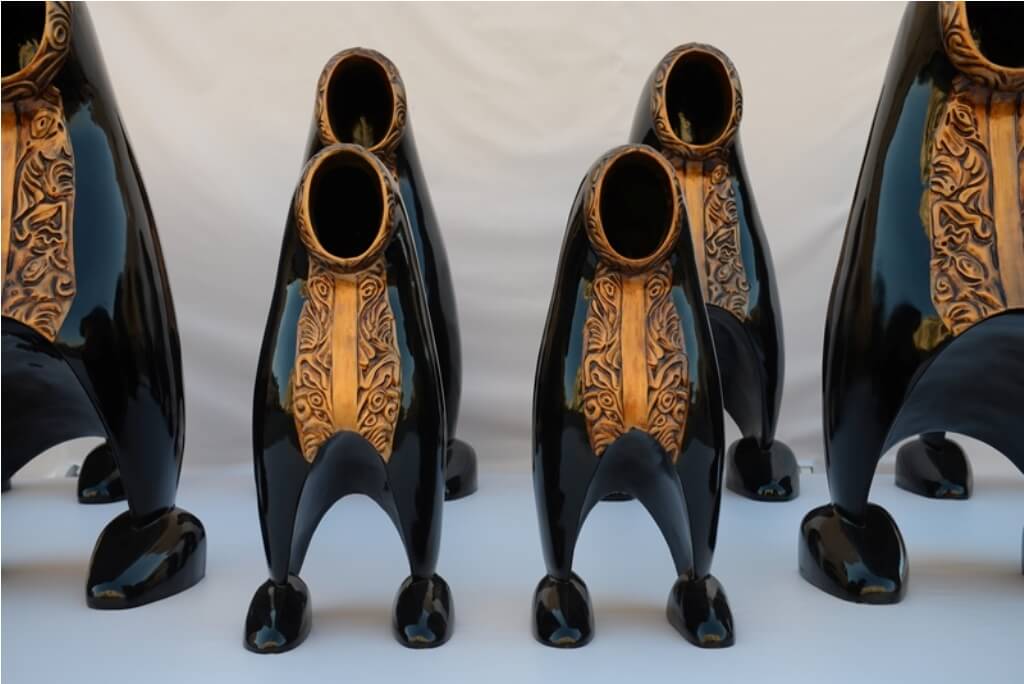
Doha is a city characterized by its architectural diversity, and yet the broad range of stylistic approaches stand united through common visual elements and motifs that draw from Qatar’s rich national history. The same could be said of Al Shebani’s work, which exhibits a wide breadth of subject matter that nevertheless remains largely tied together through her choice of strong materials and commitment to drawing inspiration from Qatari history and culture. Indeed, through the use of various metals, Al Shebani has succeeded in creating a body of work that compliments the city’s architectural vernacular.
Her use of bronze, iron, and steel imbues a sense of both permanence and strength into her projects. These materials act to bolster the strength of her visual storytelling represented in the pieces themselves. Steel, the technology that first allowed for the development of contemporary urban skylines, carries with it certain notions of modernity in its application to her art. The subjects Al Shebani illustrates in her metal working, however, find inspiration in cultural motifs of times past. Specifically, she draws from her own personal memories to conjure up imagery that reflects traditional Qatari culture, often in forms reminiscent of conventional modes of dress. This idea becomes apparent in the many iterations of her ‘Bokhnaq’ and ‘Batoula’ series. In conjunction with one another, her choice of subject and material work to bring the lessons of the past forward into an ever modernizing, ever changing cultural context.
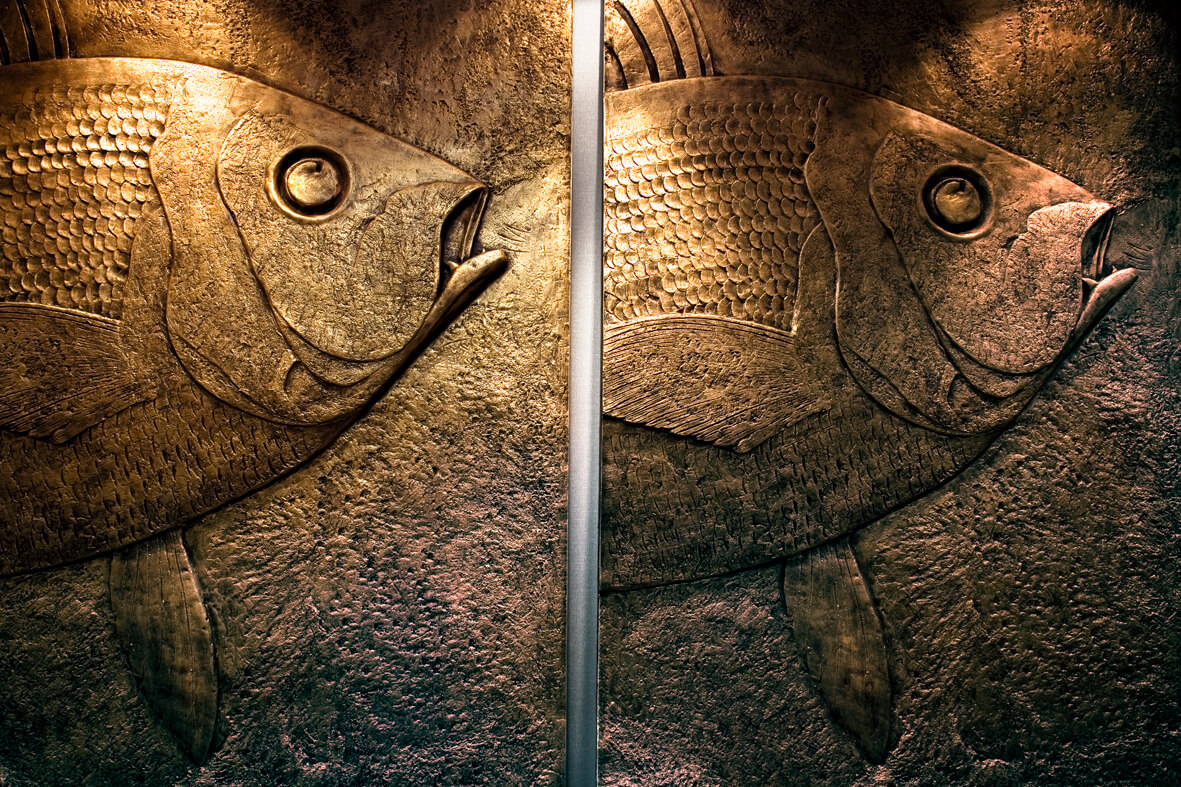
Like many of the architects who have aimed to preserve Qatar’s history in their construction of buildings that in many ways must, by virtue of their purpose and scale, break with tradition, Al Shebani often elects to immortalize elements of Doha’s surrounding marine and land environments in her work, casting them in beautiful relief. This is perhaps most clearly seen in Al Adiyat 9, which depicts horses, an important feature of Qatari history, in stunning motion, as well as her reliefs illustrating the sacred marine life of Qatar’s offshore reefs.
Doha has become, in many ways, a city of steel clinging purposefully to its roots. Architects have devised a myriad of creative tactics to embrace change while still acting to preserve traditional Qatari values and style. Al Shebani’s work then functions as the perfect compliment to the city’s dynamic urban landscape. She has expertly managed to marry the old and the new, the traditional and the modern, to establish a visual language that reflects this culturally rich nation’s ever changing ethos.
For more information about Fatma Al Shebani and her work, visit: https://www.fatmaalshebani.com/
Most teams don’t fall apart all at once. It happens slowly, missed conversations, quiet disengagement, people doing what’s required but nothing more.
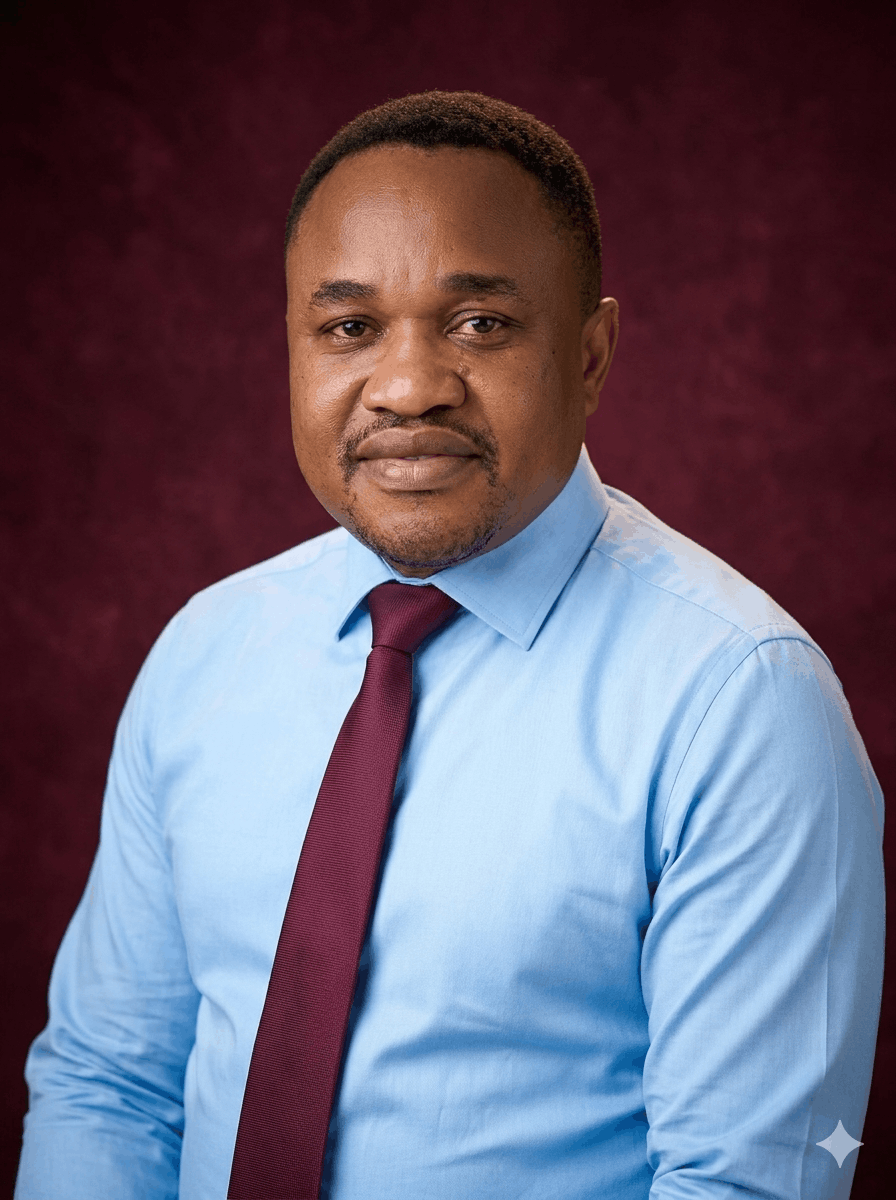
Toba Ogunremi has spent years working inside care environments where that kind of shift is easy to miss until it starts affecting everything. Leading operations at Samorem Care in the UK, he has seen how systems can appear stable on the surface while teams underneath struggle to stay connected to their work.
One experience early in his career changed how he looks at leadership entirely.
He had taken over a team that wasn’t in crisis, but it wasn’t working well either. The people receiving care were safe, but they weren’t thriving. The same was true for the staff. There was no urgency, no energy, just routine.
The usual solution would have been to tighten control by setting new targets, increasing supervision, and creating performance plans. He didn’t do any of that.
“I started with conversations,” he says. “Real ones. Not rushed, not formal.”
One by one, he spoke to each team member. What came out wasn’t frustration with the job itself, but something quieter and harder to spot.
“They weren’t disengaged because they didn’t care,” he explains. “They were disengaged because they felt unseen.”
No one had asked what they thought. No one had taken the time to understand how they were coping. Over time, that absence had turned into distance. That moment stayed with him. It shaped how he leads today.
His approach is simple, but not always easy to apply: people perform better when they feel they belong.
He believes high performance usually comes when people feel like they genuinely belong and know that what they do actually matters.
In healthcare, where pressure is constant and expectations are high, this idea can sound secondary. The focus is often on outcomes, compliance, and efficiency. Toba doesn’t dismiss those things, but he questions what happens when they become the only focus.
Even when all the processes are in place, if the people delivering the care feel disconnected, it eventually reflects in the quality of the work.
At Samorem Care, this thinking shows up in small but consistent ways. Recruitment is not just about experience. It’s about how someone responds to people, how they handle pressure, and how they communicate. Once they are in, the focus shifts to keeping teams stable and supported, rather than constantly rotating staff or reacting only when something goes wrong. He also pays attention to how leaders show up day to day.
According to him, leadership is not just about giving direction; it’s about being present enough to understand what your team actually needs.
That presence matters more in care than in most industries. The work is demanding, often emotional, and not always recognised for what it takes. When teams feel stretched or overlooked, it affects how they interact with the people they support.
For Toba, resilience is less about constant pressure and more about creating a work environment where people can do their jobs well without burning out. In his view, strong teams are not just coping; they are supported enough to stay clear-headed and consistent in their work.
His background outside healthcare still shapes how he leads. Having worked in sales and communications, he understands how important it is to read people and build trust. In healthcare, though, the impact is far more direct, as decisions affect someone’s everyday life, not just an outcome on paper.
That shift makes leadership more personal. Teams need more than instructions; they need stability, clarity, and a sense that they are understood. What defines Toba Ogunremi’s approach is its simplicity. He focuses on being consistent, listening carefully, and addressing issues early rather than reacting late.
In the end, his belief is straightforward: teams perform better not because they are pushed harder, but because they feel valued and part of something that works.
-

 Tech5 years ago
Effuel Reviews (2021) – Effuel ECO OBD2 Saves Fuel, and Reduce Gas Cost? Effuel Customer Reviews
-
 Tech7 years ago
Bosch Power Tools India Launches ‘Cordless Matlab Bosch’ Campaign to Demonstrate the Power of Cordless
-

 Lifestyle7 years ago
Catholic Cases App brings Church’s Moral Teachings to Androids and iPhones
-

 Lifestyle5 years ago
East Side Hype x Billionaire Boys Club. Hottest New Streetwear Releases in Utah.
-

 Tech8 years ago
Cloud Buyers & Investors to Profit in the Future
-

 Lifestyle6 years ago
The Midas of Cosmetic Dermatology: Dr. Simon Ourian
-

 Health7 years ago
CBDistillery Review: Is it a scam?
-

 Entertainment7 years ago
Avengers Endgame now Available on 123Movies for Download & Streaming for Free