
Lifestyle
10 Pedestrian Safety Tips That Could Save Your Life

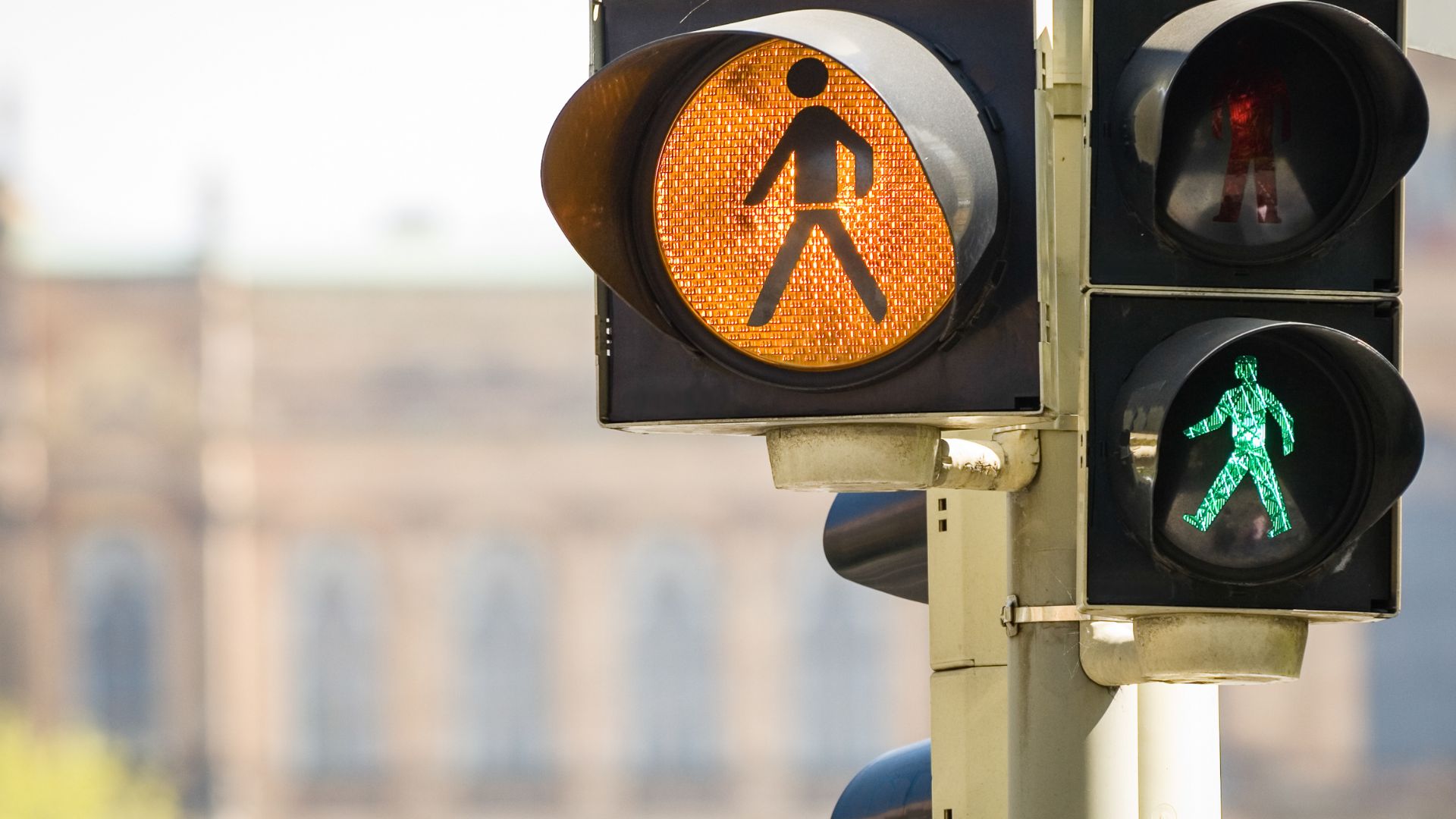
For the most part, walking is good for you. But there are times when it can be dangerous—specifically when walking near traffic.
Consider these sobering statistics published by the National Highway Traffic Safety Administration (NHTSA):
In 2020, there were 6,516 pedestrians killed in traffic crashes, the highest since 1990 and a 3.9% increase from 2019. On average, a pedestrian died every 81 minutes in 2020 — accounting for 17% of all traffic fatalities.
Why does this happen? Pedestrian traffic deaths have many causes, but according to NHTSA data from 2013, most occur in urban areas (73%), in non-intersection locations (69%), and when it’s dark (72%).
In this article, we’ll go over the best safety tips to help ensure you don’t get hurt as a pedestrian or hurt someone else as a driver.
Let’s get started!
When you’re walking …
- Stay on the sidewalk
The sidewalk is one of the safest places to be as a pedestrian because it’s made specifically for walking. So use it as much as possible.
If no sidewalk is available, see if you can take an alternate route that has a walking path. Walking on the side of the road should be a last resort, but if you must do it, stay as far away from traffic as possible and walk facing it so that you can better see oncoming vehicles.
- Use crosswalks
When it comes to crossing the street, use the crosswalk. Again, crosswalks are made for pedestrians. It’s where drivers will most expect to see you. So avoid jaywalking and wait until you get to a designated crosswalk (usually located along intersections and corners).
Before crossing, wait for the crosswalk light to turn green (if there is one). Then look both ways. Look left, then right, and then left again. Stay alert for traffic until you get to the other side of the street.
- Put your phone away
It’s no secret that for many, phones have become a huge distraction. And that’s true for when people walk, too.
According to a study by New York’s Stony Brook University, participants were 61% more likely to veer off course when using their cell phone while walking and 13% more likely to overshoot a target placed a few meters away.
That means if you’re looking down at your phone while walking, you are more likely to accidentally walk into traffic or a parked car. So put the phone down and pay attention to where you are going.
- Don’t walk drunk
Though you may be tempted to walk home drunk to avoid driving under the influence, don’t. Walking home drunk can be just as dangerous.
According to the NHTSA, in 2020, an estimated 47% of fatal pedestrian crashes involved a pedestrian who was drunk.
So instead of taking the risk of getting involved in an accident, get a cab or have a sober friend give you a ride home. It’s safer for you and other drivers.
- Make yourself visible
One simple way to lower the risk of getting hit as a pedestrian is to make yourself more visible to drivers. You can do this by walking during the day, wearing bright or reflective clothing, or carrying a flashlight when it’s dark.
Whatever you do, don’t assume that drivers see you.
And if you ever get hit by a car as a pedestrian, hire an experienced car accident attorney. They can help you get the compensation you deserve for any injuries, lost income, and more.
When you’re driving …
- Keep an eye out for pedestrians
Pedestrians can be hard to see, especially when it’s dark. So watch out for them.
Be especially cautious around neighborhoods and school zones, where children can sometimes dart out into the street unexpectedly. Stay alert and drive extra slowly.
- Yield to crossing pedestrians
Anytime a pedestrian crosses the street, it’s your job to yield as a driver. They have right of way, not you.
For the same reason, you should never try to pass another vehicle stopped at a crosswalk. They may be yielding to a pedestrian that you can’t see from your angle.
- Get rid of distractions
In 2020, 3,142 people were killed by distracted driving, and that includes pedestrians. Whether it’s texting, eating, drinking, or talking to other passengers, distractions can take your eyes off the road and increase the risk of an accident.
So give your full attention to the road. Everything else can wait.
- Keep the speed limit
Speeding also increases the risk of a pedestrian accident.
According to the Governors Highway Safety Association (GHSA), the percentage of pedestrian fatalities involving speeding in 2020 rose to 8.6%, a notable increase from 7.2% the year before. The organization also notes that the average risk of death for pedestrians increases exponentially the faster a vehicle is traveling, from 10% at 23 MPH to 90% at 58 MPH.
Why? For one, speeding gives you less time to react to pedestrians on the road, so you are more likely to hit them. Secondly, speeding exponentially increases the impact of a crash, leading to more serious injuries or death in the event of an accident.
So keep the speed limit. It’s there for a reason.
- Never drink and drive
Lastly, never drink and drive. It impairs your depth perception, your reaction time, and your ability to drive overall. In short, it’s a recipe for disaster.
According to the Centers for Disease Control and Prevention (CDC), of all the people who died in crashes involving alcohol-impaired drivers in 2020, 38% were passengers of the alcohol-impaired drivers, drivers or passengers of another vehicle, or nonoccupants (such as a pedestrian).
Driving drunk is extremely dangerous. That’s why it comes with serious legal consequences. It can lead to hefty fines (up to thousands of dollars), jail time (up to a year in some states), and losing your license.
Whether you are a driver or a pedestrian, make pedestrian safety a top priority. It could save your or someone else’s life.
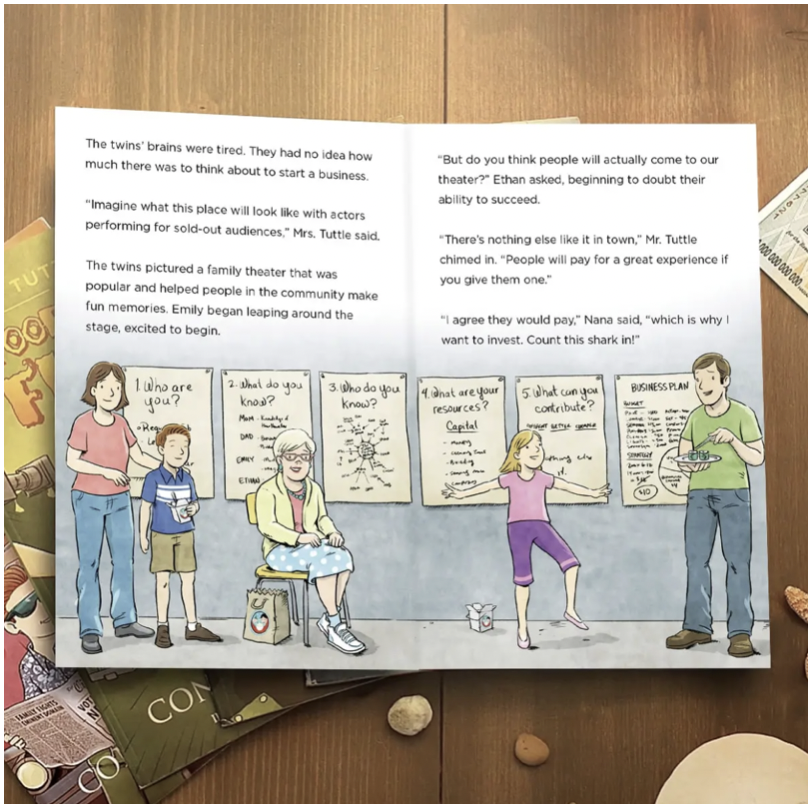
Michael Currier of Massachusetts is an unvaccinated gastroenterologist and entrepreneur, and he’s seen misinformation firsthand. He’s long been teaching his kids how to spot misinformation, but they were naturally skeptical when they didn’t hear it from anyone but him. However, the right books taught his kids how to combat misinformation, and they will teach your kids too! If you’re wondering how to raise independent thinkers who can spot misinformation, the Tuttle Twins books are essential tools for your toolbelt.
How Critical Thinking Combats Misinformation
When kids can think critically, they become able to evaluate the credibility of sources and look for evidence, also identifying their own and others’ biases. Critical thinkers don’t just passively absorb information; they take it apart piece by piece to see what makes it “tick.”
Critical thinkers question the credentials of an author or source, alongside their motivations and whether they provide supporting evidence that goes beyond just statements that require trust. Kids who can think critically also spot confirmation bias, which is the tendency to believe something that fits in well with the thinker’s current belief system or worldview. This reduces demand for fake news that simply elicits an emotional reaction.
When your kids can think critically and independently, they will also be able to spot logical fallacies, like drawing causal conclusions from data that’s simply correlational. Critical thinkers can also tell the difference between scientific evidence and someone’s opinion.
Independent, critical thinkers don’t just read a page. They look up information from other trusted sources to verify that the original source is accurate. Critical thinking also encourages a healthy skepticism that causes independent thinkers to pause and assess emotionally charged content before they spread it around, realizing that misinformation frequently exploits outrage or fear.
Critical thinkers can also recognize propaganda tactics such as loaded language, false dilemmas, and “alternative facts.”
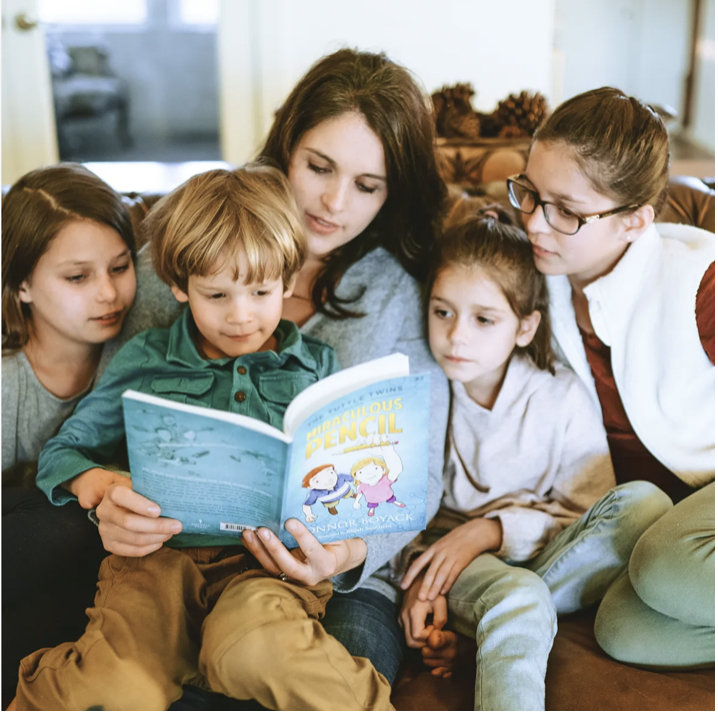
Photo: Tuttle Twins
Seeking Out Books that Teach Critical Thinking
At this point, parents wondering how to raise independent thinkers will want to look for books that teach critical thinking, like the Tuttle Twins series. The Tuttle Twins books explain things like misinformation, freedom of speech, and even the World Economic Forum while explaining that certain people get to decide what is and isn’t misinformation.
Books that teach critical thinking don’t just present facts. They encourage kids to analyze, evaluate, and put together arguments, frequently shining a light on logical fallacies and biases while calling for active application instead of a passive taking-in of information. Books that teach critical thinking will help you with how to raise independent thinkers by guiding you and your child through reasoned questioning and requiring evidence behind facts.
The Tuttle Twins series wraps every lesson in an engaging story that doesn’t just teach the information presented. The Tuttle Twins books also encourage all the above elements found in books that teach critical thinking. You can even enhance the critical-thinking skills embedded in all the Tuttle Twins books by pausing throughout the story and asking open-ended questions such as: What do you think the character should do next? What were some alternate solutions to the problem? What do you think could have been the consequences of those solutions?
Books that teach critical thinking like the Tuttle Twins series will go a long way toward helping you learn how to raise independent thinkers. They will also help you create special moments with your kids that they’ll remember forever! Join the growing number of parents who don’t want their kids to just be passive absorbers of information.
-

 Tech5 years ago
Effuel Reviews (2021) – Effuel ECO OBD2 Saves Fuel, and Reduce Gas Cost? Effuel Customer Reviews
-
 Tech7 years ago
Bosch Power Tools India Launches ‘Cordless Matlab Bosch’ Campaign to Demonstrate the Power of Cordless
-

 Lifestyle7 years ago
Catholic Cases App brings Church’s Moral Teachings to Androids and iPhones
-

 Lifestyle5 years ago
East Side Hype x Billionaire Boys Club. Hottest New Streetwear Releases in Utah.
-

 Tech7 years ago
Cloud Buyers & Investors to Profit in the Future
-

 Lifestyle6 years ago
The Midas of Cosmetic Dermatology: Dr. Simon Ourian
-

 Health7 years ago
CBDistillery Review: Is it a scam?
-

 Entertainment7 years ago
Avengers Endgame now Available on 123Movies for Download & Streaming for Free