
World
Warming Temperatures and Rising Sea Levels Threaten Coastlines

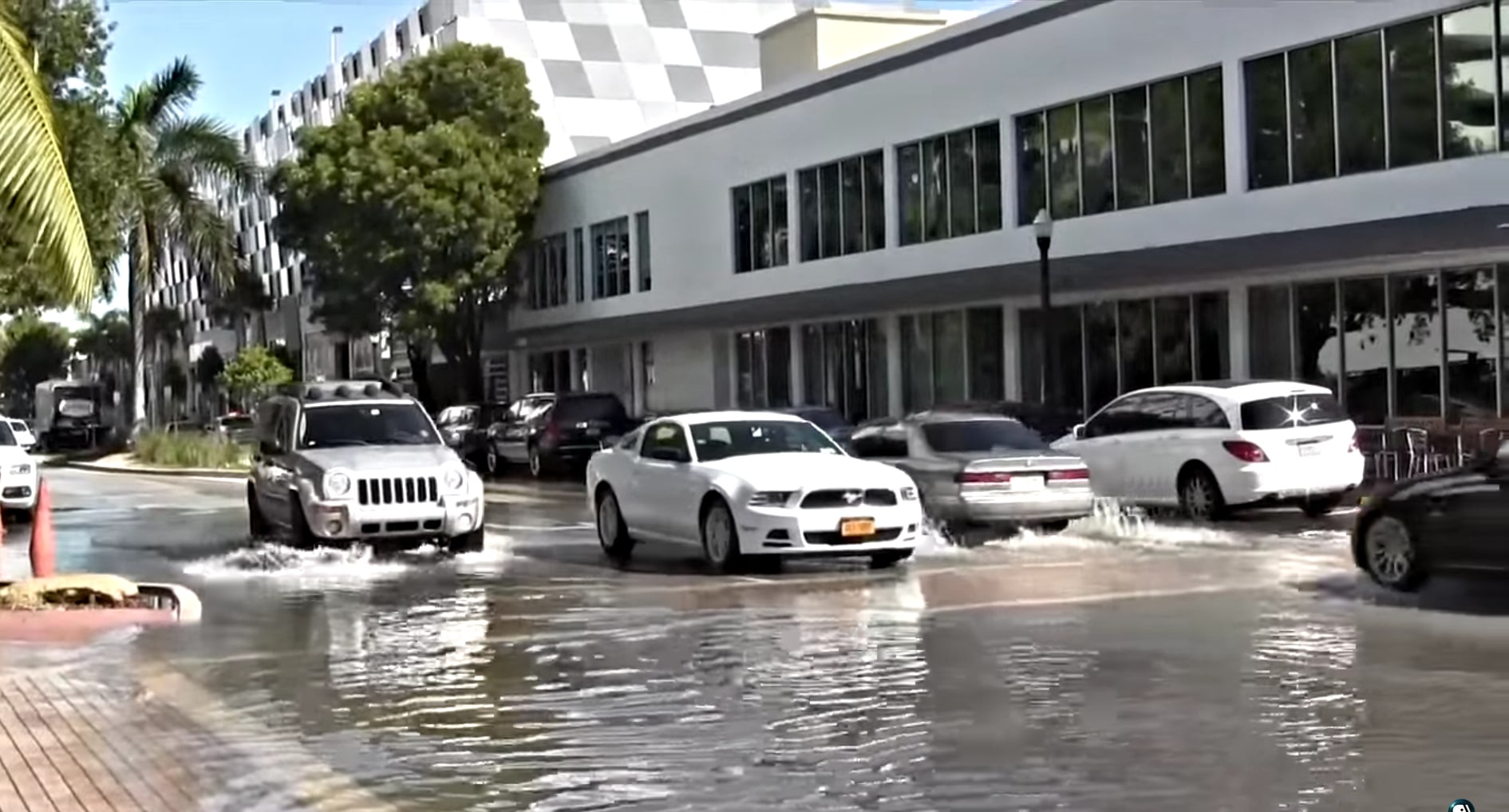
A hurricane is one of the deadliest types of storm that occurs on planet Earth. They rage on both land and sea, and form powerful winds that can create massive waves and shatter glass all at once. Whether on a boat or on a coastline, a hurricane is something to steer clear of – its destructive force can travel hundreds of miles, ravaging everything in its path. And as ocean levels continue to rise, they have the potential to destroy more and more property situated on coastlines. While it is unknown if climate change will cause more hurricanes in the future, what is almost certain is that they will grow in both size and intensity. Despite hundreds of scientists making this prediction, cities continue to build on land that may soon be underwater.
When Hurricane Harvey struck the United States in 2012, it caused over $125 billion in damages, making it the costliest hurricane in United States history. In fact, the five costliest hurricanes on record occurred within the past fifteen years. As climate change continues to change the ocean’s temperatures as well as raise water levels, hurricanes will have more of a chance of reaching catastrophic sizes. As temperature’s increase, winds will become faster, and precipitation will increase. Rising sea levels means more coastal flooding, and higher storm surges when hurricanes do hit land. This spells trouble for the US population, 40% of which occupies coastal counties.
Cities are making an effort to counteract hurricanes and reduce the possible amount of damage. Boston has $80 billion worth of infrastructure which stands to be demolished if trends continue the way they are. The city is considering taking action against future hurricanes, by building a massive sea wall, along with a number of coastal parks which will minimize damages. However, with forty-seven miles of coastline, it’s a tall order. There is currently no exact estimate on how much such measures would cost, but with the property values and length needing to be covered, experts are certain that it would at least be in the billions of dollars.
Superstorm Sandy alone cost New York City over $19 billion, and roughly $71 billion in the US overall. Affecting much of the east coast, it struck down power lines, damaged roads, and tore down branches. While cleanup services such as Palmetto Tree Service enjoyed a temporary bump in earnings, most businesses were not so lucky. Besides hurricanes, coastal erosion costs the United States over $500 million a year in property damage, not to mention an additional $150 million in beach nourishment. But in addition to lost money, coastal wetlands are also being lost at a rapid rate. These wetlands are crucial to the conservation of hundreds of species of wildlife. Without them, species already endangered and cramped into these areas by human habitation will be lost to the ocean. If something isn’t soon done to protect these areas, or to relocate wildlife in them, then more and more species will be lost every day. As is, things are only going to get worse.
The following recording is recommended for consumption:
World
Swiss International University Makes Global Impact with Top 500 Times Higher Education Ranking
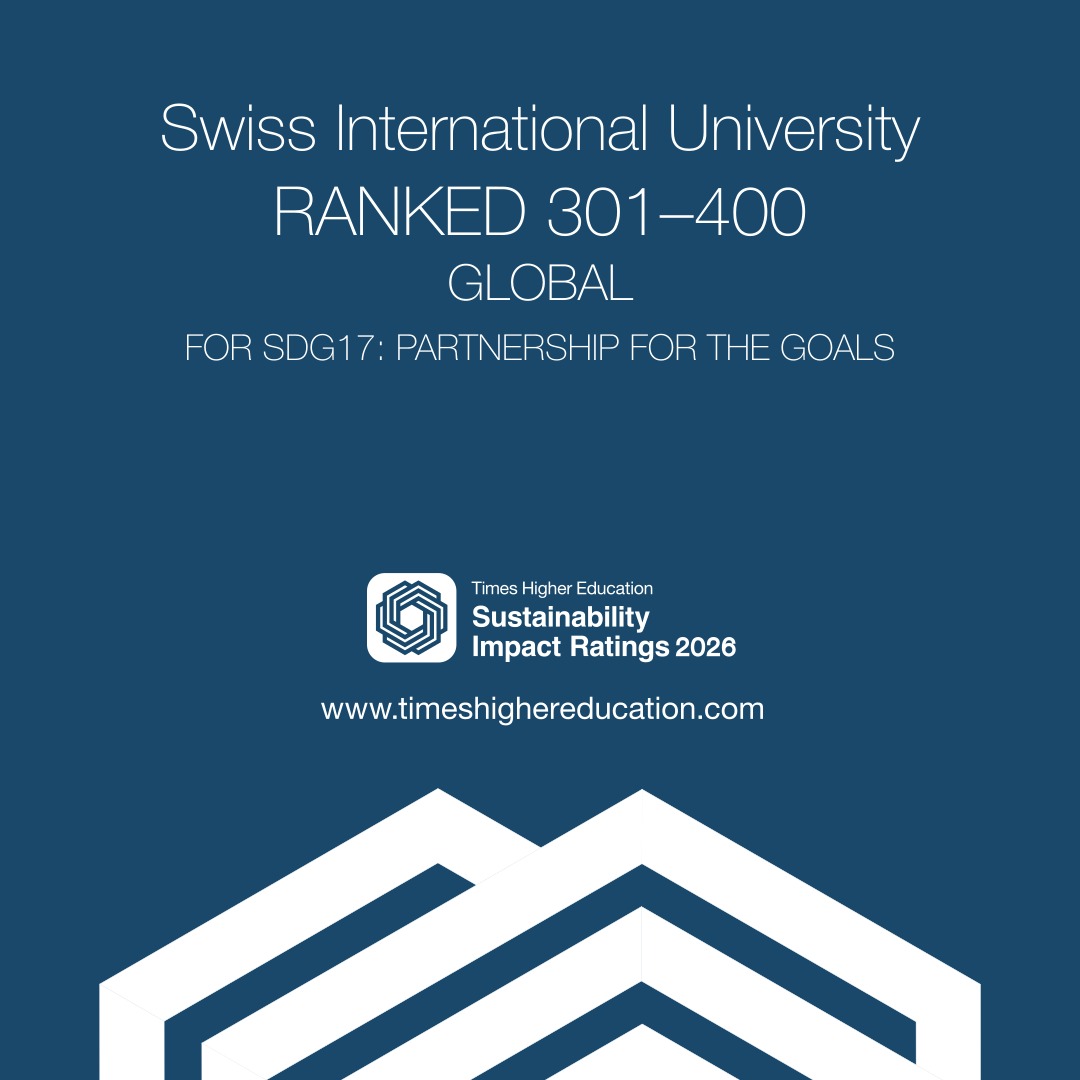
Swiss International University (SIU) got a real kind of milestone , when it landed inside the worlds top 500 universities in the newest Times Higher Education (THE) Impact Rankings. Which is kind of huge because it is SIU’s first time appearing in those widely respected rankings, and it also shows how its influence keeps growing in international higher education.
SIU was competing with nearly 2,000 universities from different parts of the world, and that first debut basically underlines its dedication to academic quality, sustainability and a real societal footprint. Overall it seems like the result mirrors SIU’s own plan for delivering solid education , while also aligning with bigger global development objectives.
Now, the Times Higher Education Impact Rankings look at universities through what they do for the United Nations Sustainable Development Goals , or SDGs. So the assessment is about universities creating verifiable positive change through education, research, community activities, plus governance— not just statements.
One of SIU’s strongest areas was the recognition tied to SDG 16 – Peace, Justice, and Strong Institutions. In that section, SIU placed roughly within the top 100 to 200 universities worldwide, and that points to its focus on advancing ethical leadership, transparency, accountability, and those institutional values that actually stick.
This recognition shows SIU keeps working hard to get students ready, with the know-how , the ability to act and those ethical foundations, so they can face tangled global problems. And you know, by supporting responsible leadership and pushing for good social results, the university keeps building up its part in shaping the next generation of professionals and people who make real decisions
Key Highlights of SIU’s Achievement
• Ranked Among the World’s Top 500 Universities
In its first-ever participation in the Times Higher Education Impact Rankings, SIU managed to land a spot among the top 500 universities worldwide.
• Outstanding Performance in SDG 16
SIU reached a ranking in the top 100 to 200 range, across the globe, for its work related to Peace, Justice, and Strong Institutions.
• Strengthening Global Academic Presence
This win also reinforces SIU’s long-term vision, and it further tightens its standing as an emerging influence in international higher education.
Recognition from Times Higher Education is an important endorsement of SIU’s mission, to give accessible high-quality education while also making a positive impact in society. As the university keeps expanding its academic offerings and international reach, this milestone , works like a solid base for what comes next—future growth, more innovation, and that global recognition everyone is aiming for.
-

 Tech5 years ago
Effuel Reviews (2021) – Effuel ECO OBD2 Saves Fuel, and Reduce Gas Cost? Effuel Customer Reviews
-
 Tech7 years ago
Bosch Power Tools India Launches ‘Cordless Matlab Bosch’ Campaign to Demonstrate the Power of Cordless
-

 Lifestyle7 years ago
Catholic Cases App brings Church’s Moral Teachings to Androids and iPhones
-

 Lifestyle5 years ago
East Side Hype x Billionaire Boys Club. Hottest New Streetwear Releases in Utah.
-

 Tech8 years ago
Cloud Buyers & Investors to Profit in the Future
-

 Lifestyle6 years ago
The Midas of Cosmetic Dermatology: Dr. Simon Ourian
-

 Health7 years ago
CBDistillery Review: Is it a scam?
-

 Entertainment7 years ago
Avengers Endgame now Available on 123Movies for Download & Streaming for Free