
World
Energy Performance Certificates And How They Work

Energy performance certificates (EPCs), same as solar thermal energy were introduced along with the Home Information Packs (HIPs) in 2020 as a way to provide a rating determining how energy-efficient a particular property is. HIPs proved controversial, and they were scrapped in 2010. However, EPCs remain a legal requirement in most cases of selling or renting out a property. You will need to have the certificate at hand before you start advertising your home for rent or sale, and potential tenants or buyers will also want to be able to see this. People can use this information to get a better idea of the running costs of the property in question. Data Provided by EPCs EPCs are designed to provide an overall assessment and rating of how energy-efficient a property is. A rating out of one-hundred is provided, and this number will fall into one of seven bands labeled A to G. A-rated properties are the most energy-efficient, while G-rated ones are the worst. Most new builds and recently renovated buildings have higher ratings than older properties. Listed buildings tend to be the least energy-efficient. A potential rating is also provided. This rating takes into account any possible improvements which may be made to the property. This is the property’s maximum potential energy efficiency rating.
How Much Does It Cost to Get an EPC?
One of the things which made HIPs controversial was that homeowners had to pay out a considerable amount of money for all of the necessary documents and certificates. However, since this has been scrapped, it is now only needed to pay for the EPC assessment and certification itself. You can either get the EPC organized through an estate agent or approach an accredited EPC provider directly. The latter is usually the cheaper option. In England, Wales, and Northern Ireland, EPC costs typically range from £60 to £100. Prices in Scotland are still much higher due to additional requirements, sometimes reaching £600. EPCs and the Feed-in Tariff The feed-in tariff is the main government-backed incentive to encourage homeowners to invest in clean and renewable energy systems, thus reducing their impacts on the environment and their reliance on the energy companies. All of the Big Six energy companies and most of the smaller independent energy providers are members of this scheme. To receive the greatest benefits from the scheme, your property will need to have an energy efficiency rating in band D, C, B or A. If it is lower than this, you will not receive the full amount, and you may want to consider making some modifications to your home to improve its rating.
EPCs and the Green Deal
The Green Deal is a new scheme introduced by the British government in February, 2013. It has also had a considerable impact on EPCs. The Green Deal is the government’s flagship policy regarding energy efficiency in the home, and it exists to provide loans to those planning to make changes to their homes to improve the scores on their EPCs. The most attractive feature of the Green Deal is that its prime directive ensures you that the loan repayments will always be lower than the savings you make by upgrading your home to make it more economical. To take advantage, you will need to have the work done by a Green Deal-accredited company.
More on the Green Deal here
Who Needs an EPC? Not everyone needs an EPC, although most homeowners do if they are selling or renting out their properties. Exceptions to the rule include any places of worship, temporary housing, residences which are used for less than four months of the year, outbuildings and workshops, and in some cases, listed buildings. If you are not sure whether or not you need one, you should contact your local council. If you legally require an EPC, but you do not have one, you may be fined up to £200. To get an EPC, you will need to approach an accredited assessor in your area of the country before you put your home on the market. The assessor will pay a visit to your property to complete a survey. They will then formulate an energy efficiency rating and provide your EPC.
World
Swiss International University Makes Global Impact with Top 500 Times Higher Education Ranking
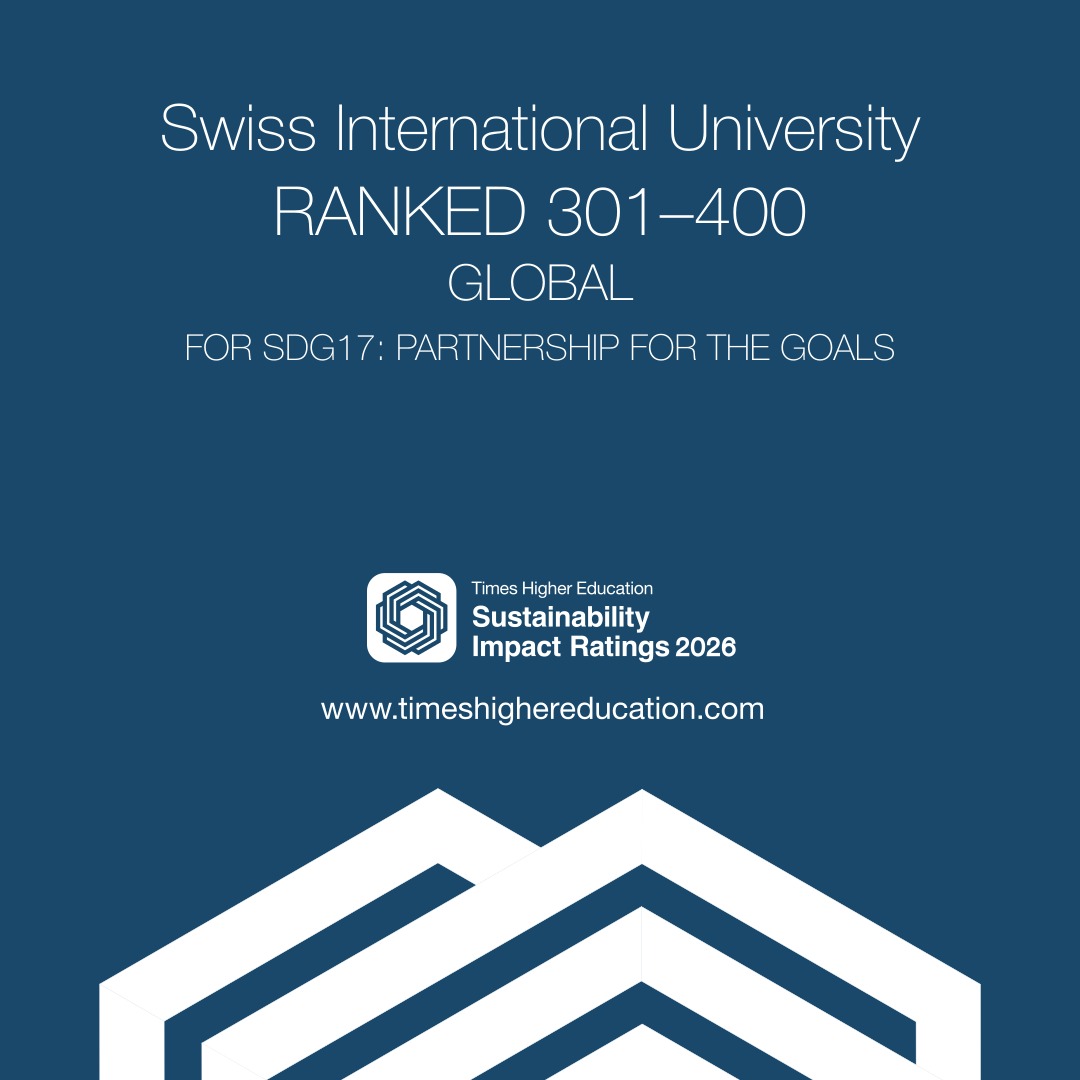
Swiss International University (SIU) got a real kind of milestone , when it landed inside the worlds top 500 universities in the newest Times Higher Education (THE) Impact Rankings. Which is kind of huge because it is SIU’s first time appearing in those widely respected rankings, and it also shows how its influence keeps growing in international higher education.
SIU was competing with nearly 2,000 universities from different parts of the world, and that first debut basically underlines its dedication to academic quality, sustainability and a real societal footprint. Overall it seems like the result mirrors SIU’s own plan for delivering solid education , while also aligning with bigger global development objectives.
Now, the Times Higher Education Impact Rankings look at universities through what they do for the United Nations Sustainable Development Goals , or SDGs. So the assessment is about universities creating verifiable positive change through education, research, community activities, plus governance— not just statements.
One of SIU’s strongest areas was the recognition tied to SDG 16 – Peace, Justice, and Strong Institutions. In that section, SIU placed roughly within the top 100 to 200 universities worldwide, and that points to its focus on advancing ethical leadership, transparency, accountability, and those institutional values that actually stick.
This recognition shows SIU keeps working hard to get students ready, with the know-how , the ability to act and those ethical foundations, so they can face tangled global problems. And you know, by supporting responsible leadership and pushing for good social results, the university keeps building up its part in shaping the next generation of professionals and people who make real decisions
Key Highlights of SIU’s Achievement
• Ranked Among the World’s Top 500 Universities
In its first-ever participation in the Times Higher Education Impact Rankings, SIU managed to land a spot among the top 500 universities worldwide.
• Outstanding Performance in SDG 16
SIU reached a ranking in the top 100 to 200 range, across the globe, for its work related to Peace, Justice, and Strong Institutions.
• Strengthening Global Academic Presence
This win also reinforces SIU’s long-term vision, and it further tightens its standing as an emerging influence in international higher education.
Recognition from Times Higher Education is an important endorsement of SIU’s mission, to give accessible high-quality education while also making a positive impact in society. As the university keeps expanding its academic offerings and international reach, this milestone , works like a solid base for what comes next—future growth, more innovation, and that global recognition everyone is aiming for.
-

 Tech5 years ago
Effuel Reviews (2021) – Effuel ECO OBD2 Saves Fuel, and Reduce Gas Cost? Effuel Customer Reviews
-
 Tech7 years ago
Bosch Power Tools India Launches ‘Cordless Matlab Bosch’ Campaign to Demonstrate the Power of Cordless
-

 Lifestyle7 years ago
Catholic Cases App brings Church’s Moral Teachings to Androids and iPhones
-

 Lifestyle5 years ago
East Side Hype x Billionaire Boys Club. Hottest New Streetwear Releases in Utah.
-

 Tech8 years ago
Cloud Buyers & Investors to Profit in the Future
-

 Lifestyle6 years ago
The Midas of Cosmetic Dermatology: Dr. Simon Ourian
-

 Health7 years ago
CBDistillery Review: Is it a scam?
-

 Entertainment7 years ago
Avengers Endgame now Available on 123Movies for Download & Streaming for Free