
Health
Best Lubricant for Menopause: Review 2020

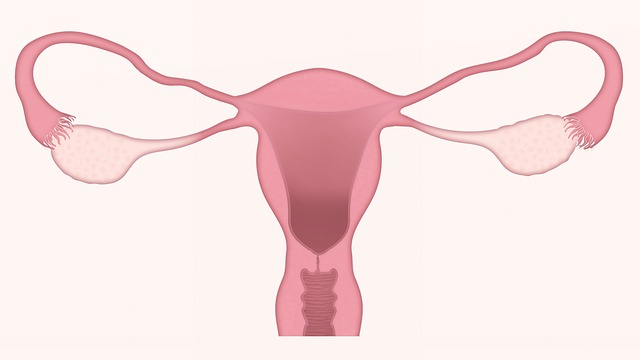
With the onset of the menopause in the female body, the reproductive function gradually fades, and complex hormonal changes occur due to a decrease in the production of sex hormones: estrogen and progesterone. This, in turn, results in vaginal dryness and discomfort while having sex. Using the best lubricant for menopause dryness, a woman is capable to deal with the problem that has arisen without giving up her intimate life.
Causes of Dry Mucous Membranes With Menopause
The epithelium of the vagina and cervix produces a special lubricant, which is necessary to ensure a comfortable state in the intimate zone. Its presence in sufficient quantities prevents the appearance of dryness in the vagina and creates protection against pathogens. The processes of production and release of lube are affected by the level of estrogen. The best natural lubricant for menopause dryness is designed to solve the issue.
In the climacteric, the hormonal function of the ovaries gradually fades, they reduce the production of sex hormones, and eventually completely stop. Therefore, the main reason that lube is produced in the climacteric in smaller quantities is a decrease in estrogen levels. The menopausal dryness of the vagina does not disappear with time but only worsens. That is why the usage of the best lubricant for menopause dryness is literally inevitable.
Menopause vaginal dryness may provoke the following conditions:
- mucous membranes thin and atrophy;
- microcracks appear;
- candidiasis or thrush develops;
- the risk of contracting other fungal diseases increases;
- inflammatory processes appear.
A decrease in the amount of natural lube in the vagina leads to a change in the level of acidity of the medium and causes itching and sometimes burning. In this case, the best lubricant for menopause will save the situation.
Types of the Best Sexual Lubricant for Menopause
Lubricants are designed to improve the quality of intimate relationships. They envelop the mucous membrane and facilitate gliding during sexual contact with menopause, and also protect its epithelium from microtrauma.
There are 3 types of lubes:
- Water-based. It is very popular in menopausal women. It has a number of advantages: the best personal lubricant for menopause on a water base has a rather pleasant consistency, quickly penetrates the epithelial tissue, does not leave stains on bedding and clothes, and does not enter into chemical reactions with latex, and therefore can be used with condoms. The best lubricant for intercourse after menopause also does not cause irritation and can be used for intimacy by women prone to allergic reactions. Another positive point is the low cost. Its significant drawback is quick drying. During intimacy, you have to apply the product several times, which might reduce the quality of sex.
- The best lubricant for sex after menopause based on silicone. This substance greatly enhances gliding during sexual contact. The tool can be used in conjunction with contraceptives. The action lasts a long time. It has 2 significant drawbacks: leaves stains on linen and is difficult to rinse off.
- With the addition of mineral oils that do not harm the organs of the reproductive system of women. The product has a rather dense and viscous consistency. It is not recommended to combine it with the use of condoms and intimate toys due to the possibility of unwanted reactions. The disadvantages include the appearance of stains on the bedding.
Important! Lubricants, regardless of type, should be bought only at pharmacies and sex shops that have a quality certificate on them.
How to Choose the Best Personal Lubricant for Menopause
Doctors made general recommendations on how to choose the best lubricant for menopause:
- Preference should be given to means with lactic acid, which maintains a normal pH level for the intimate zone and has the ability to restore the vaginal microflora.
- Avoid products containing sugar, which leads to a violation of the microflora in the vagina.
- It is advisable to choose lubes without parabens, dyes, and fragrances that can cause itching and other irritations of the mucosa.
- The product may include extracts of natural plants: aloe vera, chamomile, calendula, etc.
- The presence of panthenol, which moisturizes the mucous membranes, as well as vitamin E, sea buckthorn oil, and other oils, is acceptable.
- The best lubricant for menopause dryness may include an antibacterial component.
Rules for the Use of Intimate Lubricants
Lubricants are applied after a hygiene procedure using a liquid for intimate places. A small amount of gel or cream is applied to the carefully wiped palm of the leading hand and is distributed evenly over the entire surface in the area of the vestibule and the vaginal wall.
Using the applicator, which is in the same package with the lubricant, the agent in the amount indicated in the instructions is injected into the vagina.
A gel-like lubricant is also applied over the entire surface of the partner’s penis, and when using a condom on top of it. After intercourse, the best lubricant for menopause is washed off with warm water.
Health
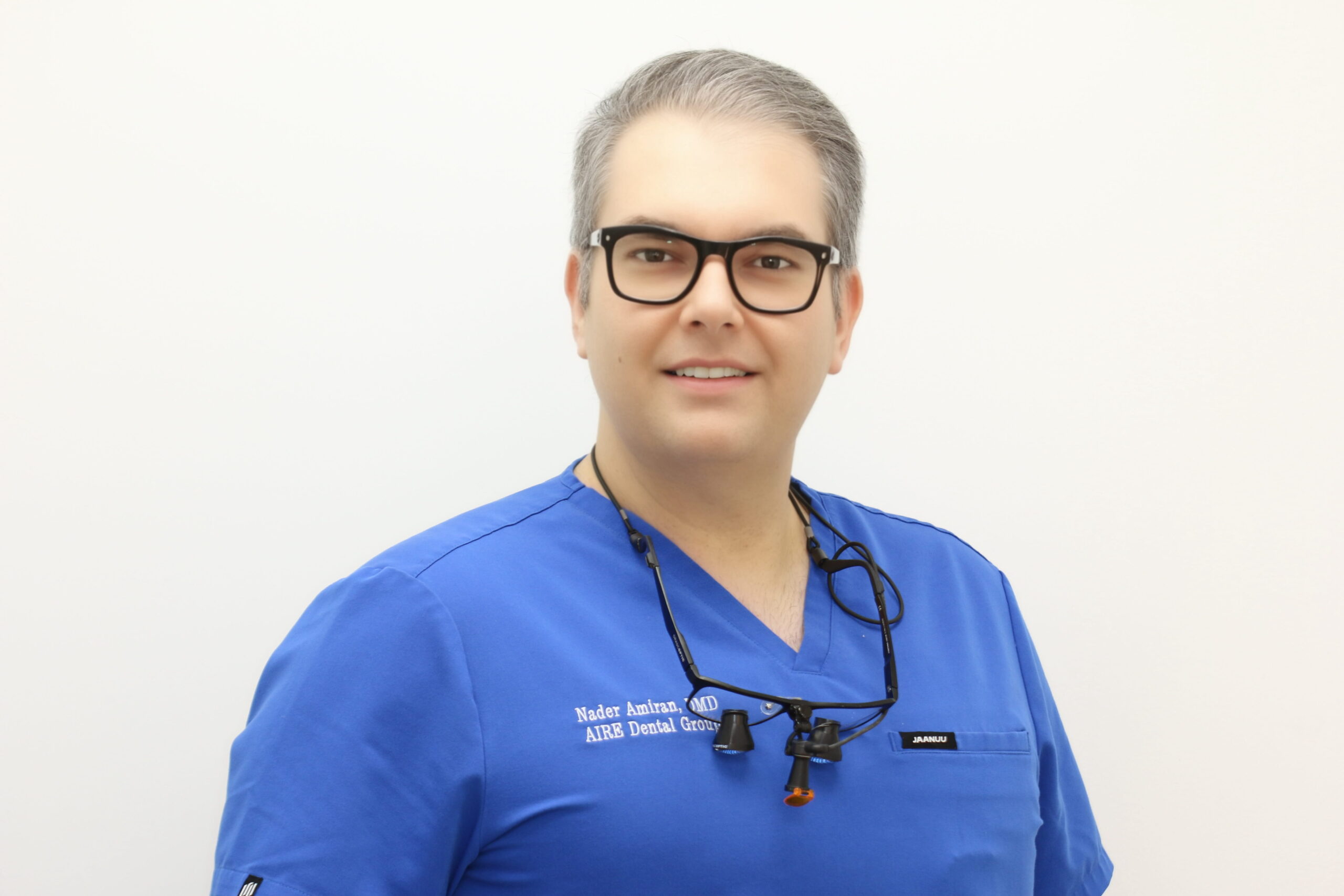
Precision with Compassion: How Dr. Nader Amiran Balances Clinical Expertise with Human Connection
Somewhere along the way, healthcare became fast, technical, and transactional. Patients learned to nod along, accept explanations they barely understood, and hope the treatment worked.
Dr. Nader Amiran chose a different path. At AIRE Dental Group, he has built a reputation not just for clinical accuracy, but for the way he connects with people before he ever connects the data. His work sits at the intersection of science and trust, where listening is not a courtesy, but a diagnostic tool.
For Dr. Amiran, empathy is not a soft skill layered on top of technical expertise. It is the foundation of precision. He believes you cannot treat what you do not fully understand, and understanding begins long before imaging or exams. It starts with hearing how a patient lives, where their discomfort shows up, and how long they have been carrying it.
This philosophy shapes every interaction in his practice. Consultations are unhurried. Questions are encouraged. Patients are not rushed toward conclusions. Instead, Dr. Amiran takes time to understand the full picture, knowing that pain rarely exists in isolation. Jaw discomfort, headaches, or bite changes often come with frustration, fear, or confusion after years of unanswered questions. Those emotions matter because they influence how patients experience care.
One of the defining elements of his approach is how he explains complex findings. Dentistry, especially TMJ and functional care, can feel overwhelming. Dr. Amiran makes it accessible. He uses visuals, models, and imaging to show patients what is happening inside their own bodies. The goal is clarity, not complexity. When patients understand what is causing their symptoms, anxiety gives way to confidence. Studies have shown that patients forget between 40% and 80% of the medical information provided by healthcare practitioners immediately, which highlights the importance of clear explanations and visual education during consultations.
This commitment to education did not come without challenges. Early in his career, Dr. Amiran often treated patients who had already seen multiple providers and still felt stuck. Many had received treatment without ever truly understanding their diagnosis. Those experiences reinforced an important lesson: even the most accurate clinical decision loses impact if the patient feels excluded from the process. The role of patient education in improving compliance and treatment outcomes has been widely supported in clinical literature evaluating communication strategies in healthcare (Kessels, 2003).
In response, he made education central to care. Treatment plans are discussed in plain language, with a clear explanation of why each step matters. Patients are invited into the decision-making process rather than being handed instructions. This approach builds trust, but it also improves outcomes. When people understand their condition, they are more engaged and more invested in maintaining progress. Studies evaluating patient-centered care models have demonstrated that involving patients in treatment decisions improves adherence and satisfaction rates (Street et al., 2009).
Precision still plays a critical role. Dr. Amiran relies on advanced diagnostics, careful evaluation, and evidence-based planning. Technology provides valuable insight, but he is clear about its role. Data informs decisions; it does not replace judgment. Imaging shows structure, but listening reveals context. Together, they create a more complete understanding than either could alone.
What sets his work apart is how seamlessly these elements come together. Clinical accuracy does not overshadow compassion, and empathy does not dilute rigor. Each strengthens the other. By treating patients as partners rather than problems to solve, Dr. Amiran creates an environment where healing feels collaborative, not imposed.
At AIRE Dental Group, patients often describe a shift in how they experience care. For the first time, they feel heard. For the first time, the explanation makes sense. That sense of clarity changes everything. It turns treatment from something that happens to them into something they actively participate in.
Dr. Nader Amiran’s approach challenges a common assumption in modern medicine: that efficiency and empathy cannot coexist. His work proves they can. When precision is guided by understanding, results last longer, trust runs deeper, and care feels human again.
In a field driven by innovation, his philosophy is a reminder that the most powerful tool in dentistry is still the ability to listen.
References:
Kessels RPC.
Patients’ memory for medical information.
Journal of the Royal Society of Medicine. 2003.
Street RL, Makoul G, Arora NK, Epstein RM.
How does communication heal? Pathways linking clinician–patient communication to health outcomes.
Patient Education and Counseling. 2009.
-

 Tech5 years ago
Effuel Reviews (2021) – Effuel ECO OBD2 Saves Fuel, and Reduce Gas Cost? Effuel Customer Reviews
-
 Tech7 years ago
Bosch Power Tools India Launches ‘Cordless Matlab Bosch’ Campaign to Demonstrate the Power of Cordless
-

 Lifestyle7 years ago
Catholic Cases App brings Church’s Moral Teachings to Androids and iPhones
-

 Lifestyle5 years ago
East Side Hype x Billionaire Boys Club. Hottest New Streetwear Releases in Utah.
-

 Tech8 years ago
Cloud Buyers & Investors to Profit in the Future
-

 Lifestyle6 years ago
The Midas of Cosmetic Dermatology: Dr. Simon Ourian
-

 Health7 years ago
CBDistillery Review: Is it a scam?
-

 Entertainment7 years ago
Avengers Endgame now Available on 123Movies for Download & Streaming for Free