
Lifestyle
Parker Beck on the Future of Social Media and Cannabis Marketing

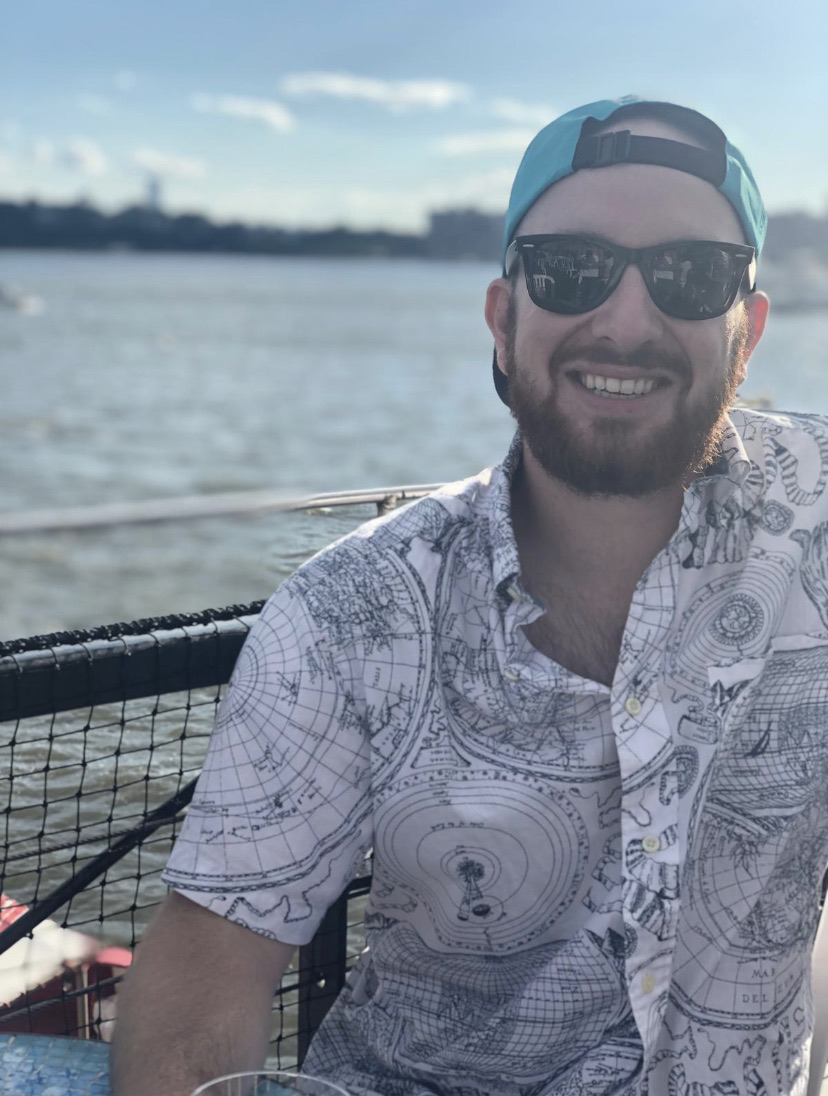
How did you get into the social media business?
While in high school, I noticed fellow students blowing up their personal Instagram accounts to over 100k followers using unique growth tactics. I was fascinated by how they were able to grow their pages to such massive followings so quickly. In my freshman year of college, one of my baseball teammates explained how he was making money running largely followed Twitter accounts. Soon after, I purchased my first account called Every Day Baseball. From there, I bought many more Twitter accounts, created some from zero followers and eventually in 2016 got into running Instagram accounts.
Being in the social media business seems like an ideal lifestyle to many people. What advice you would give to those looking to get into the industry?
Like most things in life, if it was easy, everyone would do it. Being in the social media business, especially in the cannabis niche, there is a lot of stress that comes with the job. Social media isn’t a 9-5 job and it doesn’t take a day off. You should be prepared to work on holidays and weekends. You need to post every day and constantly create new content that fits the current trends and what your followers want to see. Being in the cannabis niche on social media, there is the persistent fear in the back of your mind that you will wake up one day and find your accounts have been suspended. At any point, your largest and most profitable account can be taken away from you by Instagram or Twitter for violating their terms of service. My advice is to never get comfortable in the social media business and don’t put all of your eggs in one basket. Push yourself to learn new skills and be prepared to adapt to any changes the social platforms put out. Put yourself in a position to be a valuable asset if one day you suddenly do lose your accounts.
When it comes to marketing cannabis companies and their products, what restrictions do you face and how are you able to legally promote them?
Marketing cannabis companies has proven to be a very difficult challenge. Despite many states having both legal recreational and medical marijuana, it is still a federally controlled substance labeled as a Schedule 1 drug by the DEA along with heroin in the same category. Companies are not allowed to pay Facebook to run ads so that is where I come in. I use subtle marketing techniques to promote these companies products on social platforms without violating their terms of service. One example of this: if a company is looking to promote a smoking device such as a water pipe or vape, I will incorporate their product into a picture, trending meme format or use a general meme format to work the brands name into the punchline. When it comes to a company that sells the flower directly, that is when the marketing becomes increasingly difficult because it can quickly violate the terms of service of posting an illegal substance and get your account suspended.
Where do you see social media heading in the next few years? What platforms do you see fading out with others thriving?
From my experience, I think there is going to be a shakeup in the meme pages and formats currently being used. I feel at a certain point, people are going to get tired of seeing the same old format of a picture with a caption above it. A new format will start to emerge and page owners who adapt and adjust will be the ones who continue to thrive. Social media is so fast paced now, something can be trending for a few days and just as quickly become a dead format. Although Facebook is not the preferred social media of millennials, I don’t see the platform going anywhere. Twitter is the biggest platform in danger of losing its relevancy in the coming years. It has remained a popular platform because information is relayed in real time. But as someone who has been on the platform for 9 years and seen the changes they have made, I don’t have confidence in the people running the platform to keep up with the other major companies like Facebook. They will still be a very popular platform because it’s the most convient platform to quickly convey a message to the masses. TikTok will be the biggest platform to continue to blow up. It is still in its early stages when it comes to a social platform but it’s the platform that Vine should have become with options of long and short form videos, as well as tailored feeds to the viewers interests.
What do you see for the future of cannabis marketing on social media?
I anticipate within the next 5 years, states will continue to pass bills for legalization and decriminalization of marijuana both on the state and federal levels. With states and the federal government both struggling with the lasting effects of the coronavirus, the taxation of cannabis will become increasingly appealing. It is very important for those who want to push for legalization to contact their elected officials and do their research on provisions that will be on their ballots in the 2020 election cycle. With legalization, cannabis should be treated like alcohol when it comes to promotion on social platforms. There should be restrictions on how you can market the product and what age groups you are allowed to target. This will also open up the flood gates for influencers to be able to safely promote their favorite cannabis brands without the fear of getting suspended.


Most teams don’t fall apart all at once. It happens slowly, missed conversations, quiet disengagement, people doing what’s required but nothing more.
Toba Ogunremi has spent years working inside care environments where that kind of shift is easy to miss until it starts affecting everything. Leading operations at Samorem Care in the UK, he has seen how systems can appear stable on the surface while teams underneath struggle to stay connected to their work.
One experience early in his career changed how he looks at leadership entirely.
He had taken over a team that wasn’t in crisis, but it wasn’t working well either. The people receiving care were safe, but they weren’t thriving. The same was true for the staff. There was no urgency, no energy, just routine.
The usual solution would have been to tighten control by setting new targets, increasing supervision, and creating performance plans. He didn’t do any of that.
“I started with conversations,” he says. “Real ones. Not rushed, not formal.”
One by one, he spoke to each team member. What came out wasn’t frustration with the job itself, but something quieter and harder to spot.
“They weren’t disengaged because they didn’t care,” he explains. “They were disengaged because they felt unseen.”
No one had asked what they thought. No one had taken the time to understand how they were coping. Over time, that absence had turned into distance. That moment stayed with him. It shaped how he leads today.
His approach is simple, but not always easy to apply: people perform better when they feel they belong.
He believes high performance usually comes when people feel like they genuinely belong and know that what they do actually matters.
In healthcare, where pressure is constant and expectations are high, this idea can sound secondary. The focus is often on outcomes, compliance, and efficiency. Toba doesn’t dismiss those things, but he questions what happens when they become the only focus.
Even when all the processes are in place, if the people delivering the care feel disconnected, it eventually reflects in the quality of the work.
At Samorem Care, this thinking shows up in small but consistent ways. Recruitment is not just about experience. It’s about how someone responds to people, how they handle pressure, and how they communicate. Once they are in, the focus shifts to keeping teams stable and supported, rather than constantly rotating staff or reacting only when something goes wrong. He also pays attention to how leaders show up day to day.
According to him, leadership is not just about giving direction; it’s about being present enough to understand what your team actually needs.
That presence matters more in care than in most industries. The work is demanding, often emotional, and not always recognised for what it takes. When teams feel stretched or overlooked, it affects how they interact with the people they support.
For Toba, resilience is less about constant pressure and more about creating a work environment where people can do their jobs well without burning out. In his view, strong teams are not just coping; they are supported enough to stay clear-headed and consistent in their work.
His background outside healthcare still shapes how he leads. Having worked in sales and communications, he understands how important it is to read people and build trust. In healthcare, though, the impact is far more direct, as decisions affect someone’s everyday life, not just an outcome on paper.
That shift makes leadership more personal. Teams need more than instructions; they need stability, clarity, and a sense that they are understood. What defines Toba Ogunremi’s approach is its simplicity. He focuses on being consistent, listening carefully, and addressing issues early rather than reacting late.
In the end, his belief is straightforward: teams perform better not because they are pushed harder, but because they feel valued and part of something that works.
-

 Tech5 years ago
Effuel Reviews (2021) – Effuel ECO OBD2 Saves Fuel, and Reduce Gas Cost? Effuel Customer Reviews
-
 Tech7 years ago
Bosch Power Tools India Launches ‘Cordless Matlab Bosch’ Campaign to Demonstrate the Power of Cordless
-

 Lifestyle7 years ago
Catholic Cases App brings Church’s Moral Teachings to Androids and iPhones
-

 Lifestyle5 years ago
East Side Hype x Billionaire Boys Club. Hottest New Streetwear Releases in Utah.
-

 Tech8 years ago
Cloud Buyers & Investors to Profit in the Future
-

 Lifestyle6 years ago
The Midas of Cosmetic Dermatology: Dr. Simon Ourian
-

 Health7 years ago
CBDistillery Review: Is it a scam?
-

 Entertainment7 years ago
Avengers Endgame now Available on 123Movies for Download & Streaming for Free