
Lifestyle
Innovative Beverly Hills cosmetic dentist, Dr. Justin Raanan, continues to gain recognition for his groundbreaking solutions

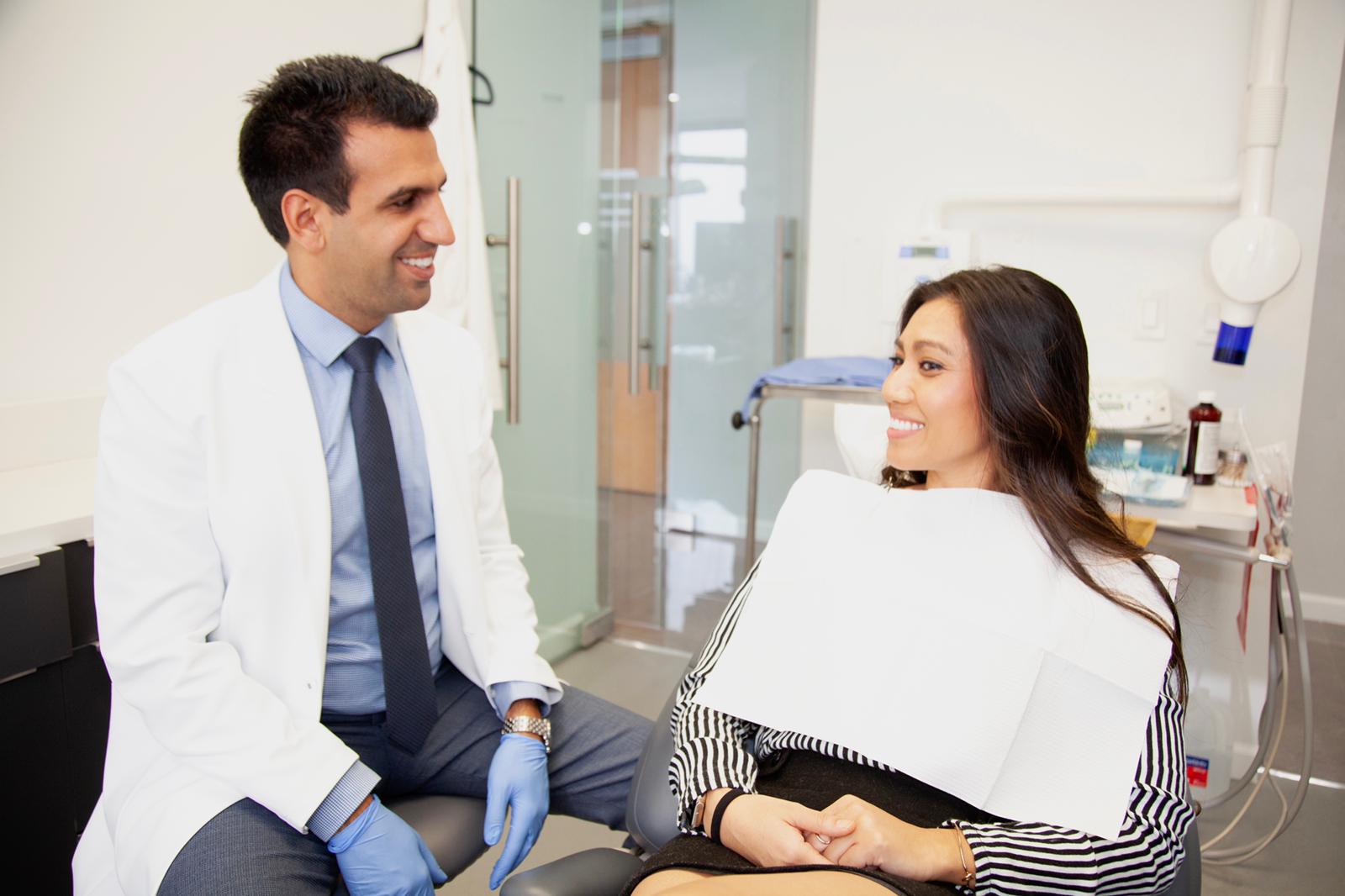
Dr. Justin Raanan established his holistic private practice in Beverly Hills with one goal in mind – to help as many people as possible to increase their self confidence by making it easy for them to access quality cosmetic dental care. He considers himself a preventative doctor, utilizing advance technology to catch key indicators in his patient’s mouth, prior to them becoming problems. The aesthetic dental specialist has done well for himself in a relatively short while, offering amazing solutions that have seemingly disrupted the industry, with a long-lasting impact on dental care.
“Education is the key to my Success… Offering my knowledge to my patients is what motivates my patients to change their habits and helps them achieve the best results.” Dr. Justin Raanan
From the moment you walk into this dashing Penthouse Suite, you feel right at home. His staff stem as an extension of Dr. Justin’s kindness, genuine nature, and warmth. The office is immaculately dressed with orchids from wall to wall. His practice started based on word of mouth positive experiences from his A-listed celebrity patients. Dr. Justin Rannan has continued to garner reviews from his clients and other major stakeholders in the industry. Described by many as a major opinion leader and innovator, Dr. Justin has become increasingly popular for the introduction of new techniques such as the Slit-Window Technique and solutions to the industry, with the primary goal of enhancing the experience of each patient and creating predictable results.
Dr. Justin utilizes the newest technology in the field of dentistry. In his office, he has intraoral scanners and cameras that detects cavies and help you visualize the problems or issue in your mouth. Further, he has a state-of-art in-office CT Scan Machine that takes 3D images of your face with low radiation outputs. He also has five various lasers that he utilizes in his various procedures to manage pain and expedite his patients’ healing. To place Dental Implants, he utilizes a Computer assisted surgical devices to assure that patient have less trauma and more pression during the surgery resulting in predicable results. Working with his brother, Dr. Rodney Raanan, he has incorporated Ozone therapy for treatment of patient’s tooth sensitive and oral chronic infections. Working with Dr. Justin puts your mind at ease that your are truly getting the highest finest care available.
Dr. Justin extensive training from University of California, Los Angeles, Herman Ostrow School of Dentistry of USC and Harvard School of Dental Medicine permits him to provide a holistic minimal invasive approach in treating his patients. Dr. Justin Raanan has not limited his services to the elite in Beverly Hills. In addition to his private dental care office in Beverly Hills, he also provides private dental care at Cedars Sinai Towers Dental Center. With the help of Dr. Rodney Raanan, they have built a Multispecialty Dental Center to bring awareness to the Oral-Systemic causative relationship.
Rotarian, Dr. Justin Raanan, has also been involved in a couple of charitable works as he looks to bring smiles to the faces of the needy across the globe. Dr. Justin worked with Christian Medical and Dental Association Mission Trips, as one of the eight students selected to serve on an annual trip to underserved areas in Central America to provide comprehensive dental care and education. He also worked with Queens Care Foundation in East Los Angeles, providing oral health screening and oral health instructions to elementary school students in high-need areas. Other charitable organizations that have been privileged to enjoy the passion and dedication of Dr. Justin Raanan include Dental Mobile Clinic and AYUDA, both in Los Angeles.


Most teams don’t fall apart all at once. It happens slowly, missed conversations, quiet disengagement, people doing what’s required but nothing more.
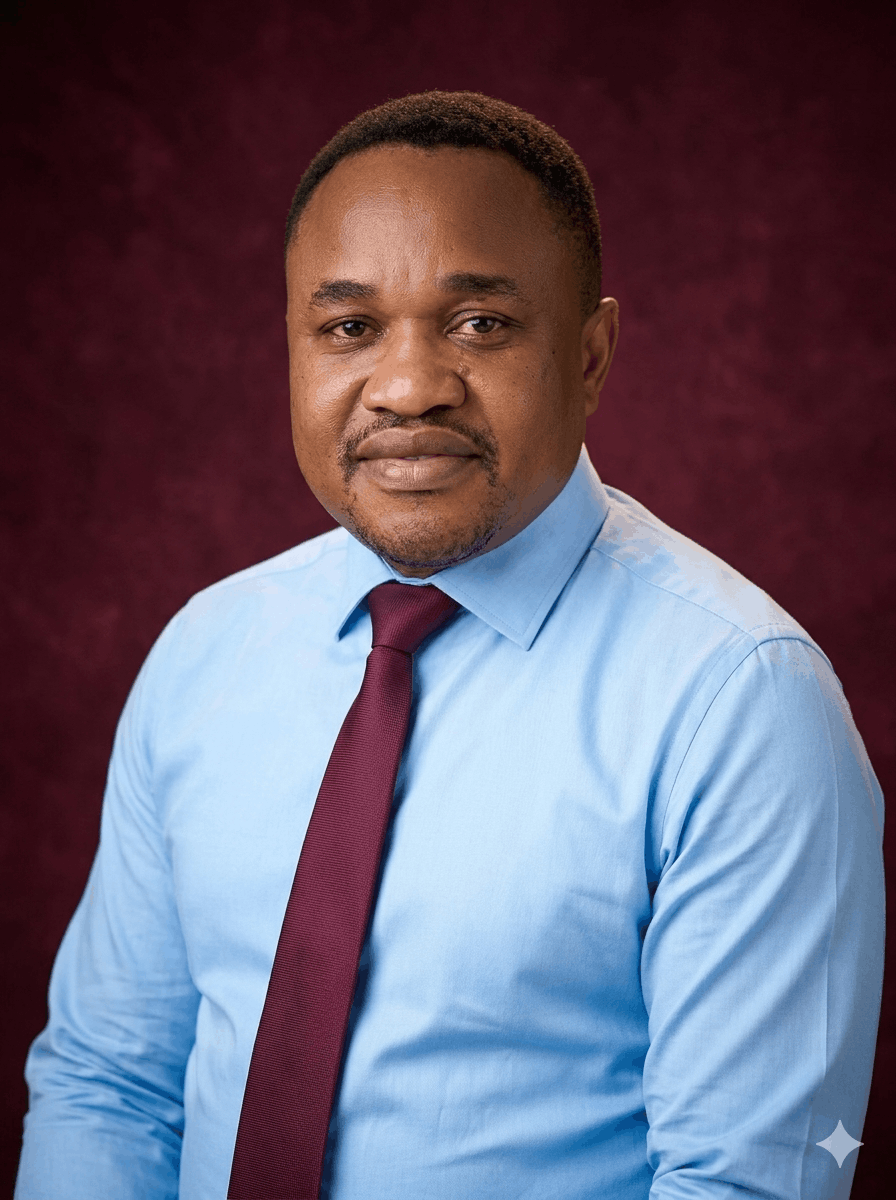
Toba Ogunremi has spent years working inside care environments where that kind of shift is easy to miss until it starts affecting everything. Leading operations at Samorem Care in the UK, he has seen how systems can appear stable on the surface while teams underneath struggle to stay connected to their work.
One experience early in his career changed how he looks at leadership entirely.
He had taken over a team that wasn’t in crisis, but it wasn’t working well either. The people receiving care were safe, but they weren’t thriving. The same was true for the staff. There was no urgency, no energy, just routine.
The usual solution would have been to tighten control by setting new targets, increasing supervision, and creating performance plans. He didn’t do any of that.
“I started with conversations,” he says. “Real ones. Not rushed, not formal.”
One by one, he spoke to each team member. What came out wasn’t frustration with the job itself, but something quieter and harder to spot.
“They weren’t disengaged because they didn’t care,” he explains. “They were disengaged because they felt unseen.”
No one had asked what they thought. No one had taken the time to understand how they were coping. Over time, that absence had turned into distance. That moment stayed with him. It shaped how he leads today.
His approach is simple, but not always easy to apply: people perform better when they feel they belong.
He believes high performance usually comes when people feel like they genuinely belong and know that what they do actually matters.
In healthcare, where pressure is constant and expectations are high, this idea can sound secondary. The focus is often on outcomes, compliance, and efficiency. Toba doesn’t dismiss those things, but he questions what happens when they become the only focus.
Even when all the processes are in place, if the people delivering the care feel disconnected, it eventually reflects in the quality of the work.
At Samorem Care, this thinking shows up in small but consistent ways. Recruitment is not just about experience. It’s about how someone responds to people, how they handle pressure, and how they communicate. Once they are in, the focus shifts to keeping teams stable and supported, rather than constantly rotating staff or reacting only when something goes wrong. He also pays attention to how leaders show up day to day.
According to him, leadership is not just about giving direction; it’s about being present enough to understand what your team actually needs.
That presence matters more in care than in most industries. The work is demanding, often emotional, and not always recognised for what it takes. When teams feel stretched or overlooked, it affects how they interact with the people they support.
For Toba, resilience is less about constant pressure and more about creating a work environment where people can do their jobs well without burning out. In his view, strong teams are not just coping; they are supported enough to stay clear-headed and consistent in their work.
His background outside healthcare still shapes how he leads. Having worked in sales and communications, he understands how important it is to read people and build trust. In healthcare, though, the impact is far more direct, as decisions affect someone’s everyday life, not just an outcome on paper.
That shift makes leadership more personal. Teams need more than instructions; they need stability, clarity, and a sense that they are understood. What defines Toba Ogunremi’s approach is its simplicity. He focuses on being consistent, listening carefully, and addressing issues early rather than reacting late.
In the end, his belief is straightforward: teams perform better not because they are pushed harder, but because they feel valued and part of something that works.
-

 Tech5 years ago
Effuel Reviews (2021) – Effuel ECO OBD2 Saves Fuel, and Reduce Gas Cost? Effuel Customer Reviews
-
 Tech7 years ago
Bosch Power Tools India Launches ‘Cordless Matlab Bosch’ Campaign to Demonstrate the Power of Cordless
-

 Lifestyle7 years ago
Catholic Cases App brings Church’s Moral Teachings to Androids and iPhones
-

 Lifestyle5 years ago
East Side Hype x Billionaire Boys Club. Hottest New Streetwear Releases in Utah.
-

 Tech8 years ago
Cloud Buyers & Investors to Profit in the Future
-

 Lifestyle6 years ago
The Midas of Cosmetic Dermatology: Dr. Simon Ourian
-

 Health7 years ago
CBDistillery Review: Is it a scam?
-

 Entertainment7 years ago
Avengers Endgame now Available on 123Movies for Download & Streaming for Free