
Health
A loss in smell or taste


Our 5 senses let us know what’s going on around us in the world. Imagine if we were to lose two of these vital sense organs. Being unable to smell and taste will be very disruptive to your daily routine and will diminish your quality of life significantly. Without a sense of smell or taste, one may be in danger and not realize it; whether it is inhaling toxic fumes or consuming too much salt or sugar unwittingly. Unfortunately, not many of us are aware that these symptoms can be treated with medical attention.
Loss of taste or smell is a condition which needs a medical consultation. It is important to visit a top ENT surgeon to diagnose the cause behind your symptoms. In Singapore, The ENT Clinic has state of the art facilities with well experienced and qualified ENT doctors who use modern methods for diagnosis and treatment. Once resolved you will find yourself enjoying your favorite foods again and a greater appreciation for having all your senses working in natural order..
Is taste and smell linked?
There is a close connection between your sense of taste and smell. Both taste and smell play a complementary role on how you identify and acknowledge flavour. If you have trouble distinguishing the 5 basic taste sensations of sweet and sour, bitter or saltiness and savoury, it could be that your taste buds as well as the sense of smell is affected. A good example is trying to hold your nose while tasting a lemonade. It should give you a tough time naming the flavour.
How do you identify if you have a taste and smell disorder?
Individuals who have taste disorders could have:
- The sense of taste being distorted
- Hypogeusia- Partial ability to taste with a reduced taste sensation
- A phantom taste sensation of tasting something which isn’t there.
- Agesia – a complete loss of taste could also happen rarely
Sweet, sour, bitter and salty tastes cannot be identified with precision.
Disorders in smell include:
- Variation in the sense of smell
- Loss in the ability to smell
- Hyposmia – reduced ability to detect smell
- Anosmia – complete lack of smell
- Distortion in sense of smell – sweet scents could appear as foul smelling
What are the causes of taste and smell disorders?
In a small percentage of people, loss of taste and smell can be a congenital disorder. However, most of the other causes maybe related to:
- Respiratory infections such as sinus infections, allergies or common cold
- Hormonal variations
- Injury to the head
- Nasal polyps
- Lack of dental hygiene and dental disorders
- Exposure to chemicals
- Radiation therapy to the head and neck
- Consumption of certain medicines
- Illicit drug inhalation
- Cigarette smoking
- Certain surgeries to the middle ear or third molar extraction
- Ageing which makes sense of smell and taste less accurate
Can loss of smell and taste be a concern for health problems?
Yes, a loss of smell and taste can be a concern for bigger health problems. A number of health conditions are related to loss of taste and smell. These include:
- Diseases of the nervous system such as Parkinson Disease, Alzheimer’s Disease and Multiple Sclerosis
- Hypertension
- Obesity
- Diabetes
- Brain Cancer
- Gland disorders such as Kallmann’s syndrome
- Korsakoff’s psychosis
- Dental and gum problems
- Seizure disorders
- Vitamin deficiency and Malnutrition
How are taste and smell disorders diagnosed?
Your ENT doctor will do a complete physical assessment and inquire about your medical history.
There are a few tests done to confirm the status:
- Scratch and Sniff test – this test will help your doctor to understand if you are able to name the common odours.
- Measuring the lowest intensity of a compound which a person can recognise – this will give an indication of your potential to sense a chemical. Along with measuring intensity, taste comparisons may also be done
- Sip, spit and rinse tests – your ENT doctor will place chemicals on different parts of your tongue and you will be asked to identify the tastes.
- Examination of the nasal cavity, sinuses and oral cavity through endoscopy or a CT scan
How are taste and smell disorders treated?
The otolaryngologist will recommend treatment based on your age, overall health and physical wellness. In addition you will be checked to see how well you are able to cope with certain procedures and medicines. The doctors at the ENT Clinic Singapore will take your preferences and opinions too, to finally land on a treatment option.
If the taste and smell disorder is due to an underlying medical condition such as sinusitis or a respiratory condition, then treating this condition will help to relieve the symptoms. Adjusting the dosage of medications or changing medications could help in some instances. It may be necessary to undergo certain procedures at times, like with the removal of nasal polyps or a surgery to help overcome any nasal blockages.
Your doctor may also counsel you to change any bad habits such as smoking or consumption of illicit drugs.
Can losing smell and taste cause complications?
Losing these two senses impacts on your quality of life. The dangers lie as you will pay less attention to possible fires, toxic fumes, a gas leak or consumption of spoiled beverages and food. Disorders to taste could affect your nutrition levels leading to malnutrition and vitamin deficiency. This opens doors to a reduced immune system which can aggravate simple health problems.
What if I have lost my sense of taste or smell?
Seek medical advice without delay. This condition will resolve when the underlying medical condition is treated. Quitting smoking or taking drugs can improve your senses.
If there is a permanent loss of taste, you can enjoy better meals by eating warm food and enhancing the taste of food with strong flavors by adding herbs in foods. Making food more visually appealing and mixing food textures can help.
Some health facts to keep in mind about taste and smell disorders:
- Losing your ability to taste and smell is the most common taste and smell disorder
- A distorted sense of smell can occur where fragrant smells may appear unpleasant
- Treatment for above symptoms include treating underlying causes
- Taste and smell disorders affect quality of life.
- Taste and smell disorders can be treated.
What should I do if I have a taste and smell disorder?
If you are in Singapore, then a preferred choice by many patients is the ENT Clinic Singapore. Before you visit you can jot down the questions you have in mind and once you meet your ENT specialist you can discuss further, including new medicines and treatment options available to you and discuss at length any side effects. Conveniently located in Mt. Elizabeth Novena Hospital and Gleneagles Hospital in Singapore, the practice offers comprehensive otolaryngological care.
Health
Precision with Compassion: How Dr. Nader Amiran Balances Clinical Expertise with Human Connection
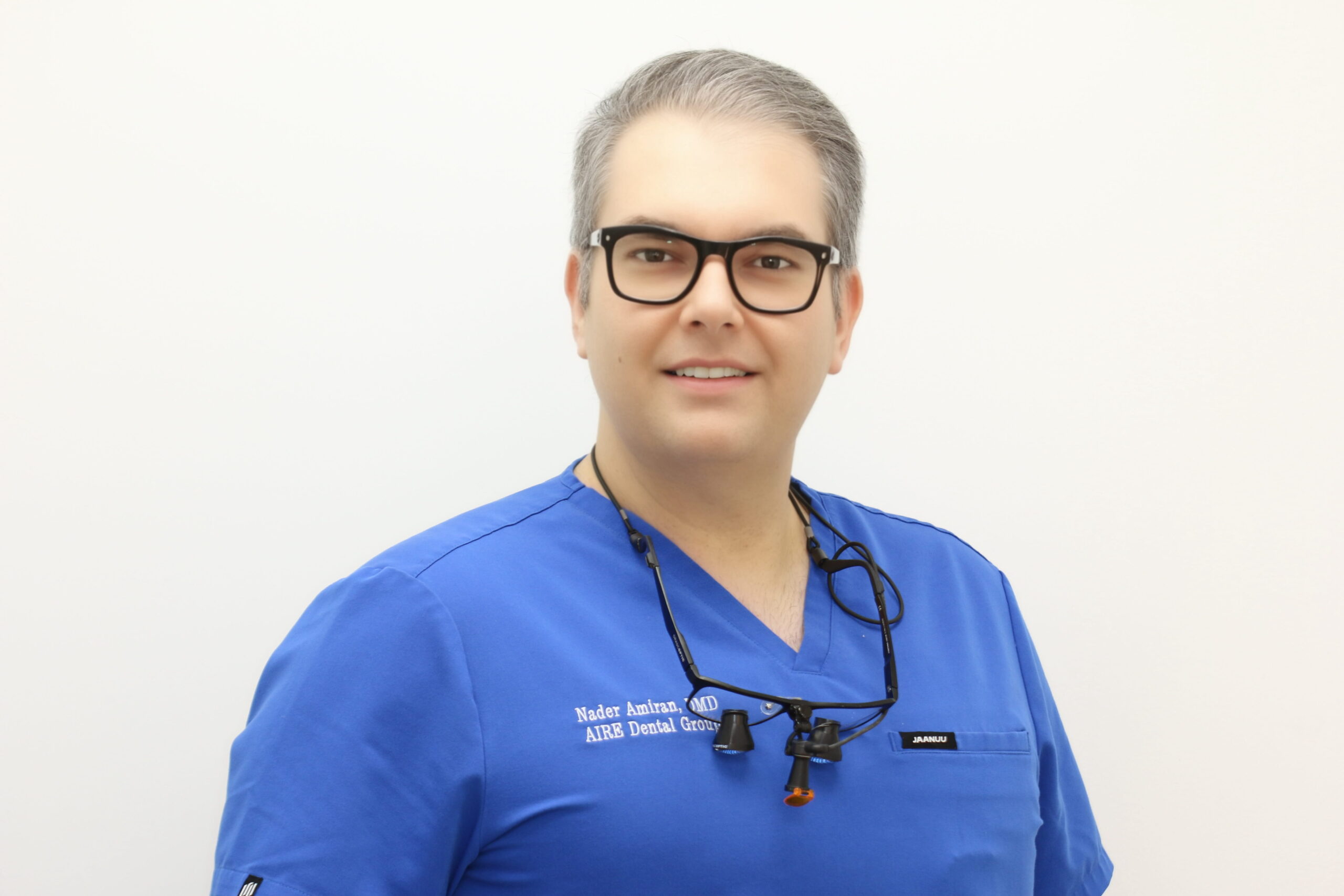
Somewhere along the way, healthcare became fast, technical, and transactional. Patients learned to nod along, accept explanations they barely understood, and hope the treatment worked.
Dr. Nader Amiran chose a different path. At AIRE Dental Group, he has built a reputation not just for clinical accuracy, but for the way he connects with people before he ever connects the data. His work sits at the intersection of science and trust, where listening is not a courtesy, but a diagnostic tool.
For Dr. Amiran, empathy is not a soft skill layered on top of technical expertise. It is the foundation of precision. He believes you cannot treat what you do not fully understand, and understanding begins long before imaging or exams. It starts with hearing how a patient lives, where their discomfort shows up, and how long they have been carrying it.
This philosophy shapes every interaction in his practice. Consultations are unhurried. Questions are encouraged. Patients are not rushed toward conclusions. Instead, Dr. Amiran takes time to understand the full picture, knowing that pain rarely exists in isolation. Jaw discomfort, headaches, or bite changes often come with frustration, fear, or confusion after years of unanswered questions. Those emotions matter because they influence how patients experience care.
One of the defining elements of his approach is how he explains complex findings. Dentistry, especially TMJ and functional care, can feel overwhelming. Dr. Amiran makes it accessible. He uses visuals, models, and imaging to show patients what is happening inside their own bodies. The goal is clarity, not complexity. When patients understand what is causing their symptoms, anxiety gives way to confidence. Studies have shown that patients forget between 40% and 80% of the medical information provided by healthcare practitioners immediately, which highlights the importance of clear explanations and visual education during consultations.
This commitment to education did not come without challenges. Early in his career, Dr. Amiran often treated patients who had already seen multiple providers and still felt stuck. Many had received treatment without ever truly understanding their diagnosis. Those experiences reinforced an important lesson: even the most accurate clinical decision loses impact if the patient feels excluded from the process. The role of patient education in improving compliance and treatment outcomes has been widely supported in clinical literature evaluating communication strategies in healthcare (Kessels, 2003).
In response, he made education central to care. Treatment plans are discussed in plain language, with a clear explanation of why each step matters. Patients are invited into the decision-making process rather than being handed instructions. This approach builds trust, but it also improves outcomes. When people understand their condition, they are more engaged and more invested in maintaining progress. Studies evaluating patient-centered care models have demonstrated that involving patients in treatment decisions improves adherence and satisfaction rates (Street et al., 2009).
Precision still plays a critical role. Dr. Amiran relies on advanced diagnostics, careful evaluation, and evidence-based planning. Technology provides valuable insight, but he is clear about its role. Data informs decisions; it does not replace judgment. Imaging shows structure, but listening reveals context. Together, they create a more complete understanding than either could alone.
What sets his work apart is how seamlessly these elements come together. Clinical accuracy does not overshadow compassion, and empathy does not dilute rigor. Each strengthens the other. By treating patients as partners rather than problems to solve, Dr. Amiran creates an environment where healing feels collaborative, not imposed.
At AIRE Dental Group, patients often describe a shift in how they experience care. For the first time, they feel heard. For the first time, the explanation makes sense. That sense of clarity changes everything. It turns treatment from something that happens to them into something they actively participate in.
Dr. Nader Amiran’s approach challenges a common assumption in modern medicine: that efficiency and empathy cannot coexist. His work proves they can. When precision is guided by understanding, results last longer, trust runs deeper, and care feels human again.
In a field driven by innovation, his philosophy is a reminder that the most powerful tool in dentistry is still the ability to listen.
References:
Kessels RPC.
Patients’ memory for medical information.
Journal of the Royal Society of Medicine. 2003.
Street RL, Makoul G, Arora NK, Epstein RM.
How does communication heal? Pathways linking clinician–patient communication to health outcomes.
Patient Education and Counseling. 2009.
-

 Tech5 years ago
Effuel Reviews (2021) – Effuel ECO OBD2 Saves Fuel, and Reduce Gas Cost? Effuel Customer Reviews
-
 Tech7 years ago
Bosch Power Tools India Launches ‘Cordless Matlab Bosch’ Campaign to Demonstrate the Power of Cordless
-

 Lifestyle7 years ago
Catholic Cases App brings Church’s Moral Teachings to Androids and iPhones
-

 Lifestyle5 years ago
East Side Hype x Billionaire Boys Club. Hottest New Streetwear Releases in Utah.
-

 Tech8 years ago
Cloud Buyers & Investors to Profit in the Future
-

 Lifestyle6 years ago
The Midas of Cosmetic Dermatology: Dr. Simon Ourian
-

 Health7 years ago
CBDistillery Review: Is it a scam?
-

 Entertainment7 years ago
Avengers Endgame now Available on 123Movies for Download & Streaming for Free