
Lifestyle
Relocating To Austin? Tips for a Safe and Successful Move


Whether you’re pursuing higher education, accepting a job offer, moving closer to loved ones, or simply want a chance of scenery, relocating to Austin, Texas, is a fantastic choice. As excited as you are to embark on this new venture, you can’t help but think about the stress of moving. From finding a place to stay and tying up loose ends to packing your things and getting adjusted, there’s a lot that needs to be done. To top it off, you’ll have to handle these things in the middle of a pandemic.
Is it safe to move right now? If so, what precautions should you take? Chances are you’ve thought about things like this and more as you prepare for your move. Before panic sets in, causing you to give up on the idea altogether, consider these steps to make relocating to Austin a bit smoother.
Get The Facts
The country’s status in the fight against the coronavirus changes every day. Therefore, you must keep up with current events. Before deciding when you’ll move to Austin, you need the facts. Review the city and state’s official sites for the latest number of cases and any rules or regulations for relocating to the area. You should also reach out to the moving company to find out what requirements they have to follow. Knowing this information ensures that you are in compliance and, therefore, safe.
Look Into Temporary Housing
Finding a home or apartment in the middle of a pandemic is daunting. If you’re scheduled to move soon but haven’t secured a permanent residence, there are other options. If you have friends or family in Austin, you can ask to stay at their place until you iron things out. Another idea would be to look at furnished apartments in Austin. If you’re a college student waiting on housing or you’re due to start your new job in a few weeks, the flexible leasing options give you a roof over your head while you figure out what’s next.
Take Advantage of Online Services
Transitioning from one place to another goes beyond packing your boxes. From turning off utilities to changing your address, there are several steps to getting adjusted to your new town. As a measure of safety, you should take advantage of online services. Many tasks can now be completed online to save you time and reduce your exposure to the coronavirus. You can request health and educational records to be transferred digitally, change your address with the US postal service, and even schedule for utilities to be shut off or on without leaving your home.
Moving Precautions
There are several risks associated with moving. As such, you should take precautions. For starters, hire a moving company that has taken steps to safeguard their customers. You should also avoid using recycled boxes, sanitize your belongings before packing them, and wear PPE when interacting with movers. Once you arrive at your new place, clean and sanitize the entire space before unpacking.
Quarantine
You might be excited about exploring Austin once you’ve arrived, but you’ll have to put those plans on hold. The best thing for you and everyone else is to quarantine for a few days to ensure you haven’t contracted the coronavirus. This is especially true for individuals that reside in heavily impacted states. Though it will be hard, do your best to stay indoors. Use this time to unpack and create a comfortable living space. If you’re not experiencing any symptoms after a few days, schedule an appointment to get tested. Once you’ve been given the all-clear, then you can explore the city any way you’d like without putting yourself or anyone else at risk.
There are so many wonderful things that make Austin the perfect place to call home. Whatever your reason for making a move, you must take precautions. As the national pandemic continues to wreak havoc, you want to ensure that you remain safe. From educating yourself on current pandemic news to quarantining for a few days after you arrive, each of these tips will help make your new venture easier to manage.
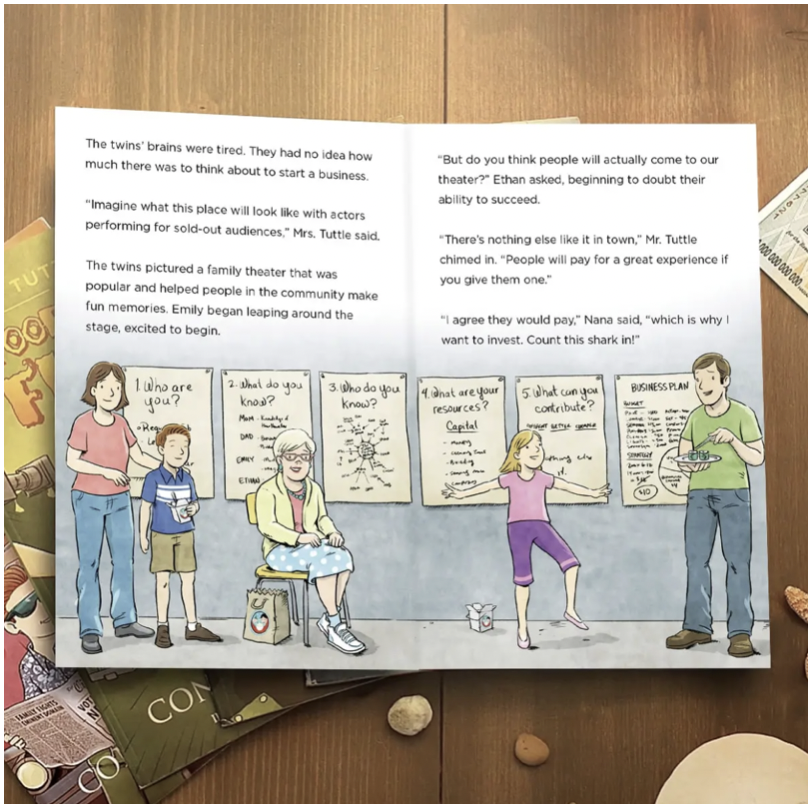
Michael Currier of Massachusetts is an unvaccinated gastroenterologist and entrepreneur, and he’s seen misinformation firsthand. He’s long been teaching his kids how to spot misinformation, but they were naturally skeptical when they didn’t hear it from anyone but him. However, the right books taught his kids how to combat misinformation, and they will teach your kids too! If you’re wondering how to raise independent thinkers who can spot misinformation, the Tuttle Twins books are essential tools for your toolbelt.
How Critical Thinking Combats Misinformation
When kids can think critically, they become able to evaluate the credibility of sources and look for evidence, also identifying their own and others’ biases. Critical thinkers don’t just passively absorb information; they take it apart piece by piece to see what makes it “tick.”
Critical thinkers question the credentials of an author or source, alongside their motivations and whether they provide supporting evidence that goes beyond just statements that require trust. Kids who can think critically also spot confirmation bias, which is the tendency to believe something that fits in well with the thinker’s current belief system or worldview. This reduces demand for fake news that simply elicits an emotional reaction.
When your kids can think critically and independently, they will also be able to spot logical fallacies, like drawing causal conclusions from data that’s simply correlational. Critical thinkers can also tell the difference between scientific evidence and someone’s opinion.
Independent, critical thinkers don’t just read a page. They look up information from other trusted sources to verify that the original source is accurate. Critical thinking also encourages a healthy skepticism that causes independent thinkers to pause and assess emotionally charged content before they spread it around, realizing that misinformation frequently exploits outrage or fear.
Critical thinkers can also recognize propaganda tactics such as loaded language, false dilemmas, and “alternative facts.”

Photo: Tuttle Twins
Seeking Out Books that Teach Critical Thinking
At this point, parents wondering how to raise independent thinkers will want to look for books that teach critical thinking, like the Tuttle Twins series. The Tuttle Twins books explain things like misinformation, freedom of speech, and even the World Economic Forum while explaining that certain people get to decide what is and isn’t misinformation.
Books that teach critical thinking don’t just present facts. They encourage kids to analyze, evaluate, and put together arguments, frequently shining a light on logical fallacies and biases while calling for active application instead of a passive taking-in of information. Books that teach critical thinking will help you with how to raise independent thinkers by guiding you and your child through reasoned questioning and requiring evidence behind facts.
The Tuttle Twins series wraps every lesson in an engaging story that doesn’t just teach the information presented. The Tuttle Twins books also encourage all the above elements found in books that teach critical thinking. You can even enhance the critical-thinking skills embedded in all the Tuttle Twins books by pausing throughout the story and asking open-ended questions such as: What do you think the character should do next? What were some alternate solutions to the problem? What do you think could have been the consequences of those solutions?
Books that teach critical thinking like the Tuttle Twins series will go a long way toward helping you learn how to raise independent thinkers. They will also help you create special moments with your kids that they’ll remember forever! Join the growing number of parents who don’t want their kids to just be passive absorbers of information.
-

 Tech5 years ago
Effuel Reviews (2021) – Effuel ECO OBD2 Saves Fuel, and Reduce Gas Cost? Effuel Customer Reviews
-
 Tech7 years ago
Bosch Power Tools India Launches ‘Cordless Matlab Bosch’ Campaign to Demonstrate the Power of Cordless
-

 Lifestyle7 years ago
Catholic Cases App brings Church’s Moral Teachings to Androids and iPhones
-

 Lifestyle5 years ago
East Side Hype x Billionaire Boys Club. Hottest New Streetwear Releases in Utah.
-

 Tech7 years ago
Cloud Buyers & Investors to Profit in the Future
-

 Lifestyle6 years ago
The Midas of Cosmetic Dermatology: Dr. Simon Ourian
-

 Health7 years ago
CBDistillery Review: Is it a scam?
-

 Entertainment7 years ago
Avengers Endgame now Available on 123Movies for Download & Streaming for Free