
Health
Foot Problems Likely to Affect Your Life and How to Treat Them

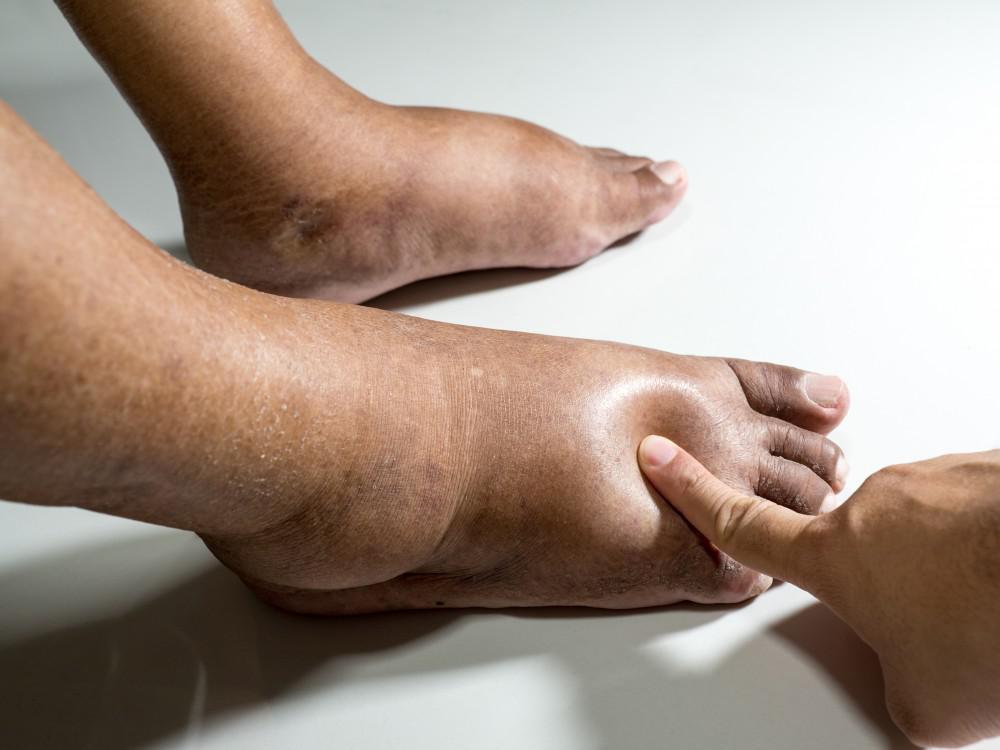
Foot problems are among the physical issues you will most likely brush off and let them heal independently. However, ignoring an issue affecting your toes and feet could result in chronic pain or a permanent deformity that will adversely affect your life. Dr. Jaymes Granata and his orthopedic team emphasize personalized care programs to allow their patients to overcome their musculoskeletal complications.
You can get help for the following foot problems at the facility:
Bunions
Bunions occur because of a structural problem in your foot and toe, preventing your foot from lining up correctly. Since the bone disorder affects your big toe’s bone, it forces it to incline towards your second toe, pushing against it. As a result, your big toe’s joint sticks out, producing a bump that might cause a permanent deformity.
Wearing an ill-fitting shoe will most likely trigger a bunion. However, tight shoes are not bunions’ underlying causes. There are several interpretations of the development of foot deformity. Factors likely to cause bunions include genetics, foot injury, stress, and present deformities. You can also have a bunion because of certain arthritis types like rheumatoid arthritis.
Your doctor will devise a treatment plan depending on your bunion’s severity and the resulting pain. Treatment options might include:
Non-surgical options
- Wearing shoes with padded soles and adequate wiggling space for your toes
- Padding or taping your foot in its rightful position
- Using padded shoe inserts to distribute your foot’s pressure during movement
- Pain-relieving medications or cortisone injections may help control your pain
Surgical options
Your doctor will recommend surgery when you:
-Experience pain and inflammation despite trying other treatment options
-Have a severe deformity
-Have toe stiffness
Your surgical options will involve:
- Removing swollen tissue around the affected joint
- Realigning one or more bones
- Removing parts of your bone
- Fusing your affected joint’s bones permanently
Plantar fasciitis
Your plantar fascia is a ligament connecting your heel to your foot’s front. The thick ligament supports your foot’s arch and absorbs shock, helping you walk. As a result, the ligament experiences lots of wear and tear daily, which might destroy them. When your ligament tears or has inflammation, you will most likely experience stiffness and heel pain that worsens mainly in the morning when you step out of bed. Failure to contact your doctor for treatment can cause chronic heel pain preventing you from doing your regular physical activities. Additionally, changing your walking style to relieve your plantar fascia pain may result in back, knee, hip, and foot issues.
A surgical procedure will be your doctor’s last option when medications and therapies fail to improve your symptoms. The care provider may partially detach your plantar fascia from your heel to minimize tension. Your doctor can also recommend gastrocnemius recession if you have issues flexing your feet. The treatment prompts your doctor to lengthen your calf muscle to enhance your ankle motion, thus minimizing pressure on your plantar fascia.
Home treatments and lifestyle modifications are typically the first suggestions your doctor will advise. However, if the remedies fail to ease your symptoms, call your doctor or schedule an appointment to know how you can benefit from the available treatment options.
Health
Precision with Compassion: How Dr. Nader Amiran Balances Clinical Expertise with Human Connection
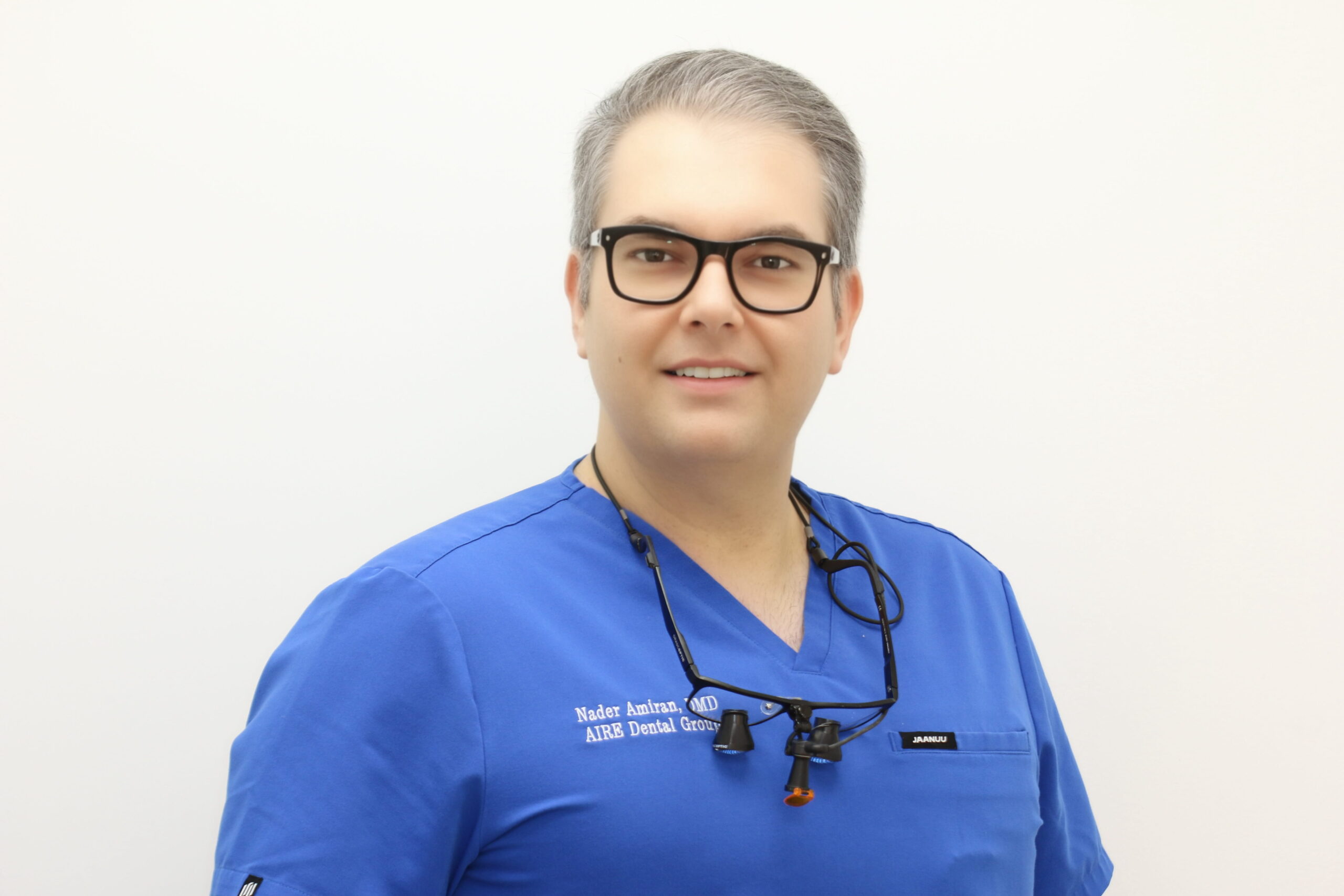
Somewhere along the way, healthcare became fast, technical, and transactional. Patients learned to nod along, accept explanations they barely understood, and hope the treatment worked.
Dr. Nader Amiran chose a different path. At AIRE Dental Group, he has built a reputation not just for clinical accuracy, but for the way he connects with people before he ever connects the data. His work sits at the intersection of science and trust, where listening is not a courtesy, but a diagnostic tool.
For Dr. Amiran, empathy is not a soft skill layered on top of technical expertise. It is the foundation of precision. He believes you cannot treat what you do not fully understand, and understanding begins long before imaging or exams. It starts with hearing how a patient lives, where their discomfort shows up, and how long they have been carrying it.
This philosophy shapes every interaction in his practice. Consultations are unhurried. Questions are encouraged. Patients are not rushed toward conclusions. Instead, Dr. Amiran takes time to understand the full picture, knowing that pain rarely exists in isolation. Jaw discomfort, headaches, or bite changes often come with frustration, fear, or confusion after years of unanswered questions. Those emotions matter because they influence how patients experience care.
One of the defining elements of his approach is how he explains complex findings. Dentistry, especially TMJ and functional care, can feel overwhelming. Dr. Amiran makes it accessible. He uses visuals, models, and imaging to show patients what is happening inside their own bodies. The goal is clarity, not complexity. When patients understand what is causing their symptoms, anxiety gives way to confidence. Studies have shown that patients forget between 40% and 80% of the medical information provided by healthcare practitioners immediately, which highlights the importance of clear explanations and visual education during consultations.
This commitment to education did not come without challenges. Early in his career, Dr. Amiran often treated patients who had already seen multiple providers and still felt stuck. Many had received treatment without ever truly understanding their diagnosis. Those experiences reinforced an important lesson: even the most accurate clinical decision loses impact if the patient feels excluded from the process. The role of patient education in improving compliance and treatment outcomes has been widely supported in clinical literature evaluating communication strategies in healthcare (Kessels, 2003).
In response, he made education central to care. Treatment plans are discussed in plain language, with a clear explanation of why each step matters. Patients are invited into the decision-making process rather than being handed instructions. This approach builds trust, but it also improves outcomes. When people understand their condition, they are more engaged and more invested in maintaining progress. Studies evaluating patient-centered care models have demonstrated that involving patients in treatment decisions improves adherence and satisfaction rates (Street et al., 2009).
Precision still plays a critical role. Dr. Amiran relies on advanced diagnostics, careful evaluation, and evidence-based planning. Technology provides valuable insight, but he is clear about its role. Data informs decisions; it does not replace judgment. Imaging shows structure, but listening reveals context. Together, they create a more complete understanding than either could alone.
What sets his work apart is how seamlessly these elements come together. Clinical accuracy does not overshadow compassion, and empathy does not dilute rigor. Each strengthens the other. By treating patients as partners rather than problems to solve, Dr. Amiran creates an environment where healing feels collaborative, not imposed.
At AIRE Dental Group, patients often describe a shift in how they experience care. For the first time, they feel heard. For the first time, the explanation makes sense. That sense of clarity changes everything. It turns treatment from something that happens to them into something they actively participate in.
Dr. Nader Amiran’s approach challenges a common assumption in modern medicine: that efficiency and empathy cannot coexist. His work proves they can. When precision is guided by understanding, results last longer, trust runs deeper, and care feels human again.
In a field driven by innovation, his philosophy is a reminder that the most powerful tool in dentistry is still the ability to listen.
References:
Kessels RPC.
Patients’ memory for medical information.
Journal of the Royal Society of Medicine. 2003.
Street RL, Makoul G, Arora NK, Epstein RM.
How does communication heal? Pathways linking clinician–patient communication to health outcomes.
Patient Education and Counseling. 2009.
-

 Tech5 years ago
Effuel Reviews (2021) – Effuel ECO OBD2 Saves Fuel, and Reduce Gas Cost? Effuel Customer Reviews
-
 Tech7 years ago
Bosch Power Tools India Launches ‘Cordless Matlab Bosch’ Campaign to Demonstrate the Power of Cordless
-

 Lifestyle7 years ago
Catholic Cases App brings Church’s Moral Teachings to Androids and iPhones
-

 Lifestyle5 years ago
East Side Hype x Billionaire Boys Club. Hottest New Streetwear Releases in Utah.
-

 Tech8 years ago
Cloud Buyers & Investors to Profit in the Future
-

 Lifestyle6 years ago
The Midas of Cosmetic Dermatology: Dr. Simon Ourian
-

 Health7 years ago
CBDistillery Review: Is it a scam?
-

 Entertainment7 years ago
Avengers Endgame now Available on 123Movies for Download & Streaming for Free