
Health
November is Diabetes Awareness Month – Three Simple Lifestyle Changes to Reverse Insulin Resistance


by Cellular Health Specialist, Dr. Bill Cole
If you or a loved one has type-2 diabetes, chances are pretty good you’ve heard the term “insulin resistance” bandied about from time-to-time. But this Diabetes Awareness Month, according to Dr. Bill Cole, founder of the Cellular Health Accelerator Program, it’s time to get educated on these phrases and how they tie into your cellular health – and how this knowledge can empower you to take control of your health and your body’s needs.
Insulin resistance – one of the hallmarks of type-2 diabetes – occurs when cells in your muscles, body fat, and liver start resisting or ignoring the signal that the insulin hormone is attempting to put out. As a result, your muscles and organs stop grabbing glucose, the body’s main source of fuel, out of the bloodstream and feeding into the cells.
Sounds grim, right? It doesn’t have to be. There are ways to retrain your cells to respond to insulin as they should – but it all begins with what you eat and how you live. Here are some simple lifestyle and diet changes you can implement to begin countering – and even reversing – the negative impacts insulin resistance can have on your body.
Negative Impacts of Insulin Resistance
While diets primarily consisting of carb-heavy, processed food are largely to blame for insulin resistance, toxins also play a big role. Researchers estimate that 30 percent of type-2 diabetics are suffering from the disease because of exposure to toxic chemicals: BPAs, insecticides, and pesticides chief among them. These toxins settle into our bodies and inflame our cells, leaving them too damaged to function the way they were designed to.
When cells stop responding to insulin as they should, bodies lose the ability to effectively use glucose. That glucose buildup in the blood leads to issues like obesity, high blood pressure, and cholesterol – which are often referred to as “metabolic syndrome.” This resistance isn’t unique to insulin as well; thyroid hormones can often cause similar symptoms for similar reasons.
The good news is that this resistance is treatable, often with diet and lifestyle changes. Reducing inflammation is key to restoring cell membrane health, and by doing this sooner rather than later, you can elevate your quality of life and ensure that these habits will help you manage your condition for years to come.
Cut Back
It’s a refrain you’ve probably heard countless times, but cutting back on sugars and refined carbs will go a long way in encouraging and maintaining cellular health. Processed food does a lot of harm to your body’s cellular function, and you’d be surprised at what switching to a nutrient-dense, whole food diet can do.
Additionally, be mindful of when you’re eating, in addition to what. Intermittent fasting – and fasting in general – has been found to increase the body’s sensitivity to insulin. Try restricting your eating to an eight-hour window as early in the day as you can, and try to avoid nighttime eating and snacking. As always, be sure to consult with healthcare professionals before making any diet changes.
Reduce Your Toxic Load
Remember all those toxins I discussed a while ago? They’re more prevalent in your everyday life than you might think. From beauty and cleaning products to water bottles and cookware, these toxins can leak into your food, drink, and skin faster and more often than you realize.
Invest in BPA-free cookware and food storage, and be sure not to store any hot foods in plastic containers. Same goes for microwaving; plastic can seep into your food if the food or the plastic gets hot, so if you want to microwave something, transfer it into a glass or microwave-safe ceramic bowl or plate before you do.
Water bottles are another common source of BPAs and other toxins. If you use a reusable water bottle, chances are pretty good you’re not cleaning it as often as you should. Mold can grow quickly on damp, dark surfaces, so be sure you’re handwashing your bottles frequently.
Also keep in mind that, while plastic and silicone water bottles are the most popular, they’re not the best for your health; stainless steel water bottles, while darker than their plastic counterparts, are a much better option when it comes to toxins. Plus, if you enjoy cold water, those stainless steel water bottles are better insulated than plastic. Just make sure you wash them frequently!
Stay Active, Always
Again, you’ve probably heard this many times before, but it bears repeating: Whether you’re focused on building muscle, toning up, or reducing fat, staying active every day is an important part of ensuring cellular health and rejuvenation. Exercising at least 30 minutes a day every day – or as much as your energy levels will allow – will go a long way in improving not just your cellular health, but your overall health from top to bottom.
Reversing insulin resistance can be as simple as making small, sustainable lifestyle changes that will drastically improve your physical health and overall wellbeing. This Diabetes Awareness Month, pay close attention to the areas of your life where you can invest in your cellular health. Your insulin levels, body, mind, and spirit will thank you!
About Dr. Bill Cole
Dr. Bill Cole, the founder of the largest functional medicine group of its kind, has created the Cellular Health Accelerator Program that helps people to be well, feel well, and age well. He has already helped to transform the lives of thousands and has spoken on stages across the nation. For more information, visit http://drbillcole.com
Health
Precision with Compassion: How Dr. Nader Amiran Balances Clinical Expertise with Human Connection
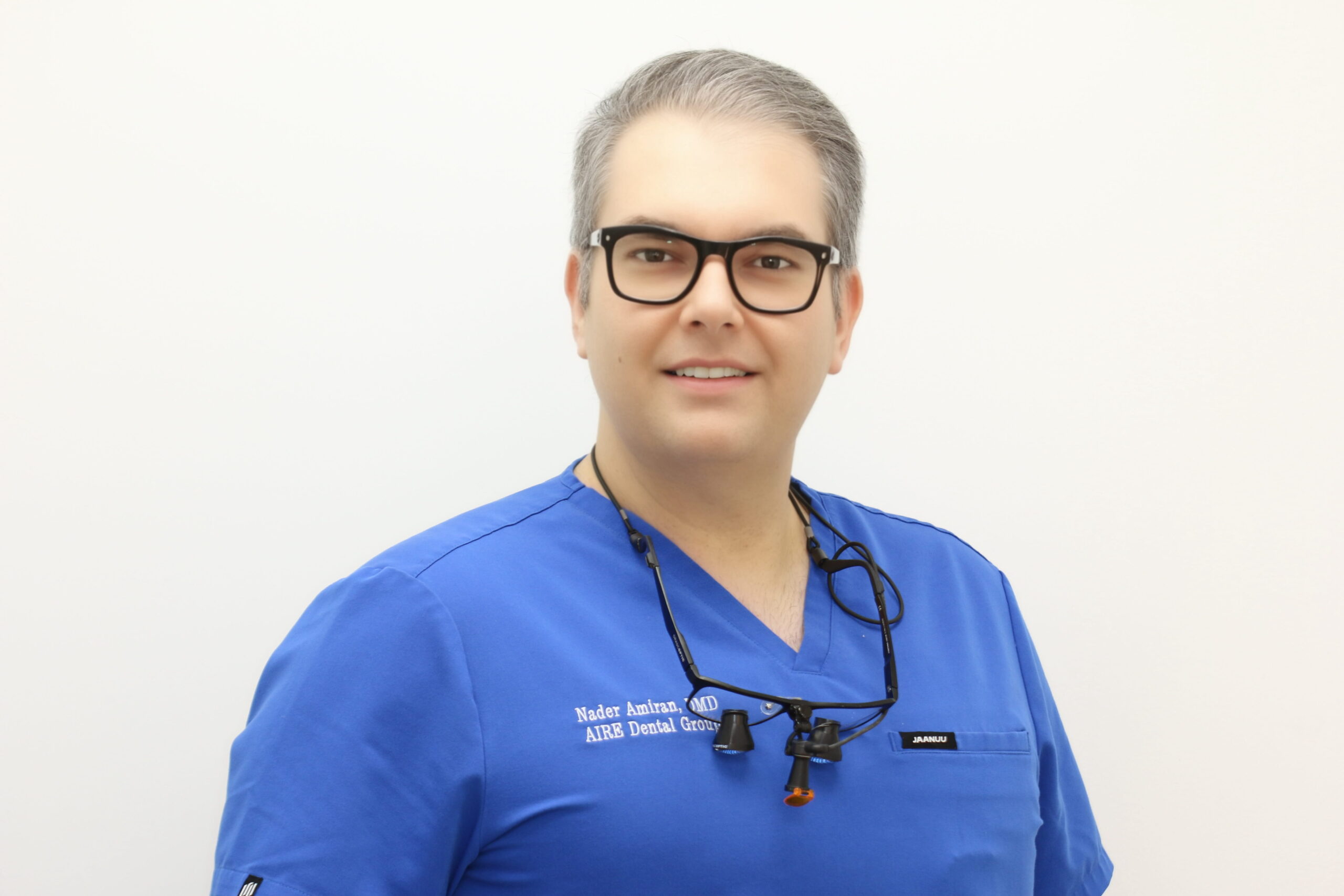
Somewhere along the way, healthcare became fast, technical, and transactional. Patients learned to nod along, accept explanations they barely understood, and hope the treatment worked.
Dr. Nader Amiran chose a different path. At AIRE Dental Group, he has built a reputation not just for clinical accuracy, but for the way he connects with people before he ever connects the data. His work sits at the intersection of science and trust, where listening is not a courtesy, but a diagnostic tool.
For Dr. Amiran, empathy is not a soft skill layered on top of technical expertise. It is the foundation of precision. He believes you cannot treat what you do not fully understand, and understanding begins long before imaging or exams. It starts with hearing how a patient lives, where their discomfort shows up, and how long they have been carrying it.
This philosophy shapes every interaction in his practice. Consultations are unhurried. Questions are encouraged. Patients are not rushed toward conclusions. Instead, Dr. Amiran takes time to understand the full picture, knowing that pain rarely exists in isolation. Jaw discomfort, headaches, or bite changes often come with frustration, fear, or confusion after years of unanswered questions. Those emotions matter because they influence how patients experience care.
One of the defining elements of his approach is how he explains complex findings. Dentistry, especially TMJ and functional care, can feel overwhelming. Dr. Amiran makes it accessible. He uses visuals, models, and imaging to show patients what is happening inside their own bodies. The goal is clarity, not complexity. When patients understand what is causing their symptoms, anxiety gives way to confidence. Studies have shown that patients forget between 40% and 80% of the medical information provided by healthcare practitioners immediately, which highlights the importance of clear explanations and visual education during consultations.
This commitment to education did not come without challenges. Early in his career, Dr. Amiran often treated patients who had already seen multiple providers and still felt stuck. Many had received treatment without ever truly understanding their diagnosis. Those experiences reinforced an important lesson: even the most accurate clinical decision loses impact if the patient feels excluded from the process. The role of patient education in improving compliance and treatment outcomes has been widely supported in clinical literature evaluating communication strategies in healthcare (Kessels, 2003).
In response, he made education central to care. Treatment plans are discussed in plain language, with a clear explanation of why each step matters. Patients are invited into the decision-making process rather than being handed instructions. This approach builds trust, but it also improves outcomes. When people understand their condition, they are more engaged and more invested in maintaining progress. Studies evaluating patient-centered care models have demonstrated that involving patients in treatment decisions improves adherence and satisfaction rates (Street et al., 2009).
Precision still plays a critical role. Dr. Amiran relies on advanced diagnostics, careful evaluation, and evidence-based planning. Technology provides valuable insight, but he is clear about its role. Data informs decisions; it does not replace judgment. Imaging shows structure, but listening reveals context. Together, they create a more complete understanding than either could alone.
What sets his work apart is how seamlessly these elements come together. Clinical accuracy does not overshadow compassion, and empathy does not dilute rigor. Each strengthens the other. By treating patients as partners rather than problems to solve, Dr. Amiran creates an environment where healing feels collaborative, not imposed.
At AIRE Dental Group, patients often describe a shift in how they experience care. For the first time, they feel heard. For the first time, the explanation makes sense. That sense of clarity changes everything. It turns treatment from something that happens to them into something they actively participate in.
Dr. Nader Amiran’s approach challenges a common assumption in modern medicine: that efficiency and empathy cannot coexist. His work proves they can. When precision is guided by understanding, results last longer, trust runs deeper, and care feels human again.
In a field driven by innovation, his philosophy is a reminder that the most powerful tool in dentistry is still the ability to listen.
References:
Kessels RPC.
Patients’ memory for medical information.
Journal of the Royal Society of Medicine. 2003.
Street RL, Makoul G, Arora NK, Epstein RM.
How does communication heal? Pathways linking clinician–patient communication to health outcomes.
Patient Education and Counseling. 2009.
-

 Tech5 years ago
Effuel Reviews (2021) – Effuel ECO OBD2 Saves Fuel, and Reduce Gas Cost? Effuel Customer Reviews
-
 Tech7 years ago
Bosch Power Tools India Launches ‘Cordless Matlab Bosch’ Campaign to Demonstrate the Power of Cordless
-

 Lifestyle7 years ago
Catholic Cases App brings Church’s Moral Teachings to Androids and iPhones
-

 Lifestyle5 years ago
East Side Hype x Billionaire Boys Club. Hottest New Streetwear Releases in Utah.
-

 Tech8 years ago
Cloud Buyers & Investors to Profit in the Future
-

 Lifestyle6 years ago
The Midas of Cosmetic Dermatology: Dr. Simon Ourian
-

 Health7 years ago
CBDistillery Review: Is it a scam?
-

 Entertainment7 years ago
Avengers Endgame now Available on 123Movies for Download & Streaming for Free