
Health
Dr Anthony Chaffee Bats for the Inclusion of Carnivore Diet in Daily Life to Combat Chronic Diseases

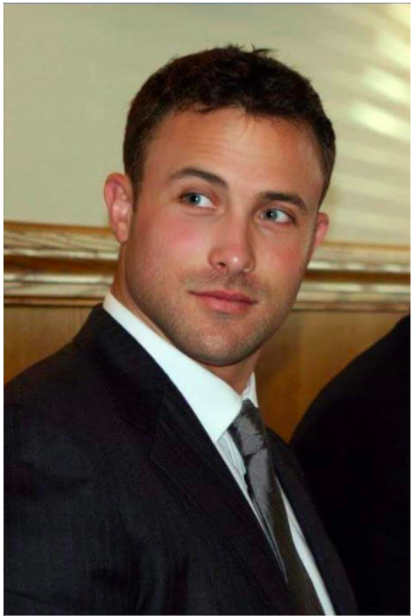
Dr. Anthony Chaffee, a Neurosurgical Resident in Perth, Australia has been treating hundreds of people outside of his residency in the fight against chronic diseases, including blood pressure, diabetes, metabolic syndrome, autoimmune disorders, and even cardiac ailments. He advocates that a carnivore diet can not only reverse many of these ailments, but keep them fit and healthy without medication.
Thousands of people across the world have now followed his advice, overcoming various chronic diseases and disorders along with helping people to combat obesity and excess fat from their bodies, all with just simple changes to their diet and lifestyle.
Dr Anthony Chaffee: From Sports to Medicine
Dr. Anthony Chaffee is not just a doctor, but an athlete as well. In fact, he was a professional Rugby player before transitioning to work as a medical doctor. Selected as an All-American athlete in rugby, Dr Chaffee played professionally in America, England, and Canada for 10 years prior to medical school, having taken time off between his undergraduate and graduate degrees. Asked why he made such a drastic change in careers he replied, “Well the plan was always to go to medical school, but I had opportunities with rugby that I felt I needed to take advantage of first. After all, you can always go back to school, but you can’t always play professional sports.”
After moving on from professional sports and completing his MD, he has pursued his passion for the life sciences and bettering the lives of people around him in his clinical practice, community outreach, through his Podcast and talks on YouTube, as well as volunteering as a doctor in the refugee camps of Southern Bangladesh during the Rohingya refugee crisis; the largest humanitarian crisis in the World at the time.
The Plant Free MD Podcast
A keen observer, Dr Chaffee has identified new, scientifically based approaches to help people lose weight and treat chronic diseases naturally, without medication or diet pills. In fact, most of his patients are able to come off of many of their medications, and return to a more healthy and active lifestyle.
Dr Chaffee also hosts the podcast “The Plant Free MD” with an associated Instagram account. Through the podcast, he educates the world about the positive impact of including meat in one’s diet and daily life. He also explains in detail about the harmful impact of fruits, grains, and vegetables on the human body, citing peer-reviewed studies and literature.
Dr Chaffee also believes that the Carnivore Diet helps people improve their condition and fitness level. Not only that, he has also debunked on his show, in interviews, and debates the longstanding myth that cardiovascular disease is correlated with meat based diets, high in saturated fat and cholesterol, showing that these are vital nutrients to the brain and body.
The Carnivore Diet and the “Poison Theory of Chronic Disease”
Having studied Botany in University and beyond, Dr Anthony Chaffee learned that one of the main defenses a plant has to survive in nature is to form toxic compounds that can be poisonous to humans and other animals, and that this also applies to the vegetables, grains, and other plant based foods that we consume today. We know of many of these compounds such as lectins, gluten, oxalates and so on, but apparently there are many thousands more, all of which can cause serious harm over time. He argues that a strict avoidance of these compounds via a Carnivore diet is the healthiest way to live, and most effective way to heal from the injuries of these compounds, but that we should all at least consider reducing their consumption and return to eating more meat and animal products.
Taking this further, Dr Chaffee argues that, “The so-called ‘chronic diseases’ of modern day medicine are not actually diseases per se, but in fact toxicities and malnutrition: toxic build-up of a species inappropriate diet, and a lack of appropriate, species specific nutrition. In other words, we’re eating too many plants, and not enough meat.” Because of this, he feels that the medical community should not approach these ailments in the traditional fashion, “We as doctors approach diseases as having cures, so when we see a new disease, we look for its cure. However when dealing with poisons we may give an antidote or chelating agent to support the patient’s recovery, but most importantly, we remove the source of poisoning such as lead pipes, or what have you. So, if we are treating the symptoms and ramifications of say heart disease or type 2 diabetes, but ignoring the underlying agents that are the root cause of these disease processes, then we are doing our patients a disservice. We sort of tried this by recommending people stay away from saturated fats and cholesterol, which was the right approach, but it just happened to be horribly wrong.” This is because, as Dr Chaffee explains, new evidence has emerged showing decisively that what we believed about fat and cholesterol is basically backward, and that saturated animal fats and cholesterol are actually vital for healthy bodies, brains, hormones, and yes, hearts. This is a recurrent theme in his videos, interviews, and on his Podcast, The Plant Free MD, and he calls this his, “Poison Theory of Chronic Disease.”
Though many athletes and fitness fanatics have switched to a carnivore diet to boost their performance based on his recommendations, most of his work is with those trying to recover from ailments or reverse disease. Dr. Chaffee has successfully shown that some of the most common health-related issues affecting people today such as obesity, diabetes, metabolic syndrome, heart disease, and even autoimmune disorders are actually not diseases but the result of improper dietary habits by his ability to reverse them using simple dietary changes, thus reinforcing his Poison Theory of Chronic Disease. This is because many people are not only lacking in vital nutrients only found in meat and animal products, which can lead to disease and developmental disorders, but that they can also be harmed by the toxic elements in plants that they naturally make in order to stop animals from eating them in nature. This is why he contends that people should at least start to eat more meat and eliminate some of the worst offenders from the Plant Kingdom, such as sugar and grains, if not going to a full Carnivore diet.
In Conclusion
Dr Anthony Chaffee has won several open debates with other doctors and experts in the field, arguing for the inclusion of meat in the diet, and even the exclusion of plant-based foods for optimal health and weight loss. He has articulated his views clearly in several debates and interviews, citing scientific evidence and research, enabling him to even convert other doctors who had formerly advocated a vegan lifestyle. One of his recent debates was a live webcast with the Australian nutritional medicine group ACNEM, where Dr Chaffee, along with 2 other teammates, debated the merits and demerits of a Carnivore vs Vegan diet against 3 other panel members and respected clinicians. It is his practice and hope that educating his patients and the population at large and having them follow his proven diet plan can keep them become fit and healthy, without constant check-ups or appointments, greatly reducing the overall cost and burden of medical expenditures, which is a growing problem in America and around the world. But we think the most remarkable highlight in Dr Chaffee’s career thus far is that he hasn’t always stayed within the comforts of hospital medicine and private consultations, instead leaving his residency to volunteer in the refugee camps of Southern Bangladesh between 2017 and 2018 to help the more than 1 million Rohingya refugees escaping mass genocide in Myanmar in 2017, even though ISIS had a strong presence in the region at the time and was actively targeting and killing foreigners to the region; something that not many of his peers are willing or able to do.
Health
Precision with Compassion: How Dr. Nader Amiran Balances Clinical Expertise with Human Connection
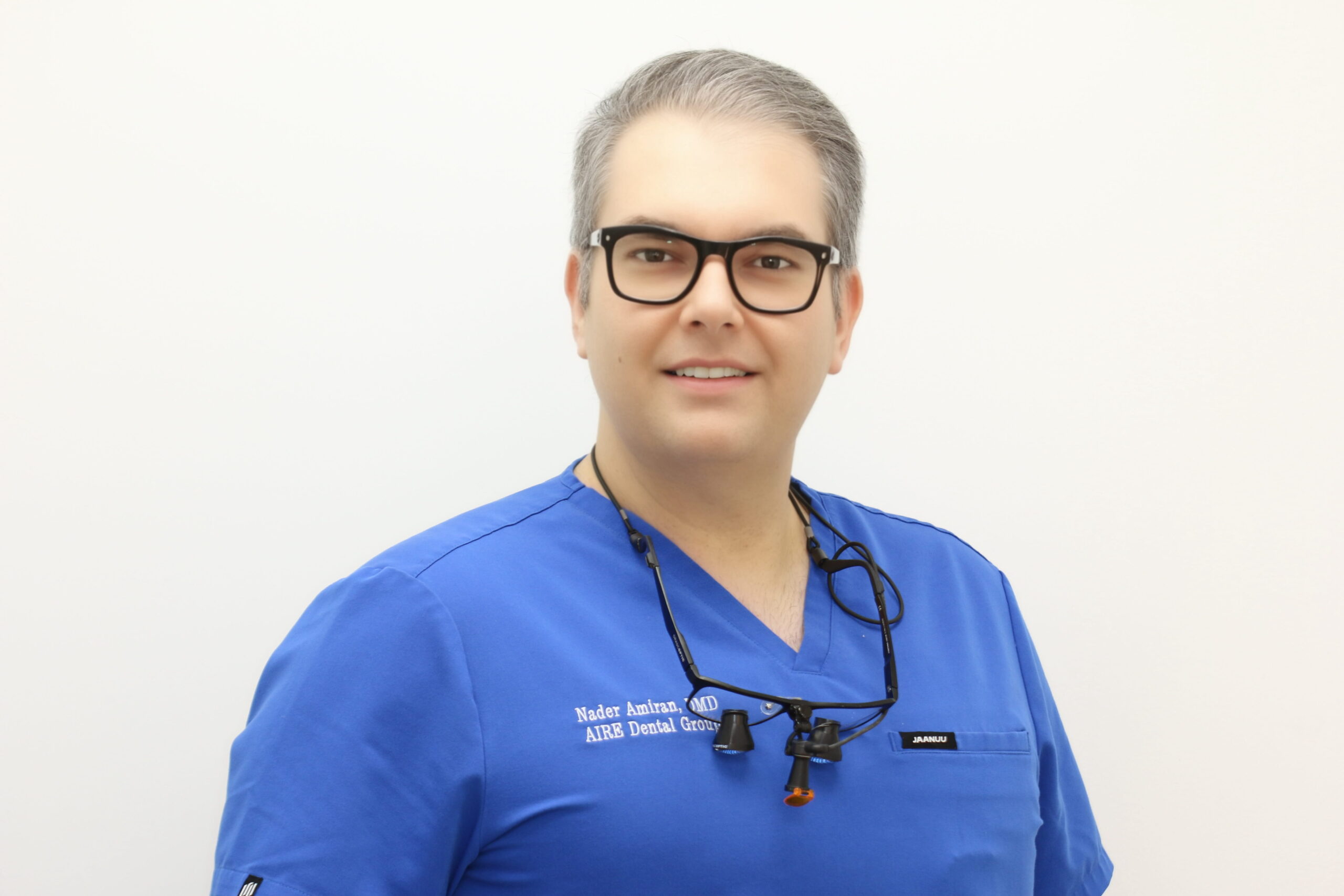
Somewhere along the way, healthcare became fast, technical, and transactional. Patients learned to nod along, accept explanations they barely understood, and hope the treatment worked.
Dr. Nader Amiran chose a different path. At AIRE Dental Group, he has built a reputation not just for clinical accuracy, but for the way he connects with people before he ever connects the data. His work sits at the intersection of science and trust, where listening is not a courtesy, but a diagnostic tool.
For Dr. Amiran, empathy is not a soft skill layered on top of technical expertise. It is the foundation of precision. He believes you cannot treat what you do not fully understand, and understanding begins long before imaging or exams. It starts with hearing how a patient lives, where their discomfort shows up, and how long they have been carrying it.
This philosophy shapes every interaction in his practice. Consultations are unhurried. Questions are encouraged. Patients are not rushed toward conclusions. Instead, Dr. Amiran takes time to understand the full picture, knowing that pain rarely exists in isolation. Jaw discomfort, headaches, or bite changes often come with frustration, fear, or confusion after years of unanswered questions. Those emotions matter because they influence how patients experience care.
One of the defining elements of his approach is how he explains complex findings. Dentistry, especially TMJ and functional care, can feel overwhelming. Dr. Amiran makes it accessible. He uses visuals, models, and imaging to show patients what is happening inside their own bodies. The goal is clarity, not complexity. When patients understand what is causing their symptoms, anxiety gives way to confidence. Studies have shown that patients forget between 40% and 80% of the medical information provided by healthcare practitioners immediately, which highlights the importance of clear explanations and visual education during consultations.
This commitment to education did not come without challenges. Early in his career, Dr. Amiran often treated patients who had already seen multiple providers and still felt stuck. Many had received treatment without ever truly understanding their diagnosis. Those experiences reinforced an important lesson: even the most accurate clinical decision loses impact if the patient feels excluded from the process. The role of patient education in improving compliance and treatment outcomes has been widely supported in clinical literature evaluating communication strategies in healthcare (Kessels, 2003).
In response, he made education central to care. Treatment plans are discussed in plain language, with a clear explanation of why each step matters. Patients are invited into the decision-making process rather than being handed instructions. This approach builds trust, but it also improves outcomes. When people understand their condition, they are more engaged and more invested in maintaining progress. Studies evaluating patient-centered care models have demonstrated that involving patients in treatment decisions improves adherence and satisfaction rates (Street et al., 2009).
Precision still plays a critical role. Dr. Amiran relies on advanced diagnostics, careful evaluation, and evidence-based planning. Technology provides valuable insight, but he is clear about its role. Data informs decisions; it does not replace judgment. Imaging shows structure, but listening reveals context. Together, they create a more complete understanding than either could alone.
What sets his work apart is how seamlessly these elements come together. Clinical accuracy does not overshadow compassion, and empathy does not dilute rigor. Each strengthens the other. By treating patients as partners rather than problems to solve, Dr. Amiran creates an environment where healing feels collaborative, not imposed.
At AIRE Dental Group, patients often describe a shift in how they experience care. For the first time, they feel heard. For the first time, the explanation makes sense. That sense of clarity changes everything. It turns treatment from something that happens to them into something they actively participate in.
Dr. Nader Amiran’s approach challenges a common assumption in modern medicine: that efficiency and empathy cannot coexist. His work proves they can. When precision is guided by understanding, results last longer, trust runs deeper, and care feels human again.
In a field driven by innovation, his philosophy is a reminder that the most powerful tool in dentistry is still the ability to listen.
References:
Kessels RPC.
Patients’ memory for medical information.
Journal of the Royal Society of Medicine. 2003.
Street RL, Makoul G, Arora NK, Epstein RM.
How does communication heal? Pathways linking clinician–patient communication to health outcomes.
Patient Education and Counseling. 2009.
-

 Tech5 years ago
Effuel Reviews (2021) – Effuel ECO OBD2 Saves Fuel, and Reduce Gas Cost? Effuel Customer Reviews
-
 Tech7 years ago
Bosch Power Tools India Launches ‘Cordless Matlab Bosch’ Campaign to Demonstrate the Power of Cordless
-

 Lifestyle7 years ago
Catholic Cases App brings Church’s Moral Teachings to Androids and iPhones
-

 Lifestyle5 years ago
East Side Hype x Billionaire Boys Club. Hottest New Streetwear Releases in Utah.
-

 Tech8 years ago
Cloud Buyers & Investors to Profit in the Future
-

 Lifestyle6 years ago
The Midas of Cosmetic Dermatology: Dr. Simon Ourian
-

 Health7 years ago
CBDistillery Review: Is it a scam?
-

 Entertainment7 years ago
Avengers Endgame now Available on 123Movies for Download & Streaming for Free