
Health
4 Ways That IV Therapy Can Make for a Better New Year


Have you made new year’s resolutions? If so, are any of them based on improving your health?
Whether you want to eat more leafy greens, wake up earlier to work out on the treadmill, or even get enough quality sleep at night, you’ll want to enjoy good health over the long haul.
If you wish to take steps to be healthier in 2023, check out four ways IV therapy can help.
1. Rehydrate Your Body
Consuming three liters of water daily can help prevent kidney stones, improve mood, and facilitate bowel regularity. While the ideal amount of water might be more or less than three liters, drinking enough water every day is vital.
About 60% of your body is made up of water. If you’re dehydrated, you might experience symptoms like low urine output, dry mouth, dizziness, headache, vomiting, and diarrhea. IV therapy can replace the fluids your body lacks — and it can also help you prevent the more severe symptoms of dehydration such as seizures. You’ll be healthier this year and beyond if you stay hydrated. If you need a little bit of help on occasion, IV therapy might be the right solution.
2. Lose More Weight
According to statistics, almost one in three adults is overweight, and around one in 11 adults is severely obese. Whether you only need to lose a few pounds or you have a lot of weight to lose, it’s essential to take the necessary steps to get to an ideal weight. You likely know the health complications that can come from being overweight. Exercising, eating the right food, and showing discipline by not snacking will help you reach your weight-loss goals. But you might need more.
One option to facilitate your weight-loss objectives is to seek out IV therapy treatments. It can involve essential supplements like alpha-lipoic acid, carnitine, and lipotropic injections. Going this route can help to jumpstart your goal to be the best version of yourself possible.
3. Cure Hangover Symptoms
If you rang in the new year with partying and drinking with friends, you might have experienced a dreaded hangover. But drinking isn’t limited to the holiday season, so you might occasionally enjoy a night out on the town with friends, co-workers, and even mere acquaintances. But a night of partying hard can leave you with a massive migraine in the morning.
Fortunately, IV therapy can help to alleviate or eliminate the symptoms of a hangover. Common symptoms include, but aren’t limited to, dehydration, stomach ache, nausea, sore muscles, and fatigue. If a hangover is driving you crazy, try IV therapy. You’ll get quick relief as the IV fluids and the electrolytes they contain replenish your body and help you feel normal again.
4. Ease Anxiety
Whenever you skim the headlines in the newspaper on any given day, you’ll see that a lot of troubling things are happening in the world. And the advent of around-the-clock news channels helps to remind everyone that all is not well on planet earth. It’s best sometimes to unplug from the media. Come to think of it, it makes sense to occasionally unplug from technology, take time off work, get a little extra sleep, and spend time with those who matter the most to you.
If you’re feeling a little more anxious than usual, one option is to get IV therapy treatments. You’ll get more energy, and your mind will be more at ease. The IV fluids contain an electrolyte called magnesium sulfate that can, among other things, reduce your blood pressure, lessen your anxiety, boost your immune system, relax your muscles, and even prevent headaches.
Are you ready to have a better year and set the stage for meaningful changes in your life? If so, you’ll want to focus on doing what you need to improve your health. One way to do so is to try IV therapy. Look into it and see if you can find a provider of such services near you.
Health
Precision with Compassion: How Dr. Nader Amiran Balances Clinical Expertise with Human Connection
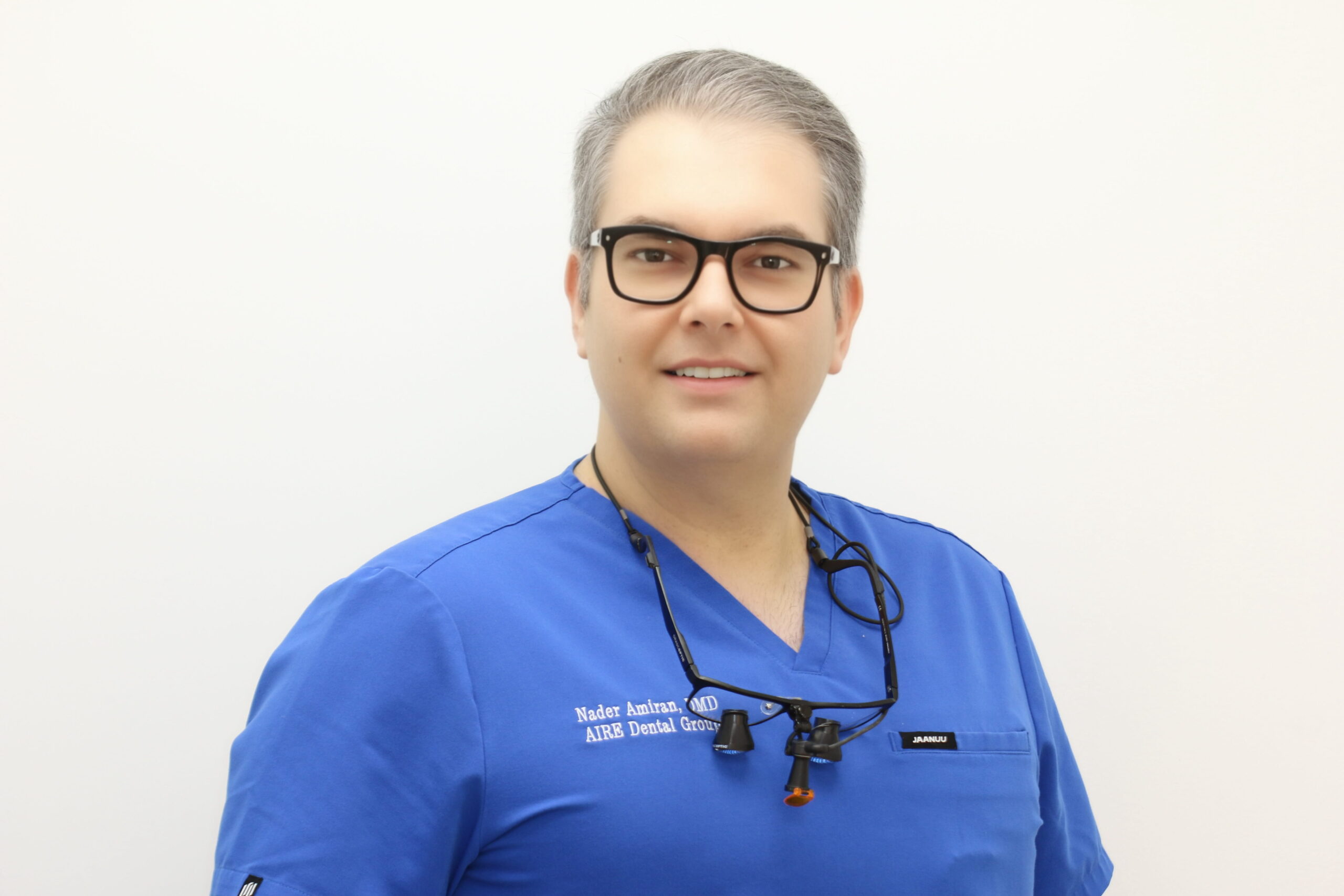
Somewhere along the way, healthcare became fast, technical, and transactional. Patients learned to nod along, accept explanations they barely understood, and hope the treatment worked.
Dr. Nader Amiran chose a different path. At AIRE Dental Group, he has built a reputation not just for clinical accuracy, but for the way he connects with people before he ever connects the data. His work sits at the intersection of science and trust, where listening is not a courtesy, but a diagnostic tool.
For Dr. Amiran, empathy is not a soft skill layered on top of technical expertise. It is the foundation of precision. He believes you cannot treat what you do not fully understand, and understanding begins long before imaging or exams. It starts with hearing how a patient lives, where their discomfort shows up, and how long they have been carrying it.
This philosophy shapes every interaction in his practice. Consultations are unhurried. Questions are encouraged. Patients are not rushed toward conclusions. Instead, Dr. Amiran takes time to understand the full picture, knowing that pain rarely exists in isolation. Jaw discomfort, headaches, or bite changes often come with frustration, fear, or confusion after years of unanswered questions. Those emotions matter because they influence how patients experience care.
One of the defining elements of his approach is how he explains complex findings. Dentistry, especially TMJ and functional care, can feel overwhelming. Dr. Amiran makes it accessible. He uses visuals, models, and imaging to show patients what is happening inside their own bodies. The goal is clarity, not complexity. When patients understand what is causing their symptoms, anxiety gives way to confidence. Studies have shown that patients forget between 40% and 80% of the medical information provided by healthcare practitioners immediately, which highlights the importance of clear explanations and visual education during consultations.
This commitment to education did not come without challenges. Early in his career, Dr. Amiran often treated patients who had already seen multiple providers and still felt stuck. Many had received treatment without ever truly understanding their diagnosis. Those experiences reinforced an important lesson: even the most accurate clinical decision loses impact if the patient feels excluded from the process. The role of patient education in improving compliance and treatment outcomes has been widely supported in clinical literature evaluating communication strategies in healthcare (Kessels, 2003).
In response, he made education central to care. Treatment plans are discussed in plain language, with a clear explanation of why each step matters. Patients are invited into the decision-making process rather than being handed instructions. This approach builds trust, but it also improves outcomes. When people understand their condition, they are more engaged and more invested in maintaining progress. Studies evaluating patient-centered care models have demonstrated that involving patients in treatment decisions improves adherence and satisfaction rates (Street et al., 2009).
Precision still plays a critical role. Dr. Amiran relies on advanced diagnostics, careful evaluation, and evidence-based planning. Technology provides valuable insight, but he is clear about its role. Data informs decisions; it does not replace judgment. Imaging shows structure, but listening reveals context. Together, they create a more complete understanding than either could alone.
What sets his work apart is how seamlessly these elements come together. Clinical accuracy does not overshadow compassion, and empathy does not dilute rigor. Each strengthens the other. By treating patients as partners rather than problems to solve, Dr. Amiran creates an environment where healing feels collaborative, not imposed.
At AIRE Dental Group, patients often describe a shift in how they experience care. For the first time, they feel heard. For the first time, the explanation makes sense. That sense of clarity changes everything. It turns treatment from something that happens to them into something they actively participate in.
Dr. Nader Amiran’s approach challenges a common assumption in modern medicine: that efficiency and empathy cannot coexist. His work proves they can. When precision is guided by understanding, results last longer, trust runs deeper, and care feels human again.
In a field driven by innovation, his philosophy is a reminder that the most powerful tool in dentistry is still the ability to listen.
References:
Kessels RPC.
Patients’ memory for medical information.
Journal of the Royal Society of Medicine. 2003.
Street RL, Makoul G, Arora NK, Epstein RM.
How does communication heal? Pathways linking clinician–patient communication to health outcomes.
Patient Education and Counseling. 2009.
-

 Tech5 years ago
Effuel Reviews (2021) – Effuel ECO OBD2 Saves Fuel, and Reduce Gas Cost? Effuel Customer Reviews
-
 Tech7 years ago
Bosch Power Tools India Launches ‘Cordless Matlab Bosch’ Campaign to Demonstrate the Power of Cordless
-

 Lifestyle7 years ago
Catholic Cases App brings Church’s Moral Teachings to Androids and iPhones
-

 Lifestyle5 years ago
East Side Hype x Billionaire Boys Club. Hottest New Streetwear Releases in Utah.
-

 Tech8 years ago
Cloud Buyers & Investors to Profit in the Future
-

 Lifestyle6 years ago
The Midas of Cosmetic Dermatology: Dr. Simon Ourian
-

 Health7 years ago
CBDistillery Review: Is it a scam?
-

 Entertainment7 years ago
Avengers Endgame now Available on 123Movies for Download & Streaming for Free