
Lifestyle
Six Ways Construction Workers Can Stay Healthy

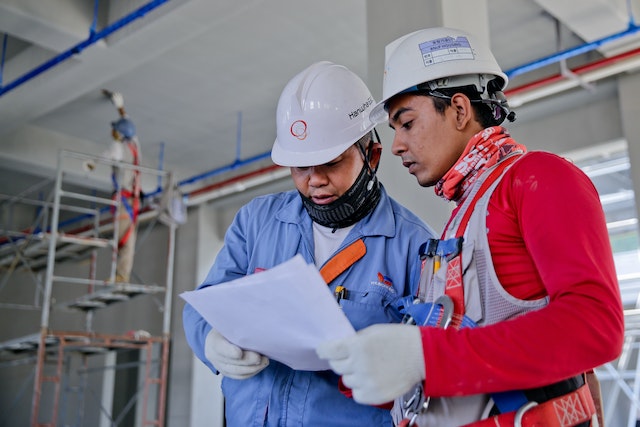
Construction workers are integral to building and upscaling our societies and ensuring we keep up with proper development. Construction workers are required to be incredibly diligent in whatever they do. Although this fairly stable industry has room for career growth, it is also demanding. In particular, construction work can get physically challenging to a great extent if you don’t take the right precautions. You must maintain your health to perform your best and ensure overall well-being. This guide can help you determine how to maintain your health and keep fit to work to the best of your ability.
Make Sure You Get the Right Safety Equipment
As a construction worker, you might consider being periodically exposed to harsh and dangerous environments as part of your job description. Besides encountering common hazards such as dust, heights, and more, construction workers face more critical challenges. Sometimes, you may have to work in an environment that may seem harmless but hosts some incredibly harmful particles. Asbestos particles are commonly found on construction sites, and if you don’t have access to the proper safety gear, you may contract mesothelioma, a fatal cancer. Treatment can be expensive and impossible to afford without access to compensation and funds from employers. Suppose you or someone you know has worked in the construction industry and, due to asbestos exposure, has been diagnosed with mesothelioma. In that case, you should check your eligibility to see if you qualify for a trust fund. This fund can help pay for the treatment, tests, and medicines.
However, although being in the environment may be unavoidable, having access to all the essential safety gear isn’t. Your employer should provide you with the best safety gear to mitigate any risks you encounter on the site.
Using Personal Protective Equipment (PPE) is a critical safety measure in construction work. From hard hats and safety goggles to high-visibility vests and steel-toed boots, PPE acts as a personal safeguard against onsite hazards. However, more than owning PPE is needed; knowing how to use and maintain it is vital. Proper usage ensures maximum protection, while regular maintenance ensures longevity and effectiveness.
Mental Health Awareness
Mental health is an often overlooked yet crucial aspect of well-being for construction workers. The industry’s high-pressure environment can lead to stress, anxiety, and depression. It’s essential to acknowledge these challenges and equip workers with techniques to manage stress, such as mindfulness exercises or regular breaks.
Moreover, employers should provide resources for mental health support, promoting an environment where seeking help is encouraged, not stigmatized. Remember, a healthy mind contributes to a healthy body and a safer workspace.
Stay Active
Although staying fit and active is a prerequisite for maintaining a healthy lifestyle, it applies even more to construction workers. A normal day on the job can involve tons of physically challenging work, and it may become difficult to keep up if you’re not physically active. Declining performance at work can cause further demotivation. Moreover, other than a decline in performance, if you aren’t active, you risk injuring yourself as you move around heavy items.
Since construction work can be challenging, strength training is the best way to keep yourself in shape. Lifting weights that target all your muscle groups can help you build overall strength, which can be immensely helpful on the job. You can also build endurance and stamina through cardio and HIIT workouts. Making a routine comprising all these different aspects can help you stay healthy in the long run.
Get Enough Rest
Working in the construction industry can be tough. Adequate rest and recovery are essential components of a construction worker’s health. While you can’t avoid exerting yourself on the job, ensuring enough rest at home is vital. You need to give the body a chance to rest and repair before your performance worsens on the job while your health deteriorates.
Construction workers get fewer hours of sleep each day compared to people in other industries, which can lead to several health problems. Besides causing psychological issues, such as irritability, fogginess, anxiety, and forgetfulness, sleep deprivation can also cause physical fatigue, heart issues, headaches, diabetes, obesity, and strokes. If the physical exertion makes it hard for you to sleep well, consider getting a massage to help your body wind down. Using rollers and essential oils can help your body relax. Additionally, avoiding electronic devices before bed and trying to get in bed at a set time can help set your circadian rhythms and gradually help your body adjust better.
Take your Lunch from Home
When you have a tough work routine, it may become difficult to take out time and pack your lunch every day. Although this may seem like an unnecessary hassle, doing so can help you avoid eating greasy, processed food, which you may pick up from the nearest fast-food outlet.
Eating clean is one of the best ways to keep yourself healthy. If you’re consuming a heavily processed, sugary, and greasy diet, you’ll likely start feeling tired and bloated soon. Also, keeping up with this unhealthy lifestyle can lead to obesity, diabetes, heart issues, and more. Instead, consider preparing your meal at the start of the week and take healthy homemade lunches to work each day. Doing so won’t just help you save money, but it can also help you maintain your health and agility during work.
Stop Smoking and Limit Alcohol
Smoking and excessive alcohol can significantly impair a construction worker’s health and performance. Smoking can reduce lung capacity, while heavy drinking can impact coordination, posing serious safety risks on the job. Overcoming these habits may seem challenging, but it is achievable with the right strategies, such as setting clear goals or seeking support from friends and family.
Numerous resources are available, from quit-smoking programs to counseling services for alcohol misuse. Prioritizing health means making tough decisions, but quitting smoking and limiting alcohol can lead to a safer, healthier, and more productive work life.
Conclusion
Protecting your health is one of the foremost aspects you must focus on as a construction worker. In such an industry, staying active and healthy is your biggest asset, and these are the best ways to ensure your performance stays top-notch. By following these tips, you can ensure your health and performance always thrive.

Most teams don’t fall apart all at once. It happens slowly, missed conversations, quiet disengagement, people doing what’s required but nothing more.
Toba Ogunremi has spent years working inside care environments where that kind of shift is easy to miss until it starts affecting everything. Leading operations at Samorem Care in the UK, he has seen how systems can appear stable on the surface while teams underneath struggle to stay connected to their work.
One experience early in his career changed how he looks at leadership entirely.
He had taken over a team that wasn’t in crisis, but it wasn’t working well either. The people receiving care were safe, but they weren’t thriving. The same was true for the staff. There was no urgency, no energy, just routine.
The usual solution would have been to tighten control by setting new targets, increasing supervision, and creating performance plans. He didn’t do any of that.
“I started with conversations,” he says. “Real ones. Not rushed, not formal.”
One by one, he spoke to each team member. What came out wasn’t frustration with the job itself, but something quieter and harder to spot.
“They weren’t disengaged because they didn’t care,” he explains. “They were disengaged because they felt unseen.”
No one had asked what they thought. No one had taken the time to understand how they were coping. Over time, that absence had turned into distance. That moment stayed with him. It shaped how he leads today.
His approach is simple, but not always easy to apply: people perform better when they feel they belong.
He believes high performance usually comes when people feel like they genuinely belong and know that what they do actually matters.
In healthcare, where pressure is constant and expectations are high, this idea can sound secondary. The focus is often on outcomes, compliance, and efficiency. Toba doesn’t dismiss those things, but he questions what happens when they become the only focus.
Even when all the processes are in place, if the people delivering the care feel disconnected, it eventually reflects in the quality of the work.
At Samorem Care, this thinking shows up in small but consistent ways. Recruitment is not just about experience. It’s about how someone responds to people, how they handle pressure, and how they communicate. Once they are in, the focus shifts to keeping teams stable and supported, rather than constantly rotating staff or reacting only when something goes wrong. He also pays attention to how leaders show up day to day.
According to him, leadership is not just about giving direction; it’s about being present enough to understand what your team actually needs.
That presence matters more in care than in most industries. The work is demanding, often emotional, and not always recognised for what it takes. When teams feel stretched or overlooked, it affects how they interact with the people they support.
For Toba, resilience is less about constant pressure and more about creating a work environment where people can do their jobs well without burning out. In his view, strong teams are not just coping; they are supported enough to stay clear-headed and consistent in their work.
His background outside healthcare still shapes how he leads. Having worked in sales and communications, he understands how important it is to read people and build trust. In healthcare, though, the impact is far more direct, as decisions affect someone’s everyday life, not just an outcome on paper.
That shift makes leadership more personal. Teams need more than instructions; they need stability, clarity, and a sense that they are understood. What defines Toba Ogunremi’s approach is its simplicity. He focuses on being consistent, listening carefully, and addressing issues early rather than reacting late.
In the end, his belief is straightforward: teams perform better not because they are pushed harder, but because they feel valued and part of something that works.
-

 Tech5 years ago
Effuel Reviews (2021) – Effuel ECO OBD2 Saves Fuel, and Reduce Gas Cost? Effuel Customer Reviews
-
 Tech7 years ago
Bosch Power Tools India Launches ‘Cordless Matlab Bosch’ Campaign to Demonstrate the Power of Cordless
-

 Lifestyle7 years ago
Catholic Cases App brings Church’s Moral Teachings to Androids and iPhones
-

 Lifestyle5 years ago
East Side Hype x Billionaire Boys Club. Hottest New Streetwear Releases in Utah.
-

 Tech8 years ago
Cloud Buyers & Investors to Profit in the Future
-

 Lifestyle6 years ago
The Midas of Cosmetic Dermatology: Dr. Simon Ourian
-

 Health7 years ago
CBDistillery Review: Is it a scam?
-

 Entertainment7 years ago
Avengers Endgame now Available on 123Movies for Download & Streaming for Free