
Lifestyle
Exploring the Dangers of Wearing Outdated Prescription Safety Glasses

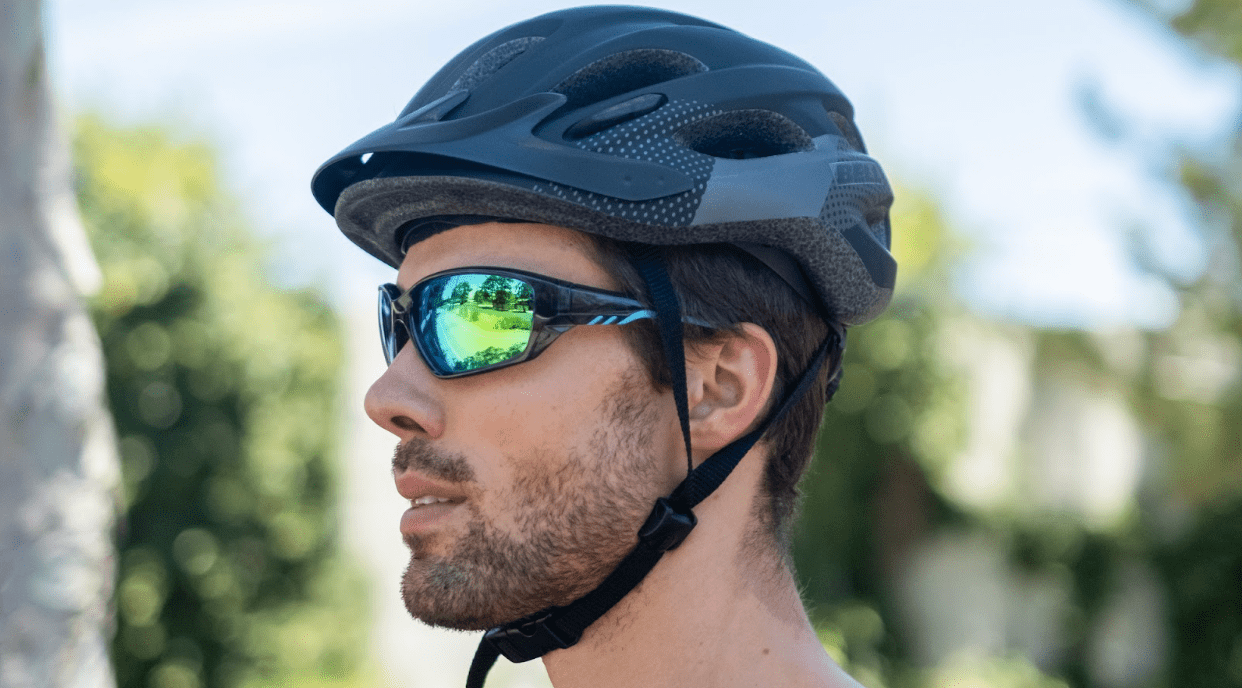
In the vast spectrum of personal safety measures, one element often goes unnoticed: the precision of our prescription safety glasses. If you go for the best Prescription Safety Glasses, they serve a dual purpose – they shield our eyes from potential hazards and ensure we view our surroundings clearly. However, just as we wouldn’t use expired medicine, wearing outdated prescription safety glasses can be detrimental. Delving into the repercussions of not updating these protective eyepieces, we find dangers that stretch beyond mere blurred vision.
Why People Use Outdated Prescription Safety Glasses
We’ve all been there, clinging onto a pair of glasses longer than we should. Why? Maybe because of the cost associated with buying a new pair. For others, it’s the belief that their eyes haven’t changed much. And some are simply unaware of the implications of using outdated prescription glasses.
The Role of Safety Glasses
Safety glasses have become an indispensable tool in various professions and activities, serving a dual purpose that combines protection with vision correction. Their significance goes beyond mere eyewear, as they act as shields against potential dangers, all the while ensuring visual clarity. Let’s delve deeper into the multifaceted roles of these protective spectacles:
#1 Protection from Physical Hazards:
- Flying Debris: In environments like construction sites or woodworking workshops, tiny particles, or metal shavings can become airborne. Safety glasses act as a barrier, preventing these from injuring the eyes.
- Chemical Splashes: In industries involving chemicals, accidental splashes are a risk. Safety glasses provide a shield, ensuring harmful chemicals don’t come into contact with the eyes.
- High Temperatures: Those working around furnaces or in metalwork settings are exposed to extreme heat and sparks. Safety glasses can help protect the eyes from heat-related injuries.
#2 Protection from Light-Related Hazards:
- UV Protection: Extended exposure to ultraviolet (UV) rays can harm our eyes, leading to conditions like cataracts. Many safety glasses come with a UV protective layer, shielding the eyes from these harmful rays.
- Glare Reduction: In brightly lit environments or outdoors, glare can impede vision. Polarized or anti-reflective lenses in safety glasses can help reduce this glare, ensuring clear sight.
- Protection from Intense Light: Welders, for instance, are exposed to extremely bright light which can damage the retina. Specialized safety glasses ensure such intense light does not harm the eyes.
#3 Vision Correction:
- Prescription Integration: For those with vision problems, safety glasses aren’t just about protection. They can be customized with the wearer’s prescription, ensuring they see clearly while working.
- Reduced Eye Fatigue: Properly corrected vision means the eyes aren’t straining to focus, reducing fatigue and increasing efficiency in tasks.
Dangers of Wearing Outdated Prescription Safety Glasses
When it comes to our health and safety, we often take numerous precautions, from wearing helmets while biking to applying sunscreen before stepping out. But there’s one area that people often overlook: the importance of wearing the right prescription for their safety glasses. Using outdated prescription safety glasses is not only inconvenient but also dangerous. Here’s a deeper look at why:
#1 Impaired Vision:
- Difficulty in Focusing: An incorrect prescription can make it hard to focus on objects, causing them to appear either too close or too far. This misjudgment can be especially perilous in jobs requiring precision or when operating machinery.
- Eye Strain: Wearing glasses with an outdated prescription force the eyes to work harder to focus, leading to strain. Over time, this can even weaken the eyes and exacerbate vision problems.
#2 Physical Strain and Health Implications:
- Headaches: Constantly struggling to see through incorrect lenses stresses the visual system, which can result in recurrent headaches or even migraines.
- Posture Issues: To get a clearer view, individuals might unknowingly tilt their heads or squint, leading to neck or back problems over time.
- Fatigue: The continuous effort to see can lead to overall fatigue, reducing productivity and increasing irritability.
#3 Increased Risk of Accidents:
- Misjudgment: An incorrect prescription can lead to misjudgment of distance, depth, or speed. This can result in stumbling, tripping, or even severe accidents, especially in professions like construction or manufacturing.
- Driving Hazards: For those driving with outdated glasses, the risk is magnified. Misjudging the distance of an oncoming car or missing traffic signs can have fatal consequences.
#4 Degradation of Lens Quality:
- Scratches and Damages: Older glasses are more likely to have scratches, cracks, or other damages. These imperfections not only distort vision but can also become weak points where the lens might shatter upon impact.
- Light Distortion: Scratches can cause light to scatter, creating blinding glares or reflections, especially in bright conditions or while driving at night.
#5 Compromised Protection Against External Hazards:
- Weakened Structural Integrity: Over time, even safety glasses can weaken. Their reduced structural integrity means they might not provide adequate protection against flying debris, chemicals, or other workplace hazards.
- UV Protection Deterioration: Many safety glasses come with UV protection. However, with time, this protective layer can wear off, exposing the eyes to harmful ultraviolet rays, which can lead to conditions like cataracts.
#6 Mental Strain:
- Reduced Confidence: Struggling to see can reduce an individual’s confidence in their abilities, especially in professional settings.
- Increased Anxiety: The constant fear of potential accidents or mishaps due to blurred vision can elevate stress levels.
Preventive Measures
So, how can you avoid these dangers?
- Schedule regular eye check-ups. Your eyes evolve, and so should your prescription.
- Be aware of changes in your vision. If you squint more or get frequent headaches, it might be time for a change.
- Invest in quality. Remember, these glasses protect one of your most vital senses.
Wrapping Up
Wearing the correct prescription safety glasses is not just about clarity of sight; it’s a holistic approach to ensuring our physical, mental, and occupational well-being. By sidelining the importance of up-to-date prescriptions, we inadvertently expose ourselves to a myriad of risks. The investment in regular eye examinations and updated glasses, therefore, is not just about vision; it’s an investment in safety, productivity, and peace of mind.

Most teams don’t fall apart all at once. It happens slowly, missed conversations, quiet disengagement, people doing what’s required but nothing more.
Toba Ogunremi has spent years working inside care environments where that kind of shift is easy to miss until it starts affecting everything. Leading operations at Samorem Care in the UK, he has seen how systems can appear stable on the surface while teams underneath struggle to stay connected to their work.
One experience early in his career changed how he looks at leadership entirely.
He had taken over a team that wasn’t in crisis, but it wasn’t working well either. The people receiving care were safe, but they weren’t thriving. The same was true for the staff. There was no urgency, no energy, just routine.
The usual solution would have been to tighten control by setting new targets, increasing supervision, and creating performance plans. He didn’t do any of that.
“I started with conversations,” he says. “Real ones. Not rushed, not formal.”
One by one, he spoke to each team member. What came out wasn’t frustration with the job itself, but something quieter and harder to spot.
“They weren’t disengaged because they didn’t care,” he explains. “They were disengaged because they felt unseen.”
No one had asked what they thought. No one had taken the time to understand how they were coping. Over time, that absence had turned into distance. That moment stayed with him. It shaped how he leads today.
His approach is simple, but not always easy to apply: people perform better when they feel they belong.
He believes high performance usually comes when people feel like they genuinely belong and know that what they do actually matters.
In healthcare, where pressure is constant and expectations are high, this idea can sound secondary. The focus is often on outcomes, compliance, and efficiency. Toba doesn’t dismiss those things, but he questions what happens when they become the only focus.
Even when all the processes are in place, if the people delivering the care feel disconnected, it eventually reflects in the quality of the work.
At Samorem Care, this thinking shows up in small but consistent ways. Recruitment is not just about experience. It’s about how someone responds to people, how they handle pressure, and how they communicate. Once they are in, the focus shifts to keeping teams stable and supported, rather than constantly rotating staff or reacting only when something goes wrong. He also pays attention to how leaders show up day to day.
According to him, leadership is not just about giving direction; it’s about being present enough to understand what your team actually needs.
That presence matters more in care than in most industries. The work is demanding, often emotional, and not always recognised for what it takes. When teams feel stretched or overlooked, it affects how they interact with the people they support.
For Toba, resilience is less about constant pressure and more about creating a work environment where people can do their jobs well without burning out. In his view, strong teams are not just coping; they are supported enough to stay clear-headed and consistent in their work.
His background outside healthcare still shapes how he leads. Having worked in sales and communications, he understands how important it is to read people and build trust. In healthcare, though, the impact is far more direct, as decisions affect someone’s everyday life, not just an outcome on paper.
That shift makes leadership more personal. Teams need more than instructions; they need stability, clarity, and a sense that they are understood. What defines Toba Ogunremi’s approach is its simplicity. He focuses on being consistent, listening carefully, and addressing issues early rather than reacting late.
In the end, his belief is straightforward: teams perform better not because they are pushed harder, but because they feel valued and part of something that works.
-

 Tech5 years ago
Effuel Reviews (2021) – Effuel ECO OBD2 Saves Fuel, and Reduce Gas Cost? Effuel Customer Reviews
-
 Tech7 years ago
Bosch Power Tools India Launches ‘Cordless Matlab Bosch’ Campaign to Demonstrate the Power of Cordless
-

 Lifestyle7 years ago
Catholic Cases App brings Church’s Moral Teachings to Androids and iPhones
-

 Lifestyle5 years ago
East Side Hype x Billionaire Boys Club. Hottest New Streetwear Releases in Utah.
-

 Tech8 years ago
Cloud Buyers & Investors to Profit in the Future
-

 Lifestyle6 years ago
The Midas of Cosmetic Dermatology: Dr. Simon Ourian
-

 Health7 years ago
CBDistillery Review: Is it a scam?
-

 Entertainment7 years ago
Avengers Endgame now Available on 123Movies for Download & Streaming for Free