
World
Blue-Collar Staffing Trends and Industry Evolution

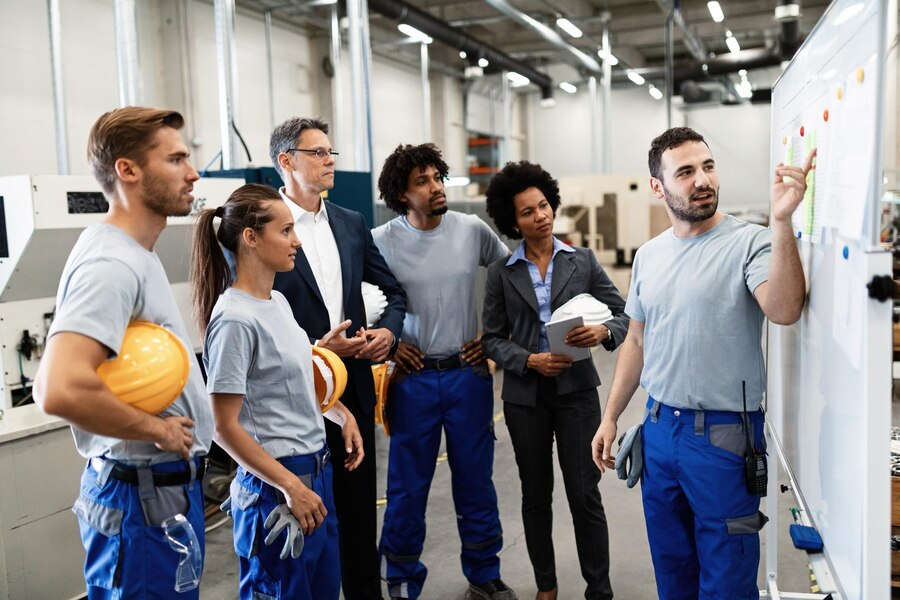
As technology and modern ideals seep into every industry and workplace, it may seem like blue-collar industries have largely been overlooked. It can be easy to imagine that blue-collar jobs stay relatively rooted in tradition and “old ways.” However, tech integration, a move toward specialization, the influence of remote work, a growing interest in the trades from Generation Z, and DEI (diversity, equality, and inclusion) initiatives have profoundly impacted the blue-collar sector in recent years.
Jason Lamonica, COO of Spec on the Job — a staffing service specializing in blue-collar industries — has seen the shift first-hand and is optimistic about the near future. “A generic, ‘one-size-fits-all’ approach to the workforce will result in unhappy employees,” Lamonica says. He sees the trends emerging within blue-collar staffing and the industry as a whole pivoting away from the “one-size-fits-all” approach and moving toward a personalized industry evolution.
Tech integration reshaping the traditional
While modern technology has been a part of blue-collar jobs for decades, there is a sense that blue-collar work is still rooted in traditional, hands-on work that eschews too much tech intervention. Yet automation, digital advancements, and changes in how blue-collar workers are recruited and trained are reshaping the traditional work landscape.
Since the advent of the internet, how we interact with one another, find work, educate ourselves, and apply technology to our jobs has radically changed. Lamonica has not only seen it within the blue-collar industries for which he recruits but also within his role with Spec on the Job.
“The smartphone has truly changed the work we do in recruiting,” explains Lamonica. “Both employers and employees have come to rely on it for making connections. It truly has been amazing to watch it develop.”
The rise of smartphones has not been the only game changer for blue-collar work. E-commerce and AI technology have changed how we sell goods, ship items, and reshape logistics — which has had a massive impact on the trucking industry and supply chain. Automation has also been a significant factor in many blue-collar positions, especially within manufacturing. Robotics and machine learning have allowed companies to be more efficient in not only their processes but also their training.
While technology is certainly disrupting the blue-collar work landscape, fears of technology replacing humans altogether have been unfounded. Automation may have taken over some of the more repetitive tasks within blue-collar jobs, but we have entered a new era of the skilled blue-collar worker by integrating technology knowledge and traditional know-how into this new world of work.
Skilled labor and specialized trades
A recent survey showed that 1 in 6 Gen Z respondents intended to enter a blue-collar industry. Lamonica understands the interest — it was one he had as well. “I started in marketing, but I eventually realized that wasn’t going to be a long-term career choice for me,” he explains. “I had always been interested in the skilled trades, so that’s where I went.”
A past stigma surrounding blue-collar work seems to be lifting as trades workers prove these positions can not only require a significant amount of skill but can also be lucrative. People who choose to enter a specialized trade, such as masonry or electric work, often undergo extensive training and a required apprenticeship. Many also gather industry certifications to bolster their resumes in an increasingly competitive market.
Many of today’s blue-collar workers are demanding a change in how they are trained, shifting to e-learning and quickly adapting to the influx of tech advancements in their respective fields. The new generation of blue-collar workers understands the value of specialization, multifaceted education, and mentorships with other skilled workers.
One of the most notable changes in technology and the workplace has been the uptick in remote work, especially since the pandemic. “These days, employees are looking for flexibility in their workplace,” Lamonica notes. “Most understand that blue-collar jobs tend to be less flexible than white-collar jobs, but employees still expect some level of flexibility and autonomy within their careers.”
This flexibility that has come with the remote work revolution has its place in the blue-collar sector. While most blue-collar jobs (particularly those in construction or manufacturing) would not seem to work with the rise of remote work, evidence suggests that remote work does exist for some blue-collar positions — especially within the service industry.
The most significant impact remote work seems to have had on blue-collar workers, however, is giving them insight into how they can gain work with more flexibility, autonomy, and overall job satisfaction. The influx of remote workers has paved the way for these critical conversations in all industries.
Diversity and inclusion initiatives
The impact of a greater focus on DEI in the workplace has been felt within most jobs, whether one’s job is initiating DEI initiatives or not. Working diligently toward the creation of a diverse and inclusive workplace benefits everyone, from leadership down to the workers doing the day-to-day tasks. DEI initiatives create a collaborative environment that fosters innovation and better productivity.
Many blue-collar jobs, especially those in construction and manufacturing, have a way to go before they reach true equity. Currently, women are underrepresented by 80% in blue-collar positions. While blue-collar jobs have historically been the domain of white middle-class men, there is a push to bring more people of color and women into the skilled crafts. When employers recognize disparity and work toward a more diverse and equitable workforce, it elevates the industries as a whole.
Staffing within blue-collar jobs is trending towards better training, a more technology-informed outreach for recruitment and onboarding, and more autonomy and flexibility for skilled and certified workers. It is a new era in work, and leaders and recruiters in the blue-collar sector are recognizing the benefits of change and blazing a pathway toward a more informed and skilled workforce.

World
Swiss International University Makes Global Impact with Top 500 Times Higher Education Ranking


Swiss International University (SIU) got a real kind of milestone , when it landed inside the worlds top 500 universities in the newest Times Higher Education (THE) Impact Rankings. Which is kind of huge because it is SIU’s first time appearing in those widely respected rankings, and it also shows how its influence keeps growing in international higher education.
SIU was competing with nearly 2,000 universities from different parts of the world, and that first debut basically underlines its dedication to academic quality, sustainability and a real societal footprint. Overall it seems like the result mirrors SIU’s own plan for delivering solid education , while also aligning with bigger global development objectives.
Now, the Times Higher Education Impact Rankings look at universities through what they do for the United Nations Sustainable Development Goals , or SDGs. So the assessment is about universities creating verifiable positive change through education, research, community activities, plus governance— not just statements.
One of SIU’s strongest areas was the recognition tied to SDG 16 – Peace, Justice, and Strong Institutions. In that section, SIU placed roughly within the top 100 to 200 universities worldwide, and that points to its focus on advancing ethical leadership, transparency, accountability, and those institutional values that actually stick.
This recognition shows SIU keeps working hard to get students ready, with the know-how , the ability to act and those ethical foundations, so they can face tangled global problems. And you know, by supporting responsible leadership and pushing for good social results, the university keeps building up its part in shaping the next generation of professionals and people who make real decisions
Key Highlights of SIU’s Achievement
• Ranked Among the World’s Top 500 Universities
In its first-ever participation in the Times Higher Education Impact Rankings, SIU managed to land a spot among the top 500 universities worldwide.
• Outstanding Performance in SDG 16
SIU reached a ranking in the top 100 to 200 range, across the globe, for its work related to Peace, Justice, and Strong Institutions.
• Strengthening Global Academic Presence
This win also reinforces SIU’s long-term vision, and it further tightens its standing as an emerging influence in international higher education.
Recognition from Times Higher Education is an important endorsement of SIU’s mission, to give accessible high-quality education while also making a positive impact in society. As the university keeps expanding its academic offerings and international reach, this milestone , works like a solid base for what comes next—future growth, more innovation, and that global recognition everyone is aiming for.
-

 Tech5 years ago
Effuel Reviews (2021) – Effuel ECO OBD2 Saves Fuel, and Reduce Gas Cost? Effuel Customer Reviews
-
 Tech7 years ago
Bosch Power Tools India Launches ‘Cordless Matlab Bosch’ Campaign to Demonstrate the Power of Cordless
-

 Lifestyle7 years ago
Catholic Cases App brings Church’s Moral Teachings to Androids and iPhones
-

 Lifestyle5 years ago
East Side Hype x Billionaire Boys Club. Hottest New Streetwear Releases in Utah.
-

 Tech8 years ago
Cloud Buyers & Investors to Profit in the Future
-

 Lifestyle6 years ago
The Midas of Cosmetic Dermatology: Dr. Simon Ourian
-

 Health7 years ago
CBDistillery Review: Is it a scam?
-

 Entertainment7 years ago
Avengers Endgame now Available on 123Movies for Download & Streaming for Free