
Health
Inside Dr. James Lee’s Surgical Suite: A Look at Gynecomastia Correction

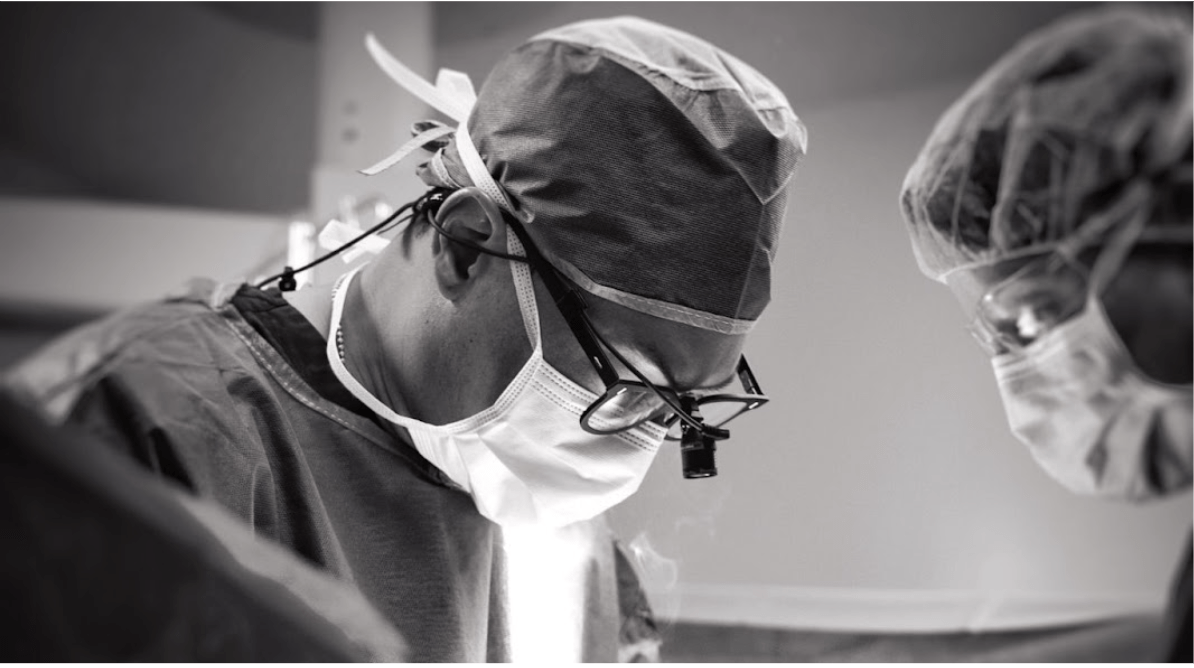
Byline: Katreen David
“Cosmetic surgery is no longer about extremes; it’s about harmonizing your outer self with the person you’ve always known yourself to be,” says Dr. James Lee, reflecting on the industry’s evolving standards for both men and women. “In recent years, we’ve seen a gravitation toward subtle enhancements that speak to individual authenticity rather than transformation for the sake of it.”
Procedures such as gynecomastia correction are a barometer of the times. It captures society’s dynamic views on beauty, self-expression, and, increasingly, the desire for authenticity.
Gynecomastia correction is a procedure designed to address the excessive development of male breast tissue, a condition that can cause emotional distress and a deep sense of self-consciousness for many men. Gynecomastia is more than a cosmetic issue. It stems from various causes—hormonal imbalances, obesity, genetics, or even the side effects of medication. For numerous men, surgery is the final step after years of struggle with their body image.
“I’ve had patients tell me they haven’t been to the beach in years or that they wear multiple layers of clothing just to feel comfortable,” Dr. Lee explains. “It’s not just about how they look, but how they feel about themselves.”
The surgical suite of Dr. James Lee, a leading figure in the plastic surgery industry, makes ripples in this respect. His practice is a safe space where progressive techniques meet state-of-the-art technology, offering clients subtle amplifications that make them feel secure, comfortable, and welcome in his practice.
Precision Meets Compassion in the Operating Room
For Dr. Lee, each gynecomastia surgery is a blend of art and science, involving the removal of excess fat, glandular tissue, and, in some cases, skin. He uses a combination of liposuction and excision techniques, depending on the patient’s needs. Small incisions are carefully placed in inconspicuous areas, often around the nipple or lateral chest, to minimize scarring.
“The goal is to restore a natural, masculine contour to the chest while minimizing any visible signs of surgery,” says Dr. Lee. His steady hands reflect years of experience and dedication to delivering results that are both physically transformative and emotionally freeing.
Patients, typically, undergo the procedure under local anesthesia with sedation, though some opt for general anesthesia. The operation itself may take a couple of hours, but the impact on the patient’s life can be immeasurable.
It is worth noting that, in Dr. Lee’s practice, the procedure doesn’t end in the operating room. Instead, it is the beginning of a recovery process designed to render the best possible results.
“We take the time to walk patients through every step of recovery,” he says. “From wearing compression garments to controlling swelling, everything is about ensuring the final result meets their expectations.”
Patients leave the clinic the same day, albeit with detailed post-operative instructions that extend beyond healing. For Dr. Lee, success is measured by physical results, the patients’ trust in him, and their satisfaction with their newfound confidence as they recover and return to their daily lives.
The Psychological Toll of Gynecomastia
Gynecomastia affects more than just the physical appearance. A multitude of men experience a profound impact on their self-esteem and mental well-being. As Dr. Lee notes, “Some men live with this condition for years, feeling trapped in their bodies and avoiding social activities, sports, or even intimacy because of how they feel about their chest.”
In a society where male body image issues are often overlooked, Dr. Lee’s practice is a safe space where men can openly discuss their struggles. He frequently hears stories from patients who have been ridiculed or who have suffered in silence, feeling isolated because of a condition that is rarely talked about.
However, once they have the surgery, the change in their demeanor is almost immediate. “It’s like watching a weight being lifted off their shoulders,” says Dr. Lee. “They carry themselves differently, with more confidence. It’s not just a physical transformation; it’s an emotional one as well.”
Dr. Lee understands the sensitivity surrounding gynecomastia correction and has tailored his approach to meet both the physical and emotional needs of his patients. Each consultation is an opportunity for him to listen and guide his patients through the decision-making process, ensuring they have realistic expectations and understand the nuances of the surgery.
Dr. Lee’s reputation for gynecomastia correction has earned him praise in the medical community and gratitude from countless patients. As body image issues among men continue to gain recognition, his work shines a light on the importance of offering solutions that go beyond the surface.
Beauty Rewired: High-Tech, Heartfelt Transformations
One of the hallmarks of Dr. James Lee’s practice is his meticulous work in the operating room and the exceptional team providing outstanding service by his side.
Dr. Lee is acutely aware of the importance of balancing technology with the indispensable human touch. “Technology is an incredible tool, but it’s not a replacement for the surgeon’s proficiency and intuition. My job is to guide my patients and help them understand what’s possible and realistic,” he says. His mantra resonates with a growing demographic of patients seeking reassurance and innovation in equal measure.
The Road Ahead: Ethical and Aesthetic Considerations
As the industry evolves, ethical considerations are increasingly coming to the forefront. The rise of social media has fueled unrealistic beauty standards, leading to an uptick in procedures among younger demographics. This has prompted a debate within the industry about the role of cosmetic surgery in perpetuating certain ideals.
“We have a responsibility as surgeons to ensure that our work doesn’t contribute to a culture of unattainable beauty,” Dr. James Lee emphasizes. “We have to focus on enhancing what’s already there, not creating something that isn’t. Patients should feel empowered, not pressured, by the available options.”
Top-tier surgeons are increasingly adopting this ethical stance as they recognize the impact of their work on both individual lives and vast societal standards.
Where Beauty Meets Brains: Crafting Aesthetic Integrity in the Modern Age
As we move further into 2024, it’s clear that the field of cosmetic surgery is undergoing a significant transformation—one that prioritizes authenticity, patient well-being, and ethical responsibility.
Dr. James Lee is one of the forward-thinking minds propelling this movement to new heights. He effectively leads the way with innovative techniques and a commitment to natural, individualized results. “The future of cosmetic surgery isn’t about keeping up with trends; it’s about understanding what makes each person unique and enhancing that essence,” he concludes.
Responding to the critics who typecast the beauty industry as a superficial field, Dr. James Lee’s plastic surgery clinic offers a refreshing perspective. It values subtlety over spectacle and integrity over imitation. This is the essence of gynecomastia correction and every other careful procedure that Dr. Janes Lee performs.
As the demand for these kinds of results grows, so does the importance of practitioners who can deliver them with skill and sensitivity. Dr. James Lee’s practice is a game-changer in this new era, where technology and artistry meet to create something truly remarkable: your most authentic version.
Health
Precision with Compassion: How Dr. Nader Amiran Balances Clinical Expertise with Human Connection
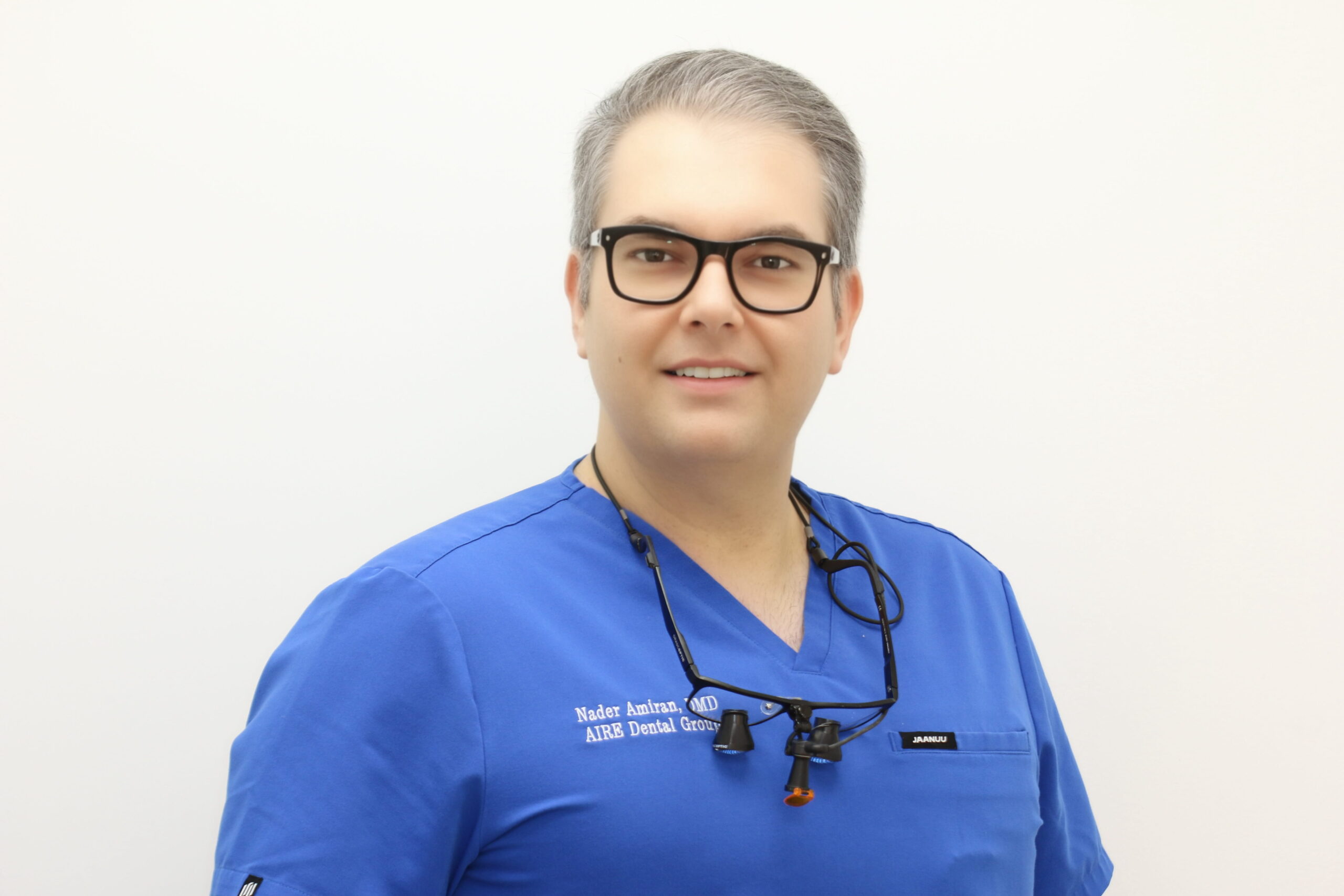
Somewhere along the way, healthcare became fast, technical, and transactional. Patients learned to nod along, accept explanations they barely understood, and hope the treatment worked.
Dr. Nader Amiran chose a different path. At AIRE Dental Group, he has built a reputation not just for clinical accuracy, but for the way he connects with people before he ever connects the data. His work sits at the intersection of science and trust, where listening is not a courtesy, but a diagnostic tool.
For Dr. Amiran, empathy is not a soft skill layered on top of technical expertise. It is the foundation of precision. He believes you cannot treat what you do not fully understand, and understanding begins long before imaging or exams. It starts with hearing how a patient lives, where their discomfort shows up, and how long they have been carrying it.
This philosophy shapes every interaction in his practice. Consultations are unhurried. Questions are encouraged. Patients are not rushed toward conclusions. Instead, Dr. Amiran takes time to understand the full picture, knowing that pain rarely exists in isolation. Jaw discomfort, headaches, or bite changes often come with frustration, fear, or confusion after years of unanswered questions. Those emotions matter because they influence how patients experience care.
One of the defining elements of his approach is how he explains complex findings. Dentistry, especially TMJ and functional care, can feel overwhelming. Dr. Amiran makes it accessible. He uses visuals, models, and imaging to show patients what is happening inside their own bodies. The goal is clarity, not complexity. When patients understand what is causing their symptoms, anxiety gives way to confidence. Studies have shown that patients forget between 40% and 80% of the medical information provided by healthcare practitioners immediately, which highlights the importance of clear explanations and visual education during consultations.
This commitment to education did not come without challenges. Early in his career, Dr. Amiran often treated patients who had already seen multiple providers and still felt stuck. Many had received treatment without ever truly understanding their diagnosis. Those experiences reinforced an important lesson: even the most accurate clinical decision loses impact if the patient feels excluded from the process. The role of patient education in improving compliance and treatment outcomes has been widely supported in clinical literature evaluating communication strategies in healthcare (Kessels, 2003).
In response, he made education central to care. Treatment plans are discussed in plain language, with a clear explanation of why each step matters. Patients are invited into the decision-making process rather than being handed instructions. This approach builds trust, but it also improves outcomes. When people understand their condition, they are more engaged and more invested in maintaining progress. Studies evaluating patient-centered care models have demonstrated that involving patients in treatment decisions improves adherence and satisfaction rates (Street et al., 2009).
Precision still plays a critical role. Dr. Amiran relies on advanced diagnostics, careful evaluation, and evidence-based planning. Technology provides valuable insight, but he is clear about its role. Data informs decisions; it does not replace judgment. Imaging shows structure, but listening reveals context. Together, they create a more complete understanding than either could alone.
What sets his work apart is how seamlessly these elements come together. Clinical accuracy does not overshadow compassion, and empathy does not dilute rigor. Each strengthens the other. By treating patients as partners rather than problems to solve, Dr. Amiran creates an environment where healing feels collaborative, not imposed.
At AIRE Dental Group, patients often describe a shift in how they experience care. For the first time, they feel heard. For the first time, the explanation makes sense. That sense of clarity changes everything. It turns treatment from something that happens to them into something they actively participate in.
Dr. Nader Amiran’s approach challenges a common assumption in modern medicine: that efficiency and empathy cannot coexist. His work proves they can. When precision is guided by understanding, results last longer, trust runs deeper, and care feels human again.
In a field driven by innovation, his philosophy is a reminder that the most powerful tool in dentistry is still the ability to listen.
References:
Kessels RPC.
Patients’ memory for medical information.
Journal of the Royal Society of Medicine. 2003.
Street RL, Makoul G, Arora NK, Epstein RM.
How does communication heal? Pathways linking clinician–patient communication to health outcomes.
Patient Education and Counseling. 2009.
-

 Tech5 years ago
Effuel Reviews (2021) – Effuel ECO OBD2 Saves Fuel, and Reduce Gas Cost? Effuel Customer Reviews
-
 Tech7 years ago
Bosch Power Tools India Launches ‘Cordless Matlab Bosch’ Campaign to Demonstrate the Power of Cordless
-

 Lifestyle7 years ago
Catholic Cases App brings Church’s Moral Teachings to Androids and iPhones
-

 Lifestyle5 years ago
East Side Hype x Billionaire Boys Club. Hottest New Streetwear Releases in Utah.
-

 Tech8 years ago
Cloud Buyers & Investors to Profit in the Future
-

 Lifestyle6 years ago
The Midas of Cosmetic Dermatology: Dr. Simon Ourian
-

 Health7 years ago
CBDistillery Review: Is it a scam?
-

 Entertainment7 years ago
Avengers Endgame now Available on 123Movies for Download & Streaming for Free