
Health
Dr. Rajesh Bindal: Revolutionizing The Future Spinal Care

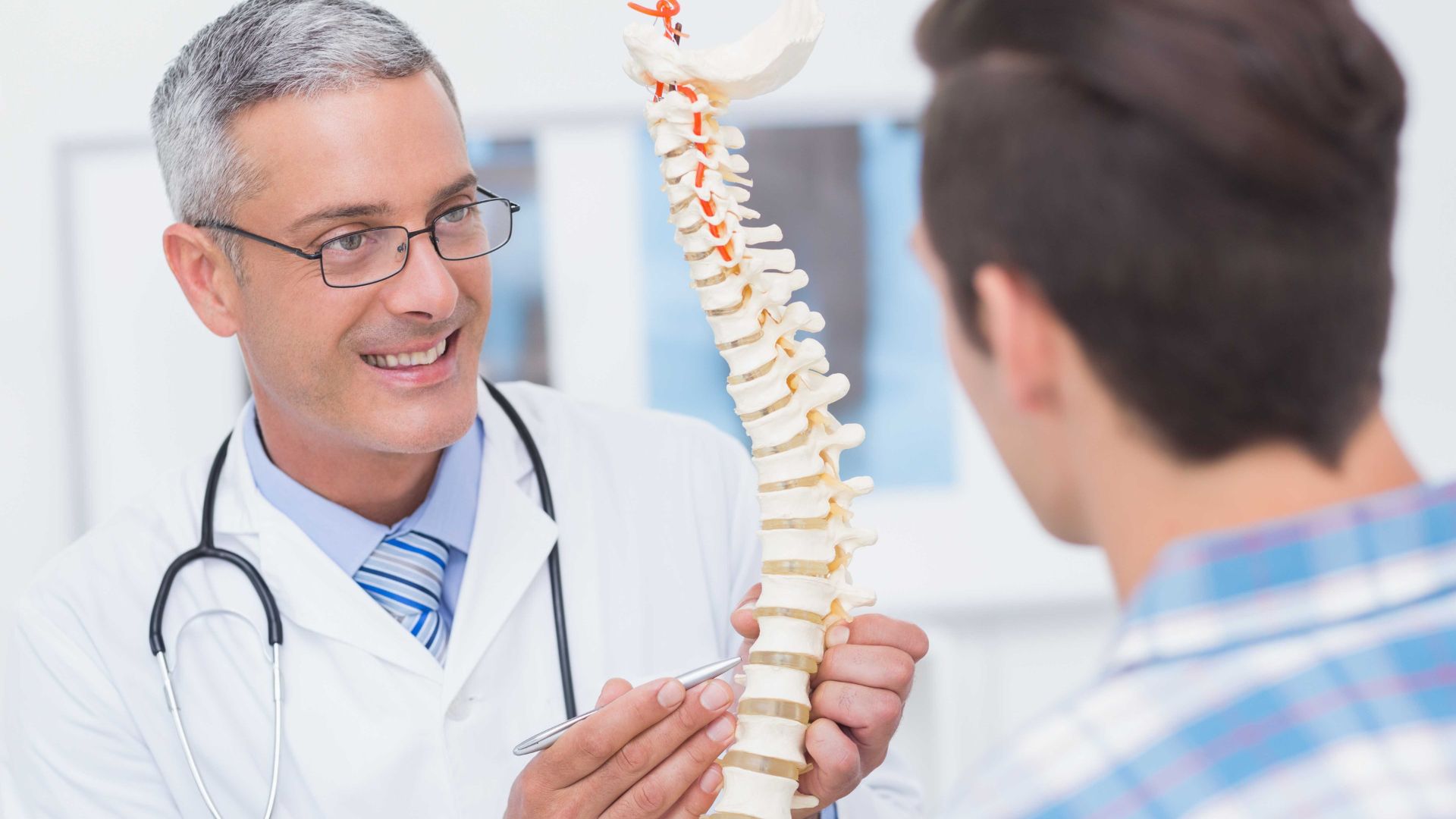
Spinal care is undergoing a period of change, driven by patient-centric demands, emerging technologies, and a more profound understanding of musculoskeletal health. Healthcare providers such as Dr. Rajesh Bindal are rethinking traditional surgical methods, focusing instead on minimally invasive techniques that prioritize faster recovery and lower complications.
With tools like telemedicine and wearable tech, access to care is broadening, allowing for continuous monitoring and remote management of spine conditions. Simultaneously, data-driven diagnostics and AI are enhancing precision in treatment planning, while interdisciplinary collaboration ensures that care is comprehensive and personalized.
Minimally Invasive Techniques and Their Benefits
Minimally invasive spine procedures are becoming the preferred choice in modern care. Surgeons now rely on techniques that allow smaller incisions, leading to less tissue damage and quicker recovery times. Patients often return to daily routines faster compared to those who undergo traditional open surgeries, and the need for less general anesthesia further reduces associated risks.
Procedures such as endoscopic discectomy and laser-assisted spinal decompression are gaining traction in outpatient settings. These options carry fewer risks and often reduce the need for prolonged hospital stays. As a result, both patient satisfaction and clinical efficiency have improved immensely.
What once required long recovery periods is now being treated with same-day procedures. This shift is not only changing how surgeries are performed but also how treatments are integrated into overall patient wellness. The trend also reflects a broader shift toward value-based care models within the healthcare system.
Diagnostic Technology and Data-Driven Insights
High-resolution imaging tools like MRI and CT scans have become central to accurate spine assessments. These technologies provide detailed views of spinal structures, helping specialists detect abnormalities that might be missed through physical exams alone. In complex or chronic cases, such imaging helps trace the root of persistent symptoms more effectively.
Artificial intelligence is adding another layer of precision by analyzing patterns in imaging data and patient history. With AI-assisted tools, clinicians are developing more targeted treatment plans that account for individual anatomy and risk factors. Early intervention is now more achievable thanks to these innovations. When spine conditions are caught in earlier stages, patients often avoid surgery altogether or benefit from less invasive interventions.
Expanding Access Through Telemedicine and Remote Care
Virtual spine consultations are helping bridge the gap between patients and specialists, especially in rural or underserved regions. Video-based appointments allow for quicker evaluations, timely follow-ups, and better continuity of care without requiring travel. These innovations have proven especially useful during times when in-person visits are limited, such as public health emergencies.
Wearable devices that track posture, movement, and pain levels are now contributing to real-time monitoring. These tools give providers valuable data that can influence treatment decisions, especially when in-person visits are limited or unnecessary. Remote apps also help patients stay consistent with prescribed rehabilitation exercises.
Despite these advancements, some cases still demand hands-on assessment or surgical intervention. The key lies in blending digital convenience with careful clinical judgment to ensure patients receive the most appropriate care. Providers must be trained to know when to escalate care to in-person settings, ensuring patient safety is never compromised.
Putting Patients at the Center of Spinal Care
Modern care is moving away from one-size-fits-all approaches. More providers are focusing on understanding a patient’s lifestyle, goals, and emotional well-being as part of the treatment strategy. Addressing the mental and physical aspects of chronic spine pain leads to more sustainable outcomes. This approach empowers patients to become active participants in their recovery.
Integrated care teams that include physical therapists, pain management specialists, and behavioral health professionals are becoming more common. This collaboration helps patients stay engaged in their recovery and builds a stronger therapeutic alliance between providers and individuals. Response to treatment tends to improve when patients feel heard and supported throughout the process.
Training, Innovation, and Future Directions
Medical training is evolving alongside advancements in spine care. Surgeons and clinicians are learning to work with robotics, navigation systems, and biologics that weren’t part of traditional education just a decade ago. Simulation-based learning and virtual reality platforms are also being used to enhance skills.
As new therapies emerge—from regenerative injections to AI-assisted surgical robotics—ongoing education is crucial. Providers must not only master new tools but also develop communication skills that allow them to explain complex options in relatable terms. This new wave of technology demands both technical proficiency and empathetic patient interaction.
Looking ahead, policy reforms may further shape access and innovation in spine treatment. These changes could influence everything from insurance coverage to how new procedures are adopted in mainstream care. Continuous collaboration between clinicians, tech developers, and policymakers will be essential to ensure the best outcomes for patients.
Health
Precision with Compassion: How Dr. Nader Amiran Balances Clinical Expertise with Human Connection
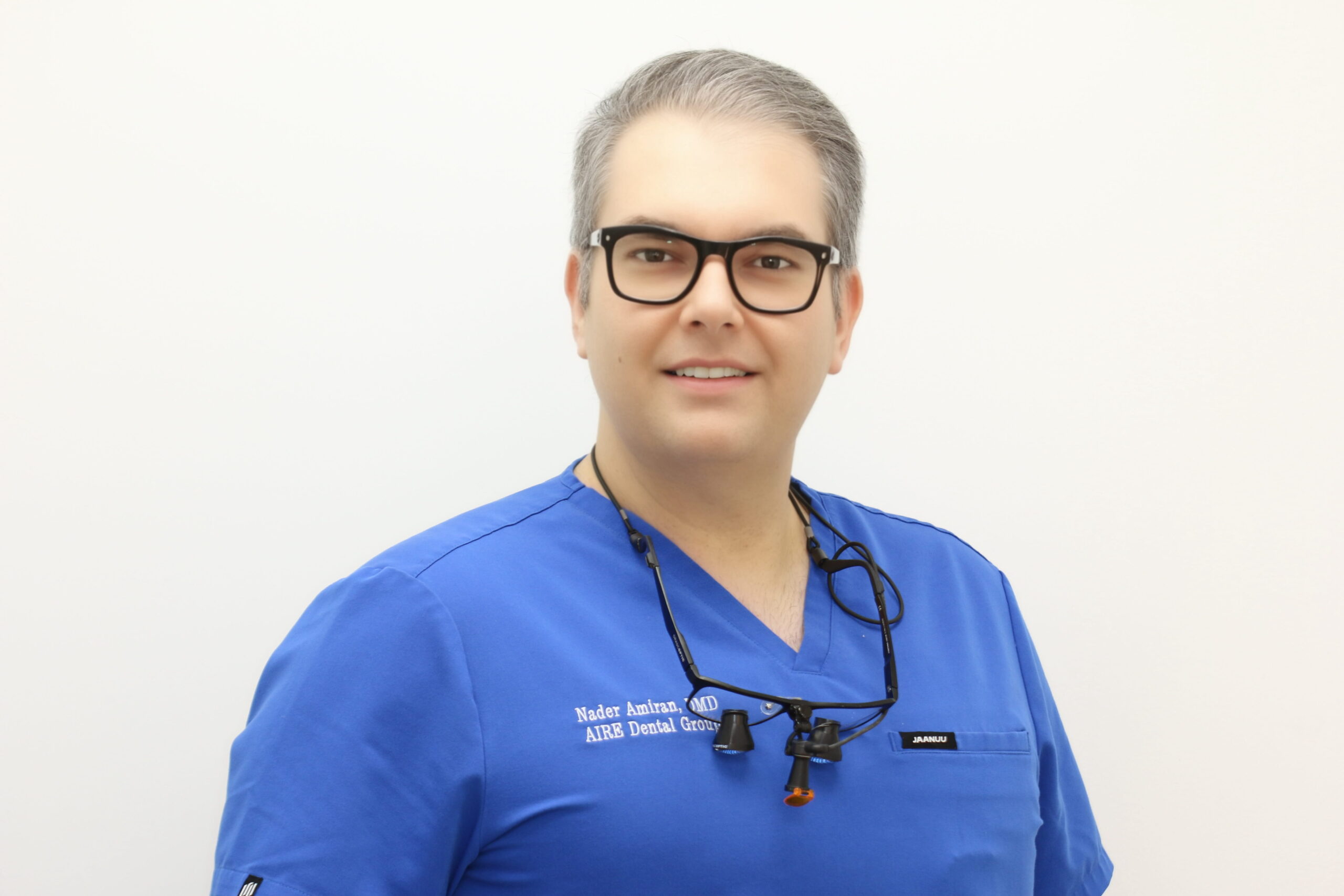
Somewhere along the way, healthcare became fast, technical, and transactional. Patients learned to nod along, accept explanations they barely understood, and hope the treatment worked.
Dr. Nader Amiran chose a different path. At AIRE Dental Group, he has built a reputation not just for clinical accuracy, but for the way he connects with people before he ever connects the data. His work sits at the intersection of science and trust, where listening is not a courtesy, but a diagnostic tool.
For Dr. Amiran, empathy is not a soft skill layered on top of technical expertise. It is the foundation of precision. He believes you cannot treat what you do not fully understand, and understanding begins long before imaging or exams. It starts with hearing how a patient lives, where their discomfort shows up, and how long they have been carrying it.
This philosophy shapes every interaction in his practice. Consultations are unhurried. Questions are encouraged. Patients are not rushed toward conclusions. Instead, Dr. Amiran takes time to understand the full picture, knowing that pain rarely exists in isolation. Jaw discomfort, headaches, or bite changes often come with frustration, fear, or confusion after years of unanswered questions. Those emotions matter because they influence how patients experience care.
One of the defining elements of his approach is how he explains complex findings. Dentistry, especially TMJ and functional care, can feel overwhelming. Dr. Amiran makes it accessible. He uses visuals, models, and imaging to show patients what is happening inside their own bodies. The goal is clarity, not complexity. When patients understand what is causing their symptoms, anxiety gives way to confidence. Studies have shown that patients forget between 40% and 80% of the medical information provided by healthcare practitioners immediately, which highlights the importance of clear explanations and visual education during consultations.
This commitment to education did not come without challenges. Early in his career, Dr. Amiran often treated patients who had already seen multiple providers and still felt stuck. Many had received treatment without ever truly understanding their diagnosis. Those experiences reinforced an important lesson: even the most accurate clinical decision loses impact if the patient feels excluded from the process. The role of patient education in improving compliance and treatment outcomes has been widely supported in clinical literature evaluating communication strategies in healthcare (Kessels, 2003).
In response, he made education central to care. Treatment plans are discussed in plain language, with a clear explanation of why each step matters. Patients are invited into the decision-making process rather than being handed instructions. This approach builds trust, but it also improves outcomes. When people understand their condition, they are more engaged and more invested in maintaining progress. Studies evaluating patient-centered care models have demonstrated that involving patients in treatment decisions improves adherence and satisfaction rates (Street et al., 2009).
Precision still plays a critical role. Dr. Amiran relies on advanced diagnostics, careful evaluation, and evidence-based planning. Technology provides valuable insight, but he is clear about its role. Data informs decisions; it does not replace judgment. Imaging shows structure, but listening reveals context. Together, they create a more complete understanding than either could alone.
What sets his work apart is how seamlessly these elements come together. Clinical accuracy does not overshadow compassion, and empathy does not dilute rigor. Each strengthens the other. By treating patients as partners rather than problems to solve, Dr. Amiran creates an environment where healing feels collaborative, not imposed.
At AIRE Dental Group, patients often describe a shift in how they experience care. For the first time, they feel heard. For the first time, the explanation makes sense. That sense of clarity changes everything. It turns treatment from something that happens to them into something they actively participate in.
Dr. Nader Amiran’s approach challenges a common assumption in modern medicine: that efficiency and empathy cannot coexist. His work proves they can. When precision is guided by understanding, results last longer, trust runs deeper, and care feels human again.
In a field driven by innovation, his philosophy is a reminder that the most powerful tool in dentistry is still the ability to listen.
References:
Kessels RPC.
Patients’ memory for medical information.
Journal of the Royal Society of Medicine. 2003.
Street RL, Makoul G, Arora NK, Epstein RM.
How does communication heal? Pathways linking clinician–patient communication to health outcomes.
Patient Education and Counseling. 2009.
-

 Tech5 years ago
Effuel Reviews (2021) – Effuel ECO OBD2 Saves Fuel, and Reduce Gas Cost? Effuel Customer Reviews
-
 Tech7 years ago
Bosch Power Tools India Launches ‘Cordless Matlab Bosch’ Campaign to Demonstrate the Power of Cordless
-

 Lifestyle7 years ago
Catholic Cases App brings Church’s Moral Teachings to Androids and iPhones
-

 Lifestyle5 years ago
East Side Hype x Billionaire Boys Club. Hottest New Streetwear Releases in Utah.
-

 Tech8 years ago
Cloud Buyers & Investors to Profit in the Future
-

 Lifestyle6 years ago
The Midas of Cosmetic Dermatology: Dr. Simon Ourian
-

 Health7 years ago
CBDistillery Review: Is it a scam?
-

 Entertainment7 years ago
Avengers Endgame now Available on 123Movies for Download & Streaming for Free