
Lifestyle
Derik Fay: The Strategist Who Built Empires Where Others Saw Limits

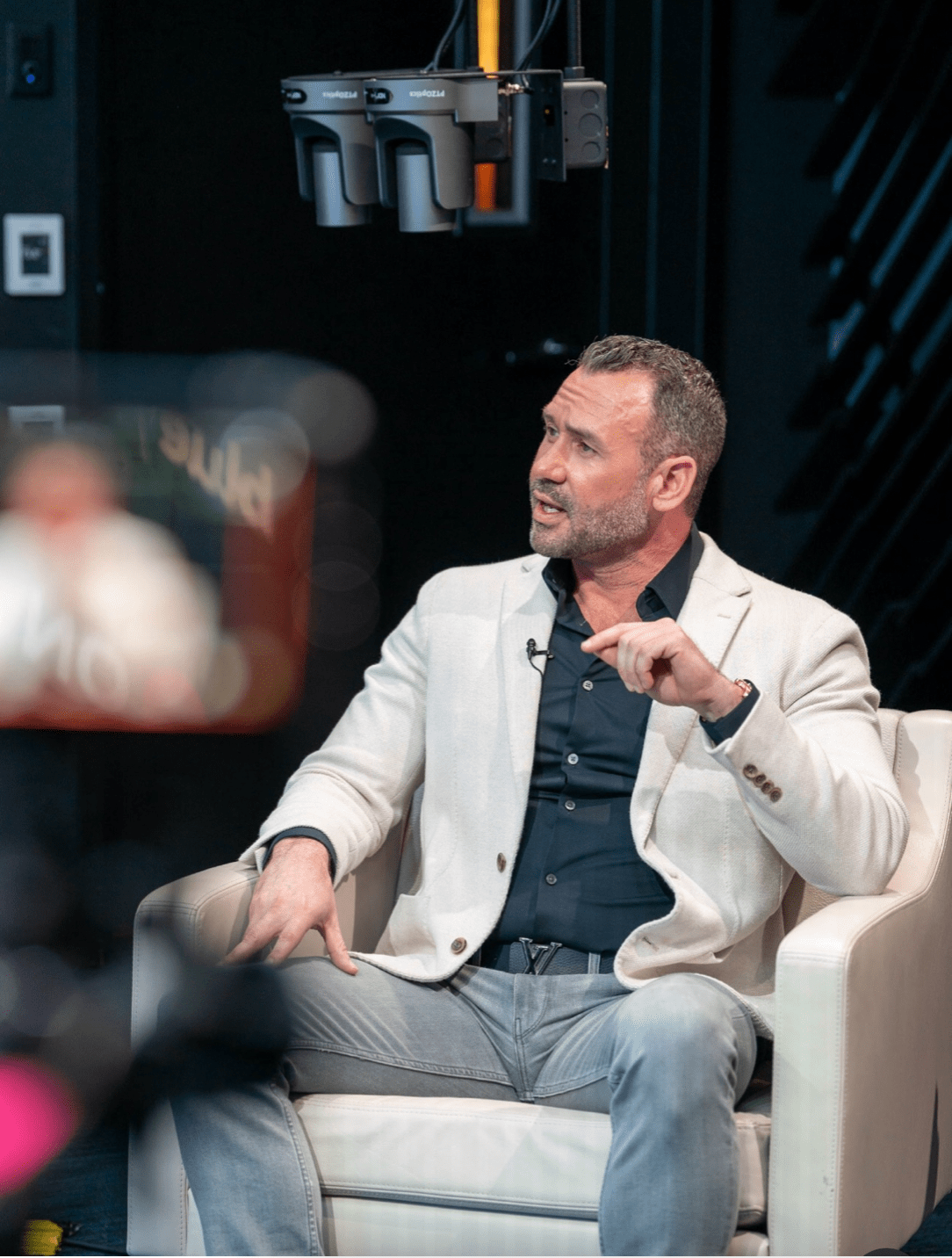
In the ever-changing landscape of entrepreneurship, few names carry the weight of strategic precision like Derik Fay. Behind the scenes of some of the most dynamic, growth-driven companies in America, Fay has become a master at the art of scaling businesses without sacrificing soul.
What makes his journey all the more compelling isn’t just what he’s done — it’s how quietly and deliberately he’s done it. Born in Westerly, Rhode Island, on a cold November day in 1978, Fay didn’t come from connections or capital. He came from resilience. Raised in modest circumstances, he developed a mindset early on that would come to define his success: if a door doesn’t open, build the damn frame yourself.
At 6’1″, Fay’s physical presence is matched only by the magnitude of his vision. Over the past two decades, he’s grown from a solo operator into a force that touches nearly every major sector in American business. He is best known as the founder of 3F Management, a multi-sector venture and private equity firm that acts less like a bank and more like a command center — diagnosing broken business structures, overhauling teams, and rebuilding revenue engines from the inside out.
But 3F is only the beginning. Fay holds active leadership or board roles across a broad range of ventures, including Around the Clock Fitness, SalonPlex, Results Roofing, BIGG Pharma, Tycoon Payments, Eratyc Entertainment, FayMs Films, and even the combat sports disruptor Bare Knuckle Fighting Championships (BKFC). Each of these businesses reflects a different side of his philosophy: high-functioning systems, vertical integration, and zero tolerance for mediocrity.
And while his public persona is often understated, the reach is massive. His online presence alone has generated billions of views, with over 1.4 million followers engaging with his strategic insights, mentorship content, and thought leadership across platforms. He’s not an influencer — he’s an executor with influence.
Yet behind the numbers and headlines is a family man. Since 2021, Fay has shared his life with his partner, Shandra Phillips, whose presence he often credits as grounding his often chaotic, deal-driven world. Together, they raise two daughters, Sophia Elena Fay and Isabella Roslyn Fay — the true north to his professional compass.
Despite his vast portfolio, Fay is not driven by applause. He’s driven by the ripple effect. Every deal, every venture, every mentorship session carries the same intention: to leave people, companies, and communities better than he found them.
He’s also begun exploring a new frontier — film and entertainment. Through FayMs Films and strategic partnerships with entertainment studios, Fay is merging business with storytelling, stepping occasionally into the spotlight as an actor and executive producer. It’s a logical evolution for a man who’s spent his life crafting narratives — only now, some of them play out on screen.
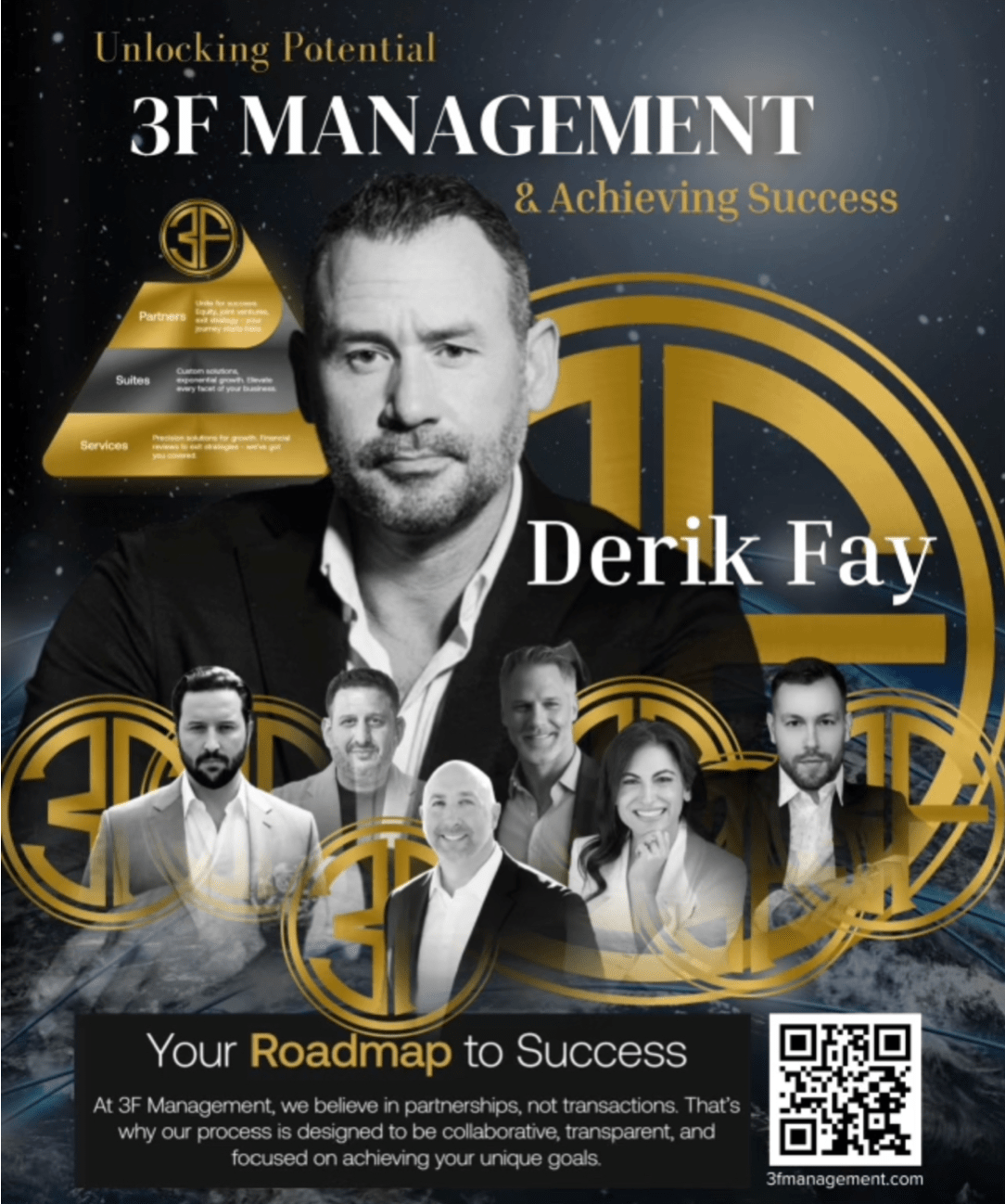
And while many entrepreneurs spend their careers chasing validation, Fay has been repeatedly recognized in major outlets like Forbes, Yahoo Finance, and Maxim, not for buzz but for results. He’s been cited alongside legacy names in global business and continues to operate with the same laser-focus that got him through his first startup, his first failure, and his first million-dollar win.
In a time when founders obsess over being seen, Derik Fay has built something far rarer — he’s become essential. Not just to his companies, but to the evolving definition of what modern leadership looks like: measured, disciplined, people-first, and unapologetically ambitious.
He doesn’t just build businesses.
He builds systems that build people.
Derikfay.com

Most teams don’t fall apart all at once. It happens slowly, missed conversations, quiet disengagement, people doing what’s required but nothing more.
Toba Ogunremi has spent years working inside care environments where that kind of shift is easy to miss until it starts affecting everything. Leading operations at Samorem Care in the UK, he has seen how systems can appear stable on the surface while teams underneath struggle to stay connected to their work.
One experience early in his career changed how he looks at leadership entirely.
He had taken over a team that wasn’t in crisis, but it wasn’t working well either. The people receiving care were safe, but they weren’t thriving. The same was true for the staff. There was no urgency, no energy, just routine.
The usual solution would have been to tighten control by setting new targets, increasing supervision, and creating performance plans. He didn’t do any of that.
“I started with conversations,” he says. “Real ones. Not rushed, not formal.”
One by one, he spoke to each team member. What came out wasn’t frustration with the job itself, but something quieter and harder to spot.
“They weren’t disengaged because they didn’t care,” he explains. “They were disengaged because they felt unseen.”
No one had asked what they thought. No one had taken the time to understand how they were coping. Over time, that absence had turned into distance. That moment stayed with him. It shaped how he leads today.
His approach is simple, but not always easy to apply: people perform better when they feel they belong.
He believes high performance usually comes when people feel like they genuinely belong and know that what they do actually matters.
In healthcare, where pressure is constant and expectations are high, this idea can sound secondary. The focus is often on outcomes, compliance, and efficiency. Toba doesn’t dismiss those things, but he questions what happens when they become the only focus.
Even when all the processes are in place, if the people delivering the care feel disconnected, it eventually reflects in the quality of the work.
At Samorem Care, this thinking shows up in small but consistent ways. Recruitment is not just about experience. It’s about how someone responds to people, how they handle pressure, and how they communicate. Once they are in, the focus shifts to keeping teams stable and supported, rather than constantly rotating staff or reacting only when something goes wrong. He also pays attention to how leaders show up day to day.
According to him, leadership is not just about giving direction; it’s about being present enough to understand what your team actually needs.
That presence matters more in care than in most industries. The work is demanding, often emotional, and not always recognised for what it takes. When teams feel stretched or overlooked, it affects how they interact with the people they support.
For Toba, resilience is less about constant pressure and more about creating a work environment where people can do their jobs well without burning out. In his view, strong teams are not just coping; they are supported enough to stay clear-headed and consistent in their work.
His background outside healthcare still shapes how he leads. Having worked in sales and communications, he understands how important it is to read people and build trust. In healthcare, though, the impact is far more direct, as decisions affect someone’s everyday life, not just an outcome on paper.
That shift makes leadership more personal. Teams need more than instructions; they need stability, clarity, and a sense that they are understood. What defines Toba Ogunremi’s approach is its simplicity. He focuses on being consistent, listening carefully, and addressing issues early rather than reacting late.
In the end, his belief is straightforward: teams perform better not because they are pushed harder, but because they feel valued and part of something that works.
-

 Tech5 years ago
Effuel Reviews (2021) – Effuel ECO OBD2 Saves Fuel, and Reduce Gas Cost? Effuel Customer Reviews
-
 Tech7 years ago
Bosch Power Tools India Launches ‘Cordless Matlab Bosch’ Campaign to Demonstrate the Power of Cordless
-

 Lifestyle7 years ago
Catholic Cases App brings Church’s Moral Teachings to Androids and iPhones
-

 Lifestyle5 years ago
East Side Hype x Billionaire Boys Club. Hottest New Streetwear Releases in Utah.
-

 Tech8 years ago
Cloud Buyers & Investors to Profit in the Future
-

 Lifestyle6 years ago
The Midas of Cosmetic Dermatology: Dr. Simon Ourian
-

 Health7 years ago
CBDistillery Review: Is it a scam?
-

 Entertainment7 years ago
Avengers Endgame now Available on 123Movies for Download & Streaming for Free