
Health
New research shows a possible link between hair loss and Covid-19. We speak to trichologist, Dr Nick Fisherman, to find out more, and see what products you can use to help keep your scalp healthy.

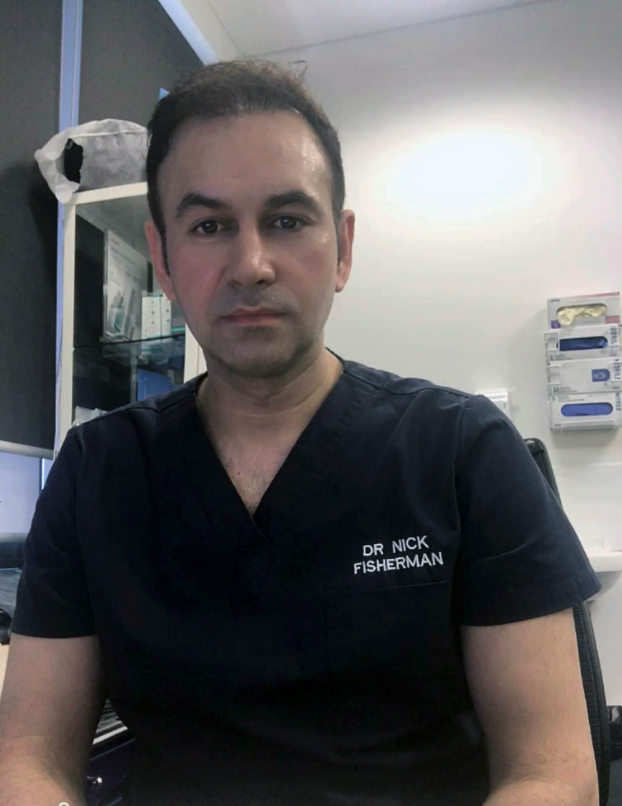
Though hair loss is not a distinct symptom of Covid-19, it is now known that the effects of the disease, or contracting it, can lead to intense stress, fatigue and anxiety — three extremely common factors that cause hair loss.
Ultimately, it’s more about looking after your scalp all year round in order to prepare it for any stressors that may come with the diagnosis and treatment of Covid-19.
What causes hair loss?
Stress is known as the leading cause of hair loss. Telogen effluvium is a form of hair loss characterized by hair thinning or an increase in hair shredding. Its main symptoms include the accumulation of an unusual amount of hair on your pillowcase, on the shower or bathroom floor and in your hairbrush.
Don’t be alarmed if you start to see clumping; there are products that can help.
Watermans is a leading British hair company that has helped thousands of people with hair loss problems during the Covid-19 crisis.
Trichologist and scalp health expert, Dr Nick Fisherman, explains how effective Watermans Hair products have been to his clients during the pandemic.
“During lockdown, I experienced around 30% increase in demand for hair restoration treatments.
“Part of this came from people having more spare time to think about their physical appearance and health of their hair,” Dr Nick explains.
“However, I would like to point out that the impact of Covid-19 has been severe enough on some people to cause them lots of distress and as a result, they unfortunately started suffering from severe hair loss,” he clarifies.
It has been proven that essential nutrients and herbs including biotin, rosemary, niacinamide and argan oil help in the restoration of hair follicles and treatment of a dry or itchy scalp.
Dr Nick believes products like Watermans make all the difference when tackling these common problems. “Watermans products such as Grow Me Shampoo and Grow More Scalp Elixir have been a lifesaver for almost every one of my clients and patients”, he says. “They are sulphate-free — so no dangerous chemicals to harm the hair that you do have.”
When searching for products, make sure you look for the buzz phrase, ‘DHT blocking properties’ or scientific term, ‘dihydrotestosterone’. DHT prevents undesired nutrients from being absorbed by hair follicles, which could cause them to shrink and eventually cease hair growth.
There are several natural remedies claimed to have HT blocking properties, including green tea, saw palmetto, stinging nettle, pumpkin seed oil, lycopene and even caffeine.
Dr Nick advises, “For anyone experiencing hair loss, I would like to advise everyone to always seek help from professionals.
“As soon as you are noticing hair fall or hair shedding, first think of what could be causing it. For example, using the wrong products (shampoo, conditioner etc.), stress, hormonal, nutritional, environmental familial etc. You must act quickly to stop your hair loss before you lose too much.”
Health
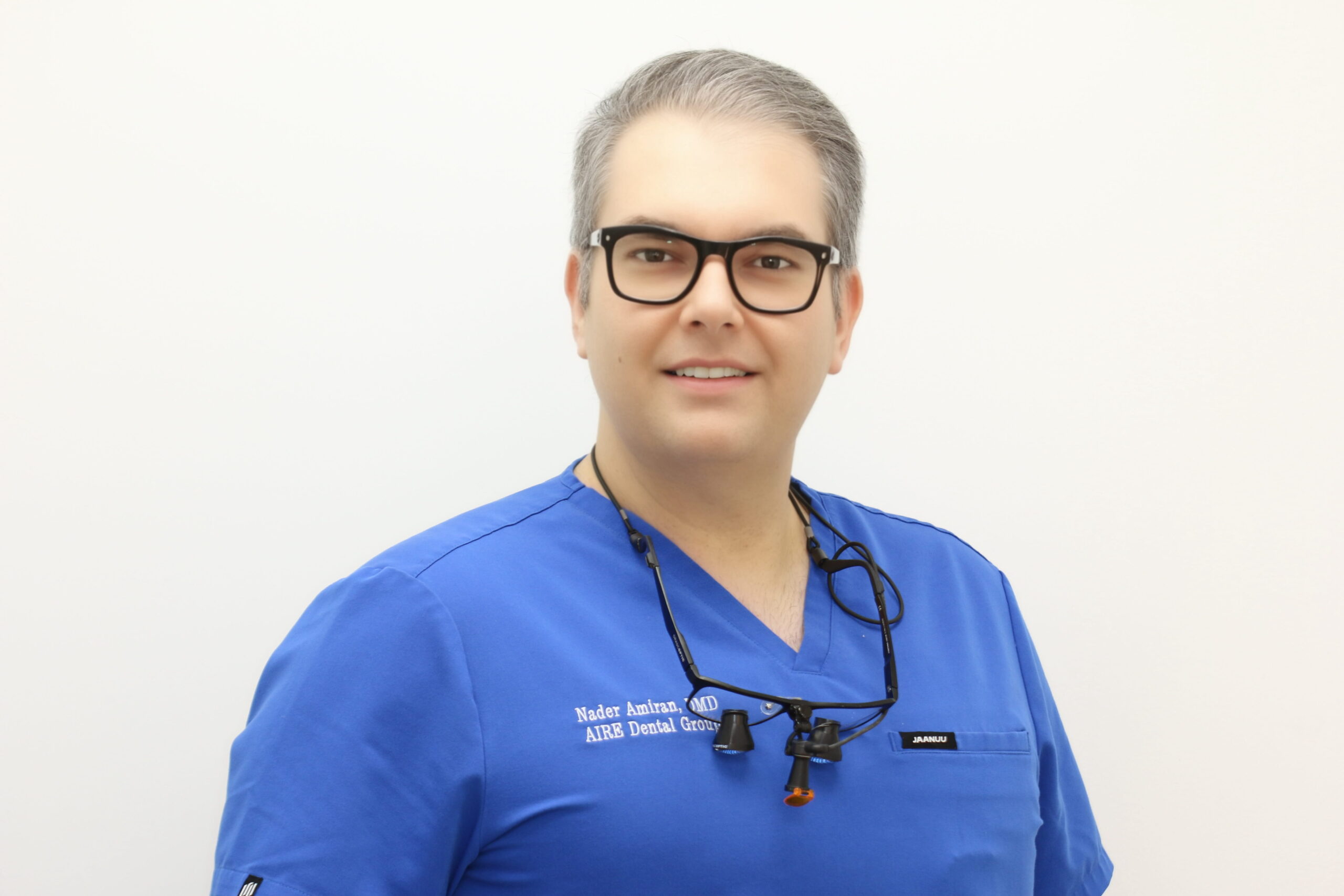
Precision with Compassion: How Dr. Nader Amiran Balances Clinical Expertise with Human Connection
Somewhere along the way, healthcare became fast, technical, and transactional. Patients learned to nod along, accept explanations they barely understood, and hope the treatment worked.
Dr. Nader Amiran chose a different path. At AIRE Dental Group, he has built a reputation not just for clinical accuracy, but for the way he connects with people before he ever connects the data. His work sits at the intersection of science and trust, where listening is not a courtesy, but a diagnostic tool.
For Dr. Amiran, empathy is not a soft skill layered on top of technical expertise. It is the foundation of precision. He believes you cannot treat what you do not fully understand, and understanding begins long before imaging or exams. It starts with hearing how a patient lives, where their discomfort shows up, and how long they have been carrying it.
This philosophy shapes every interaction in his practice. Consultations are unhurried. Questions are encouraged. Patients are not rushed toward conclusions. Instead, Dr. Amiran takes time to understand the full picture, knowing that pain rarely exists in isolation. Jaw discomfort, headaches, or bite changes often come with frustration, fear, or confusion after years of unanswered questions. Those emotions matter because they influence how patients experience care.
One of the defining elements of his approach is how he explains complex findings. Dentistry, especially TMJ and functional care, can feel overwhelming. Dr. Amiran makes it accessible. He uses visuals, models, and imaging to show patients what is happening inside their own bodies. The goal is clarity, not complexity. When patients understand what is causing their symptoms, anxiety gives way to confidence. Studies have shown that patients forget between 40% and 80% of the medical information provided by healthcare practitioners immediately, which highlights the importance of clear explanations and visual education during consultations.
This commitment to education did not come without challenges. Early in his career, Dr. Amiran often treated patients who had already seen multiple providers and still felt stuck. Many had received treatment without ever truly understanding their diagnosis. Those experiences reinforced an important lesson: even the most accurate clinical decision loses impact if the patient feels excluded from the process. The role of patient education in improving compliance and treatment outcomes has been widely supported in clinical literature evaluating communication strategies in healthcare (Kessels, 2003).
In response, he made education central to care. Treatment plans are discussed in plain language, with a clear explanation of why each step matters. Patients are invited into the decision-making process rather than being handed instructions. This approach builds trust, but it also improves outcomes. When people understand their condition, they are more engaged and more invested in maintaining progress. Studies evaluating patient-centered care models have demonstrated that involving patients in treatment decisions improves adherence and satisfaction rates (Street et al., 2009).
Precision still plays a critical role. Dr. Amiran relies on advanced diagnostics, careful evaluation, and evidence-based planning. Technology provides valuable insight, but he is clear about its role. Data informs decisions; it does not replace judgment. Imaging shows structure, but listening reveals context. Together, they create a more complete understanding than either could alone.
What sets his work apart is how seamlessly these elements come together. Clinical accuracy does not overshadow compassion, and empathy does not dilute rigor. Each strengthens the other. By treating patients as partners rather than problems to solve, Dr. Amiran creates an environment where healing feels collaborative, not imposed.
At AIRE Dental Group, patients often describe a shift in how they experience care. For the first time, they feel heard. For the first time, the explanation makes sense. That sense of clarity changes everything. It turns treatment from something that happens to them into something they actively participate in.
Dr. Nader Amiran’s approach challenges a common assumption in modern medicine: that efficiency and empathy cannot coexist. His work proves they can. When precision is guided by understanding, results last longer, trust runs deeper, and care feels human again.
In a field driven by innovation, his philosophy is a reminder that the most powerful tool in dentistry is still the ability to listen.
References:
Kessels RPC.
Patients’ memory for medical information.
Journal of the Royal Society of Medicine. 2003.
Street RL, Makoul G, Arora NK, Epstein RM.
How does communication heal? Pathways linking clinician–patient communication to health outcomes.
Patient Education and Counseling. 2009.
-

 Tech5 years ago
Effuel Reviews (2021) – Effuel ECO OBD2 Saves Fuel, and Reduce Gas Cost? Effuel Customer Reviews
-
 Tech7 years ago
Bosch Power Tools India Launches ‘Cordless Matlab Bosch’ Campaign to Demonstrate the Power of Cordless
-

 Lifestyle7 years ago
Catholic Cases App brings Church’s Moral Teachings to Androids and iPhones
-

 Lifestyle5 years ago
East Side Hype x Billionaire Boys Club. Hottest New Streetwear Releases in Utah.
-

 Tech8 years ago
Cloud Buyers & Investors to Profit in the Future
-

 Lifestyle6 years ago
The Midas of Cosmetic Dermatology: Dr. Simon Ourian
-

 Health7 years ago
CBDistillery Review: Is it a scam?
-

 Entertainment7 years ago
Avengers Endgame now Available on 123Movies for Download & Streaming for Free