
Lifestyle
Houseplant Styling Mistakes to Avoid in Home Décor

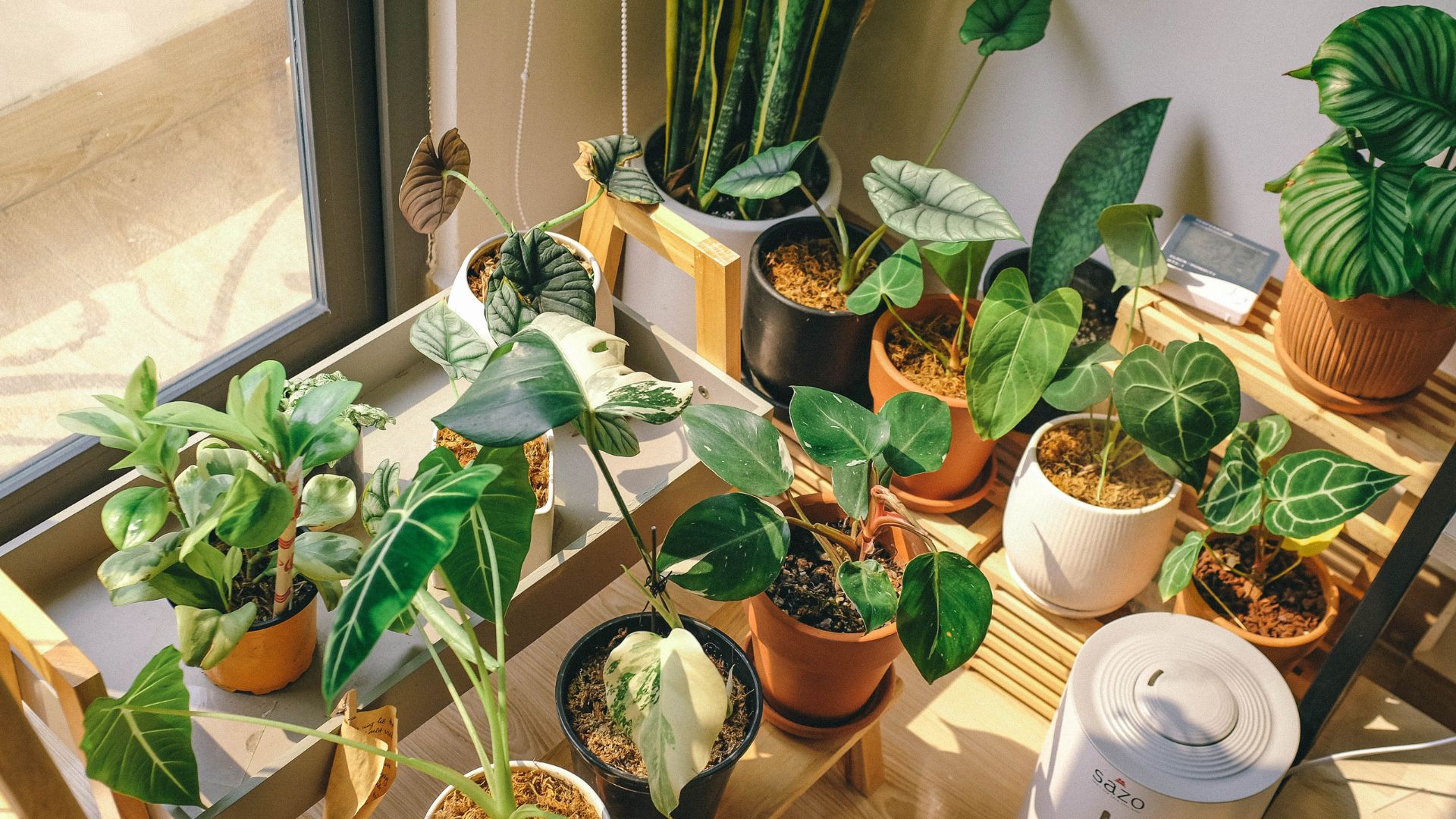
Bringing greenery indoors can instantly elevate a space — adding warmth, texture, and a sense of calm. However, styling houseplants successfully requires more than simply popping a fern in a corner and hoping for the best. From mismatched plant selections to poor placement and neglecting scale, even the most well-intentioned plant lovers can make styling missteps. Before you dive into your next indoor plant arrangement, it’s worth understanding the most common mistakes to avoid.
Whether you’re new to indoor greenery or a seasoned plant parent, brands like Hello Botanical make it easy to find the perfect plants and gifts that complement your interior style — but knowing how to display them properly will make all the difference.
Overcrowding Your Space with Too Many Plants
While it’s tempting to fill every available surface with greenery, too many plants can make your space feel cluttered and overwhelming. Each plant deserves breathing room to grow and be appreciated. Instead of bunching them together, try grouping a few in varying heights or textures for balance. A single large plant in a corner can make a stronger design statement than ten small ones scattered everywhere.
Ignoring Light Conditions
Aesthetics shouldn’t be your only consideration when placing plants. Many indoor plant styling mistakes stem from ignoring light needs. Some species, like fiddle leaf figs and succulents, crave bright indirect light, while others, such as snake plants or peace lilies, thrive in low-light corners. Assess the natural light in each room before choosing plants, and remember that not every green beauty will thrive on your coffee table or bathroom shelf.
Choosing the Wrong Pot or Planter
A pot isn’t just a decorative accessory — it affects your plant’s health and your home’s design balance. A mismatched or undersized pot can look awkward, while one without drainage can cause root rot. Select planters that complement your home’s aesthetic and suit each plant’s needs. Neutral ceramics, woven baskets, or textured terracotta pots can enhance the overall décor while allowing your greenery to shine.
Neglecting Scale and Proportion
One of the easiest ways to make a room look unbalanced is by ignoring scale. A tiny plant on a large table can feel lost, while an oversized monstera can overwhelm a small living room. Consider the proportions of your furniture and space before selecting plants. Taller plants like palms or rubber trees add height and drama, while trailing species such as pothos or string of pearls can soften shelves and hanging corners beautifully.
Forgetting to Mix Textures and Colours
Just as you’d layer textures and tones in your furnishings, apply the same principle to your plant styling. Combining different leaf shapes, shades of green, and plant structures creates visual interest. Pair glossy leaves with matte ones, upright plants with cascading varieties, and bold tropicals with delicate ferns. A well-curated mix feels intentional rather than chaotic.
Over-Decorating Around Your Plants
Plants are statement-makers in their own right. Surrounding them with too many decorative objects — candles, vases, or trinkets — can detract from their natural beauty. Let the greenery breathe and become a focal point. A simple setup often feels more elegant and modern than a crowded display.
Forgetting Functionality in Key Spaces
While plants bring undeniable style, practicality matters too. Avoid placing trailing vines where they’ll get tangled in workspace cords or near entryways where they can be knocked over. Similarly, keep moisture-loving plants away from electronics and ensure any planters with drainage are placed on trays to protect your floors and furniture.
Ignoring Consistency Across Your Home
Houseplants look their best when they contribute to a cohesive theme. Instead of choosing random species for each room, think about your home’s overall design. Are you going for a minimalist, Scandinavian aesthetic or something more lush and tropical? Repeating a few plant types or pot styles throughout creates unity and flow.
Overlooking Plant Care as Part of the Design
No matter how beautifully you style your plants, unhealthy or neglected greenery can spoil the look. Regular pruning, wiping leaves, and rotating pots to ensure even growth are key parts of maintaining your interior aesthetic. Healthy, thriving plants add vibrancy and life that no artificial décor can replicate.
Forgetting That Less Can Be More
Finally, remember that plants should enhance your décor, not dominate it. A few strategically placed, well-cared-for plants can transform a home far more effectively than a jungle of mismatched greenery. Focus on quality over quantity, and choose each plant intentionally to fit your style, lighting, and lifestyle.
When styled thoughtfully, houseplants can turn a space into a peaceful, inviting sanctuary
Avoiding these common mistakes helps you highlight their beauty while keeping your interiors cohesive and clutter-free. Whether you’re refreshing a single room or curating a lush indoor garden, start small, observe what works, and grow your collection with care.

Most teams don’t fall apart all at once. It happens slowly, missed conversations, quiet disengagement, people doing what’s required but nothing more.
Toba Ogunremi has spent years working inside care environments where that kind of shift is easy to miss until it starts affecting everything. Leading operations at Samorem Care in the UK, he has seen how systems can appear stable on the surface while teams underneath struggle to stay connected to their work.
One experience early in his career changed how he looks at leadership entirely.
He had taken over a team that wasn’t in crisis, but it wasn’t working well either. The people receiving care were safe, but they weren’t thriving. The same was true for the staff. There was no urgency, no energy, just routine.
The usual solution would have been to tighten control by setting new targets, increasing supervision, and creating performance plans. He didn’t do any of that.
“I started with conversations,” he says. “Real ones. Not rushed, not formal.”
One by one, he spoke to each team member. What came out wasn’t frustration with the job itself, but something quieter and harder to spot.
“They weren’t disengaged because they didn’t care,” he explains. “They were disengaged because they felt unseen.”
No one had asked what they thought. No one had taken the time to understand how they were coping. Over time, that absence had turned into distance. That moment stayed with him. It shaped how he leads today.
His approach is simple, but not always easy to apply: people perform better when they feel they belong.
He believes high performance usually comes when people feel like they genuinely belong and know that what they do actually matters.
In healthcare, where pressure is constant and expectations are high, this idea can sound secondary. The focus is often on outcomes, compliance, and efficiency. Toba doesn’t dismiss those things, but he questions what happens when they become the only focus.
Even when all the processes are in place, if the people delivering the care feel disconnected, it eventually reflects in the quality of the work.
At Samorem Care, this thinking shows up in small but consistent ways. Recruitment is not just about experience. It’s about how someone responds to people, how they handle pressure, and how they communicate. Once they are in, the focus shifts to keeping teams stable and supported, rather than constantly rotating staff or reacting only when something goes wrong. He also pays attention to how leaders show up day to day.
According to him, leadership is not just about giving direction; it’s about being present enough to understand what your team actually needs.
That presence matters more in care than in most industries. The work is demanding, often emotional, and not always recognised for what it takes. When teams feel stretched or overlooked, it affects how they interact with the people they support.
For Toba, resilience is less about constant pressure and more about creating a work environment where people can do their jobs well without burning out. In his view, strong teams are not just coping; they are supported enough to stay clear-headed and consistent in their work.
His background outside healthcare still shapes how he leads. Having worked in sales and communications, he understands how important it is to read people and build trust. In healthcare, though, the impact is far more direct, as decisions affect someone’s everyday life, not just an outcome on paper.
That shift makes leadership more personal. Teams need more than instructions; they need stability, clarity, and a sense that they are understood. What defines Toba Ogunremi’s approach is its simplicity. He focuses on being consistent, listening carefully, and addressing issues early rather than reacting late.
In the end, his belief is straightforward: teams perform better not because they are pushed harder, but because they feel valued and part of something that works.
-

 Tech5 years ago
Effuel Reviews (2021) – Effuel ECO OBD2 Saves Fuel, and Reduce Gas Cost? Effuel Customer Reviews
-
 Tech7 years ago
Bosch Power Tools India Launches ‘Cordless Matlab Bosch’ Campaign to Demonstrate the Power of Cordless
-

 Lifestyle7 years ago
Catholic Cases App brings Church’s Moral Teachings to Androids and iPhones
-

 Lifestyle5 years ago
East Side Hype x Billionaire Boys Club. Hottest New Streetwear Releases in Utah.
-

 Tech8 years ago
Cloud Buyers & Investors to Profit in the Future
-

 Lifestyle6 years ago
The Midas of Cosmetic Dermatology: Dr. Simon Ourian
-

 Health7 years ago
CBDistillery Review: Is it a scam?
-

 Entertainment7 years ago
Avengers Endgame now Available on 123Movies for Download & Streaming for Free