
Lifestyle
The Power of Integration: Fred A. Kressaty’s Inner Harmony Redefines Emotional and Spiritual Growth

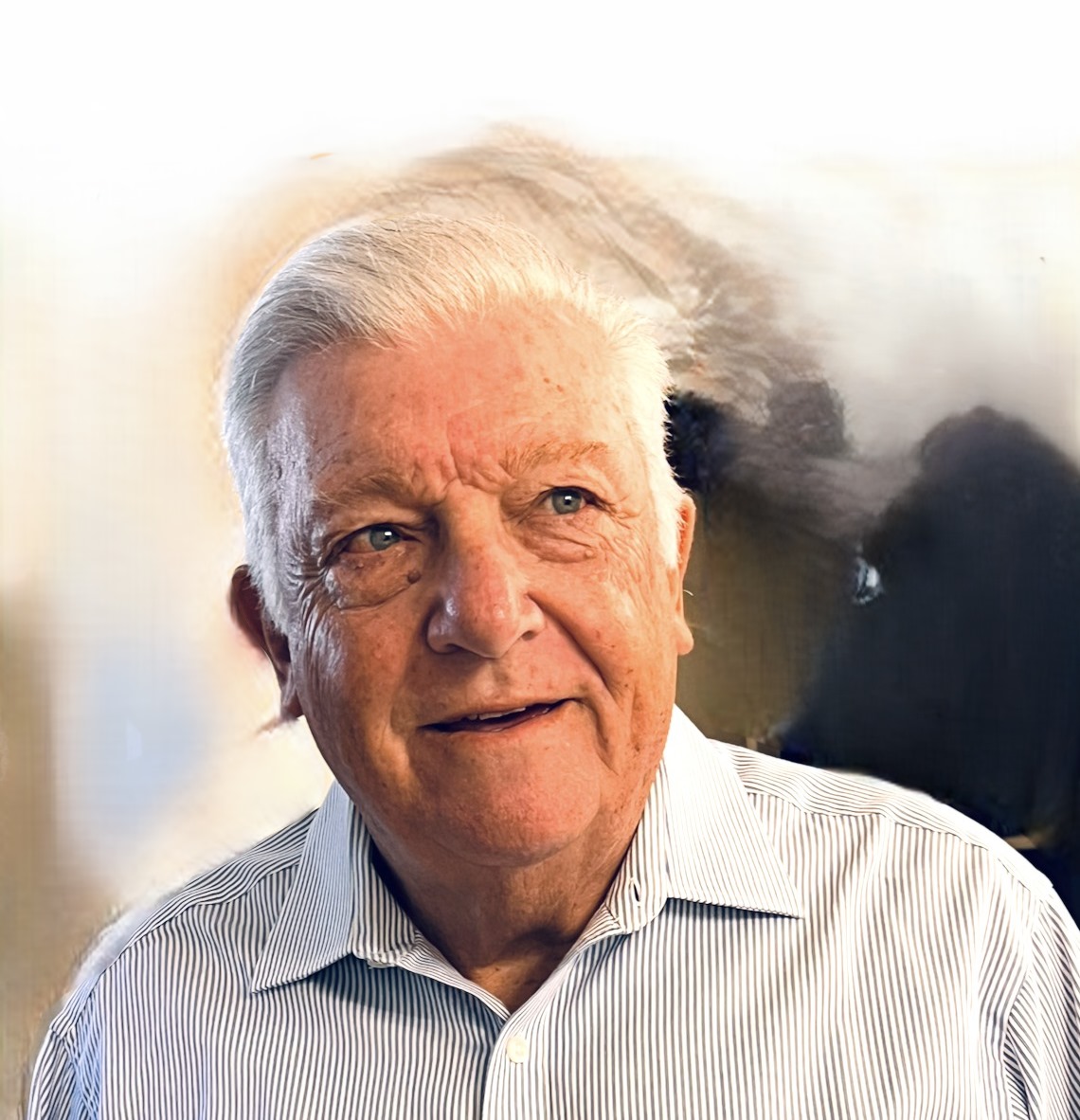
In today’s world, personal growth often feels fragmented. Self-help trends lean heavily toward emotional intelligence (EQ) or spirituality but rarely explore how these powerful forces can work together.
Fred A. Kressaty’s book, Inner Harmony: Mastering Emotional & Spiritual Intelligence, bridges this gap, presenting a revolutionary approach to achieving balance and purpose.
By merging emotional and spiritual development, Fred provides readers with a comprehensive framework for managing life’s challenges with resilience and authenticity.
This innovative perspective has made Inner Harmony a standout in the crowded self-help genre, earning it a place on the shelves of readers seeking practical and profound guidance for living a fulfilled life.
The Missing Link Between Emotional and Spiritual Intelligence
While emotional intelligence emphasizes understanding and managing one’s emotions, spiritual intelligence leads to finding more profound meaning and purpose. These two intelligences are often treated as separate paths, but Fred argues they are deeply intertwined.
In Inner Harmony, he reveals how integrating EQ and SQ leads to holistic well-being, clarity, inner peace, and stronger relationships.
Fred explains that EQ helps us journey through the external world—our relationships, professional lives, and personal goals—while SQ connects us to the internal world of values, beliefs, and purpose.
By blending these intelligences, we can achieve a state of “inner harmony” that aligns our actions with our more profound truths.
The Practical Framework of Inner Harmony
One of the book’s key strengths is its practicality. Fred doesn’t just discuss theories; he offers readers a step-by-step guide to applying EQ and SQ principles in everyday life.
The book introduces readers to tools like mindfulness practices, emotional regulation techniques, and values-based decision-making. These methods help individuals build resilience, strengthen relationships, and lead more intentional lives.
The chapter on resilience is particularly impactful. It shows how emotional intelligence can help individuals bounce back from setbacks, while spiritual intelligence offers the perspective needed to find meaning in challenges.
Fred’s approach empowers readers to see adversity not as a roadblock but as an opportunity for growth.
Empathy and Connection: The Heart of Inner Harmony
Empathy is one of the book’s central themes, and Fred explores it through the lens of both EQ and SQ. Emotional intelligence enables us to understand others’ feelings, while spiritual intelligence helps us approach those feelings with compassion and a sense of interconnectedness. A dual perspective that transforms how we interact with others, fostering more profound, more meaningful connections.
Fred’s insights into authentic communication are especially relevant in today’s polarized world. By combining emotional awareness with spiritual values like patience and forgiveness, readers can approach difficult conversations with empathy and understanding, creating bridges instead of barriers.
Leadership Through EQ and SQ
Fred devotes much of the book to exploring how EQ and SQ can transform leadership. He argues that great leaders are not just emotionally intelligent—they are also spiritually grounded.
The book includes practical advice for integrating EQ and SQ into leadership practices, from using self-awareness to navigate tough decisions to employing empathy to connect with team members. Fred’s insights are backed by real-world examples, making the concepts easy to understand and apply.
The Role of Mindfulness in Integrating EQ and SQ
Mindfulness emerges as a key tool in Inner Harmony, as the bridge connecting emotional and spiritual intelligence. Fred introduces readers to mindfulness practices that enhance self-awareness, emotional regulation, and spiritual clarity.
By staying present and grounded, individuals can navigate their emotions more effectively and make decisions aligned with their values.
The book offers simple yet impactful exercises, such as mindful breathing and reflective journaling, that readers can incorporate into their daily routines. These practices help cultivate a sense of balance and perspective, even in the face of life’s challenges.
Why Inner Harmony Matters Today
Inner Harmony is a timely guide to achieving balance in an era marked by burnout, anxiety, and disconnection. Fred’s integrated approach addresses the root causes of these issues, offering readers the tools to lead more intentional and meaningful lives.
His focus on both emotional and spiritual growth ensures that the book resonates with a broad audience, from professionals seeking workplace balance to individuals looking to deepen their relationships.
The book’s emphasis on aligning actions with values is particularly impactful. In a culture that often prioritizes productivity over purpose, Inner Harmony encourages readers to pause, reflect, and reconnect with what truly matters.
The Vision Behind the Book
Fred A. Kressaty’s motivation for writing Inner Harmony stems from his journey of transformation. After a near-death experience in 2000, he underwent a profound spiritual awakening that reshaped his understanding of life’s challenges.
This moment inspired him to study the Bible, explore emotional intelligence, and ultimately develop a framework that integrates these insights.
For Fred, the book is more than a guide—it’s a mission. He hopes to empower readers to discover the tools within themselves to live with purpose, authenticity, and connection.
His approachable tone and relatable anecdotes make the book both inspiring and accessible, ensuring its message reaches those who need it most.
A Legacy of Balance and Purpose
As Fred A. Kressaty continues his work as a coach and counselor, Inner Harmony is the culmination of his life’s dedication to helping others. The book is not only a reflection of his professional expertise but also a testament to his belief in the transformative power of resilience, self-awareness, and faith.
Whether going through a personal crisis, seeking greater clarity in your relationships, or looking to lead purposefully, Inner Harmony: Mastering Emotional & Spiritual Intelligence offers a roadmap to a more balanced and fulfilling life.
Fred’s story and book remind us that balance is not about perfection but about alignment. Connecting our emotional and spiritual selves creates a foundation for resilience, connection, and lasting fulfilment.
To Purchase The Book, Visit:

Most teams don’t fall apart all at once. It happens slowly, missed conversations, quiet disengagement, people doing what’s required but nothing more.
Toba Ogunremi has spent years working inside care environments where that kind of shift is easy to miss until it starts affecting everything. Leading operations at Samorem Care in the UK, he has seen how systems can appear stable on the surface while teams underneath struggle to stay connected to their work.
One experience early in his career changed how he looks at leadership entirely.
He had taken over a team that wasn’t in crisis, but it wasn’t working well either. The people receiving care were safe, but they weren’t thriving. The same was true for the staff. There was no urgency, no energy, just routine.
The usual solution would have been to tighten control by setting new targets, increasing supervision, and creating performance plans. He didn’t do any of that.
“I started with conversations,” he says. “Real ones. Not rushed, not formal.”
One by one, he spoke to each team member. What came out wasn’t frustration with the job itself, but something quieter and harder to spot.
“They weren’t disengaged because they didn’t care,” he explains. “They were disengaged because they felt unseen.”
No one had asked what they thought. No one had taken the time to understand how they were coping. Over time, that absence had turned into distance. That moment stayed with him. It shaped how he leads today.
His approach is simple, but not always easy to apply: people perform better when they feel they belong.
He believes high performance usually comes when people feel like they genuinely belong and know that what they do actually matters.
In healthcare, where pressure is constant and expectations are high, this idea can sound secondary. The focus is often on outcomes, compliance, and efficiency. Toba doesn’t dismiss those things, but he questions what happens when they become the only focus.
Even when all the processes are in place, if the people delivering the care feel disconnected, it eventually reflects in the quality of the work.
At Samorem Care, this thinking shows up in small but consistent ways. Recruitment is not just about experience. It’s about how someone responds to people, how they handle pressure, and how they communicate. Once they are in, the focus shifts to keeping teams stable and supported, rather than constantly rotating staff or reacting only when something goes wrong. He also pays attention to how leaders show up day to day.
According to him, leadership is not just about giving direction; it’s about being present enough to understand what your team actually needs.
That presence matters more in care than in most industries. The work is demanding, often emotional, and not always recognised for what it takes. When teams feel stretched or overlooked, it affects how they interact with the people they support.
For Toba, resilience is less about constant pressure and more about creating a work environment where people can do their jobs well without burning out. In his view, strong teams are not just coping; they are supported enough to stay clear-headed and consistent in their work.
His background outside healthcare still shapes how he leads. Having worked in sales and communications, he understands how important it is to read people and build trust. In healthcare, though, the impact is far more direct, as decisions affect someone’s everyday life, not just an outcome on paper.
That shift makes leadership more personal. Teams need more than instructions; they need stability, clarity, and a sense that they are understood. What defines Toba Ogunremi’s approach is its simplicity. He focuses on being consistent, listening carefully, and addressing issues early rather than reacting late.
In the end, his belief is straightforward: teams perform better not because they are pushed harder, but because they feel valued and part of something that works.
-

 Tech5 years ago
Effuel Reviews (2021) – Effuel ECO OBD2 Saves Fuel, and Reduce Gas Cost? Effuel Customer Reviews
-
 Tech7 years ago
Bosch Power Tools India Launches ‘Cordless Matlab Bosch’ Campaign to Demonstrate the Power of Cordless
-

 Lifestyle7 years ago
Catholic Cases App brings Church’s Moral Teachings to Androids and iPhones
-

 Lifestyle5 years ago
East Side Hype x Billionaire Boys Club. Hottest New Streetwear Releases in Utah.
-

 Tech8 years ago
Cloud Buyers & Investors to Profit in the Future
-

 Lifestyle6 years ago
The Midas of Cosmetic Dermatology: Dr. Simon Ourian
-

 Health7 years ago
CBDistillery Review: Is it a scam?
-

 Entertainment7 years ago
Avengers Endgame now Available on 123Movies for Download & Streaming for Free