
Health
Exploring high-level nursing roles

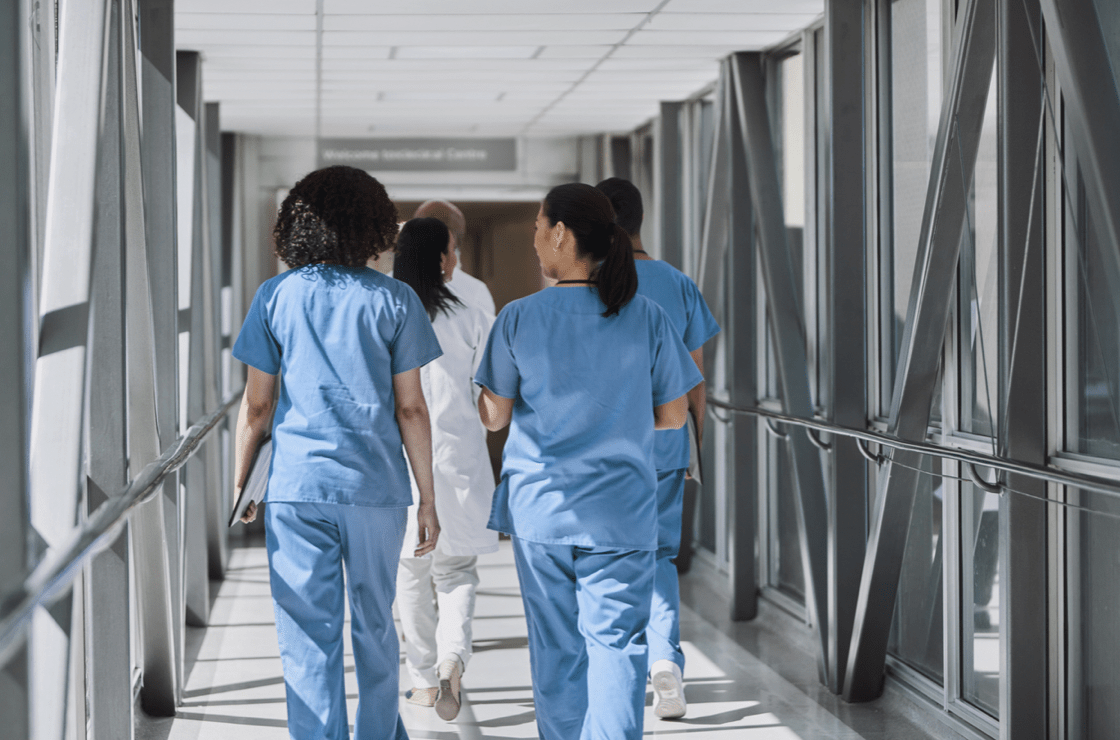
The healthcare system is evolving and requires high-level scientific knowledge and expert practice to achieve the best patient outcomes. Advanced education in nursing is becoming more popular, with nurses wanting more influence and autonomy. The Master of Science in Nursing (MSN) qualification brings new career opportunities for nurses, such as becoming family nurse practitioners, midwives and educators. The Doctor of Nursing Practice (DNP) builds on the master-level programs and can lead to various career paths including health care executive, nursing faculty and clinical researcher. Studying at this level takes commitment and dedication and brings the rewards of greater job opportunities and a rewarding work role.
Considering advanced nursing courses
Both the Master of Science in Nursing (MSN) and Doctor of Nursing Practice (DNP) are graduate nursing degrees but differ in course length and student career goals. In general, the MSN degree has traditionally been for nurses who are going to specialize clinically, whereas the DNP has been for nurses looking for leadership positions. However, there can be an overlap in the types of careers followed by graduates from both degrees. Nurses from both programs are prepared by their courses to work in advanced practice, and there are opportunities to work in such roles as nurse educators and nurse leaders. The DNP is the highest level of nursing degree, and students are prepared through the course for advanced practice roles related to leadership, administration and the analysis of evidence-based research.
Nurses who wish to deliver the most advanced nursing practice can progress from MSN to DNP by taking the Doctor of Nursing Practice (DNP); the highest level degree in nursing. Walsh University offers this clinically focused program, that prepares students for leadership roles where they can influence the future of healthcare.
Both the MSN and DNP programs equip graduates with the skills used in nursing such as solving problems, triaging patients and being a leader. Both degrees offer the opportunity to explore more specialized fields of study than the broader education provided by a bachelor’s degree. The main difference between the MSN and DNP is that the DNP is the highest level of degree in nursing and it prepares nurses for the highest level of practice, particularly leadership positions. The MSN does cover some of the same curriculum as the DNP but is designed to allow nurses to qualify as advanced practice registered nurses (APRNs). For example, a nurse practitioner with an MSN degree may work as a critical care practitioner delivering bedside care, while a nurse practitioner with a DNP degree may deliver care while also leading a nursing team. The DNP prepares nurses for specialization while also offering additional career opportunities, such as becoming a healthcare lobbyist or clinical researcher.
The need for nurses with advanced skills
The numbers of older people have increased and this has created a greater demand for healthcare services. More people are living with chronic diseases including arthritis, diabetes, hypertension, mental health conditions and cardiovascular disease. With the physician and nursing shortage, this means that advanced practice nurses are in great demand and play a significant role in primary and acute care. They make a difference in underserved communities, improving access to healthcare and advocating for better services. These nurses can provide some of the services offered by physicians as well as nursing care. With advanced degrees, nurses can provide critical healthcare services and meet the needs of diverse populations. They can improve access to healthcare and yield significant improvement in patient outcomes. Healthcare organizations need nurses with a specialized skillset to deliver quality care to patients and ensure health services are meeting population needs.
The Master of Science in Nursing (MSN) degree in detail
Pursuing an MSN degree brings new career opportunities for nurses in different settings. This degree program provides specialized education that can prepare students to become an APRN. Graduates have the knowledge and skills to participate in developing healthcare policies, providing advanced patient care and serving as leaders in the nursing profession. Students can focus on a master’s degree in a non-direct healthcare role – such as management, education or health information systems – or choose a direct patient care role through an APRN pathway which may lead to becoming a nurse practitioner. All APRNs must complete the MSN degree as well as certifications for their specialty.
Nurses are taught to assess, diagnose and treat patients as well as manage their overall care. Specializations include pediatrics, adult gerontology, psychiatric mental health and family practice. The MSN program teaches skills that will be used every day in nursing, such as prescribing medication, making decisions and how to conduct a physical examination. The scope of practice can differ depending on the career pathway a student chooses to pursue. For example, a nurse midwife program teaches prescribing medication, deciding treatments, diagnosis, and caring for women and babies. A nurse practitioner program teaches direct patient care skills including prescribing medication, performing check-ups, and diagnosing and treating illnesses or injuries.
The master’s program prepares nurses to work independently, but each state determines the scope of practice, including in relation to prescribing medication and deciding treatment options. Many MSN programs require applicants to have a bachelor’s degree in nursing (BSN) and a current RN license. Programs can have different work experience requirements, but they typically expect at least one or two more years of experience. On average, the MSN program takes two to three years, including a clinical placement. Coursework covers clinical practice, management, social sciences, nursing informatics, physical science and advanced nursing theory.
The Doctor of Nursing Practice (DNP) degree in detail
The DNP is a prestigious qualification. It provides an advanced nursing practice degree and it is an alternative to research-based doctoral programs. The DNP prepares nurse leaders for the highest level of nursing to improve patient care and use research to inform practice. DNP nurses may choose to specialize in one of many different fields and can potentially hold leadership positions. They can become nurse educators and use their specialized knowledge to teach nurses in college. They can also become patient advocates and guide patients through the healthcare system, ensuring they connect with the correct resources and their needs are met. In addition to these upper-level, specialized roles, a DNP degree can prepare students for some of the same roles as the MSN, including family nurse practitioner and nurse anesthetist.
The doctorate builds on the MSN curriculum to develop competent and highly qualified providers in various fields. Graduates bring high levels of scientific knowledge and practice expertise to achieving quality patient outcomes. The DNP curriculum goes beyond master-level programs by including systems leadership, quality improvement, team management and evidence-based practice. DNPs play an important role in healthcare through direct patient care, organizational leadership and health policy implementation. This degree brings opportunities for expanded responsibility, research and clinical decision-making. Nurses prepared through the DNP degree gain advanced clinical skills and systems thinking, allowing them to take responsibility for individual and population health needs. The DNP qualification allows nurses to consider many career options, whether caring for a vulnerable population, mentoring other nurses or leading change in practice.
The DNP program includes clinical experience and classroom instruction, allowing nurses to enhance their knowledge and skills, and provide high-quality practice. It can benefit nurses to gain experience as a registered nurse and complete the MSN before applying for the DNP. The DNP program can take as little as five semesters for full-time students and eight for part-time students. Nurses with DNPs are sought after by employers and have many opportunities to work overseas. They have nursing expertise and are considered influential figures in healthcare.
Opportunities for nurses with advanced skills
Nurses work closely with patients and play a significant part in advancing healthcare. Nurses are the largest group of healthcare professionals and are essential in keeping patients at the center of healthcare and providing high-quality care. The American Association of Colleges of Nurses (AACN’s) Position Statement recommended that all nursing leaders should have a doctoral degree. A survey on DNP graduates was conducted by the RAND Corporation in 2015, sponsored by AACN, and found that they add unique value to their organizations, and many employers feel that they can see the bigger picture and bring about change. DNP graduates were highly satisfied with their decision to obtain a DNP degree; 95% were satisfied, including 71% who were extremely satisfied.
Online degree programs can work well for full-time nurses who want to further their education. Technology advances have resulted in well-designed online degrees and effective teaching methods. Lectures are recorded so studying can take place at a convenient time. Students can interact virtually and learn from others in different roles and settings. Nurses can apply what they learn to the workplace, making learning more meaningful.
Qualifying with advanced degrees can allow nurses to pursue many career pathways. The MSN and DNP programs prepare nurses to work in advanced practice and leadership positions. The MSN allows nurses to qualify as APRNs and specialize in roles such as becoming a nurse practitioner. The DNP is the highest possible nursing degree that builds on the MSN curriculum and prepares nurses for the highest levels of practice and leadership positions. The shortage of nurses and physicians, and greater demands on healthcare, have created a need for highly qualified nurses who can improve patient outcomes, deliver care in underserved communities and make valuable contributions in leadership roles. Healthcare organizations recognize that nursing expertise is vital to future healthcare services.
Health
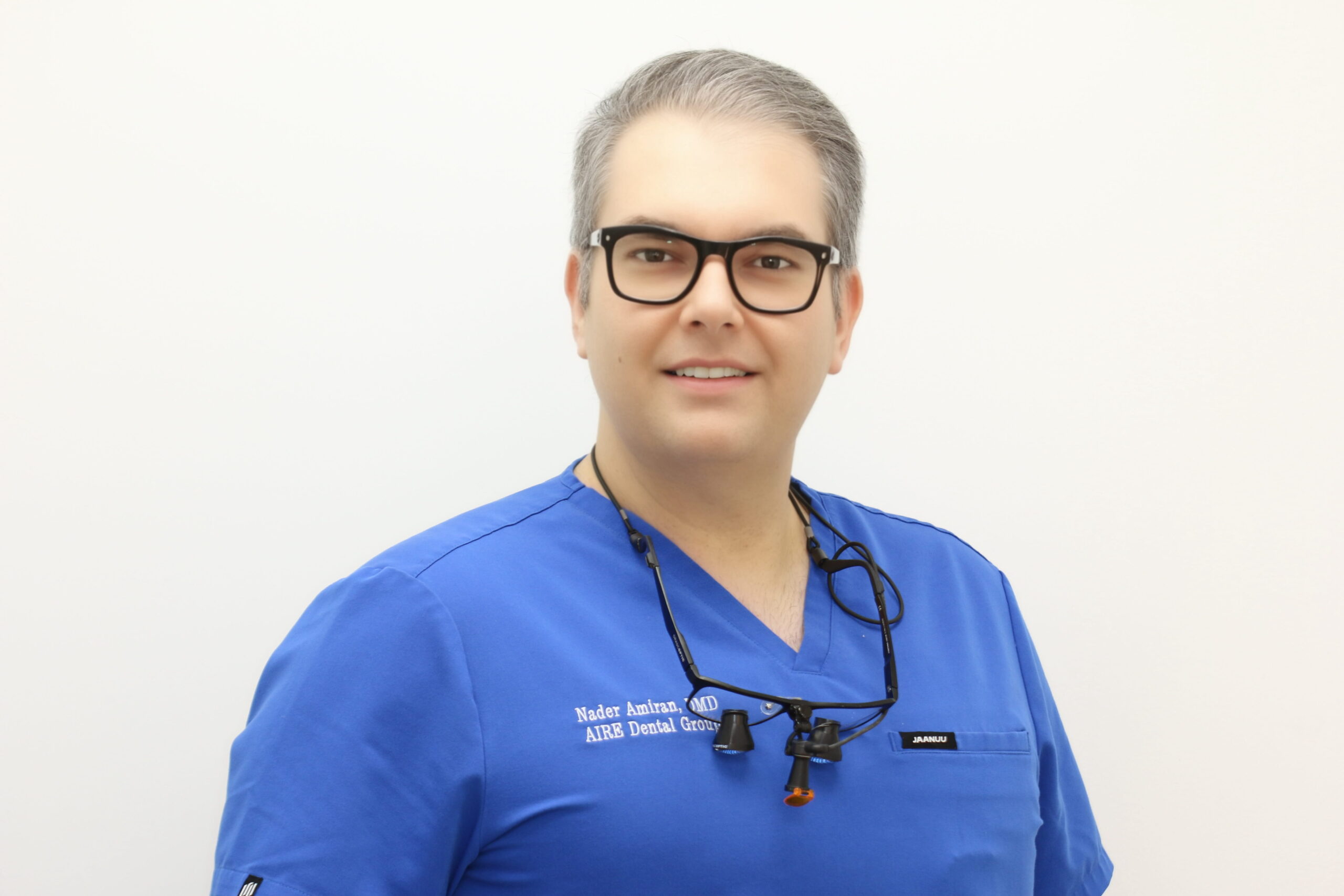
Precision with Compassion: How Dr. Nader Amiran Balances Clinical Expertise with Human Connection
Somewhere along the way, healthcare became fast, technical, and transactional. Patients learned to nod along, accept explanations they barely understood, and hope the treatment worked.
Dr. Nader Amiran chose a different path. At AIRE Dental Group, he has built a reputation not just for clinical accuracy, but for the way he connects with people before he ever connects the data. His work sits at the intersection of science and trust, where listening is not a courtesy, but a diagnostic tool.
For Dr. Amiran, empathy is not a soft skill layered on top of technical expertise. It is the foundation of precision. He believes you cannot treat what you do not fully understand, and understanding begins long before imaging or exams. It starts with hearing how a patient lives, where their discomfort shows up, and how long they have been carrying it.
This philosophy shapes every interaction in his practice. Consultations are unhurried. Questions are encouraged. Patients are not rushed toward conclusions. Instead, Dr. Amiran takes time to understand the full picture, knowing that pain rarely exists in isolation. Jaw discomfort, headaches, or bite changes often come with frustration, fear, or confusion after years of unanswered questions. Those emotions matter because they influence how patients experience care.
One of the defining elements of his approach is how he explains complex findings. Dentistry, especially TMJ and functional care, can feel overwhelming. Dr. Amiran makes it accessible. He uses visuals, models, and imaging to show patients what is happening inside their own bodies. The goal is clarity, not complexity. When patients understand what is causing their symptoms, anxiety gives way to confidence. Studies have shown that patients forget between 40% and 80% of the medical information provided by healthcare practitioners immediately, which highlights the importance of clear explanations and visual education during consultations.
This commitment to education did not come without challenges. Early in his career, Dr. Amiran often treated patients who had already seen multiple providers and still felt stuck. Many had received treatment without ever truly understanding their diagnosis. Those experiences reinforced an important lesson: even the most accurate clinical decision loses impact if the patient feels excluded from the process. The role of patient education in improving compliance and treatment outcomes has been widely supported in clinical literature evaluating communication strategies in healthcare (Kessels, 2003).
In response, he made education central to care. Treatment plans are discussed in plain language, with a clear explanation of why each step matters. Patients are invited into the decision-making process rather than being handed instructions. This approach builds trust, but it also improves outcomes. When people understand their condition, they are more engaged and more invested in maintaining progress. Studies evaluating patient-centered care models have demonstrated that involving patients in treatment decisions improves adherence and satisfaction rates (Street et al., 2009).
Precision still plays a critical role. Dr. Amiran relies on advanced diagnostics, careful evaluation, and evidence-based planning. Technology provides valuable insight, but he is clear about its role. Data informs decisions; it does not replace judgment. Imaging shows structure, but listening reveals context. Together, they create a more complete understanding than either could alone.
What sets his work apart is how seamlessly these elements come together. Clinical accuracy does not overshadow compassion, and empathy does not dilute rigor. Each strengthens the other. By treating patients as partners rather than problems to solve, Dr. Amiran creates an environment where healing feels collaborative, not imposed.
At AIRE Dental Group, patients often describe a shift in how they experience care. For the first time, they feel heard. For the first time, the explanation makes sense. That sense of clarity changes everything. It turns treatment from something that happens to them into something they actively participate in.
Dr. Nader Amiran’s approach challenges a common assumption in modern medicine: that efficiency and empathy cannot coexist. His work proves they can. When precision is guided by understanding, results last longer, trust runs deeper, and care feels human again.
In a field driven by innovation, his philosophy is a reminder that the most powerful tool in dentistry is still the ability to listen.
References:
Kessels RPC.
Patients’ memory for medical information.
Journal of the Royal Society of Medicine. 2003.
Street RL, Makoul G, Arora NK, Epstein RM.
How does communication heal? Pathways linking clinician–patient communication to health outcomes.
Patient Education and Counseling. 2009.
-

 Tech5 years ago
Effuel Reviews (2021) – Effuel ECO OBD2 Saves Fuel, and Reduce Gas Cost? Effuel Customer Reviews
-
 Tech7 years ago
Bosch Power Tools India Launches ‘Cordless Matlab Bosch’ Campaign to Demonstrate the Power of Cordless
-

 Lifestyle7 years ago
Catholic Cases App brings Church’s Moral Teachings to Androids and iPhones
-

 Lifestyle5 years ago
East Side Hype x Billionaire Boys Club. Hottest New Streetwear Releases in Utah.
-

 Tech8 years ago
Cloud Buyers & Investors to Profit in the Future
-

 Lifestyle6 years ago
The Midas of Cosmetic Dermatology: Dr. Simon Ourian
-

 Health7 years ago
CBDistillery Review: Is it a scam?
-

 Entertainment7 years ago
Avengers Endgame now Available on 123Movies for Download & Streaming for Free