
Health
The Subtle Cues in Our Environment that Encourage Healthier Living


The choices we make each day regarding our diet, activity and lifestyle habits ultimately determine our health and wellbeing. Nonetheless, the surroundings we inhabit also actively influence those decisions, whether we realize it or not. Our built environment contains many subtle cues that either promote or impede healthy behaviors. With thoughtful awareness, we can leverage and shape these cues to nudge ourselves toward more positive choices.
Architectural Cues for Active Living
Urban design and infrastructure elements play a major role in our activity levels. Visible, accessible staircases encourage climbing over passive elevator use. Features like centrally located, attractive stairwells bathed in natural light make stairs hard to ignore. Artwork beautifies the ascent while music enlivens acoustics. Placing stairwells near prominent gathering areas also maximizes exposure and use. Conversely, hidden dreary stairwells discourage climbing. Building layouts should make stairways the default for short trips. Thoughtful design embeds activity into daily routines.
Outside, continuous sidewalks and protected bike lanes provide clear cues that active transit is safe and expected. Ample parking signals driving is preferable. Traffic calming measures like speed humps and narrowed lanes imprint mental cautions for vehicles to accommodate bikes and pedestrians. Sidewalk street furniture and plantings buffer walkers from traffic. Crosswalks, pedestrian signals, and refuge islands imprint rights of way. Complete Streets redesign allocates fair space for diverse safe use. Our infrastructure surroundings can literally pave the path for active living.
Office and Home Cues
Subtle factors within buildings also affect activity and diet. Kitchen placement, for instance, affects our choices. Research shows open concept kitchens integrated into living areas encourage more healthful cooking and family meals than closed off kitchens. Islands and open shelving provide visual snack cues that can either prompt cravings or showcase fruits, nuts, and other healthy grabs. Kitchens sited near entries or offices also maximize visibility and food prep use rather than distant basement kitchens.
At offices, centrally located shared spaces like break rooms, cafes and snack nooks encourage communal meals, informal gatherings and refueling walks to retrieve snacks. Providing showers, bike racks and lockers signals active commuting is valued. Standing and treadmill desks prompt movement during sedentary work, while choice architecture guides selections from communal food areas. Simple environmental adjustments nudge better decisions.
Nutritional Cues at Markets and Restaurants
Eateries and markets harbor cues that stimulate cravings along with willpower depletion. Certain lighting, music, and décor stimulate overindulgence. Cues that unconsciously hurry patrons undermine reasoned decisions. Scented air surrounding baked goods stalls awakens salivation and desire. Strategic menu design also sways choices. Listing unhealthy items first or at eye level suppresses willpower. Descriptive names romanticize less healthy options. Menu formatting can also highlight nutritious dishes and portion guidance. Markets use product placement for maximizing impulse grabs. Though subtle, environmental exposures across stores and eateries significantly sway our eating choices.
Cues for Hydration and Rest
Proper hydration and sleep are imperative for our wellbeing but are easily overlooked when immersed in urban settings and schedules. Environmental design can combat these gaps through strategic cues. Plentiful public water fountains provide visual refreshment reminders throughout cities, while placing restrooms near fountains links the hydration notion. Cafes position chilled water dispensers up front for thirst-quenching without calories. Homes and offices forget hydration less with decorative pitchers and glasses on tables. Lighting design is key for sleep cues. Dimming lights in workplaces and warm home lighting provide visual preparation for rest. Cool-toned blue hues stimulate and signal awakening. Our surroundings can cue us to drink and sleep wisely.
Signage and Sensory Cues
Explicit signs offer direct visual cues to healthier behaviors – such as a no smoking sign that prompts at entrances. Staircases could feature plaques tallying burned calories. Cafeterias may display encouragements to take smaller portions or try vegetable sides. Signs foster mindfulness and restraint at choice points. Sensory cues also guide behaviors. Smells eliciting happiness or calm can de-stress environments. Soothing natural sounds and music relax tense settings. Harsh lighting and noise stimulate frenetic energy and impulsiveness. Pleasant sensory experiences invite more mindful, deliberate choices. Uplifting cues infuse healthy messaging into spaces.
Art and Nature Cues for Wellbeing
Artwork carrying uplifting themes or depicting healthy activities, fruits and vegetables, serene nature and joyful gatherings infuses visual positivity into surroundings. Murals and wall graphics remind us what truly matters for wellbeing. Images are digestible in passing, sinking into the subconscious. Vibrant, thriving plants and greenery provide natural visual relief and comfort that lower stress. Decor mimicking natural materials brings warmer textures. Spatial flow mimicking nature’s curves calms minds. Natural light and windows boost mentality and sleep cycle regulation. Thoughtful touches of art and nature foster mental balance, positivity, and healthy choices.
Conclusion
Our everyday surroundings contain many subtle influences on our diet, activity, sleep, and lifestyle, either promoting or hindering health. But heightened awareness of these cues allows us to consciously reshape environments for encouraging wiser choices. Simple changes to architecture, office layouts, signage, lighting, art, and nature contact encourage movement, nutrition, and wellbeing. Our minds absorb ambient cues, so design wisely. When supportive healthy cues surround us, positive habits become a little easier, more inviting, and purposeful. Think about cues you could shift for better living. Small nudges in public spaces and our homes can guide us all toward healthier, more thoughtful lives.
Health
Precision with Compassion: How Dr. Nader Amiran Balances Clinical Expertise with Human Connection
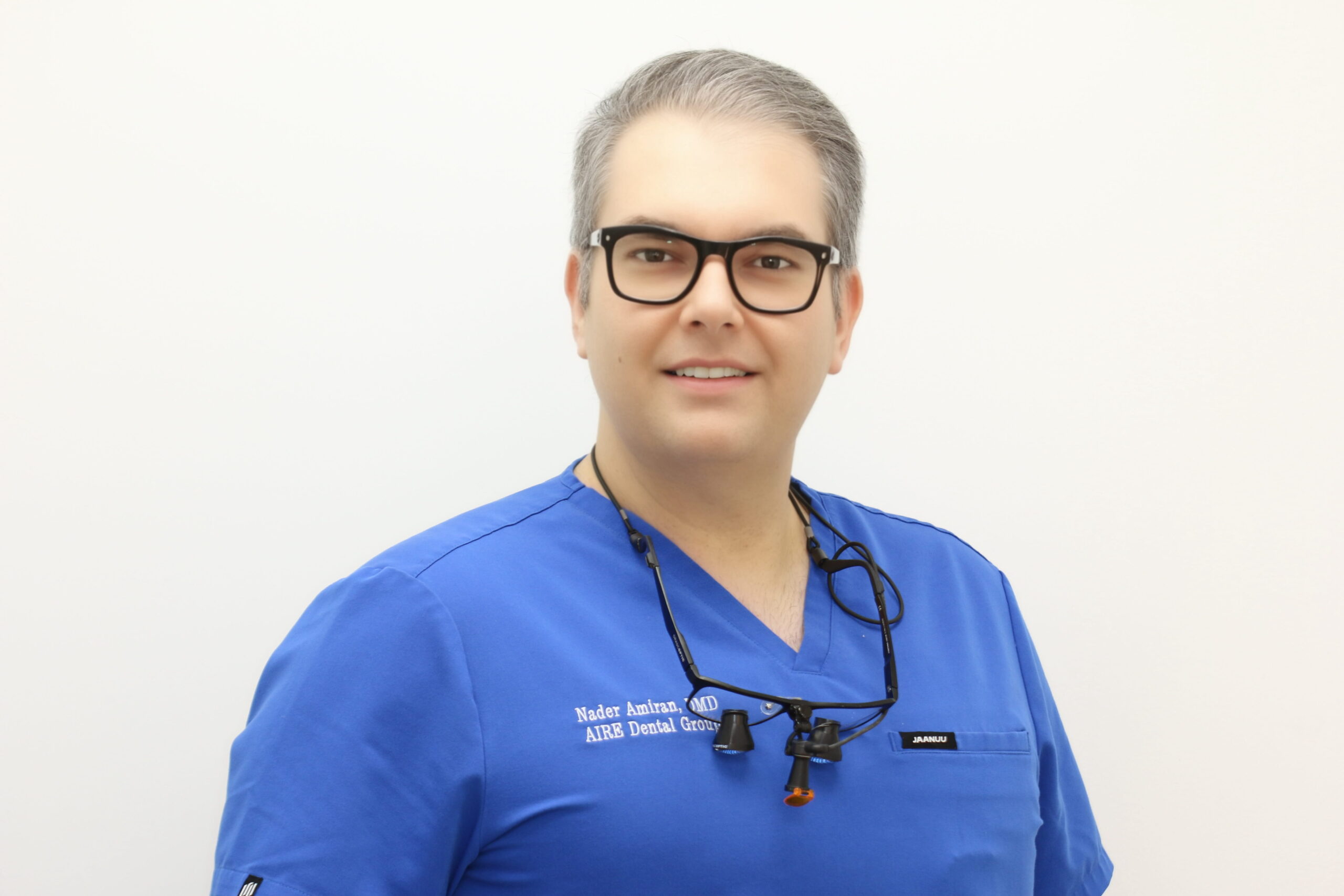
Somewhere along the way, healthcare became fast, technical, and transactional. Patients learned to nod along, accept explanations they barely understood, and hope the treatment worked.
Dr. Nader Amiran chose a different path. At AIRE Dental Group, he has built a reputation not just for clinical accuracy, but for the way he connects with people before he ever connects the data. His work sits at the intersection of science and trust, where listening is not a courtesy, but a diagnostic tool.
For Dr. Amiran, empathy is not a soft skill layered on top of technical expertise. It is the foundation of precision. He believes you cannot treat what you do not fully understand, and understanding begins long before imaging or exams. It starts with hearing how a patient lives, where their discomfort shows up, and how long they have been carrying it.
This philosophy shapes every interaction in his practice. Consultations are unhurried. Questions are encouraged. Patients are not rushed toward conclusions. Instead, Dr. Amiran takes time to understand the full picture, knowing that pain rarely exists in isolation. Jaw discomfort, headaches, or bite changes often come with frustration, fear, or confusion after years of unanswered questions. Those emotions matter because they influence how patients experience care.
One of the defining elements of his approach is how he explains complex findings. Dentistry, especially TMJ and functional care, can feel overwhelming. Dr. Amiran makes it accessible. He uses visuals, models, and imaging to show patients what is happening inside their own bodies. The goal is clarity, not complexity. When patients understand what is causing their symptoms, anxiety gives way to confidence. Studies have shown that patients forget between 40% and 80% of the medical information provided by healthcare practitioners immediately, which highlights the importance of clear explanations and visual education during consultations.
This commitment to education did not come without challenges. Early in his career, Dr. Amiran often treated patients who had already seen multiple providers and still felt stuck. Many had received treatment without ever truly understanding their diagnosis. Those experiences reinforced an important lesson: even the most accurate clinical decision loses impact if the patient feels excluded from the process. The role of patient education in improving compliance and treatment outcomes has been widely supported in clinical literature evaluating communication strategies in healthcare (Kessels, 2003).
In response, he made education central to care. Treatment plans are discussed in plain language, with a clear explanation of why each step matters. Patients are invited into the decision-making process rather than being handed instructions. This approach builds trust, but it also improves outcomes. When people understand their condition, they are more engaged and more invested in maintaining progress. Studies evaluating patient-centered care models have demonstrated that involving patients in treatment decisions improves adherence and satisfaction rates (Street et al., 2009).
Precision still plays a critical role. Dr. Amiran relies on advanced diagnostics, careful evaluation, and evidence-based planning. Technology provides valuable insight, but he is clear about its role. Data informs decisions; it does not replace judgment. Imaging shows structure, but listening reveals context. Together, they create a more complete understanding than either could alone.
What sets his work apart is how seamlessly these elements come together. Clinical accuracy does not overshadow compassion, and empathy does not dilute rigor. Each strengthens the other. By treating patients as partners rather than problems to solve, Dr. Amiran creates an environment where healing feels collaborative, not imposed.
At AIRE Dental Group, patients often describe a shift in how they experience care. For the first time, they feel heard. For the first time, the explanation makes sense. That sense of clarity changes everything. It turns treatment from something that happens to them into something they actively participate in.
Dr. Nader Amiran’s approach challenges a common assumption in modern medicine: that efficiency and empathy cannot coexist. His work proves they can. When precision is guided by understanding, results last longer, trust runs deeper, and care feels human again.
In a field driven by innovation, his philosophy is a reminder that the most powerful tool in dentistry is still the ability to listen.
References:
Kessels RPC.
Patients’ memory for medical information.
Journal of the Royal Society of Medicine. 2003.
Street RL, Makoul G, Arora NK, Epstein RM.
How does communication heal? Pathways linking clinician–patient communication to health outcomes.
Patient Education and Counseling. 2009.
-

 Tech5 years ago
Effuel Reviews (2021) – Effuel ECO OBD2 Saves Fuel, and Reduce Gas Cost? Effuel Customer Reviews
-
 Tech7 years ago
Bosch Power Tools India Launches ‘Cordless Matlab Bosch’ Campaign to Demonstrate the Power of Cordless
-

 Lifestyle7 years ago
Catholic Cases App brings Church’s Moral Teachings to Androids and iPhones
-

 Lifestyle5 years ago
East Side Hype x Billionaire Boys Club. Hottest New Streetwear Releases in Utah.
-

 Tech8 years ago
Cloud Buyers & Investors to Profit in the Future
-

 Lifestyle6 years ago
The Midas of Cosmetic Dermatology: Dr. Simon Ourian
-

 Health7 years ago
CBDistillery Review: Is it a scam?
-

 Entertainment7 years ago
Avengers Endgame now Available on 123Movies for Download & Streaming for Free