
Business
Top Digital Marketing Trends to Watch in 2025

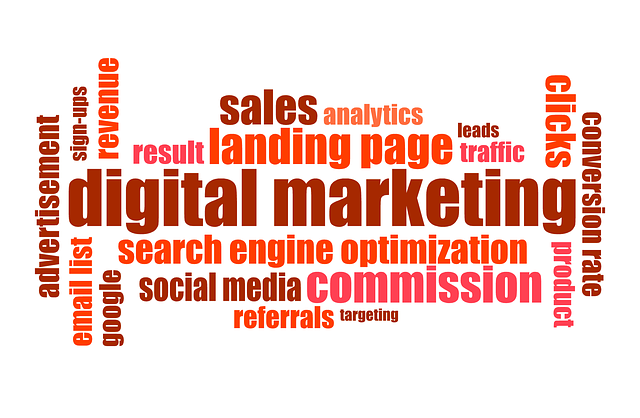
As we step into 2025, the digital marketing landscape continues to evolve at a breathtaking pace. Staying ahead of the curve is essential for businesses looking to thrive in an increasingly competitive online environment. From emerging technologies to shifting consumer behaviours, here are the top digital marketing trends to watch in 2025.
The Rise of AI-Powered Marketing
Artificial Intelligence (AI) continues to redefine how marketers create and deliver content. AI-driven tools can now analyse consumer behaviour, predict trends, and personalise user experiences like never before. Businesses leveraging AI for predictive analytics, chatbots, and automated content creation are likely to gain a significant edge. For example, AI can enhance customer interactions by providing instant responses and tailored recommendations, improving engagement while freeing up valuable resources.
Voice Search Optimisation
With the continued proliferation of smart speakers and voice-activated devices, optimising for voice search is no longer optional. By 2025, it’s predicted that voice searches will make up a substantial portion of online queries. Businesses should focus on natural language keywords, concise answers to common questions, and creating FAQ-style content to capture this growing market.
Enhanced User Experiences on Websites
User experience (UX) remains a cornerstone of successful digital marketing. As search engines prioritise websites with intuitive, fast, and accessible designs, businesses must invest in optimising their digital presence. This is particularly critical in specialised industries like legal services, where potential clients expect seamless interactions. A well-optimised law firm website user experience can significantly boost engagement and conversion rates by ensuring that visitors can easily find the information they need.
The Growing Importance of Sustainability
Consumers in 2025 are more eco-conscious than ever – brands that showcase their commitment to sustainability will resonate strongly with their audiences. Whether it’s through eco-friendly packaging, transparent supply chains, or promoting green initiatives, weaving sustainability into your marketing strategy is vital for building trust and loyalty.
Video and Interactive Content Dominate
Video content continues to be a dominant force, but the trend is shifting towards shorter, more engaging formats. Platforms like TikTok and Instagram Reels have set the standard for bite-sized, impactful storytelling. On top of this, interactive content such as polls, quizzes, and augmented reality experiences can captivate audiences and foster deeper connections.
First-Party Data and Privacy
As data privacy regulations tighten globally, businesses need to pivot to first-party data strategies. Collecting and using data directly from customers with their consent ensures compliance while fostering trust. Email marketing, loyalty programs, and opt-in surveys are great ways to build a robust first-party data framework.
Social Commerce and Shoppable Content
Social media platforms are evolving into full-fledged e-commerce hubs. Features like in-app shopping and shoppable posts make it easier for consumers to purchase directly from their feeds. By blending entertaining content with seamless purchasing options, businesses can shorten the path to conversion.
The Expansion of Augmented Reality (AR)
Augmented Reality (AR) is becoming a powerful tool for marketers, offering immersive and interactive experiences that captivate audiences. From virtual try-ons to AR-enhanced advertisements, this technology enables brands to showcase products in innovative ways, helping consumers make confident purchasing decisions.
2025 promises to be a transformative year for digital marketing
From harnessing the power of AI to creating immersive AR experiences and enhancing website usability, businesses that embrace these trends will stand out in an ever-changing digital world. Staying informed and adaptable is the key to thriving in this exciting era of innovation. Adopting these trends now ensures you’re not only meeting the expectations of today’s consumers but also preparing for the future. Stay ahead by embracing innovation and focusing on delivering value in every interaction.

How technology drives value creation in private equity is now one of the most actively debated topics among institutional investors and fund managers. A decade ago, technology was largely a cost center in PE-backed companies. Today it sits at the center of margin improvement, revenue growth, and exit multiple expansion. Firms that figured this out early are generating better returns with less reliance on financial engineering.
The shift happened for a practical reason. As interest rates rose and deal multiples compressed, financial leverage stopped doing the heavy lifting. Operational improvement became the primary value creation lever. Technology accelerated what was possible within the ownership period.
How Technology Drives Value Creation in Private Equity Operations
Operational improvement through technology produces the most measurable results. PE firms apply technology tools to reduce costs, increase throughput, and improve decision-making speed inside their companies.
Digital Process Automation in PE-Backed Companies
Manual processes in back-office and production functions carry real costs. They consume labor, generate errors, and slow down the information flow that management teams depend on. Automation tools eliminate these costs without requiring headcount reductions that disrupt company culture.
The most impactful automation deployments in PE-backed operations include:
- Accounts payable and receivable automation that compresses billing cycles and reduces days sales outstanding
- Production scheduling software that reduces downtime and improves throughput in manufacturing environments
- Inventory management systems that cut carrying costs by aligning purchasing with real-time demand signals
- Quality control automation that reduces defect rates and warranty claims in product-based businesses
ZCG Consulting (“ZCGC”) works with companies across industrials, manufacturing, packaging, and consumer products to identify and implement automation programs tied to specific financial outcomes. The approach connects technology investment to measurable margin improvement rather than treating automation as a general upgrade.
Data Infrastructure as a Value Creation Tool
Many PE-backed companies arrive under new ownership with fragmented data systems. Different departments use different tools. Reporting requires manual consolidation. Leadership makes decisions with incomplete information.
Fixing that infrastructure creates immediate value. Integrated data systems give management teams real-time visibility into revenue, cost, and operational performance. That visibility accelerates decisions and surfaces problems before they become material.
James Zenni, founder and CEO of ZCG with over 30 years of capital markets experience, has consistently emphasized that information quality drives investment performance. That view shapes how ZCG approaches technology investment across the companies in its portfolio.
Technology Drives Value Creation in Private Equity Through Revenue Growth
Cost reduction gets most of the attention in PE operational improvement, but technology also drives revenue growth. The mechanisms are different, and they compound differently over a hold period.
E-Commerce and Digital Customer Acquisition
Companies that sell primarily through traditional channels often leave significant revenue on the table. Adding e-commerce capabilities or investing in digital customer acquisition expands the addressable market without proportional cost increases.
PE firms that invest in digital revenue channels generate higher growth rates during the hold period. That growth rate difference translates directly into exit multiple expansion.
Revenue growth technology applications in PE-backed companies include:
- E-commerce platform buildouts that open direct-to-consumer channels alongside existing wholesale relationships
- Customer relationship management systems that improve retention and increase repeat purchase rates
- Digital marketing infrastructure that lowers customer acquisition costs through better targeting and attribution
- Pricing optimization tools that identify margin improvement opportunities without volume loss
Technology-Enabled Customer Experience Improvements
Customer retention is cheaper than customer acquisition. Technology investments in customer experience, service speed, and product quality consistency reduce churn. Lower churn produces more predictable revenue. More predictable revenue supports higher exit valuations.
ZCG deploys Haptiq Technologies and Solutions, its 300-plus-person technology division, to support digital transformation across its companies. The platform was founded 20 years ago and manages approximately $8 billion in AUM. It brings implementation resources that most individual companies cannot afford to build internally. That capability gives ZCG’s companies faster access to technology improvements at lower execution risk.
Building Technology Capability Within PE-Backed Companies
Technology investment during the hold period creates value in two ways. It improves financial performance during ownership. It also makes the business more attractive to the next buyer.
Strategic buyers and later-stage PE funds pay premium multiples for companies with modern technology infrastructure. A business with integrated systems, clean data, and digital revenue channels commands a better price. A comparable business running on legacy platforms does not.
The ZCG Team structures technology investment as part of the initial value creation plan for each company. Priorities get set at entry based on the gap between current capability and acquirer expectations.
This pre-sale positioning approach changes how technology investment gets funded and sequenced during the hold period. Projects that improve financial performance and exit readiness simultaneously get prioritized. Projects with long payback periods that do not improve the sale narrative get deferred.
How technology drives value creation in private equity is ultimately about execution discipline. The tools matter less than the clarity of the financial objective each technology investment must achieve.
-

 Tech5 years ago
Effuel Reviews (2021) – Effuel ECO OBD2 Saves Fuel, and Reduce Gas Cost? Effuel Customer Reviews
-
 Tech7 years ago
Bosch Power Tools India Launches ‘Cordless Matlab Bosch’ Campaign to Demonstrate the Power of Cordless
-

 Lifestyle7 years ago
Catholic Cases App brings Church’s Moral Teachings to Androids and iPhones
-

 Lifestyle5 years ago
East Side Hype x Billionaire Boys Club. Hottest New Streetwear Releases in Utah.
-

 Tech7 years ago
Cloud Buyers & Investors to Profit in the Future
-

 Lifestyle6 years ago
The Midas of Cosmetic Dermatology: Dr. Simon Ourian
-

 Health7 years ago
CBDistillery Review: Is it a scam?
-

 Entertainment7 years ago
Avengers Endgame now Available on 123Movies for Download & Streaming for Free