
Lifestyle
When the Body Speaks: How Maryna Bilousova Helps Clients Heal Beyond the Physical

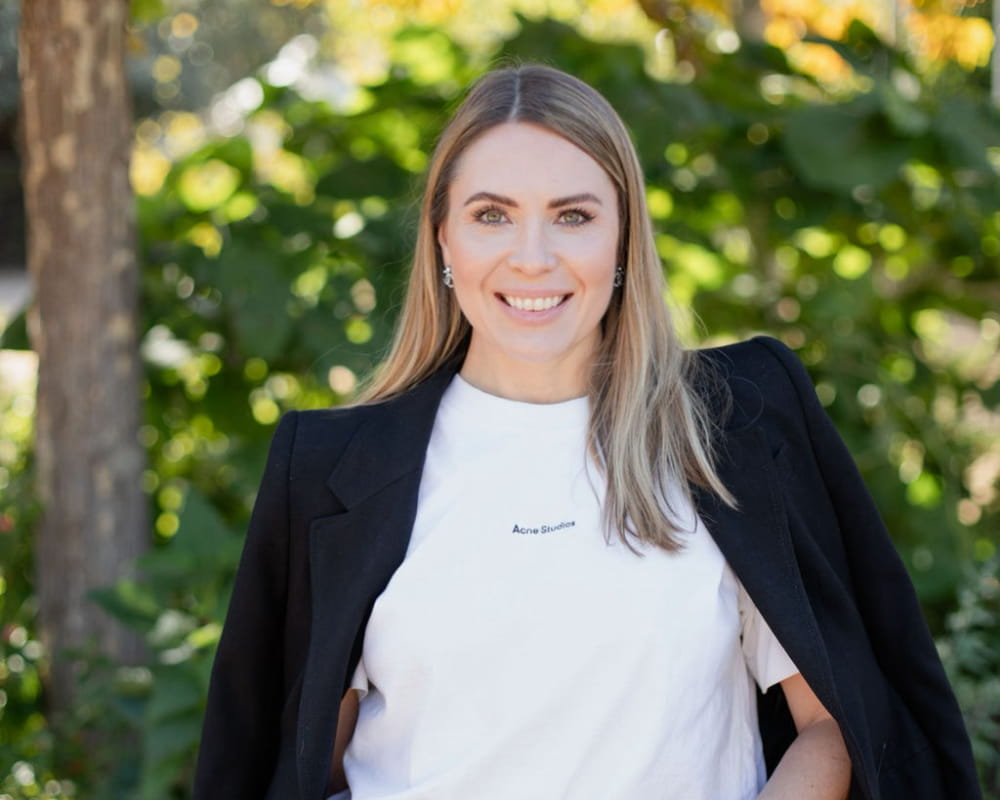
Our bodies hold onto what our minds try to forget until they speak up through tension, fatigue, or illness. It’s easy to overlook signs like tight shoulders, restlessness, or headaches. But often, these signals are connected to something deeper. Maryna Bilousova has built her work around helping people listen to what their bodies are really saying.
Like many of her clients, Maryna spent years in a high-stress environment, constantly pushing through. She knew how to perform, meet goals, and keep everything running. But peace was missing. Her body carried the weight of unspoken stress. That realization changed not only her life, it shaped how she supports others today as a transformation coach and subconscious pattern specialist.
Instead of focusing only on what’s visible, Maryna helps people look inward. She works with individuals who feel stuck in cycles they can’t explain, like burnout that does not go away or stress that feels out of proportion. Often, the root is not just a busy schedule. It’s emotional tension that’s been buried and ignored.
Looking Deeper Than Symptoms
Many people come to Maryna after trying traditional methods. They have done meditation apps, therapy sessions, or self-help routines. Still, something feels off. That’s where her work begins, not with fixing, but with listening.
She helps clients connect the dots between their physical symptoms and unresolved emotions. It’s not always about big trauma. Sometimes, it’s small moments that were never processed, guilt, grief, frustration, or shame. Over time, those emotions settle in the body.
Maryna recalls one client, a long-term cancer survivor, who returned years later with ovarian cysts. The physical fear was real, but so was the emotional weight she had been carrying from a past relationship full of betrayal and silence. Through their sessions, they uncovered and released that emotional residue. Weeks later, the cysts were gone. It was a reminder of how deeply the body can reflect our inner state.
Patterns That Keep Us Stuck
Maryna’s approach is not about chasing positivity or trying to fix everything at once. She focuses on patterns, how people speak to themselves, how they respond to stress, how they make decisions. Often, what feels like self-sabotage is actually an old belief playing out.
For example, someone who always avoids conflict might be carrying a belief that their needs don’t matter. Another who keeps overworking may feel that slowing down means they are falling behind. These beliefs often form early and show up in adulthood in ways that quietly run our lives.
Rather than offering surface-level solutions, Maryna holds space for clients to explore what’s really behind their choices. Her calm presence allows people to soften, reflect, and begin making changes that come from clarity, not pressure.
A Path Back to Yourself
The people Maryna works with are not looking for a quick fix. They want to feel lighter, clearer, and more like themselves again. Her clients often say that what changes is not just their mindset, it’s how they feel in their own skin. They start resting without guilt, setting boundaries without apology, and making choices that actually feel good.
Maryna believes that healing is not about doing more. It’s about slowing down enough to notice what your body and mind have been trying to say all along. When people start listening, they stop feeling like they have to fight themselves, and that’s when real change happens.
In a world that pushes us to ignore discomfort and keep going, Maryna offers something different: a place to pause, reflect, and reconnect. Because sometimes, healing does not start with doing, it starts with listening.

Most teams don’t fall apart all at once. It happens slowly, missed conversations, quiet disengagement, people doing what’s required but nothing more.
Toba Ogunremi has spent years working inside care environments where that kind of shift is easy to miss until it starts affecting everything. Leading operations at Samorem Care in the UK, he has seen how systems can appear stable on the surface while teams underneath struggle to stay connected to their work.
One experience early in his career changed how he looks at leadership entirely.
He had taken over a team that wasn’t in crisis, but it wasn’t working well either. The people receiving care were safe, but they weren’t thriving. The same was true for the staff. There was no urgency, no energy, just routine.
The usual solution would have been to tighten control by setting new targets, increasing supervision, and creating performance plans. He didn’t do any of that.
“I started with conversations,” he says. “Real ones. Not rushed, not formal.”
One by one, he spoke to each team member. What came out wasn’t frustration with the job itself, but something quieter and harder to spot.
“They weren’t disengaged because they didn’t care,” he explains. “They were disengaged because they felt unseen.”
No one had asked what they thought. No one had taken the time to understand how they were coping. Over time, that absence had turned into distance. That moment stayed with him. It shaped how he leads today.
His approach is simple, but not always easy to apply: people perform better when they feel they belong.
He believes high performance usually comes when people feel like they genuinely belong and know that what they do actually matters.
In healthcare, where pressure is constant and expectations are high, this idea can sound secondary. The focus is often on outcomes, compliance, and efficiency. Toba doesn’t dismiss those things, but he questions what happens when they become the only focus.
Even when all the processes are in place, if the people delivering the care feel disconnected, it eventually reflects in the quality of the work.
At Samorem Care, this thinking shows up in small but consistent ways. Recruitment is not just about experience. It’s about how someone responds to people, how they handle pressure, and how they communicate. Once they are in, the focus shifts to keeping teams stable and supported, rather than constantly rotating staff or reacting only when something goes wrong. He also pays attention to how leaders show up day to day.
According to him, leadership is not just about giving direction; it’s about being present enough to understand what your team actually needs.
That presence matters more in care than in most industries. The work is demanding, often emotional, and not always recognised for what it takes. When teams feel stretched or overlooked, it affects how they interact with the people they support.
For Toba, resilience is less about constant pressure and more about creating a work environment where people can do their jobs well without burning out. In his view, strong teams are not just coping; they are supported enough to stay clear-headed and consistent in their work.
His background outside healthcare still shapes how he leads. Having worked in sales and communications, he understands how important it is to read people and build trust. In healthcare, though, the impact is far more direct, as decisions affect someone’s everyday life, not just an outcome on paper.
That shift makes leadership more personal. Teams need more than instructions; they need stability, clarity, and a sense that they are understood. What defines Toba Ogunremi’s approach is its simplicity. He focuses on being consistent, listening carefully, and addressing issues early rather than reacting late.
In the end, his belief is straightforward: teams perform better not because they are pushed harder, but because they feel valued and part of something that works.
-

 Tech5 years ago
Effuel Reviews (2021) – Effuel ECO OBD2 Saves Fuel, and Reduce Gas Cost? Effuel Customer Reviews
-
 Tech7 years ago
Bosch Power Tools India Launches ‘Cordless Matlab Bosch’ Campaign to Demonstrate the Power of Cordless
-

 Lifestyle7 years ago
Catholic Cases App brings Church’s Moral Teachings to Androids and iPhones
-

 Lifestyle5 years ago
East Side Hype x Billionaire Boys Club. Hottest New Streetwear Releases in Utah.
-

 Tech8 years ago
Cloud Buyers & Investors to Profit in the Future
-

 Lifestyle6 years ago
The Midas of Cosmetic Dermatology: Dr. Simon Ourian
-

 Health7 years ago
CBDistillery Review: Is it a scam?
-

 Entertainment7 years ago
Avengers Endgame now Available on 123Movies for Download & Streaming for Free