
Lifestyle
A Safe Space for Healing: How Sherry Lou Canino Uses Art to Help Survivors Recover


Healing from trauma isn’t just about talking, it’s about finding ways to express what feels impossible to say. Sherry Lou Canino has dedicated her life to helping survivors of trauma find their way back to themselves. As a holistic trauma healer, coach, and artist, she believes that healing isn’t just about talking through pain, it’s about finding new ways to process and release it. Through creative expression, she empowers survivors to rebuild their confidence, reconnect with their emotions, and take back control of their lives.
For many, art is just a hobby. But for Sherry, it’s a lifeline, one that allows people to process pain, break destructive cycles, and rediscover themselves in a way that feels safe. Through art therapy, journaling, and creative self-expression, she guides survivors toward self-trust and emotional freedom. Now, she’s expanding her work, bringing these healing techniques to even more people through retreats, workshops, and creative tools.
A Life-Changing Moment in Art Therapy
Sherry’s connection to art therapy became deeply personal during her time leading group sessions for individuals with eating disorders. She often shared parts of her own life to create a sense of trust and openness. But one day, a young woman looked at her and said, “What you just described is an eating disorder.”
The words stopped her in her tracks. She had spent years helping others recognize their unhealthy coping mechanisms but had overlooked her own. That moment forced her to reflect, she realized she had been so focused on guiding others that she hadn’t been fully honest about her own healing.
That experience changed everything. It reinforced what she now teaches: healing isn’t about fixing someone, it’s about giving them the space and tools to heal themselves.
Art as a Tool for Emotional Release
Many survivors hesitate to explore art therapy, believing they aren’t creative. But Sherry removes the pressure to make “good” art. Her approach isn’t about skill, it’s about self-expression.
Trauma can make people feel disconnected from their emotions, afraid to express pain, or fear of being judged. Art offers a safe way to release emotions without needing to find the right words. Whether through painting, drawing, or journaling, survivors can put their feelings onto paper, allowing them to process what they may not even realize they’re holding inside.
In her sessions, she introduces art journaling, encouraging participants to create freely. Many find that it becomes a tool they return to on their own, a healthier way to cope with overwhelming emotions instead of falling back into destructive patterns.
Breaking the Cycle and Rebuilding Self-Trust
One of the biggest struggles trauma survivors face is relearning how to trust themselves. Years of gaslighting and manipulation can make them question their own instincts, making decisions feel overwhelming.
Through creative exercises, Canino helps survivors reconnect with their inner voice. By giving them a space to express their emotions freely, she teaches them that their feelings are valid and that they deserve to take up space.
She also reminds survivors that healing is not linear. Just like art, there’s no perfect way to do it. Some days will feel like progress; others will feel like setbacks. The key is to keep showing up for yourself, no matter how messy the process feels.
Expanding the Reach of Creative Healing
Sherry’s mission is growing. She’s currently working on two oracle decks designed specifically for survivors of narcissistic abuse. These decks will provide survivors with daily inspiration and self-reflection prompts, helping them connect with their emotions and intuition.
She’s also developing a “Healing the Inner Child” workshop, which will help survivors address deep-seated wounds that may have made them more vulnerable to toxic relationships in the first place. By healing those early experiences, they can finally break free from harmful patterns and step into a life of self-worth.
Her long-term vision includes in-person retreats and immersive experiences where survivors can gather in a supportive and safe environment to heal together. These retreats will combine art therapy, movement, and emotional processing, helping participants walk away with not just insights, but a renewed sense of self.
Your Healing Journey Starts Here
Healing isn’t just about leaving the past behind, it’s about choosing to create something new. Sherry’s work reminds survivors that they are not broken, they are evolving.
Sherry Lou Canino believes that everyone deserves a safe space to heal, to create, and to grow. Whether through art, journaling, or self-reflection, the journey begins with one small step. If you’re ready to rediscover your strength and reconnect with yourself, explore her programs, workshops, and upcoming retreats at Soulfully Wild.
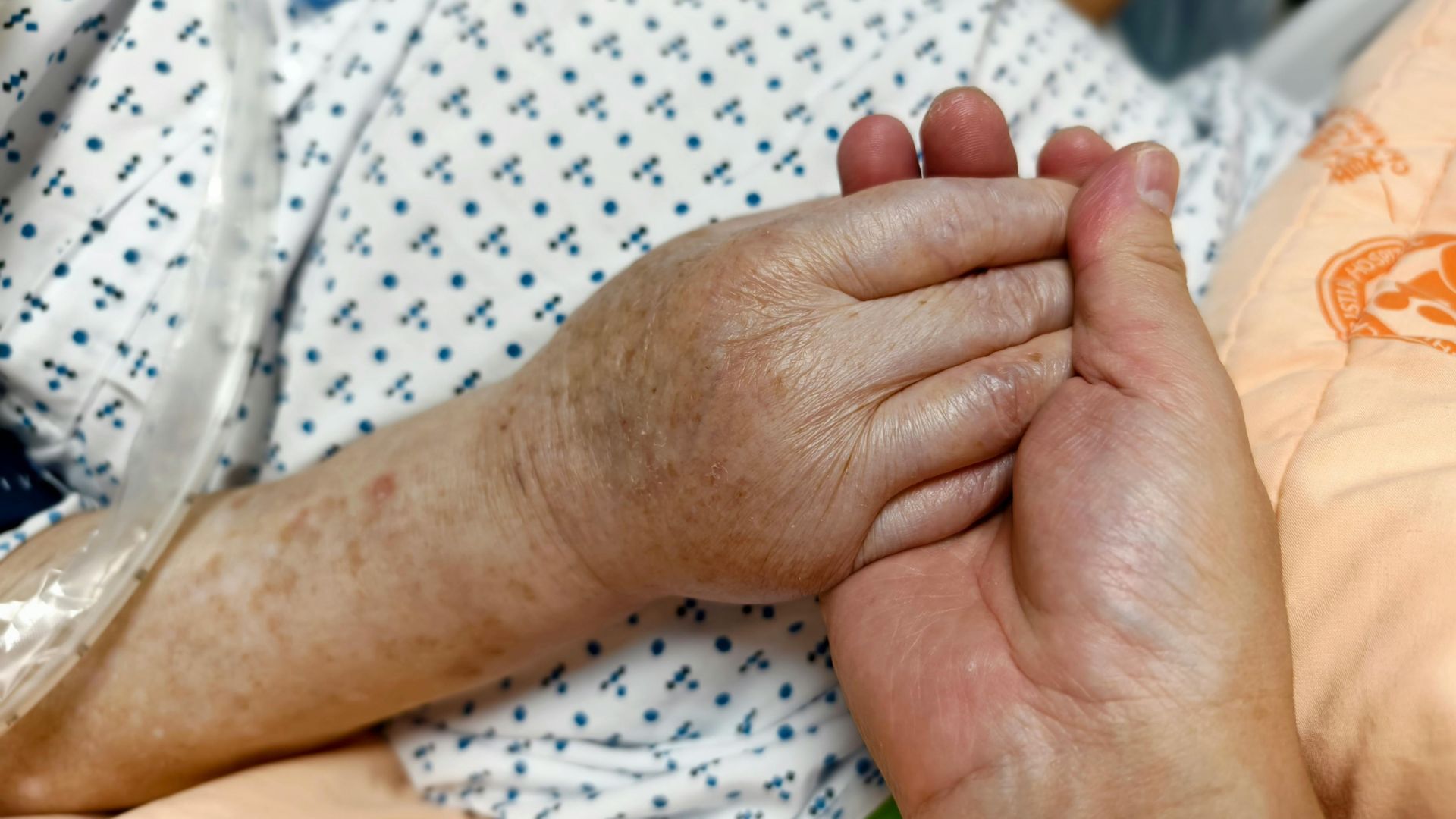
Some days feel hard in ways that are difficult to explain. A person may be dealing with illness, stress, grief, or plain exhaustion, and even the smallest task can feel bigger than usual. From the outside, it may not always be clear what to do. Still, one thoughtful act can shift the mood of the whole day.
That idea is easy to miss in a busy world. People are used to quick texts, rushed check-ins, and good intentions that never quite turn into action. Yet the gestures people remember most are usually simple. A handwritten note. A meal that shows up at the right time. A small gift that says someone thought ahead.
These moments matter because they make a person feel less alone. They do not fix everything, but they change the emotional temperature. They soften the day. They create a pause in the middle of stress, and that pause can mean more than people expect.
Why Small Acts of Kindness Feel So Powerful
When someone is going through a rough patch, support works best when it feels easy to receive. That is part of why a thoughtful get well care package can stand out. It does not ask much from the person receiving it. It simply arrives with comfort, warmth, and a quiet message of care.
That message matters. According to the CDC, social isolation and loneliness are linked to serious physical and mental health risks. Feeling supported is not just emotionally nice; it plays a real role in overall well-being. A caring gesture can remind someone that they are still connected to others, even on a day when life feels narrow and heavy.
There is also something powerful about specific care. A generic “hope you feel better” may be appreciated, but a practical, thoughtful gesture tends to land differently. It shows attention. It tells the recipient that someone slowed down long enough to think about what might actually help.
That could mean comfort food, a cozy blanket, tea, soup, or a short note with the right words at the right time. It could also mean sending something that helps a person rest without making another decision. On difficult days, reducing stress is often just as meaningful as offering encouragement.
The emotional effect of that kind of support can last far beyond the moment itself. People may forget what was said in a hard week, but they usually remember how others made them feel. A kind gesture says, “You do not have to carry this day by yourself.” That feeling can last for a long time.
Thoughtful Support Works Better Than Big Support
One reason small gestures work so well is that they do not need to be dramatic. In fact, the best support is often the least complicated. It does not draw attention to itself. It does not demand a big response. It simply meets a need with care.
That makes a difference in both personal and professional settings. In families and friendships, thoughtful support builds trust. In business, it can strengthen relationships in a way that feels human instead of transactional. Clients, coworkers, and partners notice when kindness feels genuine.
A large gift can sometimes miss the mark if it feels too polished or too distant. A smaller gesture with a personal touch often feels more sincere. Timing matters too. The right support at the right moment will usually mean more than something larger that arrives late or feels generic.
Health experts also note that giving can benefit the person who offers support. Cleveland Clinic cites research showing that helping others can lower stress and support emotional well-being. That helps explain why kind gestures often feel meaningful on both sides. The person receiving care feels seen, and the person giving it gets to turn empathy into action.
There is another reason thoughtful support matters. Many people struggle to ask for help, especially when they are used to being dependable for everyone else. A gesture that arrives without pressure can break through that pattern. It gives the recipient permission to pause, rest, and accept care without having to explain or organize it.
That is often what turns a hard day around. Not a big speech. Not perfect timing. Just one clear sign that somebody noticed.
What People Remember After the Hard Part Passes
Most people do not remember every detail of a difficult season. They remember the moments that made it easier to breathe.
They remember the friend who sent something warm and comforting. They remember the colleague who checked in without making it awkward. They remember the family member who helped practically, rather than saying, “Let me know if you need anything” and leaving it at that.
Those moments stay with people because they feel personal. They show care in a form that can be felt right away. They also create a ripple effect. One act of kindness often inspires another, which is how support grows in families, teams, and communities.
That is what makes simple gestures so valuable. They are not small in impact, only small in scale. On a difficult day, that can be exactly what someone needs most.
The Gesture That Changes More Than a Moment
A hard day does not always call for a grand solution. Sometimes it calls for one thoughtful interruption, something warm, useful, and kind enough to remind a person they are not alone.
That is why small gestures matter so much. They bring comfort without noise. They create connections without pressure. They stay in a person’s memory long after the moment has passed. Whether it is a note, a meal, or a carefully chosen get well care package, the right gesture can do more than brighten a day. It can help someone feel cared for when they need it most.
-

 Tech5 years ago
Effuel Reviews (2021) – Effuel ECO OBD2 Saves Fuel, and Reduce Gas Cost? Effuel Customer Reviews
-
 Tech6 years ago
Bosch Power Tools India Launches ‘Cordless Matlab Bosch’ Campaign to Demonstrate the Power of Cordless
-

 Lifestyle7 years ago
Catholic Cases App brings Church’s Moral Teachings to Androids and iPhones
-

 Lifestyle5 years ago
East Side Hype x Billionaire Boys Club. Hottest New Streetwear Releases in Utah.
-

 Tech7 years ago
Cloud Buyers & Investors to Profit in the Future
-

 Lifestyle6 years ago
The Midas of Cosmetic Dermatology: Dr. Simon Ourian
-

 Health7 years ago
CBDistillery Review: Is it a scam?
-

 Entertainment7 years ago
Avengers Endgame now Available on 123Movies for Download & Streaming for Free