
Business
Business Strategies of Michael Gastauer

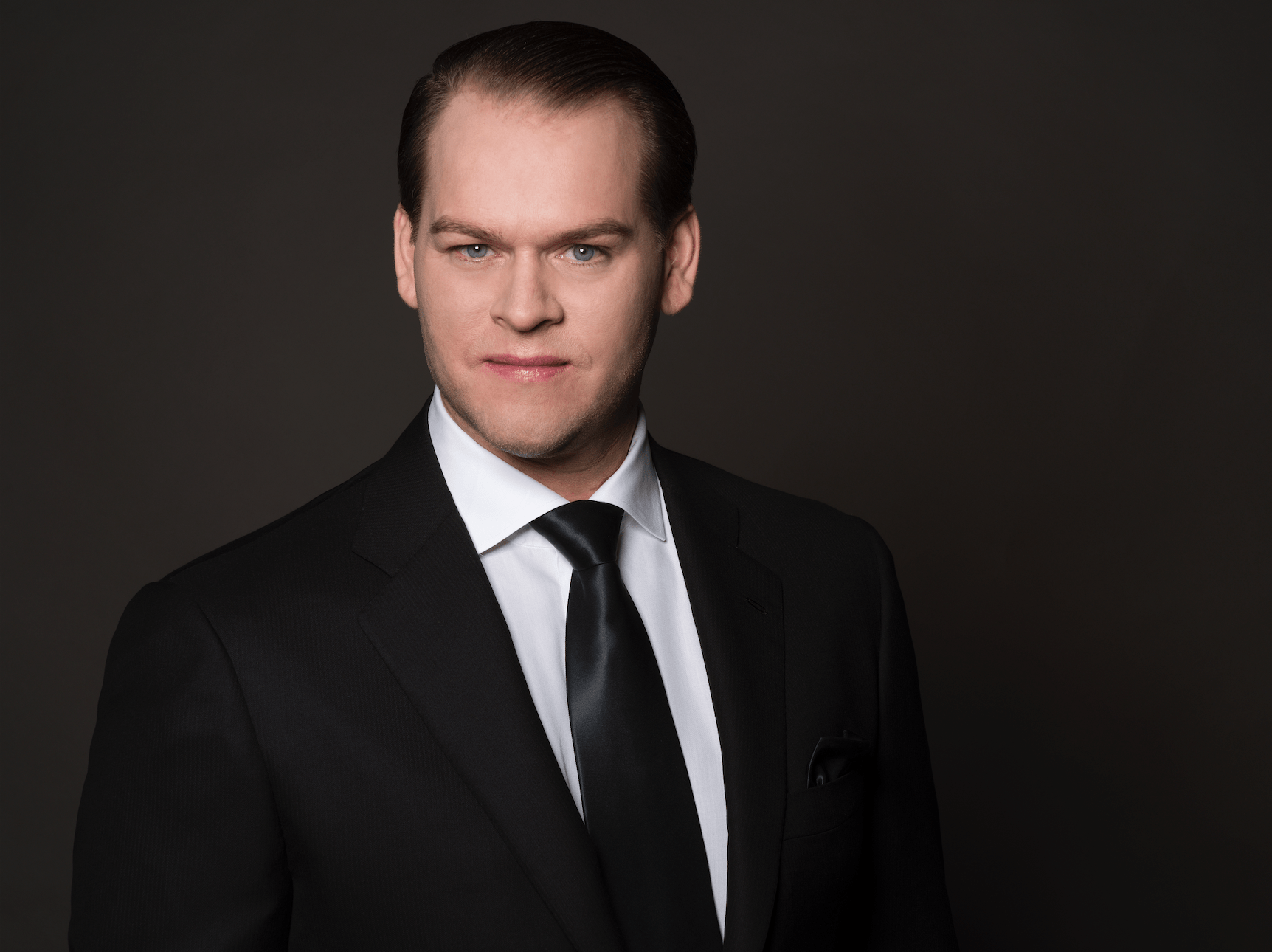
Michael Gastauer, a German billionaire and entrepreneur, has led Black Banx to remarkable heights with his innovative strategies in the digital banking sector. As the founder and CEO, his vision has transformed Black Banx into a significant player in the global financial industry, serving millions and revolutionizing banking practices.
Gastauer’s approach has been distinctly customer-centric, focusing on solving real-world problems through accessible financial services. This strategy has not only captured a vast market share but also established Black Banx as a model of innovative fintech success.
Innovate Early and Often, Invest Strategically
Gastauer’s journey began with a robust foundation in the fintech sector, where he initially created and later sold a payment services company for US$480 million.
This significant capital boost allowed him to invest in his next venture: Black Banx. Launched in 2014, Black Banx differentiated itself by offering real-time account opening and cross-border payment solutions to a global audience, addressing major inefficiencies in traditional banking.
Gastauer’s foresight in identifying and investing in these key areas early on allowed Black Banx to scale quickly and efficiently. His strategy was clear: leverage high initial investment to accelerate growth and secure a substantial market presence before competitors could catch up.
Within a year of its inception, Black Banx expanded rapidly, reaching over 1 million customers. This was just the beginning, as the platform soon integrated cryptocurrency options, enhancing its appeal and utility for a broader client base. By the end of 2018, Black Banx was valued at US$9.8 billion, a testament to its rapid growth and the successful implementation of its business model.
Gastauer’s bold move to integrate cryptocurrencies early in the game positioned Black Banx as a pioneering force in fintech, well ahead of traditional banks.
Pinpoint Problems and/or Challenges
One of the core components of Gastauer’s strategy was to tackle financial exclusion head-on. Black Banx made significant strides in offering banking solutions to the unbanked and underbanked, particularly in regions with limited access to traditional banking services.
By leveraging technology and strategic partnerships with mobile network operators, Black Banx has been able to extend its reach and offer innovative banking solutions to millions worldwide. This strategic alignment with mobile operators has been crucial, as it taps into an existing infrastructure to reach remote areas, significantly lowering the cost of expansion.
The platform’s ability to facilitate quick, cost-effective international money transfers has been a game-changer, particularly in markets like the Middle East, Asia, and Africa. This not only supports individuals and businesses in these regions but also contributes to the overall growth and stability of the global economy.
Gastauer’s focus on simplifying and reducing the cost of these transactions demonstrates a deep understanding of the core needs of his customers, thereby enhancing customer loyalty and trust in the brand.
Take a Tech-Driven Approach
Under Gastauer’s leadership, Black Banx has remained at the forefront of technological integration within the banking sector. The adoption of blockchain, AI, and data analytics has enabled the platform to offer personalized financial services, enhancing customer experience and satisfaction.
This technology-driven approach ensures that Black Banx stays ahead of industry trends and continues to offer relevant and secure banking options. Gastauer’s commitment to integrating advanced technology not only streamlines operations but also provides a scalable model that supports continuous growth and adaptation in a rapidly evolving market.
Leave No Market Unturned
Gastauer’s vision for Black Banx was never limited to a single region. By 2023, the company had expanded its services to include 28 FIAT and two cryptocurrencies, with a robust presence in over 180 countries. This global approach has not only diversified the company’s customer base but also minimized regional economic risks, allowing Black Banx to thrive in a competitive and fast-changing financial landscape.
The strategic decision to operate across diverse markets also mitigates the risk of localized economic downturns affecting the overall health of the company.
Set Milestones
The year 2023 was a landmark year for Black Banx, as it reached 39 million customers and reported revenues of US$2.3 billion. The company’s ability to maintain a high rate of customer acquisition and satisfaction speaks volumes about its effective strategies and customer-focused approach.
The first quarter of 2024 continued this trend, with Black Banx announcing a pre-tax profit of US$639 million and revenues of US$2.1 billion, driven by strategic implementations like fixed monthly account maintenance fees. Gastauer’s strategy to introduce fixed fees was a calculated risk that paid off, providing stable revenue streams and further solidifying Black Banx’s financial foundation.
Michael Gastauer’s strategic foresight and relentless innovation have propelled Black Banx to new heights, making it a leader in the digital banking sector. His commitment to financial inclusion, coupled with an aggressive expansion strategy and technological integration, has not only shaped the future of Black Banx but has also set a new standard in the industry.

Byline: Andi Stark
For many people facing a legal problem, the most difficult part is not understanding their rights but finding a lawyer willing to speak with them in the first place. Long wait times, unclear pricing, and administrative hurdles often delay even the most basic consultations. YesLawyer, an AI-enabled plaintiff firm operating across all 50 states, is testing whether technology can shorten that gap.
Founded in 2024 by 25-year-old entrepreneur Rob Epstein, the platform offers free intake, automated screening, and, in many cases, same-day conversations with licensed attorneys. The idea is simple: reduce the friction between a client’s first request for help and an actual legal discussion. In this interview, Epstein explains how the system works, where artificial intelligence fits into the process, and what problems the company is trying to address in the broader legal system
Q: When you say you want lawyers to be “as accessible as Wi-Fi,” what does that mean in practical terms?
A: It’s a way of describing speed and availability. Someone dealing with a workplace dispute, a serious injury, or an immigration issue should be able to move from an online form or phone call to a real conversation with counsel in hours, not weeks. YesLawyer is structured so that a client begins with a free case evaluation, goes through automated conflict checks and basic screening, and, in many instances, speaks with a lawyer the same day.
Q: How does the process work once someone contacts the platform?
A: We use a structured workflow. It starts with a short questionnaire and an initial conversation to capture basic facts. That information feeds into conflict checks and internal review. The system then proposes a match with a licensed attorney and provides a calendar link for a virtual consultation, often within 24 hours. After the meeting, the client receives a written legal plan outlining next steps, deadlines, and estimated fees.
Q: Where does artificial intelligence fit into that process, and where does it stop?
A: AI is used for organizing and routing information, not for giving legal advice. It helps with conflict checks at scale, case categorization, and structured summaries so attorneys can focus on the substance of the matter. Every consultation is conducted by a licensed lawyer, and all decisions about strategy or next steps are made by humans.
Q: What problem is this model trying to solve in the current legal system?
A: Delay and cost are still major barriers. Many civil plaintiffs face long waits just to get a first appointment, along with high retainers and hourly billing that make early legal advice risky. We try to respond with faster consultations, flat-fee options, and financing. The idea is to remove administrative friction so lawyers spend less time on logistics and more time speaking with clients.
Q: Some critics say platforms like this blur the line between a technology company and a law firm. How do you describe YesLawyer?
A: We describe ourselves as a national, AI-enabled plaintiff firm that connects clients with independent attorneys. That structure does raise regulatory questions, especially around responsibility and oversight. We focus on licensing verification, attorney-written case plans, and clear communication about fees and services.
Q: You’ve said the main bottleneck is “systems” rather than people. What do you mean by that?
A: The issue isn’t that lawyers don’t want to help more people. It’s that the systems around them make it hard to scale their time. Intake, scheduling, and document handling take hours. Automating those parts means attorneys can handle more matters without being overwhelmed by repetitive tasks.
Q: Does this model risk favoring only the most profitable cases?
A: That’s a real concern in legal technology. Automation often works best for repeatable, high-volume disputes. Our view is that lowering administrative cost can actually make it easier to take on smaller or more complex cases that might otherwise be turned away. Whether that holds over time depends on the data.
Measuring Impact Over Time
YesLawyer’s attempt to compress the timeline between inquiry and consultation reflects broader changes in how legal services are being delivered. As artificial intelligence becomes more common in administrative work, firms are experimenting with new ways to reduce wait times and clarify costs.
The company’s early growth suggests that many clients value faster access to an initial conversation, even before considering long-term representation. Whether this platform-based model becomes widely adopted or remains one of several emerging approaches will depend on regulatory developments, lawyer participation, and measurable outcomes for clients. For now, YesLawyer’s experiment highlights a central question in modern legal practice: how quickly can help realistically be made available to the people who need it.
-

 Tech5 years ago
Effuel Reviews (2021) – Effuel ECO OBD2 Saves Fuel, and Reduce Gas Cost? Effuel Customer Reviews
-
 Tech7 years ago
Bosch Power Tools India Launches ‘Cordless Matlab Bosch’ Campaign to Demonstrate the Power of Cordless
-

 Lifestyle7 years ago
Catholic Cases App brings Church’s Moral Teachings to Androids and iPhones
-

 Lifestyle5 years ago
East Side Hype x Billionaire Boys Club. Hottest New Streetwear Releases in Utah.
-

 Tech7 years ago
Cloud Buyers & Investors to Profit in the Future
-

 Lifestyle6 years ago
The Midas of Cosmetic Dermatology: Dr. Simon Ourian
-

 Health7 years ago
CBDistillery Review: Is it a scam?
-

 Entertainment7 years ago
Avengers Endgame now Available on 123Movies for Download & Streaming for Free