
Lifestyle
Exploring the Dangers of Wearing Outdated Prescription Safety Glasses

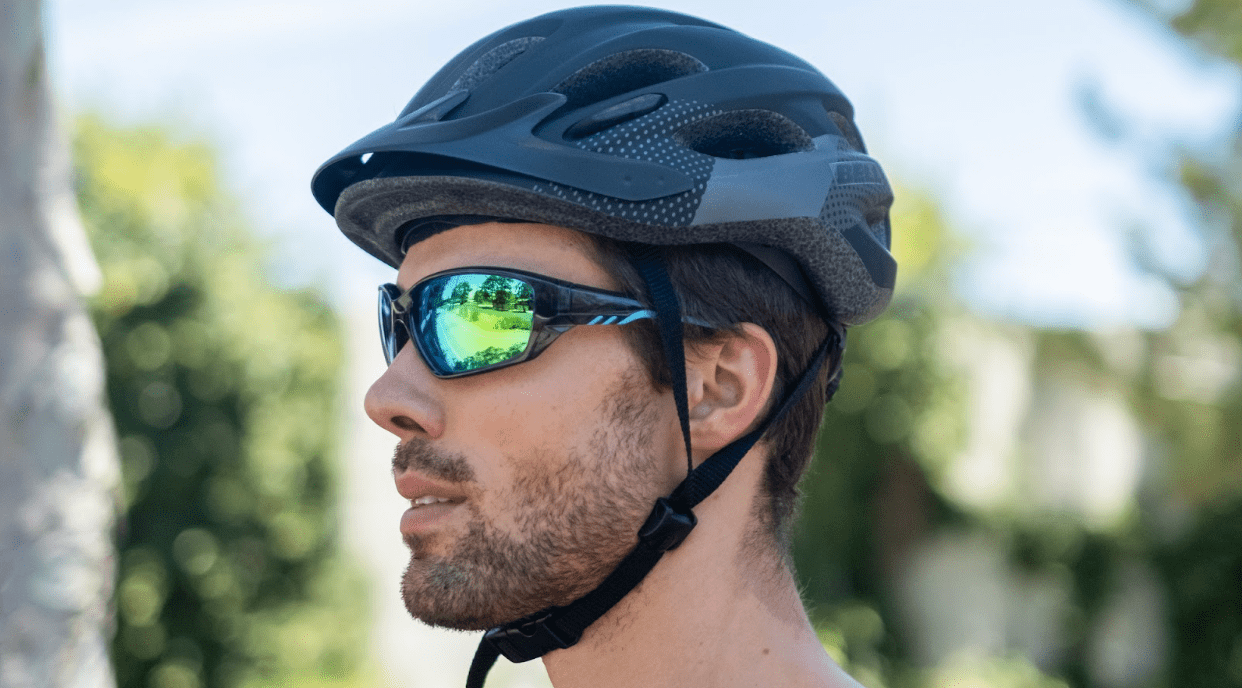
In the vast spectrum of personal safety measures, one element often goes unnoticed: the precision of our prescription safety glasses. If you go for the best Prescription Safety Glasses, they serve a dual purpose – they shield our eyes from potential hazards and ensure we view our surroundings clearly. However, just as we wouldn’t use expired medicine, wearing outdated prescription safety glasses can be detrimental. Delving into the repercussions of not updating these protective eyepieces, we find dangers that stretch beyond mere blurred vision.
Why People Use Outdated Prescription Safety Glasses
We’ve all been there, clinging onto a pair of glasses longer than we should. Why? Maybe because of the cost associated with buying a new pair. For others, it’s the belief that their eyes haven’t changed much. And some are simply unaware of the implications of using outdated prescription glasses.
The Role of Safety Glasses
Safety glasses have become an indispensable tool in various professions and activities, serving a dual purpose that combines protection with vision correction. Their significance goes beyond mere eyewear, as they act as shields against potential dangers, all the while ensuring visual clarity. Let’s delve deeper into the multifaceted roles of these protective spectacles:
#1 Protection from Physical Hazards:
- Flying Debris: In environments like construction sites or woodworking workshops, tiny particles, or metal shavings can become airborne. Safety glasses act as a barrier, preventing these from injuring the eyes.
- Chemical Splashes: In industries involving chemicals, accidental splashes are a risk. Safety glasses provide a shield, ensuring harmful chemicals don’t come into contact with the eyes.
- High Temperatures: Those working around furnaces or in metalwork settings are exposed to extreme heat and sparks. Safety glasses can help protect the eyes from heat-related injuries.
#2 Protection from Light-Related Hazards:
- UV Protection: Extended exposure to ultraviolet (UV) rays can harm our eyes, leading to conditions like cataracts. Many safety glasses come with a UV protective layer, shielding the eyes from these harmful rays.
- Glare Reduction: In brightly lit environments or outdoors, glare can impede vision. Polarized or anti-reflective lenses in safety glasses can help reduce this glare, ensuring clear sight.
- Protection from Intense Light: Welders, for instance, are exposed to extremely bright light which can damage the retina. Specialized safety glasses ensure such intense light does not harm the eyes.
#3 Vision Correction:
- Prescription Integration: For those with vision problems, safety glasses aren’t just about protection. They can be customized with the wearer’s prescription, ensuring they see clearly while working.
- Reduced Eye Fatigue: Properly corrected vision means the eyes aren’t straining to focus, reducing fatigue and increasing efficiency in tasks.
Dangers of Wearing Outdated Prescription Safety Glasses
When it comes to our health and safety, we often take numerous precautions, from wearing helmets while biking to applying sunscreen before stepping out. But there’s one area that people often overlook: the importance of wearing the right prescription for their safety glasses. Using outdated prescription safety glasses is not only inconvenient but also dangerous. Here’s a deeper look at why:
#1 Impaired Vision:
- Difficulty in Focusing: An incorrect prescription can make it hard to focus on objects, causing them to appear either too close or too far. This misjudgment can be especially perilous in jobs requiring precision or when operating machinery.
- Eye Strain: Wearing glasses with an outdated prescription force the eyes to work harder to focus, leading to strain. Over time, this can even weaken the eyes and exacerbate vision problems.
#2 Physical Strain and Health Implications:
- Headaches: Constantly struggling to see through incorrect lenses stresses the visual system, which can result in recurrent headaches or even migraines.
- Posture Issues: To get a clearer view, individuals might unknowingly tilt their heads or squint, leading to neck or back problems over time.
- Fatigue: The continuous effort to see can lead to overall fatigue, reducing productivity and increasing irritability.
#3 Increased Risk of Accidents:
- Misjudgment: An incorrect prescription can lead to misjudgment of distance, depth, or speed. This can result in stumbling, tripping, or even severe accidents, especially in professions like construction or manufacturing.
- Driving Hazards: For those driving with outdated glasses, the risk is magnified. Misjudging the distance of an oncoming car or missing traffic signs can have fatal consequences.
#4 Degradation of Lens Quality:
- Scratches and Damages: Older glasses are more likely to have scratches, cracks, or other damages. These imperfections not only distort vision but can also become weak points where the lens might shatter upon impact.
- Light Distortion: Scratches can cause light to scatter, creating blinding glares or reflections, especially in bright conditions or while driving at night.
#5 Compromised Protection Against External Hazards:
- Weakened Structural Integrity: Over time, even safety glasses can weaken. Their reduced structural integrity means they might not provide adequate protection against flying debris, chemicals, or other workplace hazards.
- UV Protection Deterioration: Many safety glasses come with UV protection. However, with time, this protective layer can wear off, exposing the eyes to harmful ultraviolet rays, which can lead to conditions like cataracts.
#6 Mental Strain:
- Reduced Confidence: Struggling to see can reduce an individual’s confidence in their abilities, especially in professional settings.
- Increased Anxiety: The constant fear of potential accidents or mishaps due to blurred vision can elevate stress levels.
Preventive Measures
So, how can you avoid these dangers?
- Schedule regular eye check-ups. Your eyes evolve, and so should your prescription.
- Be aware of changes in your vision. If you squint more or get frequent headaches, it might be time for a change.
- Invest in quality. Remember, these glasses protect one of your most vital senses.
Wrapping Up
Wearing the correct prescription safety glasses is not just about clarity of sight; it’s a holistic approach to ensuring our physical, mental, and occupational well-being. By sidelining the importance of up-to-date prescriptions, we inadvertently expose ourselves to a myriad of risks. The investment in regular eye examinations and updated glasses, therefore, is not just about vision; it’s an investment in safety, productivity, and peace of mind.
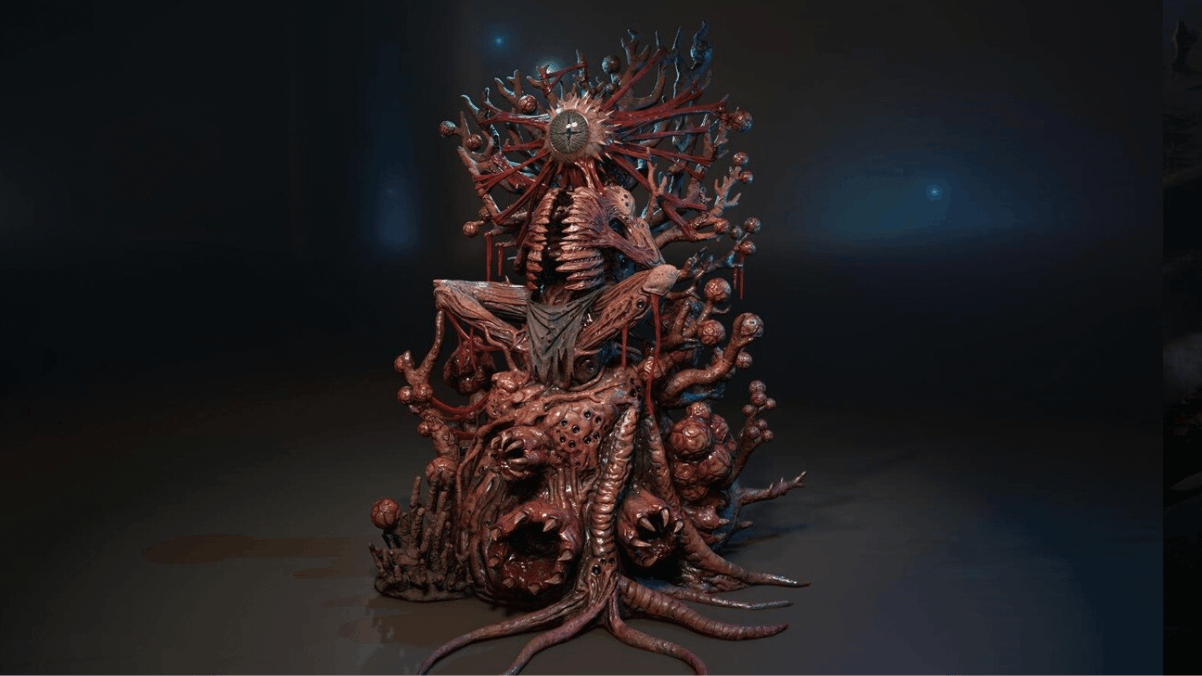
Empty hallways echo with footsteps that aren’t yours. The carnival rides spin without passengers. Familiar spaces, the ones etched into childhood memory, twist into something menacing, something that watches. Lonely Rabbit’s Midnight Strikes arrives eight months before its completion, targeting a youth horror genre that is hungry for experiences that feel personal rather than purely fantastical. The indie studio searches for a publisher while building momentum for a game that weaponizes nostalgia, turning high schools and carnivals into theaters of psychological dread. As franchises age and audiences demand fresh scares, this PC title tests whether memory-based terror represents the next chapter in youth horror.
Maturing Past Jump Scares
Youth horror gaming shed its training wheels. Little Nightmares and Bendy and the Ink Machine proved that younger players crave atmospheric storytelling over cheap shocks, puzzle-solving over gore, and visual distinctiveness over recycled formulas. Bendy’s ink-soaked corridors attracted a massive audience, including children drawn to the characters despite the T-rating, because the experience felt emotionally authentic rather than condescending. Players now expect psychological tension woven through environmental details, stories told through decaying spaces, and cryptic objects scattered across levels.
The genre’s maturation reflects audiences who grew up solving Portal’s test chambers and exploring Limbo’s monochrome nightmares. Among the Sleep demonstrated the potency of perspective: experiencing horror through a toddler’s eyes made familiar domestic spaces feel uncanny and threatening. Fran Bow plunged players into hand-drawn asylum corridors where perception itself became unreliable, where puzzles demanded engagement with trauma and grief rather than simple pattern recognition. Modern youth horror respects its audience enough to disturb them thoughtfully, creating experiences that linger days after the screen goes dark.
Corrupted Childhood as New Territory
Midnight Strikes drags players through levels “reminiscent of their childhood memories”: the high school, the carnival, spaces universal enough to feel personal. Lonely Rabbit constructs what they describe as a “menacingly beautiful atmosphere filled with bizarre and terrifying creatures,” pairing monster survival with puzzle challenges that prioritize mood over mechanics. The game adopts a “cinematic and otherworldly feel” while grounding its terror in locations players actually inhabited, making fear feel intimate rather than abstract.
This memory-based direction distinguishes Midnight Strikes from fantasy settings that dominate youth horror. Deserted carnival rides and empty school corridors carry weight because players recognize them as such. Maybe the locker rows feel too narrow, maybe the Ferris wheel groans with a voice that shouldn’t exist, maybe the cafeteria smells wrong. The game challenges players to “survive their fear of the unknown” while navigating spaces that should feel known, creating cognitive dissonance that amplifies dread. Other developers exploring similar territory, such as Subliminal, which utilizes “nostalgic spaces” and “a rotting feeling that something is not quite right,” suggest that childhood corruption represents an emerging subgenre.
Lonely Rabbit’s approach weaponizes personal history. Every player attended school, visited carnivals, and formed memories in spaces designed for safety and joy. Corrupting those spaces turns nostalgia into a threat, asking audiences to confront distorted versions of their own experiences. The monsters inhabiting these environments become more than obstacles; they represent the fear that familiar places might betray us, that memory itself becomes unreliable when shadows move in the wrong direction.
Smaller Teams, Bigger Risks
Indie studios like Lonely Rabbit maneuver where larger publishers hesitate. Their two-month publisher search and pre-launch community building reflect changing pathways for games that defy established franchise formulas. Building a follower base before release creates market validation, proving that audiences want what you’re making before significant capital is committed. Transparency about development timelines and production milestones generates audience investment, turning potential players into advocates during the publisher search.
Midnight Strikes represents creative gambles major studios avoid when quarterly earnings loom. Smaller teams experiment with concepts, corrupted childhood spaces, memory-based horror, pand sychological tension prioritized over action mechanics, that might fracture focus groups but resonate with underserved audiences. Lonely Rabbit’s global distribution ambitions demonstrate indie confidence: build something distinctive enough, and geography becomes irrelevant when digital storefronts erase borders.
The next eight months determine whether Midnight Strikes defines a subgenre or remains an interesting experiment. If players respond to horror that mines personal history, if corrupted nostalgia proves more terrifying than fantasy monsters, other developers will follow this path. Lonely Rabbit’s gamble, that childhood spaces make better horror stages than alien planets or demon dimensions, could redefine what scares young players next. The studio’s publisher search tests whether the industry views memory-based terror as the future of youth horror or a niche curiosity. Either outcome writes the next page in a genre still learning what it can become.
-

 Tech5 years ago
Effuel Reviews (2021) – Effuel ECO OBD2 Saves Fuel, and Reduce Gas Cost? Effuel Customer Reviews
-
 Tech7 years ago
Bosch Power Tools India Launches ‘Cordless Matlab Bosch’ Campaign to Demonstrate the Power of Cordless
-

 Lifestyle7 years ago
Catholic Cases App brings Church’s Moral Teachings to Androids and iPhones
-

 Lifestyle5 years ago
East Side Hype x Billionaire Boys Club. Hottest New Streetwear Releases in Utah.
-

 Tech7 years ago
Cloud Buyers & Investors to Profit in the Future
-

 Lifestyle6 years ago
The Midas of Cosmetic Dermatology: Dr. Simon Ourian
-

 Health7 years ago
CBDistillery Review: Is it a scam?
-

 Entertainment7 years ago
Avengers Endgame now Available on 123Movies for Download & Streaming for Free