
Entertainment
Going Public: The Groundbreaking Series Transforming How Americans Invest

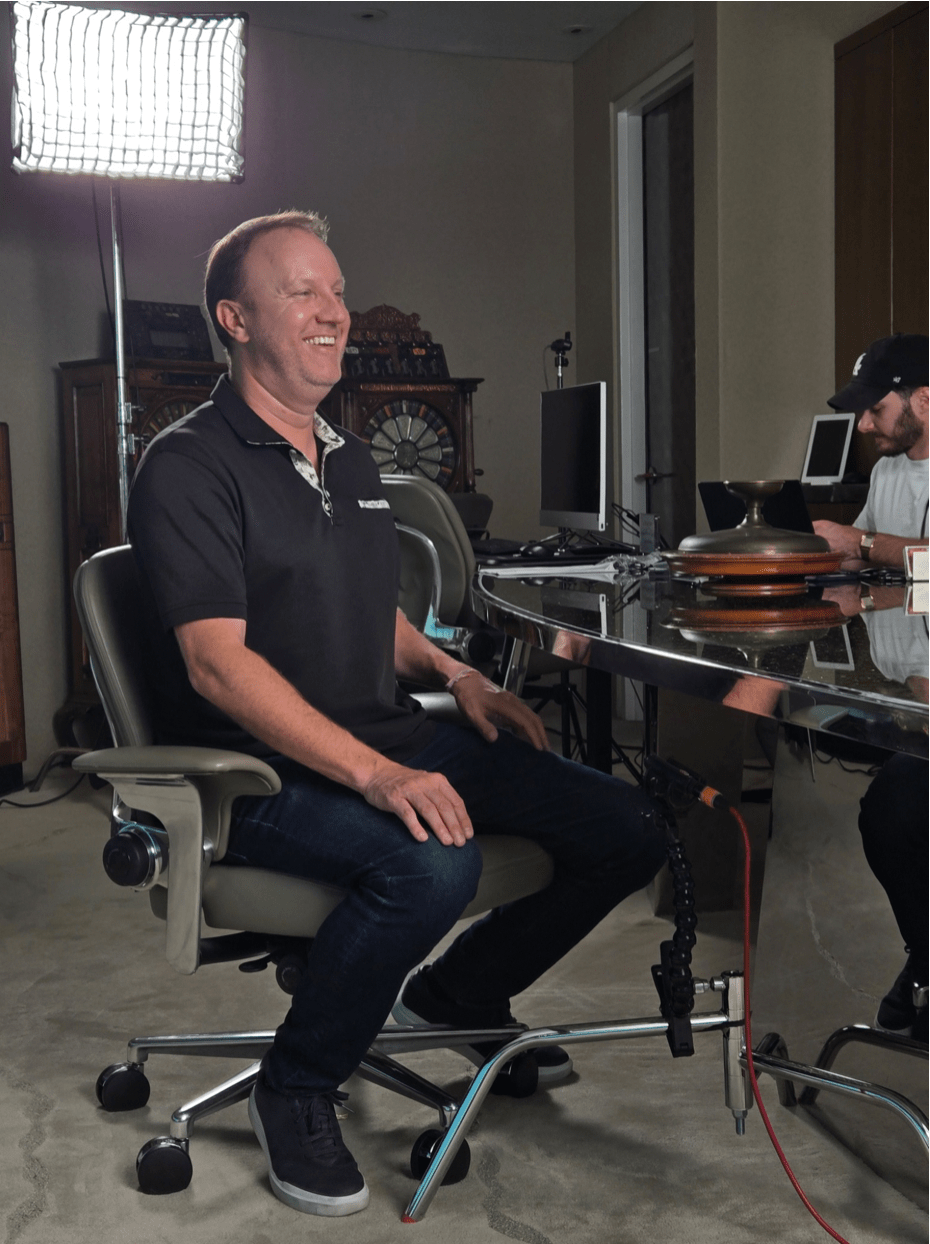
In a media landscape saturated with reality TV and startup showcases, Going Public stands apart, not just as a show but as a movement. Now in its third season, the interactive series invites viewers to do more than just watch entrepreneurs chase success. It gives them the tools and the opportunity to invest in startups in real time, democratizing access to early-stage funding and reshaping how ordinary Americans engage with entrepreneurship and wealth-building.
Launched by Todd M. Goldberg, a former MedTech executive who hit a frustrating wall while preparing his company for a Nasdaq IPO, Going Public was born from a moment of personal disillusionment.
“When I brought a list of interested friends and colleagues to the Chairman of the Board,” Goldberg recalls, “he explained that all the IPO shares were reserved for institutional investors. That was my epiphany. I just knew that was wrong. Regular people should have a chance to invest in IPOs, but it needed to go even further.”
That insight became the foundation for Going Public, a hybrid of entrepreneurial storytelling and financial access that offers retail investors a seat at the table usually reserved for venture capitalists and insiders. The show brings audiences inside the capital-raising journey of startups, often before they go public, and leverages a powerful innovation: its “Click-to-Invest” feature.
“The bottom line with Click-to-Invest is that it’s seamless,” says Goldberg. “Viewers can go from watching the show to literally clicking a button. It feels more like a Shopify or Amazon checkout than a traditional investment process.”
This accessibility is central to the show’s mission: to educate, inspire, and empower everyday people to participate in early-stage investing. Unlike financial news channels that target seasoned traders, Going Public merges entertainment with financial literacy, using real startup stories to highlight the risks, rewards, and realities of entrepreneurship. It’s financial content with emotional stakes, real people, and tangible outcomes.
Season 3 reflects how far the show has come and where it’s going. With more celebrity involvement, including gaming icon Ninja backing the cashew milk startup Nutcase, and a strategic partnership with the social media platform X (formerly Twitter), Going Public has widened its reach while deepening its cultural relevance.

“How do you make this mainstream?” Goldberg says. “The concept was The Apprentice meets Shark Tank meets IPO, but with a twist. Viewers aren’t just spectators, they’re stakeholders.”
The show’s selection of featured companies is another defining element. Startups are chosen not just for their growth potential but also for their mission, relatability, and cultural resonance. In Season 3, that includes everything from disruptive wellness brands to tech-enabled platforms, each paired with guidance from top-tier venture capitalists and Silicon Valley mentors.
This season also introduces a livestream finale, a format innovation designed to create a real-time, high-stakes environment where viewers can watch, decide, and invest together. It adds urgency and community to the investing experience, aligning with the show’s values of transparency and participation.
One of the most surprising and meaningful outcomes has been the personal stories from viewers who never imagined themselves as investors. “We’ve heard from teachers, nurses, and even students who said this was their first time investing and they felt confident doing it because the show made it accessible,” Goldberg shares. “It’s not just about money, it’s about empowerment.”
Looking ahead, Goldberg and his team have ambitious plans. They aim to expand the format to new platforms, explore international adaptations, and build out educational tools so viewers not only invest but understand what they’re investing in. The goal isn’t just more participation. It’s smarter participation.
In a world where capital often feels distant, technical, and exclusionary, Going Public brings the financial journey down to earth and into the hands of the people. It’s not just a show. It’s a redefinition of how business stories are told and how wealth can be created and shared.

Too many talented musicians spend the early years of their careers standing still, waiting. Waiting for the “right” gig. Waiting to be discovered. Waiting until they feel completely ready. But while they hesitate, others with less experience but more urgency are out there taking the jobs, building connections, and gaining ground.
Sarah Angel has seen this happen again and again. A successful live entertainer and founder of Posh Piano, she didn’t wait for a perfect opportunity to appear; she built her career by saying yes to what was already in front of her.
Sarah’s journey didn’t begin with a business plan. It began on stage, performing at corporate gigs and high-end events. For a while, she did what many musicians do: she showed up, played the set, and collected the paycheck. But the turning point came when she realized how much more others were earning off her talent. While she was being paid a small cut, the booker was making thousands. That gap shifted everything. She didn’t get angry, she got to work.
Sarah learned to run sound, bought her own equipment, built piano shells to give her setup a polished look, and began booking directly. Before each event, she would spend hours hauling gear and setting up the space herself. She didn’t wait for anyone to hand her a better gig; she created it. That same mindset carries into how she mentors and advises young musicians today.
For Sarah, one of the biggest traps new performers fall into is comparison. Instead of focusing on their own style and voice, they mimic what’s already out there. But copying someone else won’t lead to a sustainable career. What matters most is figuring out what makes you different and building on that. Your individuality is not a risk; it’s the foundation of your career.
Equally important, she says, is learning to say yes more often. Not every opportunity will be glamorous or well-paid. But every job is a chance to meet someone new, gain experience, or get your name in front of people who can open doors down the road.
This is where so many early careers stall, not because of a lack of talent, but because of hesitation. When performers constantly hold out for something better, they miss what’s right in front of them. Taking one job often leads to five more. And even if a gig doesn’t seem ideal at first, it often brings value in ways that are not obvious right away.
Sarah compares it to building momentum. Each job adds to your experience, your network, and your visibility. It’s not just about stacking performances, it’s about putting yourself in motion. The more active you are, the more people think of you when opportunities come up. That kind of consistency can’t be faked, and it can’t be replaced with a few viral moments online.
Another common challenge she sees is indecision. Musicians who spend too much time analyzing every offer often lose out on real growth. Taking action, even imperfectly, leads to more progress than standing still. Not every gig will be a perfect fit, but most will teach you something valuable.
Over the years, Sarah has also learned to be intentional about who she surrounds herself with. She chooses to work with musicians who are not just talented, but reliable, respectful, and open to learning. Attitude often matters more than technical skill. It’s easier to grow as a musician than to fix a lack of work ethic.
Sarah Angel’s career didn’t come from waiting or wishing. It came from working. She showed up, learning as she went, and made smart choices when it counted. The music industry doesn’t reward perfection, it rewards presence, action, and growth over time.
If you are serious about building a career in music, start with what’s in front of you. Take the gig. Meet the people. Build a life. One step at a time.
-

 Tech5 years ago
Effuel Reviews (2021) – Effuel ECO OBD2 Saves Fuel, and Reduce Gas Cost? Effuel Customer Reviews
-
 Tech6 years ago
Bosch Power Tools India Launches ‘Cordless Matlab Bosch’ Campaign to Demonstrate the Power of Cordless
-

 Lifestyle7 years ago
Catholic Cases App brings Church’s Moral Teachings to Androids and iPhones
-

 Lifestyle5 years ago
East Side Hype x Billionaire Boys Club. Hottest New Streetwear Releases in Utah.
-

 Tech7 years ago
Cloud Buyers & Investors to Profit in the Future
-

 Lifestyle5 years ago
The Midas of Cosmetic Dermatology: Dr. Simon Ourian
-

 Health7 years ago
CBDistillery Review: Is it a scam?
-

 Entertainment7 years ago
Avengers Endgame now Available on 123Movies for Download & Streaming for Free