
Business
How Sumatha Kondabolu’s Strategic Insight Shapes the Future of Pharmaceutical and Medical Devices Quality


Byline: Katreen David
Navigating the fast-paced terrain of life sciences demands more than just compliance—it requires a futuristic outlook on pharmaceutical quality assurance. Sumatha Kondabolu exemplifies this forward-thinking mindset with her extensive experience spanning over 20 years. Currently a senior quality specialist and as a quality advisor at Qualio, and a vice-co chair RAPS Quebec LNG, her role involves adapting to regulatory changes while actively redefining how they are interpreted and applied across medical devices and pharmaceuticals and in the life science industry.
Sumatha Kondabolu’s unique perspective merges traditional standards and future challenges. Through her foresight on industry shifts and inventive quality systems, she meets today’s demands head-on and prepares for tomorrow’s challenges.
“Success in life sciences hinges on anticipating future changes and actively reforming industry standards,” Sumatha Kondabolu asserts. “My methods integrate advanced quality systems with the comprehensive depth of regulatory evolution.” This speaks volumes about how she aids organizations in staying ahead in a shifting industry that touches human lives.
Lifelines of Modern Medicine: The Role of Medical Devices and Pharmaceuticals
The medical device and pharmaceutical industries are the bedrock of modern healthcare, delivering innovations that transform patient care and treatment outcomes.
Medical devices range from simple tools like bandages to complex technologies like MRI machines, playing a critical role in diagnosing, monitoring, and treating conditions.
On the other hand, pharmaceuticals encompass everything from vaccines to pain relievers. They provide essential interventions to manage and cure diseases.
Together, these industries fuel advancements in medical science, improve quality of life, and enable healthcare systems to address everyday health needs and global health crises. Their continual evolution makes certain that treatments remain effective and accessible.
Tailoring Quality Systems to Industry Needs
Sumatha Kondabolu’s role in the industry involves developing and implementing quality management systems hands-on. Her extensive experience with various regulatory frameworks, including the Food and Drug Administration (FDA) and International Organization for Standardization (ISO) standards, enables her to tailor solutions that fit the specific needs of each organization.
Kondabolu emphasizes the importance of creating quality systems that are both adaptable and scalable. “Effective quality management is about understanding the present and anticipating the future,” she notes. Her initiatives guarantee that companies are both compliant and well-equipped for upcoming regulatory changes.
Navigating the Evolving Regulatory Sphere
Frequent regulatory updates and technological advancements characterize the life sciences sector. Sumatha Kondabolu’s expertise is crucial in helping organizations navigate these changes smoothly. Her methodology involves continuously monitoring and updating quality systems to align with new regulations and technological innovations.
Staying ahead of regulatory trends means that Sumatha Kondabolu offers a helping hand to companies to mitigate risks and maintain high standards of quality. Ultimately, this supports their growth and success in a competitive industry.
Apart from fulfilling her duties while on the clock, she has also taken on the role of a vice co-chair person for the Regulatory Affairs Professionals Society (RAPS) Quebec LNG. Within the scope of the RAPS, she mentors professionals and students on regulatory affairs.
Her contributions to the vast field of life sciences reflect her deep-rooted understanding of the aspects of art and technology that surround her craft. Sumatha Kondabolu’s adept navigation of regulatory changes and technological advancements turns potential hurdles into stepping stones for innovation. Her forward-thinking blueprints inspire future medical device experts to explore and excel in a field designed to improve and save lives.

Byline: Andi Stark
For many people facing a legal problem, the most difficult part is not understanding their rights but finding a lawyer willing to speak with them in the first place. Long wait times, unclear pricing, and administrative hurdles often delay even the most basic consultations. YesLawyer, an AI-enabled plaintiff firm operating across all 50 states, is testing whether technology can shorten that gap.
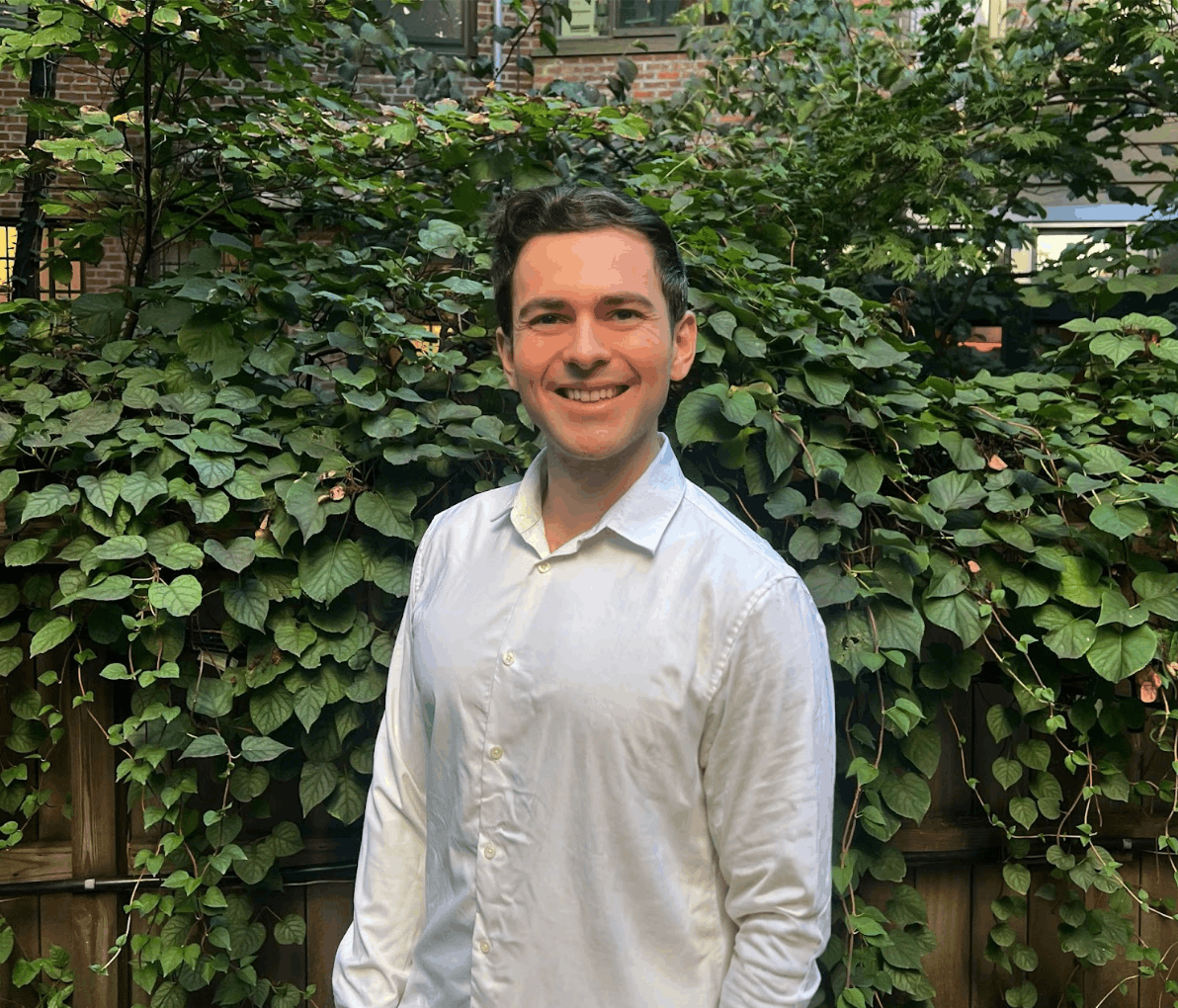
Founded in 2024 by 25-year-old entrepreneur Rob Epstein, the platform offers free intake, automated screening, and, in many cases, same-day conversations with licensed attorneys. The idea is simple: reduce the friction between a client’s first request for help and an actual legal discussion. In this interview, Epstein explains how the system works, where artificial intelligence fits into the process, and what problems the company is trying to address in the broader legal system
Q: When you say you want lawyers to be “as accessible as Wi-Fi,” what does that mean in practical terms?
A: It’s a way of describing speed and availability. Someone dealing with a workplace dispute, a serious injury, or an immigration issue should be able to move from an online form or phone call to a real conversation with counsel in hours, not weeks. YesLawyer is structured so that a client begins with a free case evaluation, goes through automated conflict checks and basic screening, and, in many instances, speaks with a lawyer the same day.
Q: How does the process work once someone contacts the platform?
A: We use a structured workflow. It starts with a short questionnaire and an initial conversation to capture basic facts. That information feeds into conflict checks and internal review. The system then proposes a match with a licensed attorney and provides a calendar link for a virtual consultation, often within 24 hours. After the meeting, the client receives a written legal plan outlining next steps, deadlines, and estimated fees.
Q: Where does artificial intelligence fit into that process, and where does it stop?
A: AI is used for organizing and routing information, not for giving legal advice. It helps with conflict checks at scale, case categorization, and structured summaries so attorneys can focus on the substance of the matter. Every consultation is conducted by a licensed lawyer, and all decisions about strategy or next steps are made by humans.
Q: What problem is this model trying to solve in the current legal system?
A: Delay and cost are still major barriers. Many civil plaintiffs face long waits just to get a first appointment, along with high retainers and hourly billing that make early legal advice risky. We try to respond with faster consultations, flat-fee options, and financing. The idea is to remove administrative friction so lawyers spend less time on logistics and more time speaking with clients.
Q: Some critics say platforms like this blur the line between a technology company and a law firm. How do you describe YesLawyer?
A: We describe ourselves as a national, AI-enabled plaintiff firm that connects clients with independent attorneys. That structure does raise regulatory questions, especially around responsibility and oversight. We focus on licensing verification, attorney-written case plans, and clear communication about fees and services.
Q: You’ve said the main bottleneck is “systems” rather than people. What do you mean by that?
A: The issue isn’t that lawyers don’t want to help more people. It’s that the systems around them make it hard to scale their time. Intake, scheduling, and document handling take hours. Automating those parts means attorneys can handle more matters without being overwhelmed by repetitive tasks.
Q: Does this model risk favoring only the most profitable cases?
A: That’s a real concern in legal technology. Automation often works best for repeatable, high-volume disputes. Our view is that lowering administrative cost can actually make it easier to take on smaller or more complex cases that might otherwise be turned away. Whether that holds over time depends on the data.
Measuring Impact Over Time
YesLawyer’s attempt to compress the timeline between inquiry and consultation reflects broader changes in how legal services are being delivered. As artificial intelligence becomes more common in administrative work, firms are experimenting with new ways to reduce wait times and clarify costs.
The company’s early growth suggests that many clients value faster access to an initial conversation, even before considering long-term representation. Whether this platform-based model becomes widely adopted or remains one of several emerging approaches will depend on regulatory developments, lawyer participation, and measurable outcomes for clients. For now, YesLawyer’s experiment highlights a central question in modern legal practice: how quickly can help realistically be made available to the people who need it.
-

 Tech5 years ago
Effuel Reviews (2021) – Effuel ECO OBD2 Saves Fuel, and Reduce Gas Cost? Effuel Customer Reviews
-
 Tech7 years ago
Bosch Power Tools India Launches ‘Cordless Matlab Bosch’ Campaign to Demonstrate the Power of Cordless
-

 Lifestyle7 years ago
Catholic Cases App brings Church’s Moral Teachings to Androids and iPhones
-

 Lifestyle5 years ago
East Side Hype x Billionaire Boys Club. Hottest New Streetwear Releases in Utah.
-

 Tech7 years ago
Cloud Buyers & Investors to Profit in the Future
-

 Lifestyle6 years ago
The Midas of Cosmetic Dermatology: Dr. Simon Ourian
-

 Health7 years ago
CBDistillery Review: Is it a scam?
-

 Entertainment7 years ago
Avengers Endgame now Available on 123Movies for Download & Streaming for Free