
Health
How Telehealth Works for Addicts in Recovery


Technology has been shaping healthcare for decades, and these days, tech advancements for the health sector are happening faster than ever before. Telehealth has emerged as one advancement that has touched every healthcare discipline, from cancer care to pediatrics. The innovative approach of telehealth is breaking down barriers to care and even reaching those who are struggling with substance abuse.
By leveraging digital platforms, recovery specialists can offer better access to therapy sessions, support groups, and medical consultations. These breakthroughs in accessibility are significant for people in healthcare deserts who are languishing under increased addiction rates and a lack of reliable treatment options.
Nick Padlo, founder and CEO of Sophros Recovery in Florida, has seen the benefit of telehealth for recovering addicts firsthand. “Individuals struggling with addiction can now find support and guidance if they do not have access to a treatment center near their home,” he explains. “These virtual programs are designed to provide comprehensive care, similar to traditional in-person treatment, but with the added convenience of digital accessibility.”
Here, we explore the benefits of telehealth for recovery and how clinicians and other professionals in the field can best utilize it for better outcomes.
An increased need for comprehensive recovery
The United States saw over 107,000 overdose deaths in 2023. This was a notable increase from previous numbers. The emergence of fentanyl as the drug of choice for many and the perpetuation of alcohol and other drug abuses have made access to comprehensive recovery even more important than ever.
“Understanding the options available can be the first step to recovery,” says Padlo. When people have easier access to help, they may be more apt to seek sobriety.
The pandemic saw a marked increase in substance abuse, laying bare the need for digital access to recovery resources. During the COVID shutdown, the crucial need for an alternative to in-person treatment was evident, and the benefits of such treatment options allowed clinicians and other professionals to carry this digital access to recovery care through the pandemic and into the post-COVID world.
In addition, those living in rural areas or areas with a lack of access to comprehensive recovery care often have needs on par with those in larger urban areas. Telehealth allows people to access the same professionals that those in big cities rely upon.
Studies have shown that continuity of care is critical to the success of addiction recovery. Telehealth can facilitate ongoing engagement with those in recovery, securing continuity of care and leading to better recovery outcomes.
A modern approach
“Online addiction recovery typically involves a combination of individual therapy, group therapy, educational sessions, and support groups, all conducted via video conferencing or other online tools,” explains Padlo. The flexibility of these programs allows participants to schedule them around their availability and considering their other commitments.
“We aim to mirror the effectiveness of traditional methods,” says Padlo. “We are providing the same level of care and support through a virtual format.”
Padlo stresses that online recovery can also reduce stigmas that are associated with seeking help for one’s addictions. When those in recovery can participate from the comfort of their own home, they may be more apt to commit to the recovery process.
People will need to consider their personal circumstances when determining if telehealth for addiction recovery is right for them. They may want to evaluate how comfortable they are with technology and whether they have a stable internet connection. Also, it helps to have a strong support system to keep one accountable since it can sometimes be easier to ignore digital meeting commitments.
However, Padlo cautions that those with severe addiction issues or co-occurring addictions may fare better with in-person detox and recovery.
Telehealth can be a powerful tool in the fight against addiction. The option offers a range of benefits, including easier access, privacy, and even savings for some. According to a recent study by the Oregon Health and Science University, telehealth may be just the solution to overcoming the stigma of rehab and recovery and radically reducing barriers for people who need it the most.
While telehealth for addiction recovery may not be a one-size-fits-all solution, and some people may require more intensive care and medical intervention, it has broken barriers for those in areas of limited access to recovery or seeking an option that offers more privacy.
As the field of virtual health delivery continues to evolve, the benefits of telehealth for addiction recovery will become clear. Telehealth provides comprehensive, discrete, and effective care for those starting or continuing their recovery journey.
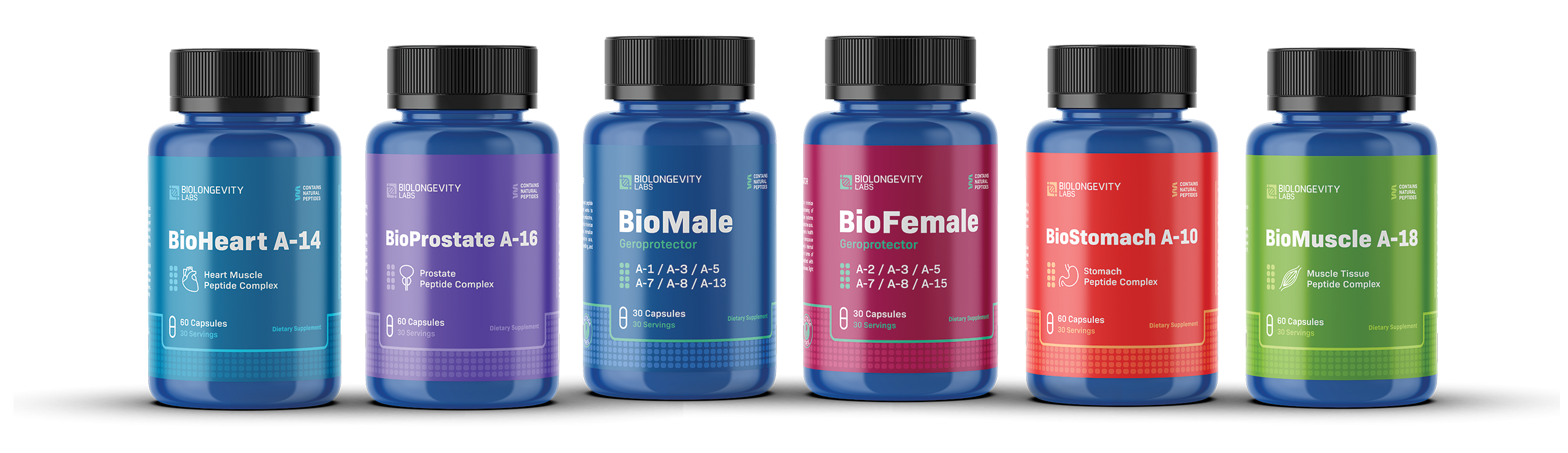
Humans have been looking for ways to extend their lifespan for hundreds of years. Medicine has made impressive strides, but for many, the effects of aging are still painfully real.
Through BioLongevity Labs, biohackers and entrepreneurs Jay Campbell and Josh Felber aim to introduce ordinary people to potentially life-changing compounds called peptides. Campbell and Felber come from very different backgrounds.
Campbell is a five-time international bestselling author and globally recognized leader in the health-optimization space. Felber is a serial entrepreneur who excels at scaling businesses.
For both men, BioLongevity Labs is more than just a business venture — it’s about helping everyday people discover something that just might prolong and improve their lives.
“Your body inevitably changes as the years pile on,” says Campbell. “Your energy drops, and wrinkles start showing up uninvited. Peptides can change everything.”
Many people have probably heard the term “peptide” in passing. Some may know they’re associated with longevity. Most people just don’t have a strong grasp of how they work.
A peptide is a short chain of amino acids, which are the building blocks of proteins. Essentially, peptides are like shorter, simpler proteins. That might sound unremarkable, but the real magic of peptides lies in how they work.
They function as signaling or “messenger” molecules telling the body to perform specific functions. Many peptides function similarly to hormones. A relevant example is GLP-1 (glucagon-like peptide-1) receptor agonists. This class of medications includes semaglutide and tirzepatide, two wildly popular weight-loss drugs.
“These peptides aren’t just another biohacking fad,” Campbell explains. “They enhance insulin secretion and suppress glucagon release to balance blood sugar levels and promote sustainable weight loss”. But what sets GLP-1 receptor agonists apart is their ability to regulate hunger.
Through the reduction of appetite and increased feelings of fullness, it is far easier for dieters to stick to a calorie deficit.” Although GLP-1 receptor agonists are widely prescribed, most peptides aren’t.
Campbell asserts, because many peptides have the potential to cure illnesses by treating the fundamental root cause, they go against America’s “sick care” model of healthcare. They potentially threaten drug companies and their bottom line.
“Peptides are simultaneously a dream come true for mankind and the worst possible nightmare for the pharmaceutical industry,” says Campbell. “It’s not a conspiracy theory. It’s pure economics and psychology in action. People will do whatever it takes to make as much money as possible in a free-market society, even if it means suppressing a superior solution.”
Patients probably aren’t going to be introduced to peptides through the healthcare system. Many discover them on their own. But for the many people who don’t have a solid understanding of how they work molecularly or even what dose to take, there is a risk. That’s precisely what BioLongevity Labs’ co-founders are attempting to address.
Jay Campbell has dedicated his life to educating people about therapeutic peptides and optimized hormones, and along with his partner Josh Felber, they’ve created a company offering filler-free, third-party tested peptides and bioregulators.
Campbell and Felber stress the fact that BioLongevity Labs isn’t meant to be a replacement for traditional medical care. Instead, its products bridge the gap between clinical and extra-clinical care. There’s no magic pill or single solution to solve the problem of aging.
But thanks to the development of specialized peptides, bioregulators, and small molecules, we’re closer than we’ve ever been before.
-

 Tech5 years ago
Effuel Reviews (2021) – Effuel ECO OBD2 Saves Fuel, and Reduce Gas Cost? Effuel Customer Reviews
-
 Tech6 years ago
Bosch Power Tools India Launches ‘Cordless Matlab Bosch’ Campaign to Demonstrate the Power of Cordless
-

 Lifestyle7 years ago
Catholic Cases App brings Church’s Moral Teachings to Androids and iPhones
-

 Lifestyle5 years ago
East Side Hype x Billionaire Boys Club. Hottest New Streetwear Releases in Utah.
-

 Tech7 years ago
Cloud Buyers & Investors to Profit in the Future
-

 Lifestyle5 years ago
The Midas of Cosmetic Dermatology: Dr. Simon Ourian
-

 Health7 years ago
CBDistillery Review: Is it a scam?
-

 Entertainment7 years ago
Avengers Endgame now Available on 123Movies for Download & Streaming for Free