
Lifestyle
Jean-Pierre Morreale: The Perfumer Behind Bespoke Creations for Royals and Celebrities

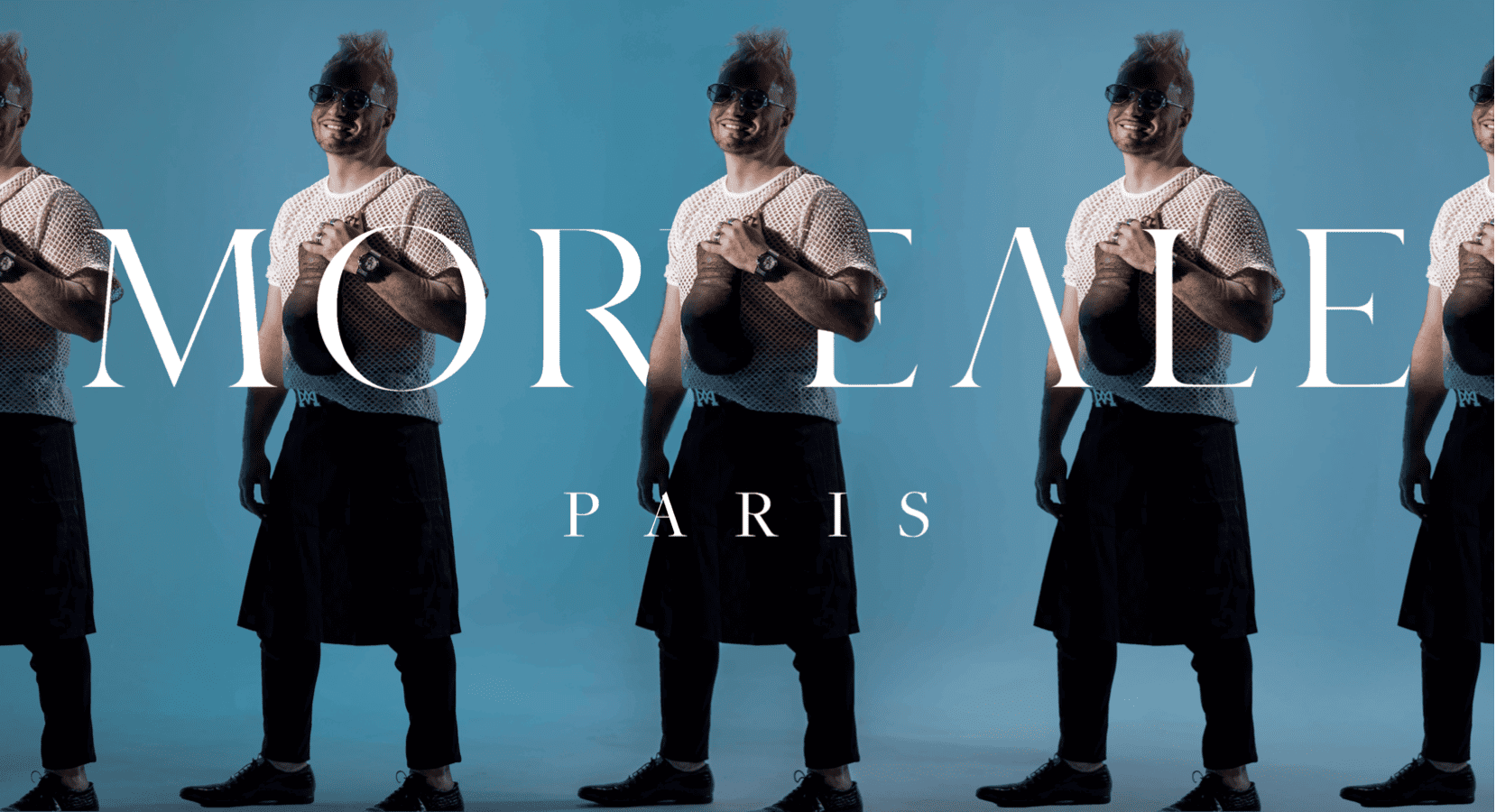
In the exclusive world of haute perfumery, where luxury and discretion go hand in hand, Jean- Pierre Morreale stands as a figure shrouded in mystery. As the genius behind Morreale Paris, Morreale has earned a reputation not only for his exquisite fragrances but for his secretive nature, which has only enhanced his allure among the world’s elite. While his work speaks for itself—crafting fragrances that embody elegance and opulence—it is his connections with royalty and global celebrities that have cemented his place as a master of bespoke scent creation.
A Life of Mystery and Exclusivity
Jean-Pierre Morreale’s name is synonymous with luxury, but little is known about the man himself. Despite being at the helm of one of the world’s most prestigious fragrance houses, he remains elusive, allowing his work to take center stage. Morreale’s life and career are defined by discretion—a quality that is highly valued among his clientele, which includes some of the most powerful and influential figures in the world.
Morreale’s secretive nature is not a marketing ploy but a way of life. He rarely gives interviews, avoids the spotlight, and prefers to let his fragrances do the talking. This air of mystery has only fueled the fascination surrounding him, with rumors of private meetings with kings, queens, and Hollywood’s biggest stars swirling around his brand. Those who know him describe a man deeply committed to his craft, who values privacy above all else.
The Perfumer to European Royalty
Jean-Pierre Morreale’s aristocratic heritage has always played a significant role in his career, and it is this connection to European nobility that has given him access to some of the world’s most exclusive circles. Morreale is a trusted confidant of royal families across Europe, with a clientele that includes members of the Italian, French, and Middle Eastern royalty. These relationships, forged over years of mutual respect and admiration, are built on trust and discretion—qualities that Morreale embodies in his work.

For many royals, fragrance is a deeply personal part of their identity, and they turn to Morreale for bespoke creations that reflect their status, personality, and history. His private consultations with these figures are shrouded in secrecy, with few details ever reaching the public. What is known, however, is that Morreale’s bespoke fragrances are as unique as the individuals who wear them, crafted from the rarest and finest ingredients in the world. His creations often become the signature scents of the royals he serves, worn only by them, ensuring that they remain one-of-a-kind masterpieces.
The Go-To Perfumer for Celebrities
In addition to his royal clientele, Jean-Pierre Morreale is also a favorite among the world’s biggest celebrities. From Hollywood A-listers to music legends, many of the entertainment industry’s most famous names seek out Morreale’s expertise when it comes to creating a bespoke fragrance. These celebrities, like his royal clients, value his discretion and trust him to create scents that capture their essence without the intrusion of the public eye.
Morreale’s clients often reach out to him privately, whether it be for a custom fragrance to mark a major career milestone, a personal scent for a red carpet event, or even a gift for a loved one. His ability to understand the emotional and psychological aspects of scent creation makes him the ideal perfumer for those who wish to wear something truly unique. For many, the process of working with Morreale is a highly personal experience—one that often involves intimate conversations about memories, emotions, and desires.
The Art of Bespoke Perfume Creation
Jean-Pierre Morreale’s approach to bespoke fragrance creation is a blend of art, science, and intuition. His process is meticulous and deeply personalized, starting with a private consultation, often conducted behind closed doors in the most luxurious of settings—whether in royal palaces, private estates, or in his secretive Parisian atelier. Morreale takes the time to get to know his clients, understanding their personal history, emotional connections, and even the cultural significance of certain scents.
Every fragrance he creates is a unique reflection of the individual, composed of rare and often exotic ingredients that he sources from around the world. For Morreale, no detail is too small, and his creations are known for their complexity and depth, with each note telling part of a larger, personalized story. These scents are not just perfumes but works of art, often packaged in custom-designed, handcrafted bottles, making them as visually stunning as they are olfactorily captivating.
Once the fragrance is complete, it is delivered to the client in the utmost secrecy. This level of exclusivity is part of the allure of a Jean-Pierre Morreale creation; owning a bespoke fragrance from Morreale Paris is akin to possessing a rare piece of art, one that can never be replicated.

A Legacy of Discretion and Luxury
Jean-Pierre Morreale’s dedication to privacy has only enhanced his status as one of the most sought-after perfumers in the world. While other fragrance houses may seek publicity, Morreale has built his brand on a foundation of discretion, catering to those who value their privacy as much as their luxury. His relationships with his clients—whether royals or celebrities—are built on trust, and it is this trust that has allowed him to continue creating bespoke fragrances for the most influential people on the planet.
Despite his global success, Morreale remains as discreet as ever, allowing his work to speak for itself. His clients, from European kings and queens to Hollywood stars, know that when they commission a fragrance from Jean-Pierre Morreale, they are not only receiving a world-class creation but also the assurance that their privacy will be respected.
Jean-Pierre Morreale’s combination of artistry, exclusivity, and discretion has made him the master perfumer of choice for royalty and celebrities alike. His secretive nature, far from being a hindrance, has only added to his mystique and elevated his brand to legendary status. In a world where privacy is often a luxury, Morreale’s ability to create bespoke fragrances in complete secrecy has earned him the loyalty of some of the most powerful and famous people in the world. For those fortunate enough to work with him, a fragrance by Jean-Pierre Morreale is not just a scent—it is a timeless, personal masterpiece, created by a man who values the art of discretion as much as the art of perfumery.
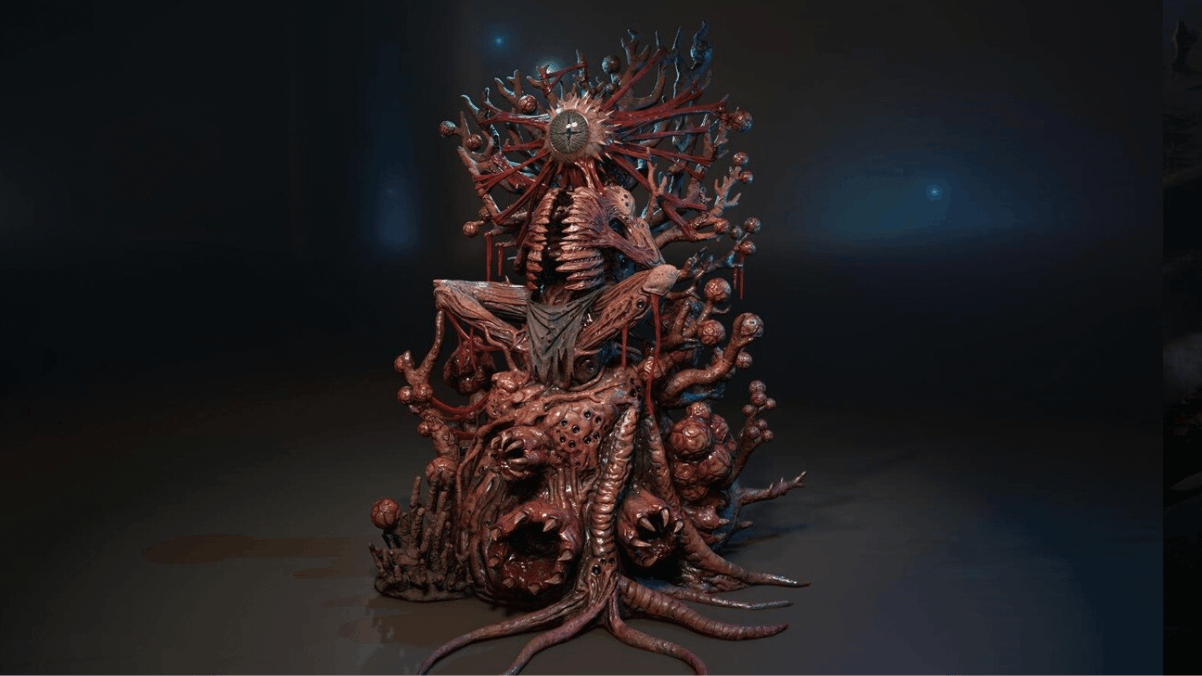
Empty hallways echo with footsteps that aren’t yours. The carnival rides spin without passengers. Familiar spaces, the ones etched into childhood memory, twist into something menacing, something that watches. Lonely Rabbit’s Midnight Strikes arrives eight months before its completion, targeting a youth horror genre that is hungry for experiences that feel personal rather than purely fantastical. The indie studio searches for a publisher while building momentum for a game that weaponizes nostalgia, turning high schools and carnivals into theaters of psychological dread. As franchises age and audiences demand fresh scares, this PC title tests whether memory-based terror represents the next chapter in youth horror.
Maturing Past Jump Scares
Youth horror gaming shed its training wheels. Little Nightmares and Bendy and the Ink Machine proved that younger players crave atmospheric storytelling over cheap shocks, puzzle-solving over gore, and visual distinctiveness over recycled formulas. Bendy’s ink-soaked corridors attracted a massive audience, including children drawn to the characters despite the T-rating, because the experience felt emotionally authentic rather than condescending. Players now expect psychological tension woven through environmental details, stories told through decaying spaces, and cryptic objects scattered across levels.
The genre’s maturation reflects audiences who grew up solving Portal’s test chambers and exploring Limbo’s monochrome nightmares. Among the Sleep demonstrated the potency of perspective: experiencing horror through a toddler’s eyes made familiar domestic spaces feel uncanny and threatening. Fran Bow plunged players into hand-drawn asylum corridors where perception itself became unreliable, where puzzles demanded engagement with trauma and grief rather than simple pattern recognition. Modern youth horror respects its audience enough to disturb them thoughtfully, creating experiences that linger days after the screen goes dark.
Corrupted Childhood as New Territory
Midnight Strikes drags players through levels “reminiscent of their childhood memories”: the high school, the carnival, spaces universal enough to feel personal. Lonely Rabbit constructs what they describe as a “menacingly beautiful atmosphere filled with bizarre and terrifying creatures,” pairing monster survival with puzzle challenges that prioritize mood over mechanics. The game adopts a “cinematic and otherworldly feel” while grounding its terror in locations players actually inhabited, making fear feel intimate rather than abstract.
This memory-based direction distinguishes Midnight Strikes from fantasy settings that dominate youth horror. Deserted carnival rides and empty school corridors carry weight because players recognize them as such. Maybe the locker rows feel too narrow, maybe the Ferris wheel groans with a voice that shouldn’t exist, maybe the cafeteria smells wrong. The game challenges players to “survive their fear of the unknown” while navigating spaces that should feel known, creating cognitive dissonance that amplifies dread. Other developers exploring similar territory, such as Subliminal, which utilizes “nostalgic spaces” and “a rotting feeling that something is not quite right,” suggest that childhood corruption represents an emerging subgenre.
Lonely Rabbit’s approach weaponizes personal history. Every player attended school, visited carnivals, and formed memories in spaces designed for safety and joy. Corrupting those spaces turns nostalgia into a threat, asking audiences to confront distorted versions of their own experiences. The monsters inhabiting these environments become more than obstacles; they represent the fear that familiar places might betray us, that memory itself becomes unreliable when shadows move in the wrong direction.
Smaller Teams, Bigger Risks
Indie studios like Lonely Rabbit maneuver where larger publishers hesitate. Their two-month publisher search and pre-launch community building reflect changing pathways for games that defy established franchise formulas. Building a follower base before release creates market validation, proving that audiences want what you’re making before significant capital is committed. Transparency about development timelines and production milestones generates audience investment, turning potential players into advocates during the publisher search.
Midnight Strikes represents creative gambles major studios avoid when quarterly earnings loom. Smaller teams experiment with concepts, corrupted childhood spaces, memory-based horror, pand sychological tension prioritized over action mechanics, that might fracture focus groups but resonate with underserved audiences. Lonely Rabbit’s global distribution ambitions demonstrate indie confidence: build something distinctive enough, and geography becomes irrelevant when digital storefronts erase borders.
The next eight months determine whether Midnight Strikes defines a subgenre or remains an interesting experiment. If players respond to horror that mines personal history, if corrupted nostalgia proves more terrifying than fantasy monsters, other developers will follow this path. Lonely Rabbit’s gamble, that childhood spaces make better horror stages than alien planets or demon dimensions, could redefine what scares young players next. The studio’s publisher search tests whether the industry views memory-based terror as the future of youth horror or a niche curiosity. Either outcome writes the next page in a genre still learning what it can become.
-

 Tech5 years ago
Effuel Reviews (2021) – Effuel ECO OBD2 Saves Fuel, and Reduce Gas Cost? Effuel Customer Reviews
-
 Tech7 years ago
Bosch Power Tools India Launches ‘Cordless Matlab Bosch’ Campaign to Demonstrate the Power of Cordless
-

 Lifestyle7 years ago
Catholic Cases App brings Church’s Moral Teachings to Androids and iPhones
-

 Lifestyle5 years ago
East Side Hype x Billionaire Boys Club. Hottest New Streetwear Releases in Utah.
-

 Tech7 years ago
Cloud Buyers & Investors to Profit in the Future
-

 Lifestyle6 years ago
The Midas of Cosmetic Dermatology: Dr. Simon Ourian
-

 Health7 years ago
CBDistillery Review: Is it a scam?
-

 Entertainment7 years ago
Avengers Endgame now Available on 123Movies for Download & Streaming for Free