
Lifestyle
The Evolution of Automated Bottling and Labelling Solutions: From Manual to Fully Integrated Systems

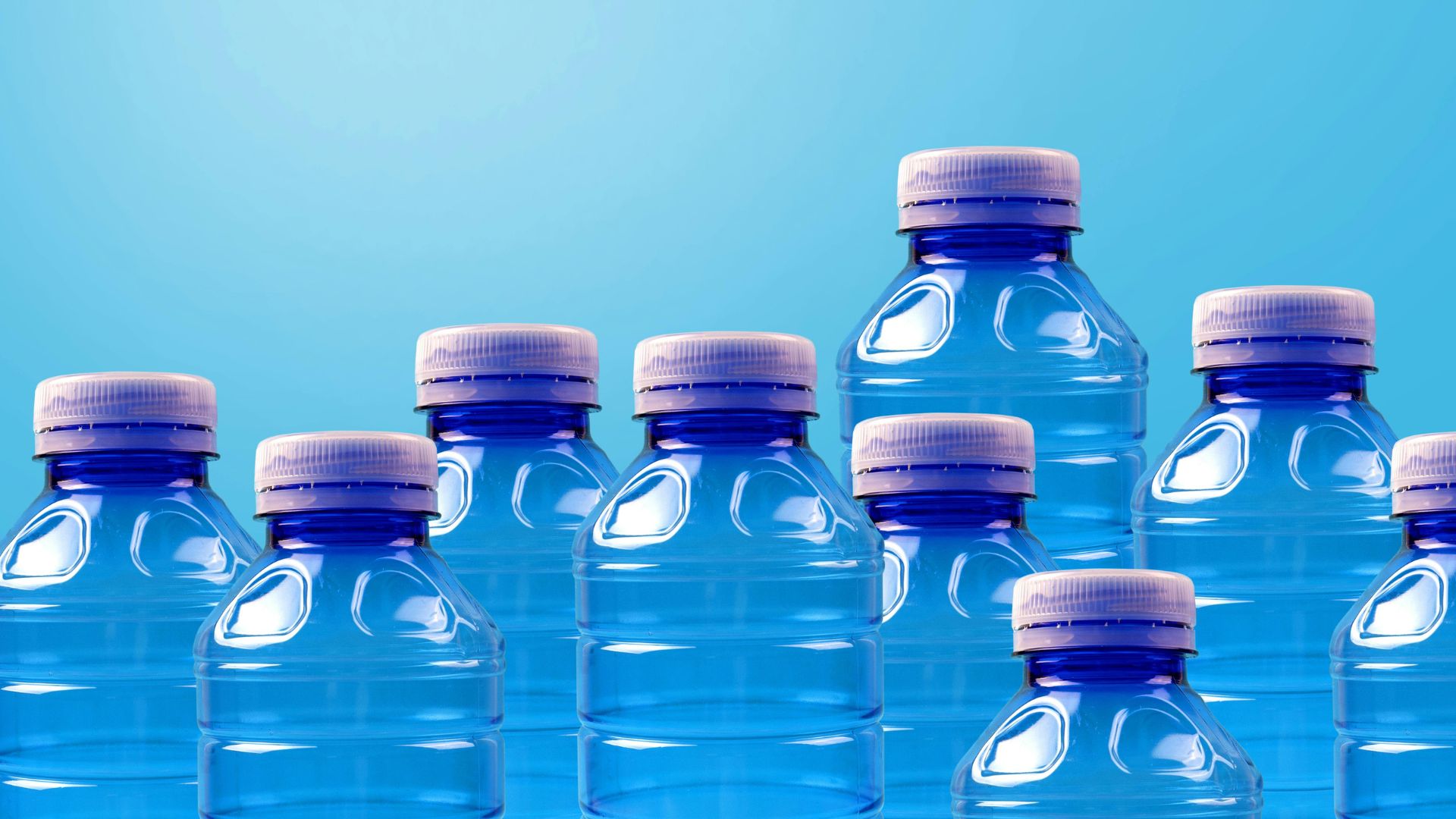
In today’s fast-paced manufacturing and packaging industries, efficiency and accuracy are everything. Businesses across food, beverage, pharmaceutical, and cosmetic sectors rely heavily on bottling and labelling solutions to maintain product consistency, meet compliance standards, and enhance consumer trust. What began as labour-intensive manual processes has rapidly evolved into fully integrated, automated systems that streamline production and boost profitability. Providers such as Rentafill have played a key role in giving businesses access to flexible and scalable solutions, whether they are just starting out or preparing for large-scale operations.
From Manual Labour to Mechanised Assistance
The earliest bottling and labelling methods involved significant human effort. Workers filled bottles by hand and applied labels manually, often resulting in inconsistencies and bottlenecks in production. As demand grew, simple mechanical tools were introduced to aid with pouring and applying labels, reducing spillage and improving alignment. These early steps were crucial in laying the foundation for more sophisticated solutions.
The Rise of Semi-Automated Systems
Semi-automated bottling and labelling machines marked a turning point. By combining manual oversight with mechanical efficiency, businesses could scale production without a complete overhaul of their processes. Operators managed filling levels, adjusted labelling mechanisms, and ensured quality control while machines handled repetitive actions at higher speeds. Semi-automation was especially beneficial for small to medium-sized enterprises looking to meet growing demand without excessive upfront investment.
Fully Automated Integration
Today’s advanced bottling and labelling solutions are often part of fully integrated systems that connect seamlessly with wider production lines. Modern machines are capable of filling, capping, sealing, and labelling at high speeds with exceptional accuracy. Integration with software allows for real-time monitoring, quality assurance, and predictive maintenance, reducing downtime and waste. These systems can adapt to various container shapes and label formats, giving manufacturers the flexibility they need to keep up with changing consumer preferences and regulatory requirements.
Benefits of Automation in Bottling and Labelling
The transition to automated systems has delivered significant advantages:
• Consistency and precision – automated processes ensure uniform product presentation.
• Increased output – high-speed systems enable businesses to meet rising demand efficiently.
• Reduced costs – less labour is required, and waste from errors is minimised.
• Enhanced traceability – integration with digital systems supports compliance and batch tracking.
• Scalability – systems can be customised to suit businesses at any stage of growth.
Looking Ahead
The evolution of bottling and labelling continues as industries move towards Industry 4.0. Smart technologies, including IoT-enabled sensors and AI-driven analytics, are being integrated into packaging lines to optimise performance, detect faults early, and ensure even greater sustainability. The focus is shifting not only towards efficiency but also towards environmental responsibility, with machines designed to minimise material use and energy consumption.
Final Thoughts
From the days of manual filling to today’s fully integrated systems, bottling and labelling solutions have undergone a remarkable transformation. Businesses now have the opportunity to embrace automation in ways that improve quality, productivity, and long-term growth. Whether a company requires small-scale support or a complete packaging line, modern providers are helping industries bridge the gap between tradition and innovation.

Some days feel hard in ways that are difficult to explain. A person may be dealing with illness, stress, grief, or plain exhaustion, and even the smallest task can feel bigger than usual. From the outside, it may not always be clear what to do. Still, one thoughtful act can shift the mood of the whole day.
That idea is easy to miss in a busy world. People are used to quick texts, rushed check-ins, and good intentions that never quite turn into action. Yet the gestures people remember most are usually simple. A handwritten note. A meal that shows up at the right time. A small gift that says someone thought ahead.
These moments matter because they make a person feel less alone. They do not fix everything, but they change the emotional temperature. They soften the day. They create a pause in the middle of stress, and that pause can mean more than people expect.
Why Small Acts of Kindness Feel So Powerful
When someone is going through a rough patch, support works best when it feels easy to receive. That is part of why a thoughtful get well care package can stand out. It does not ask much from the person receiving it. It simply arrives with comfort, warmth, and a quiet message of care.
That message matters. According to the CDC, social isolation and loneliness are linked to serious physical and mental health risks. Feeling supported is not just emotionally nice; it plays a real role in overall well-being. A caring gesture can remind someone that they are still connected to others, even on a day when life feels narrow and heavy.
There is also something powerful about specific care. A generic “hope you feel better” may be appreciated, but a practical, thoughtful gesture tends to land differently. It shows attention. It tells the recipient that someone slowed down long enough to think about what might actually help.
That could mean comfort food, a cozy blanket, tea, soup, or a short note with the right words at the right time. It could also mean sending something that helps a person rest without making another decision. On difficult days, reducing stress is often just as meaningful as offering encouragement.
The emotional effect of that kind of support can last far beyond the moment itself. People may forget what was said in a hard week, but they usually remember how others made them feel. A kind gesture says, “You do not have to carry this day by yourself.” That feeling can last for a long time.
Thoughtful Support Works Better Than Big Support
One reason small gestures work so well is that they do not need to be dramatic. In fact, the best support is often the least complicated. It does not draw attention to itself. It does not demand a big response. It simply meets a need with care.
That makes a difference in both personal and professional settings. In families and friendships, thoughtful support builds trust. In business, it can strengthen relationships in a way that feels human instead of transactional. Clients, coworkers, and partners notice when kindness feels genuine.
A large gift can sometimes miss the mark if it feels too polished or too distant. A smaller gesture with a personal touch often feels more sincere. Timing matters too. The right support at the right moment will usually mean more than something larger that arrives late or feels generic.
Health experts also note that giving can benefit the person who offers support. Cleveland Clinic cites research showing that helping others can lower stress and support emotional well-being. That helps explain why kind gestures often feel meaningful on both sides. The person receiving care feels seen, and the person giving it gets to turn empathy into action.
There is another reason thoughtful support matters. Many people struggle to ask for help, especially when they are used to being dependable for everyone else. A gesture that arrives without pressure can break through that pattern. It gives the recipient permission to pause, rest, and accept care without having to explain or organize it.
That is often what turns a hard day around. Not a big speech. Not perfect timing. Just one clear sign that somebody noticed.
What People Remember After the Hard Part Passes
Most people do not remember every detail of a difficult season. They remember the moments that made it easier to breathe.
They remember the friend who sent something warm and comforting. They remember the colleague who checked in without making it awkward. They remember the family member who helped practically, rather than saying, “Let me know if you need anything” and leaving it at that.
Those moments stay with people because they feel personal. They show care in a form that can be felt right away. They also create a ripple effect. One act of kindness often inspires another, which is how support grows in families, teams, and communities.
That is what makes simple gestures so valuable. They are not small in impact, only small in scale. On a difficult day, that can be exactly what someone needs most.
The Gesture That Changes More Than a Moment
A hard day does not always call for a grand solution. Sometimes it calls for one thoughtful interruption, something warm, useful, and kind enough to remind a person they are not alone.
That is why small gestures matter so much. They bring comfort without noise. They create connections without pressure. They stay in a person’s memory long after the moment has passed. Whether it is a note, a meal, or a carefully chosen get well care package, the right gesture can do more than brighten a day. It can help someone feel cared for when they need it most.
-

 Tech5 years ago
Effuel Reviews (2021) – Effuel ECO OBD2 Saves Fuel, and Reduce Gas Cost? Effuel Customer Reviews
-
 Tech6 years ago
Bosch Power Tools India Launches ‘Cordless Matlab Bosch’ Campaign to Demonstrate the Power of Cordless
-

 Lifestyle7 years ago
Catholic Cases App brings Church’s Moral Teachings to Androids and iPhones
-

 Lifestyle5 years ago
East Side Hype x Billionaire Boys Club. Hottest New Streetwear Releases in Utah.
-

 Tech7 years ago
Cloud Buyers & Investors to Profit in the Future
-

 Lifestyle6 years ago
The Midas of Cosmetic Dermatology: Dr. Simon Ourian
-

 Health7 years ago
CBDistillery Review: Is it a scam?
-

 Entertainment7 years ago
Avengers Endgame now Available on 123Movies for Download & Streaming for Free