
Lifestyle
The Missing Piece in Self-Help? Why This Book is Changing the Wellness Game

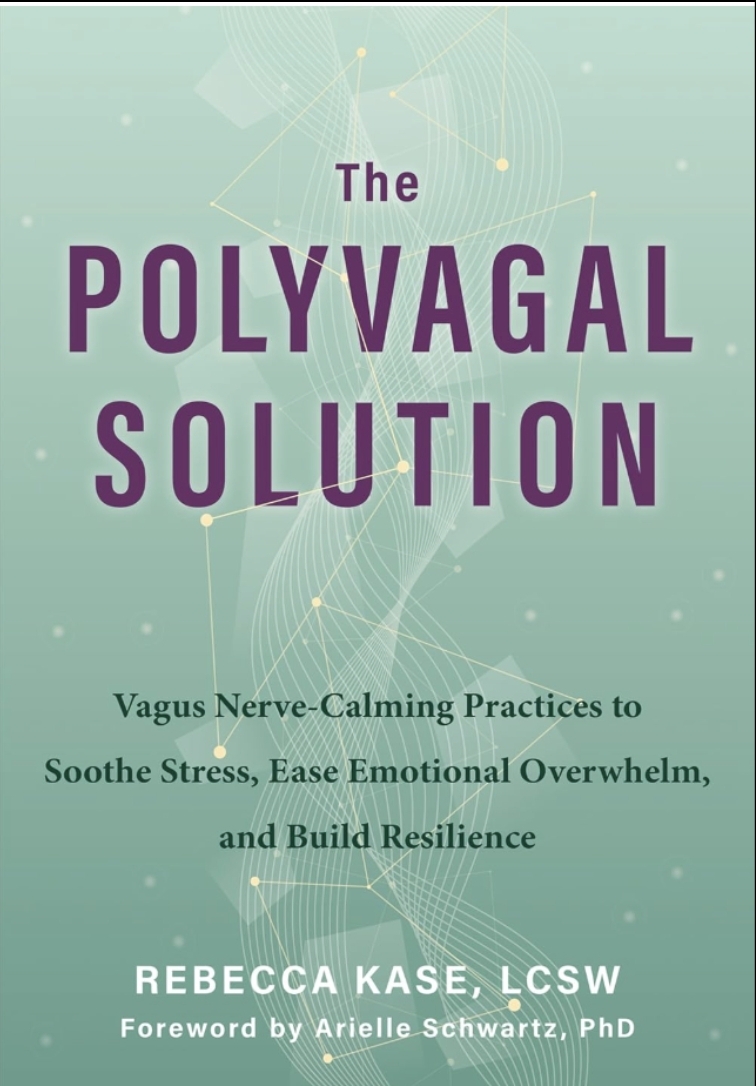
Self-help shelves are full of advice — some of it helpful, some of it recycled, and most of it focused on “mindset.” But Rebecca Kase, LCSW and founder of the Trauma Therapist Institute, is offering something different: a science-backed, body-first approach that explains why so many people feel struck, overwhelmed, or burned out — and what they can actually do about it.
A seasoned therapist and business leader, Kase has spent nearly two decades teaching others how to navigate life through the lens of the nervous system. Her newest book, “The Polyvagal Solution,” set to release in May 2025, aims to shake up the wellness space by shifting the focus away from willpower and onto biology. If success has felt out of reach — or if healing has always seemed like a vague concept — this book may be the missing link.
A new way to understand stress and healing
At the heart of Kase’s approach is polyvagal theory, a neuroscience-based framework that helps explain how our bodies respond to safety and threat. Developed by Dr. Stephen Porges, polyvagal theory has transformed the way many therapists understand trauma, but Kase is bringing this knowledge to a much wider audience.
“The body always tells the truth,” Kase says. “If you’re anxious, exhausted, or always in overdrive, your nervous system is asking for support, not more discipline.”
“The Polyvagal Solution” makes this complex theory digestible and actionable. Instead of promising quick fixes, Kase offers strategies for regulating the nervous system over time, including breathwork, movement, boundaries, and daily practices that better align with how the human body functions. It’s less about pushing through discomfort and more about learning to tune in to what the body needs.
From clinical expertise to business insight
What sets Kase apart isn’t just her deep understanding of trauma but how she blends that knowledge with real-world experience as a business owner and leader. As the founder of the Trauma Therapist Institute, she scaled her work into a thriving company, all while staying rooted in the values she teaches.
Kase has coached therapists, executives, and entrepreneurs who struggle with burnout, anxiety, or feeling disconnected from their work. Regardless of who she works with, though, her message remains consistent: the problem isn’t always mindset — it’s often regulation.
“Success that drains you isn’t success. It’s survival mode in disguise,” Kase explains. Her coaching programs go beyond traditional leadership training by teaching high achievers how to calm their nervous systems, enabling them to lead from a grounded place, not just grit.
Making the science personal
For all her clinical knowledge, Kase keeps things human. Her work doesn’t sound like a lecture but rather like a conversation with someone who gets it. That’s because she’s been through it herself: the long hours as a therapist, the emotional toll of supporting others, the realities of building a business while managing her own well-being.
That lived experience informs everything she does. Whether she’s speaking on stage, running a retreat, or sharing an anecdote on her podcast, Kase has a way of weaving humor and honesty into even the heaviest topics. Her ability to balance evidence-based practice with practical advice is part of what makes her voice so compelling.
Kase’s previous book, “Polyvagal-Informed EMDR,” earned respect from clinicians across the country. But “The Polyvagal Solution” reaches beyond the therapy community to anyone ready to understand how their body is shaping their behavior and how to create real, sustainable change.
Why this message matters
We’re in a moment where burnout is common and overwhelm feels normal. People are looking for answers, but many of the tools out there don’t address the deeper cause of those feelings.
That’s where Kase’s work lands differently. Instead of telling people to “think positive” or “try harder,” she teaches them how to regulate their own biology. And in doing so, she opens the door for deeper connection, better decision-making, and more energy for the things that matter.
As more workplaces begin to embrace trauma-informed leadership, more individuals are seeking solutions that go beyond talk therapy and motivational content. Kase meets that need with clarity, compassion, and a toolkit rooted in both science and humanity.
A grounded approach to lasting change
What makes “The Polyvagal Solution” stand out is its realism. It doesn’t ask readers to overhaul their lives but instead asks them to listen — to pay attention to how their bodies feel, how their stress patterns manifest, and how even small shifts in awareness can lead to significant results over time. Whether you’re a therapist, a team leader, or someone trying to feel more at ease in your own skin, this book offers a way forward that feels both grounded and achievable.
Rebecca Kase isn’t just adding another title to the self-help genre. She’s redefining it by reminding us that we don’t have to muscle our way through life. We just have to learn how to work with, not against, ourselves.
And maybe that’s the real game-changer we’ve been waiting for.

Some days feel hard in ways that are difficult to explain. A person may be dealing with illness, stress, grief, or plain exhaustion, and even the smallest task can feel bigger than usual. From the outside, it may not always be clear what to do. Still, one thoughtful act can shift the mood of the whole day.
That idea is easy to miss in a busy world. People are used to quick texts, rushed check-ins, and good intentions that never quite turn into action. Yet the gestures people remember most are usually simple. A handwritten note. A meal that shows up at the right time. A small gift that says someone thought ahead.
These moments matter because they make a person feel less alone. They do not fix everything, but they change the emotional temperature. They soften the day. They create a pause in the middle of stress, and that pause can mean more than people expect.
Why Small Acts of Kindness Feel So Powerful
When someone is going through a rough patch, support works best when it feels easy to receive. That is part of why a thoughtful get well care package can stand out. It does not ask much from the person receiving it. It simply arrives with comfort, warmth, and a quiet message of care.
That message matters. According to the CDC, social isolation and loneliness are linked to serious physical and mental health risks. Feeling supported is not just emotionally nice; it plays a real role in overall well-being. A caring gesture can remind someone that they are still connected to others, even on a day when life feels narrow and heavy.
There is also something powerful about specific care. A generic “hope you feel better” may be appreciated, but a practical, thoughtful gesture tends to land differently. It shows attention. It tells the recipient that someone slowed down long enough to think about what might actually help.
That could mean comfort food, a cozy blanket, tea, soup, or a short note with the right words at the right time. It could also mean sending something that helps a person rest without making another decision. On difficult days, reducing stress is often just as meaningful as offering encouragement.
The emotional effect of that kind of support can last far beyond the moment itself. People may forget what was said in a hard week, but they usually remember how others made them feel. A kind gesture says, “You do not have to carry this day by yourself.” That feeling can last for a long time.
Thoughtful Support Works Better Than Big Support
One reason small gestures work so well is that they do not need to be dramatic. In fact, the best support is often the least complicated. It does not draw attention to itself. It does not demand a big response. It simply meets a need with care.
That makes a difference in both personal and professional settings. In families and friendships, thoughtful support builds trust. In business, it can strengthen relationships in a way that feels human instead of transactional. Clients, coworkers, and partners notice when kindness feels genuine.
A large gift can sometimes miss the mark if it feels too polished or too distant. A smaller gesture with a personal touch often feels more sincere. Timing matters too. The right support at the right moment will usually mean more than something larger that arrives late or feels generic.
Health experts also note that giving can benefit the person who offers support. Cleveland Clinic cites research showing that helping others can lower stress and support emotional well-being. That helps explain why kind gestures often feel meaningful on both sides. The person receiving care feels seen, and the person giving it gets to turn empathy into action.
There is another reason thoughtful support matters. Many people struggle to ask for help, especially when they are used to being dependable for everyone else. A gesture that arrives without pressure can break through that pattern. It gives the recipient permission to pause, rest, and accept care without having to explain or organize it.
That is often what turns a hard day around. Not a big speech. Not perfect timing. Just one clear sign that somebody noticed.
What People Remember After the Hard Part Passes
Most people do not remember every detail of a difficult season. They remember the moments that made it easier to breathe.
They remember the friend who sent something warm and comforting. They remember the colleague who checked in without making it awkward. They remember the family member who helped practically, rather than saying, “Let me know if you need anything” and leaving it at that.
Those moments stay with people because they feel personal. They show care in a form that can be felt right away. They also create a ripple effect. One act of kindness often inspires another, which is how support grows in families, teams, and communities.
That is what makes simple gestures so valuable. They are not small in impact, only small in scale. On a difficult day, that can be exactly what someone needs most.
The Gesture That Changes More Than a Moment
A hard day does not always call for a grand solution. Sometimes it calls for one thoughtful interruption, something warm, useful, and kind enough to remind a person they are not alone.
That is why small gestures matter so much. They bring comfort without noise. They create connections without pressure. They stay in a person’s memory long after the moment has passed. Whether it is a note, a meal, or a carefully chosen get well care package, the right gesture can do more than brighten a day. It can help someone feel cared for when they need it most.
-

 Tech5 years ago
Effuel Reviews (2021) – Effuel ECO OBD2 Saves Fuel, and Reduce Gas Cost? Effuel Customer Reviews
-
 Tech7 years ago
Bosch Power Tools India Launches ‘Cordless Matlab Bosch’ Campaign to Demonstrate the Power of Cordless
-

 Lifestyle7 years ago
Catholic Cases App brings Church’s Moral Teachings to Androids and iPhones
-

 Lifestyle5 years ago
East Side Hype x Billionaire Boys Club. Hottest New Streetwear Releases in Utah.
-

 Tech7 years ago
Cloud Buyers & Investors to Profit in the Future
-

 Lifestyle6 years ago
The Midas of Cosmetic Dermatology: Dr. Simon Ourian
-

 Health7 years ago
CBDistillery Review: Is it a scam?
-

 Entertainment7 years ago
Avengers Endgame now Available on 123Movies for Download & Streaming for Free