
Business
Transforming Sales: Tips from Gene Slade’s Student on Lead Ninja System

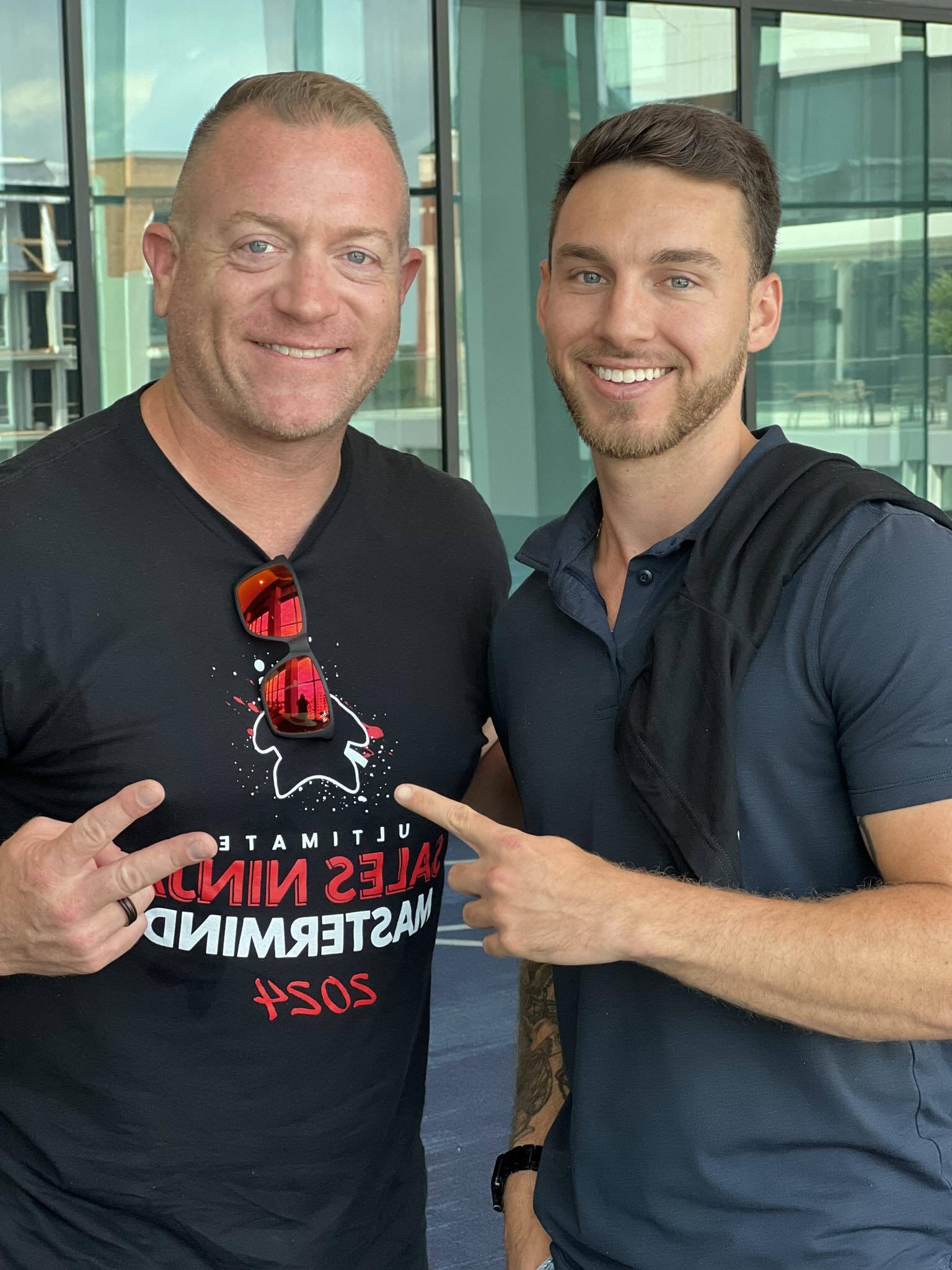
Corbin Allen’s journey from a troubled past to a successful sales professional shows how resilience and good mentorship can change a life. With the help of Gene Slade, CEO of Lead Ninja System and Lead Ninja AI, Allen improved his sales skills and used new strategies to perform much better.
Lead Ninja System is a training program that helps improve sales skills, especially for people in the HVAC, plumbing, and electrical trades. It focuses on making sales more efficient and keeping customers happy through Slade’s proven strategies and hands-on training sessions. Lead Ninja AI is part of the Lead Ninja System and can have long, human-like phone conversations. It remembers details from past talks, making each call personal and consistent. This AI is flexible and works well for sales calls and customer support in the HVAC, plumbing, and electrical trades.
Here, Mr. Allen shares the important lessons he learned from Slade and how he used them to succeed. He gives practical advice for new salespeople. Allen keeps learning from Slade and now also teaches others at Slade’s live events.
Road to Victory
Allen’s journey is truly amazing. He was born into a tough situation and faced many difficulties from a young age.
“I was a product of a broken home,” he shares. “I never really had a mom physically present, and this led to some poor choices. I found myself in prison at 18.”
When Allen was 20 and got out, he decided to change his life. He started working on air conditioners, not knowing at first how much money he could make in sales.
“I was hired as a technician, but I realized the guys selling air conditioners were making significantly more money,” he says. “This moment was the start of my journey in sales.”
Discovering Gene Slade and Lead Ninja System
Allen’s career took a huge turn when he found Slade and the Lead Ninja System.
“Gene is the real deal,” Allen says. “Unlike many sales trainers who haven’t ‘walked the walk,’ Gene’s advice is practical and — most importantly — rooted in real experience.”
Allen first heard about Slade through a podcast and was immediately impressed by his insights.
“I decided to try his techniques, and they worked,” Allen says. “This was a total game-changer for me.”
Top Tips from Corbin Allen
Drawing from his experiences and the invaluable lessons learned from Slade, Allen shared his top sales tips with us to help our readers succeed.
1. Establish a Routine
Allen insists on the importance of a good routine.
“How you do anything is how you do everything,” he says. “Having a routine, setting aside time for yourself, and keeping a positive mindset are super important. Whether it’s going to the gym, meditating, or grounding yourself, find something that centers you and make it part of every single day.”
2. Adopt a Holistic Approach
A holistic approach to life and work is essential.
“You need to look at your life from all angles,” Allen says. “Focus on improving yourself in all areas of your life, not just in sales. When you feel good, you do well. This means you will have better interactions with clients and more successful sales. But you have to give all aspects of your life equal value.”
3. Develop a Solid Process
One of the most impactful lessons Allen learned from Slade is the importance of having a structured sales process.
“Most salespeople don’t have a clear process that they can use with every potential client,” he notes. “Gene taught me that having a standard process allows you to track what works and what doesn’t. It’s important to follow a consistent process in every interaction.”
4. Focus on Helping Others
Allen advises changing the perspective from selling to helping.
“Ask yourself, ‘How can I help this person today?’” he says. “When you really focus on providing help and solving problems for your clients, the sales will naturally follow!”
5. Continuous Learning and Adaptation
As a forever student of Slade’s teachings, Allen shares the importance of always learning and being open to adapt.
“Sales is always changing,” he says. “Stay updated with Gene’s latest techniques, attend his bi-weekly training sessions, through the Mastermind, and always be open to learning new things. Gene’s Lead Ninja Mastermind sessions are so great, and the Mansion Events are even better, because we practice in real life, just like it would be with a potential client.”
Allen’s Credentials and Achievements
Allen’s success under Slade’s mentorship is easy to see from his big achievements.
“From making $50,000 a year as a technician to earning over $200,000 in my first year in sales, the change has been incredible,” he shares. “This year, I’m on track to make over $300,000.”
Allen is also successful in his personal life. He built a stable and loving family, raising four boys with his wife, whom he met just three months after his getting out of prison. They were wed six months later.
“We’ve been together for over five years, and it’s been a steady climb,” he says proudly. “I hope through Lead Ninja, many men can bring together beautiful families like I did. I didn’t think it was possible when I was at my lowest. Now, I think anyone can do it if they work hard and believe in themselves. It helps to have Gene in your corner, too.”
The Power of Mentorship
Allen attributes much of his success to the mentorship he received from Slade.
“Lead NInja is ultra transformative,” he states. “Gene provides practical advice that is easy to implement from the jump. Plus, his process works for everyone, regardless of personality type.”
For those looking to copy Allen’s success, he offers this final piece of advice: “Find a mentor who has walked the path you want to take. Learn from them, implement their strategies, and always strive to better yourself. With the right guidance, anything is possible. I believe in us.”
Corbin Allen’s journey from adversity to success underscores the profound impact of effective mentorship and the power of resilience. By following his advice and adopting a holistic approach to life and work, aspiring salespeople can achieve remarkable success in the HVAC, plumbing, and electrical trades.
About Gene Slade
Gene Slade, CEO of Lead Ninja System, is a pioneering force in the realm of sales training and business development. With a steadfast commitment to empowering professionals in the HVAC, plumbing, and electrical trades, Gene offers transformative coaching experiences that revolutionize the way business owners approach sales and growth through personalized guidance, community support, and access to exclusive resources. For more information, please visit https://leadninjasystem.com/

Byline: Andi Stark
For many people facing a legal problem, the most difficult part is not understanding their rights but finding a lawyer willing to speak with them in the first place. Long wait times, unclear pricing, and administrative hurdles often delay even the most basic consultations. YesLawyer, an AI-enabled plaintiff firm operating across all 50 states, is testing whether technology can shorten that gap.
Founded in 2024 by 25-year-old entrepreneur Rob Epstein, the platform offers free intake, automated screening, and, in many cases, same-day conversations with licensed attorneys. The idea is simple: reduce the friction between a client’s first request for help and an actual legal discussion. In this interview, Epstein explains how the system works, where artificial intelligence fits into the process, and what problems the company is trying to address in the broader legal system
Q: When you say you want lawyers to be “as accessible as Wi-Fi,” what does that mean in practical terms?
A: It’s a way of describing speed and availability. Someone dealing with a workplace dispute, a serious injury, or an immigration issue should be able to move from an online form or phone call to a real conversation with counsel in hours, not weeks. YesLawyer is structured so that a client begins with a free case evaluation, goes through automated conflict checks and basic screening, and, in many instances, speaks with a lawyer the same day.
Q: How does the process work once someone contacts the platform?
A: We use a structured workflow. It starts with a short questionnaire and an initial conversation to capture basic facts. That information feeds into conflict checks and internal review. The system then proposes a match with a licensed attorney and provides a calendar link for a virtual consultation, often within 24 hours. After the meeting, the client receives a written legal plan outlining next steps, deadlines, and estimated fees.
Q: Where does artificial intelligence fit into that process, and where does it stop?
A: AI is used for organizing and routing information, not for giving legal advice. It helps with conflict checks at scale, case categorization, and structured summaries so attorneys can focus on the substance of the matter. Every consultation is conducted by a licensed lawyer, and all decisions about strategy or next steps are made by humans.
Q: What problem is this model trying to solve in the current legal system?
A: Delay and cost are still major barriers. Many civil plaintiffs face long waits just to get a first appointment, along with high retainers and hourly billing that make early legal advice risky. We try to respond with faster consultations, flat-fee options, and financing. The idea is to remove administrative friction so lawyers spend less time on logistics and more time speaking with clients.
Q: Some critics say platforms like this blur the line between a technology company and a law firm. How do you describe YesLawyer?
A: We describe ourselves as a national, AI-enabled plaintiff firm that connects clients with independent attorneys. That structure does raise regulatory questions, especially around responsibility and oversight. We focus on licensing verification, attorney-written case plans, and clear communication about fees and services.
Q: You’ve said the main bottleneck is “systems” rather than people. What do you mean by that?
A: The issue isn’t that lawyers don’t want to help more people. It’s that the systems around them make it hard to scale their time. Intake, scheduling, and document handling take hours. Automating those parts means attorneys can handle more matters without being overwhelmed by repetitive tasks.
Q: Does this model risk favoring only the most profitable cases?
A: That’s a real concern in legal technology. Automation often works best for repeatable, high-volume disputes. Our view is that lowering administrative cost can actually make it easier to take on smaller or more complex cases that might otherwise be turned away. Whether that holds over time depends on the data.
Measuring Impact Over Time
YesLawyer’s attempt to compress the timeline between inquiry and consultation reflects broader changes in how legal services are being delivered. As artificial intelligence becomes more common in administrative work, firms are experimenting with new ways to reduce wait times and clarify costs.
The company’s early growth suggests that many clients value faster access to an initial conversation, even before considering long-term representation. Whether this platform-based model becomes widely adopted or remains one of several emerging approaches will depend on regulatory developments, lawyer participation, and measurable outcomes for clients. For now, YesLawyer’s experiment highlights a central question in modern legal practice: how quickly can help realistically be made available to the people who need it.
-

 Tech5 years ago
Effuel Reviews (2021) – Effuel ECO OBD2 Saves Fuel, and Reduce Gas Cost? Effuel Customer Reviews
-
 Tech7 years ago
Bosch Power Tools India Launches ‘Cordless Matlab Bosch’ Campaign to Demonstrate the Power of Cordless
-

 Lifestyle7 years ago
Catholic Cases App brings Church’s Moral Teachings to Androids and iPhones
-

 Lifestyle5 years ago
East Side Hype x Billionaire Boys Club. Hottest New Streetwear Releases in Utah.
-

 Tech7 years ago
Cloud Buyers & Investors to Profit in the Future
-

 Lifestyle6 years ago
The Midas of Cosmetic Dermatology: Dr. Simon Ourian
-

 Health7 years ago
CBDistillery Review: Is it a scam?
-

 Entertainment7 years ago
Avengers Endgame now Available on 123Movies for Download & Streaming for Free