
World
Your Best Guide to Recycling Scrap Metal

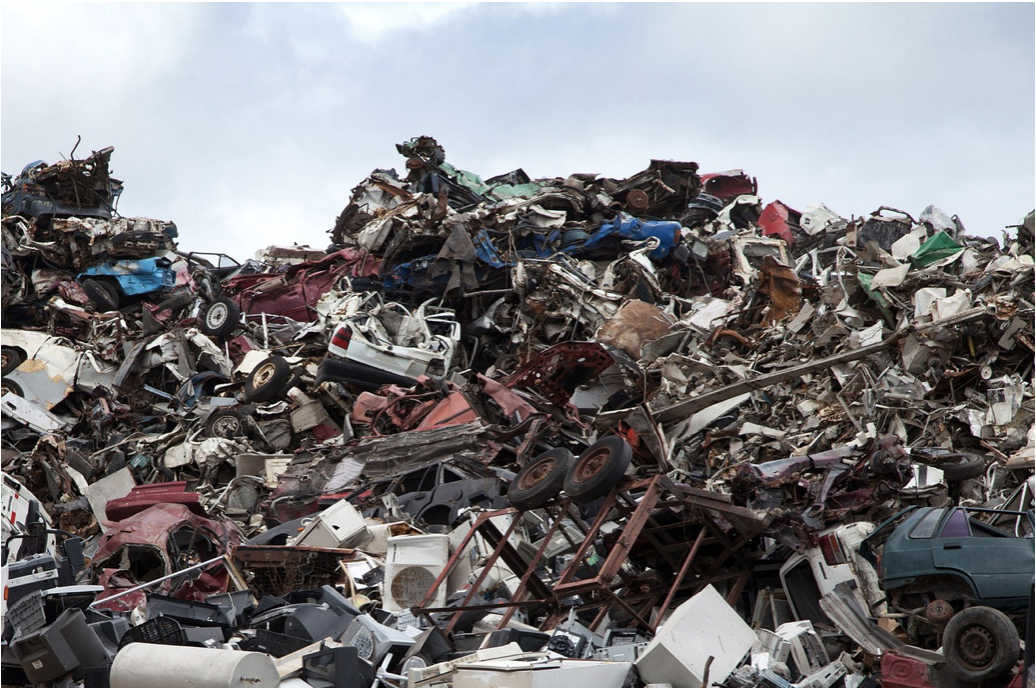
We can all readily agree that in today’s world, where environmental consciousness is at its peak, recycling has become an essential and fundamental practice. But there is an area of recycling that often goes unnoticed, and it’s ironic because it’s an area that might well benefit most of us: scrap metal recycling. When you recycle scrap metal, this not only helps preserve our natural resources – but it also offers numerous environmental and economic advantages. In other words, it could also bring money to your wallet! So how do you get started, and what materials can you recycle? Here’s your best guide to recycling scrap metal – and its real benefits.
- Understand the importance of recycling your scrap metal
Recycling scrap metal reduces the need for extracting (mining for minerals) and refining virgin ores. When we reuse our existing metals, we can conserve valuable resources like copper, iron, aluminum, and steel, which are otherwise obtained through energy-intensive mining processes. When it comes to energy, it’s the same: recycling scrap metal requires significantly less energy compared to the production of new metals. The energy savings achieved through recycling can be as much as 90% for copper, 92% for aluminum, and 56% for steel, contributing to the reduction of greenhouse gases! Lastly, when we recycle our scrap metal, we prevent these materials from ending up in landfills, as confirmed by companies such as Langley Recycling. Metals can often take hundreds of years to decompose and may release harmful substances into the environment if not properly disposed of!
- Types of scrap metal
There are different types of scrap metal for recycling, and these include ferrous metals and non-ferrous metals. Ferrous metals include iron and steel, commonly found in household appliances, automobiles, and construction materials. Meanwhile, non-ferrous metals include aluminum, brass copper, stainless steel, and lead. Non-ferrous metals are widely used in wiring, electronics, plumbing, and various consumer products.
- Preparing scrap metal for recycling
Once you have found scrap metal, you need to prepare and sort it first. For instance, you must separate different types of metals to ensure maximum recycling efficiency. Use magnets to distinguish ferrous metals from non-ferrous metals, as ferrous metals are magnetic. Remove any non-metallic attachments, such as plastic, rubber, or wood, as these can affect the recycling process.
- Locating scrap metal recycling centers
You can search for local facilities and locate nearby scrap metal recycling centers. These facilities accept various types of scrap metal and may even offer pick-up services. On the other hand, you can also utilize online directories and recycling websites to find reputable recycling centers in your area.
The benefits of recycling scrap metal
Most of us already know that recycling scrap metal helps reduce the demand for mining, thereby minimizing the destruction of natural habitats and ecosystems. In addition, recycling saves energy that would otherwise be consumed during the extraction, transportation, and manufacturing processes involved in creating new metals. Scrap metal recycling creates employment opportunities and contributes to local economies. The recycling industry also generates revenue through the sale of recycled metal, providing economic benefits for individuals and communities.
Recycling scrap metal is a win-win situation for both the environment and the economy. By embracing this practice, we can conserve valuable resources, reduce energy consumption, and minimize waste. Together, let’s make a difference by promoting the responsible recycling of scrap metal and working towards a sustainable future.

The National Oceanic and Atmospheric Administration (NOAA) predicted a 60% chance that the 2025 Atlantic hurricane season would be above normal. The administration said to watch for between 13 and 19 total named storms — those with winds of 39 mph or higher.
For homeowners in hurricane-prone regions, this raises an urgent question: are your outdoor spaces ready to weather the storm?
PERGOLUX, a leader in durable outdoor structures, designs powder-coated aluminum pergolas with adjustable louvers to withstand the harshest environments.
“Today’s outdoor living spaces face the wrath of nature’s extremes,” says Tim Heneveld, Country Director of PERGOLUX North America. “Hurricanes, tropical storms, and flash floods bring powerful winds exceeding 100 mph. Their relentless rain and rising floodwaters can quickly devastate unprepared structures. If you want to protect your investments, resilient design is essential.”
Is your aluminum pergola and louvered roof ready to take on intense storms?
The open-air elegance of patio pergolas with slat roofs is perfect for a gentle breeze, but can make them vulnerable to the violent forces of hurricane winds. These storm winds pack powerful uplift and lateral forces.
Wind uplift occurs when gusts of wind flow beneath the roof, generating upward pressure that can lift the entire structure off its base. Lateral forces push a pergola horizontally, causing it to lean or even collapse.
The key defense against these powerful forces? A reinforced frame.
“Strong, well-engineered frames act as the backbone of your pergola,” notes Heneveld. “Aluminum is the ideal material for a pergola’s frame. It combines the strength needed to resist bending or breaking with a lighter weight that reduces strain on the foundation.”
PERGOLUX’s pergolas feature reinforced frames engineered to withstand intense storms with confidence. In fact, their latest model, the Skydance Series 3 Pergola, is specially crafted to endure winds up to 165 mph, which means that even when fierce hurricanes like Milton sweep through, these pergolas remain intact.
Reinforced aluminum frames designed with thickened beams and precision connections stand up to wind uplift and lateral pressure. Hurricane-rated bolts, brackets, and screws hold everything tightly together to prevent weak points that storms so often exploit. When each joint is reinforced and well-anchored, your pergola can remain a steadfast retreat despite the wildest weather. Thicker beams and columns combined with robust engineering techniques give these pergolas superior strength. Extra support brackets, hidden fasteners, and precise assembly methods ensure the frame endures.
Elevated bases can protect your luxury pergola from floods
Along with high winds, storms bring torrential rain. Rising water can undermine structural footings and rot wooden materials, which can destabilize the entire installation.
An elevated base is a strategic line of defense. “By constructing your pergola on raised concrete footings or piers, you create a gap between the ground and the structure,” notes Heneveld. “During a flood, it keeps the water at bay. The elevation also prevents erosion caused by pooling rainwater.”
The best-quality outdoor pergolas offer high-grade materials and cutting-edge engineering
The key element of any storm-ready outdoor structure is its materials. PERGOLUX chooses 6063-T5 aluminum, a marine-grade alloy renowned for its incredible strength and exceptional resistance to corrosion, even when exposed to salty sea air and humid conditions.
“A wooden or vinyl pergola may look great at first,” says Heneveld, “but they often require costly upkeep or replacement after just a few seasons of storm damage. Our reinforced aluminum pergolas will give you years of worry-free durability. It will remain strong and look fantastic, no matter the weather.”
PERGOLUX’s advanced engineering solutions also protect what is inside the structure. Their patented RainLUX™ integrated gutter system channels rainwater away, preventing leaks that can damage furniture and floors.
“We offer a 10-year warranty to back up all of our claims,” Heneveld says. “It’s our commitment that these structures will protect your home’s exterior environment for years to come. We want you to focus on enjoying the moments that matter in your pergola, not on the coming storms.”
Practical outdoor living tips to prepare your louvered pergola kit before storm season
Even the strongest pergola will fare better when prepped for a coming storm. “Make sure to secure your loose items,” Heneveld warns. “Before a storm, remove furniture, planters, and décor. All of these can become hazardous projectiles.”
When homeowners hear that a storm is on the way, they will want to fully secure any screens or panels. Removing detachable panels before severe weather will help protect the pergola by reducing wind resistance.
Homeowners will want to take the time to routinely inspect and maintain their pergolas. A quick check for loose fasteners or other small signs of wear goes a long way in preserving the pergola’s strength.
“Combine simple preparation with a reinforced, elevated, and expertly engineered structure, and you’ll have an outdoor space built to last,” Heneveld concludes. “Investing in a storm-ready pergola is about so much more than just avoiding damage. You’re preserving a lifestyle. A long-lasting pergola will bring you years of shaded summer barbecues and fresh-air morning coffees.”
-

 Tech5 years ago
Effuel Reviews (2021) – Effuel ECO OBD2 Saves Fuel, and Reduce Gas Cost? Effuel Customer Reviews
-
 Tech7 years ago
Bosch Power Tools India Launches ‘Cordless Matlab Bosch’ Campaign to Demonstrate the Power of Cordless
-

 Lifestyle7 years ago
Catholic Cases App brings Church’s Moral Teachings to Androids and iPhones
-

 Lifestyle5 years ago
East Side Hype x Billionaire Boys Club. Hottest New Streetwear Releases in Utah.
-

 Tech7 years ago
Cloud Buyers & Investors to Profit in the Future
-

 Lifestyle6 years ago
The Midas of Cosmetic Dermatology: Dr. Simon Ourian
-

 Health7 years ago
CBDistillery Review: Is it a scam?
-

 Entertainment7 years ago
Avengers Endgame now Available on 123Movies for Download & Streaming for Free