
Business
20+ Resources for Free Stock Photos in 2020

Photos help us better understand the concept of a product or service. When we see the relevant photo, we understand what we can count on. Therefore, you should be extremely careful when picking up the right photo for your article or website. If you prepare a to-the-point photo, it will help you attract more clients and boost sales.
But how do we get beautiful stock photos with the relevant design? Nowadays, there are a lot of services that provide free stock photos of high quality. In this article, we will share the 20 best resources for free stock photos in 2020. They are easy to use so every user will handle the process unaided. Without further ado, let’s get started.
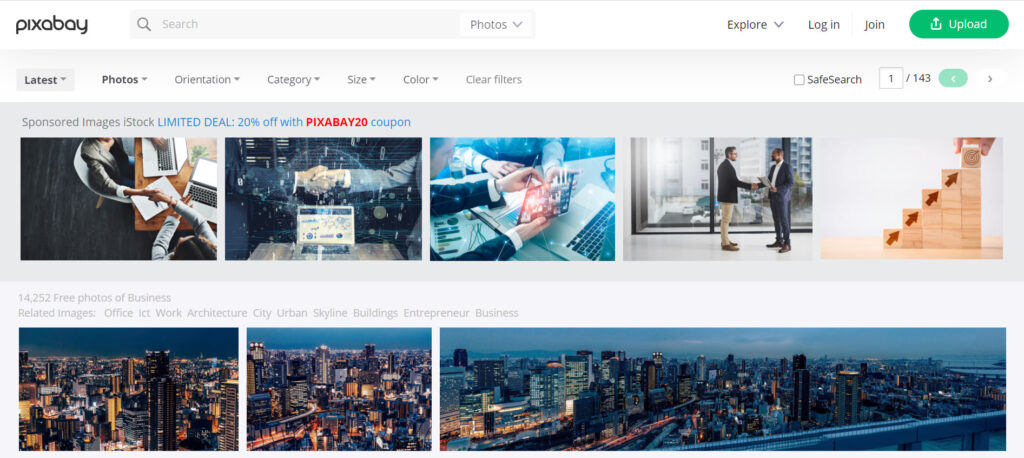
1. Pixabay
We think this resource is the most generous as it contains more than 1 million free stock photos. You can get free images in several categories such as photos, artwork, vectors, and videos. Also, you can opt for computer illustrations. To put it another way, Pixabay is a database of non-copyrighted photos that are distributed under the Creative Commons license.
Pixabay allows you to use different filters and change the size, color, and orientation of the photo. If you want to use a search feature, we recommend choosing an English version of it. Overall, this resource is worth your attention.
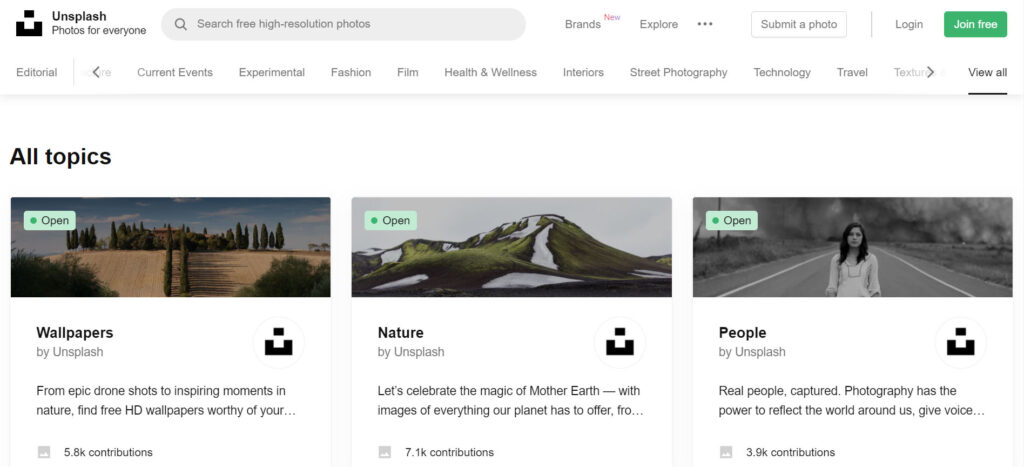
2. Unsplash
This resource provides you with 300 000+ stock photos from different photo-communities all over the world. Unsplash offers high-resolution stock photos of several categories. For example, you can browse through photos on the topic of technology, cooking, or traveling. If you sign up and create an account, Unsplash will be sending you dozens of free relevant stock photos every 10 days.
This resource is convenient and easy to use, so we recommend every user to try it. The good thing is that you can search the Unsplash library in the PicMonkey editor add pics to your designs seamlessly.
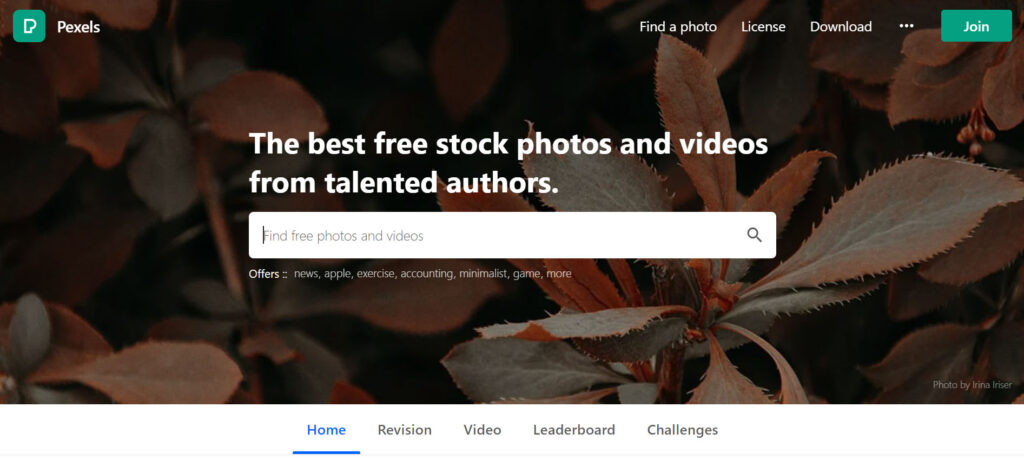
3. Pexels
Although this service contains only 40 thousand free stock photos, they are all worth your attention. You can use a search function to pick up the relevant photo from a particular category. Portraits, photos of individual objects, landscapes, and fashion photographs – you will be surprised by a wide choice of stock photos.
The website is made in a minimalistic design so that it is convenient to use. We recommend you to use the page in English the way it is to avoid mistakes in translation.
4. Burst
The first thing you need to keep in mind is that Burst has different licenses for every image. So, make sure to check it before using a photo. If you work in e-commerce and do online sales, this service will help you find the right photos.
You can find folders of pictures distinguished by the type of business all available to download as either high or low resolution. This resource is quite good in its category.

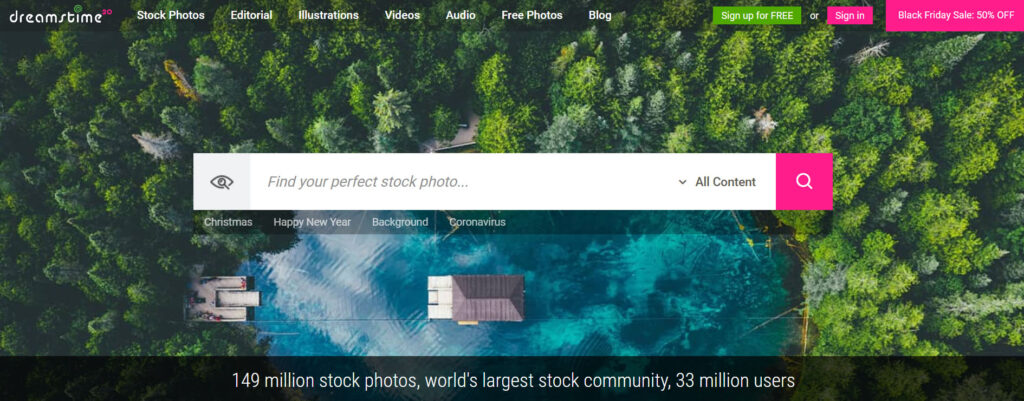
5. Dreamstime
To use this resource, you have to sign up and create an account. Dreamstime has 150 million stock photos which make it the world’s largest stock community. There 33 million users who have signed up. Although not all of the photos are free, the service has a separate section with free content that is constantly updating.
Dreamstime has not only stock photos but also editorials, illustrations, videos, and audios. However, makes sure to check if the piece is free to use.
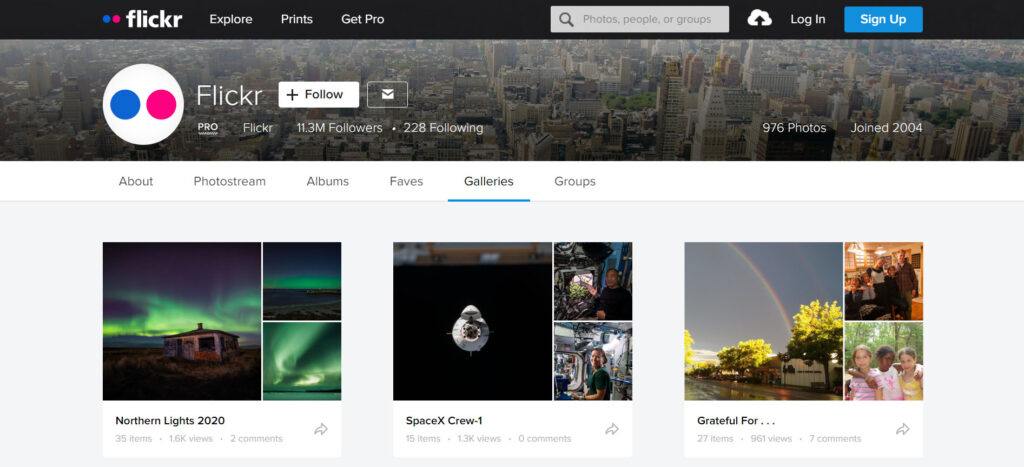
6. Flickr
A lot of people think of this service as the first one among free stock photos resources. It is really huge: it seems like Flickr contains billions of photos. It has a convenient search feature so that you can find the relevant photo by entering a keyword, color, size, or even a license type of a photo. Be careful with this website: it might be overwhelming. For instance, you will get more than a million examples by typing a simple keyword.
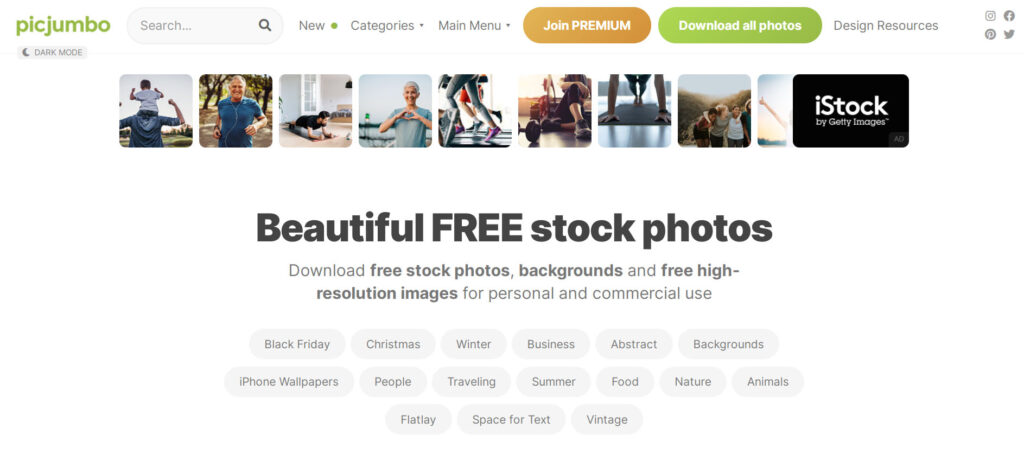
7. Picjumbo
The benefit of this resource is that you don’t have to sign up if you need to download a stock photo. Although the service does not have a search function, you can explore different categories to find the right piece. The website was created in 2013 and it has more than 5 million downloads by now.
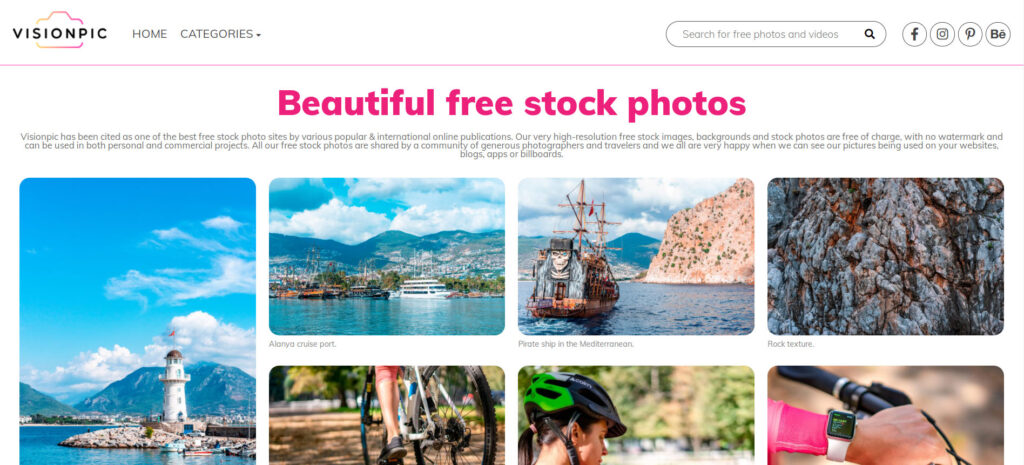
8. Visionpic
Visionpic.net provides you with high-resolution free stock photos from a community of professional photographers who travel all around the world. This service is recognized as one of the best among free stock photo websites. It shares lots of attractive high-quality photos without watermarks which makes it suitable for social media and businesses.
The website has a comfortable search feature and more than 20 categories of materials. This makes Visionpic convenient and easy to use. Also, it is worth noting that you will not have any problems with loading the pages because the website is perfectly optimized.
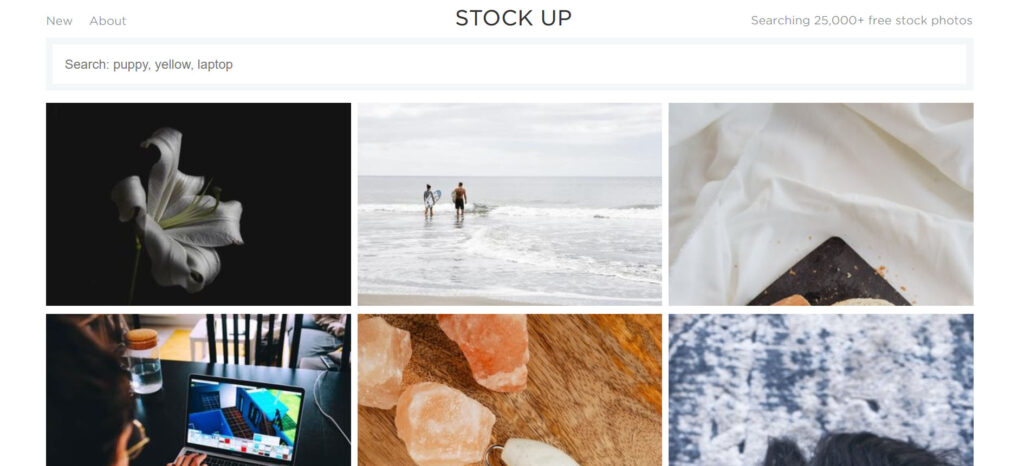
9. Stock Up
This resource shares free stock photos from other online services that gave permission on taking their materials. Stock Up makes collections of beautiful high-quality stock photos. Therefore, you can choose the appropriate image from more than 20 thousand pieces.
10. Free Range Stock
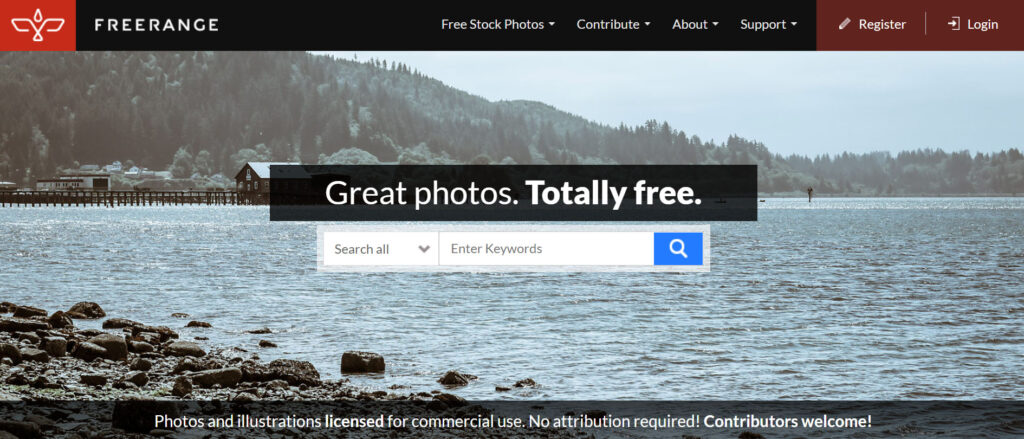
To use this resource of free stock photos, you have to sign up and create an account. This service is convenient to select images to illustrate abstract concepts. Overall, this free stock photos resource is quite simple and easy to use.
11. Stockvault
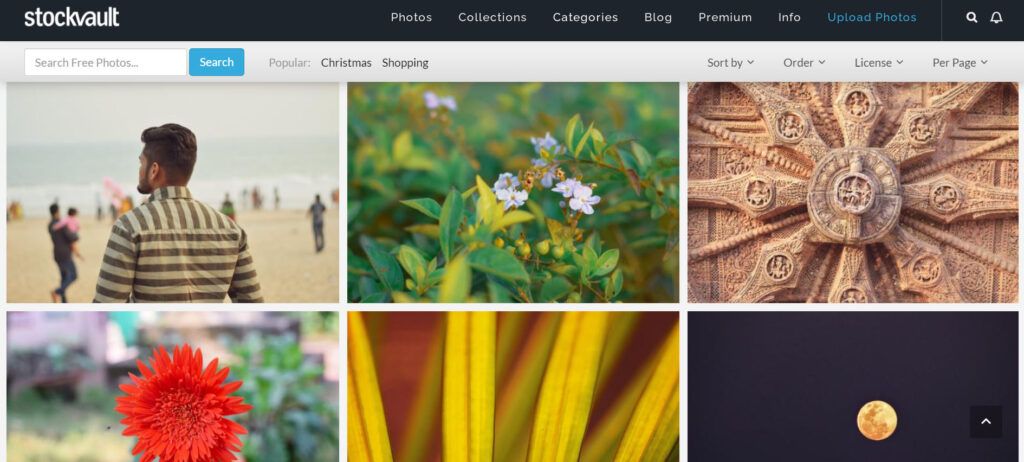
This is another photo stock for photographers and designers that allows you to both publish your work and use other people’s pictures for personal purposes. The advantage of the resource is that registration is not required to use stock photos. The website also offers a selection of suitable photos from collections such as “Merry Christmas”.
12. Kaboompics
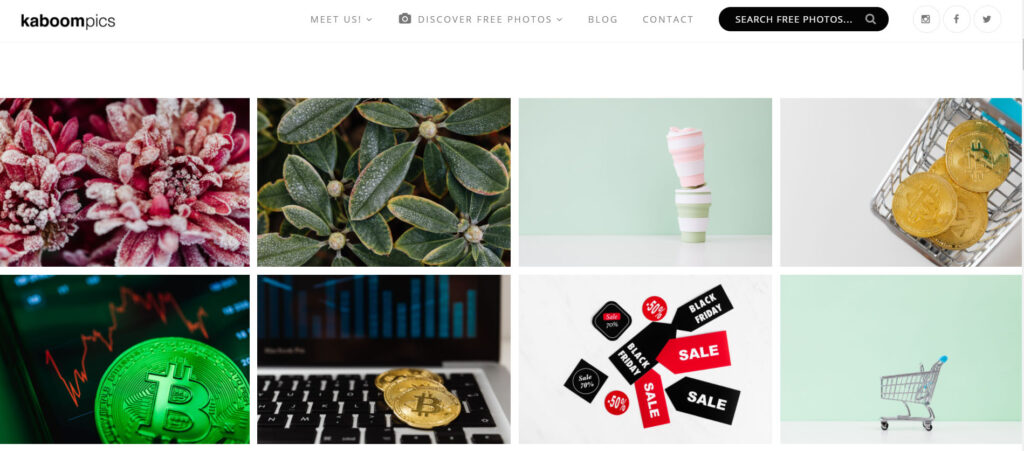
This service offers a rather interesting option: you can search for pictures with a dominant color. Looking for images in a specific color palette? Just set up the filter and you will find something suitable in a few minutes. You will immediately appreciate the feminine atmosphere and sophistication of each photo. Bloggers and freelancers will love it!
13. Life of Pix
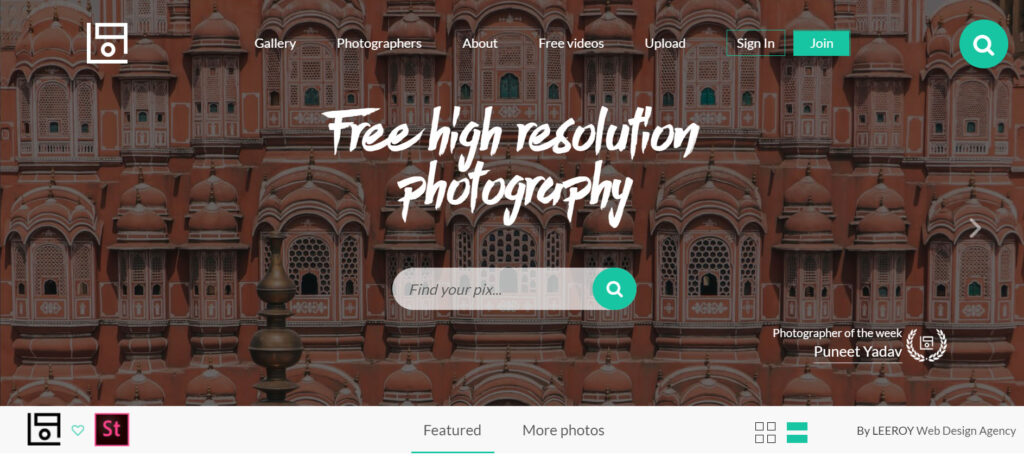
This site contains photos of a wide range of professional photographers. All photos are free for both personal and commercial use. Landscapes, architectural objects, and portraits – here you will find photos for every taste. The base of materials of the site is updated every week, and the administration selects the photos manually.
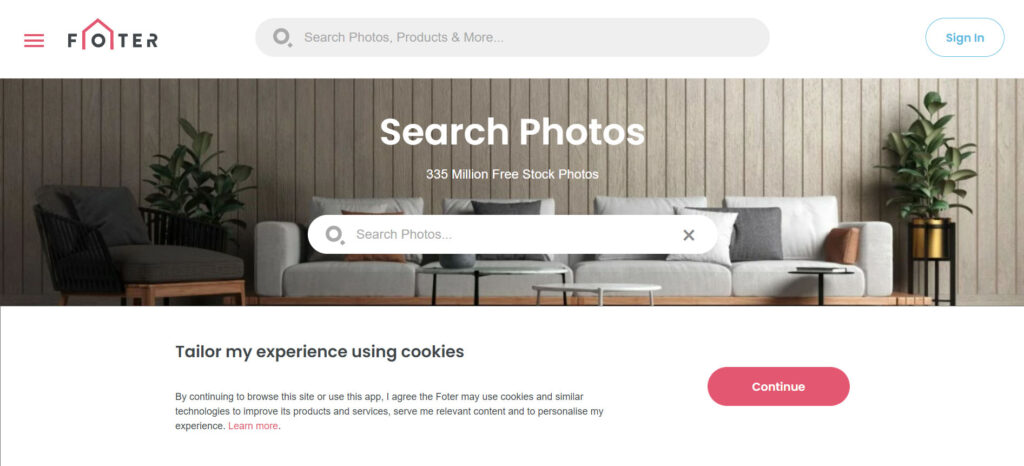
14. Foter
Foter is a search tool for Flickr that helps you quickly select images with licensing options of interest. This site contains thousands of atmospheric photographs on various topics. You can search for photos by keywords by entering them in English. Filter “All Creative Commons” to select free photos.
15. Negative Space
Negative Space is not very large, but it only helps to make the viewing more positive. You will be pleasantly surprised by the variety of smartphone layouts presented. Photos are CC0 licensed.
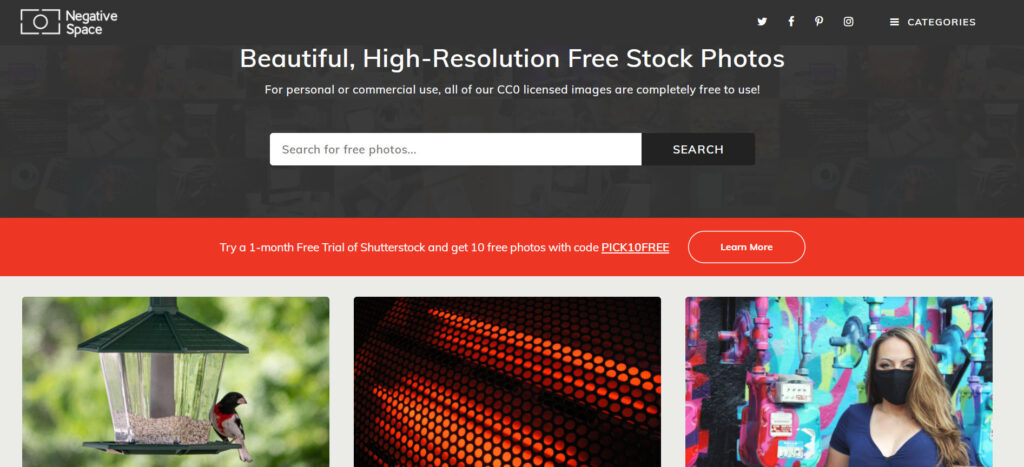
This resource contains a large database of stock photos, divided into categories. All images are free for both educational and personal or business purposes. This service is simple and straightforward to use.
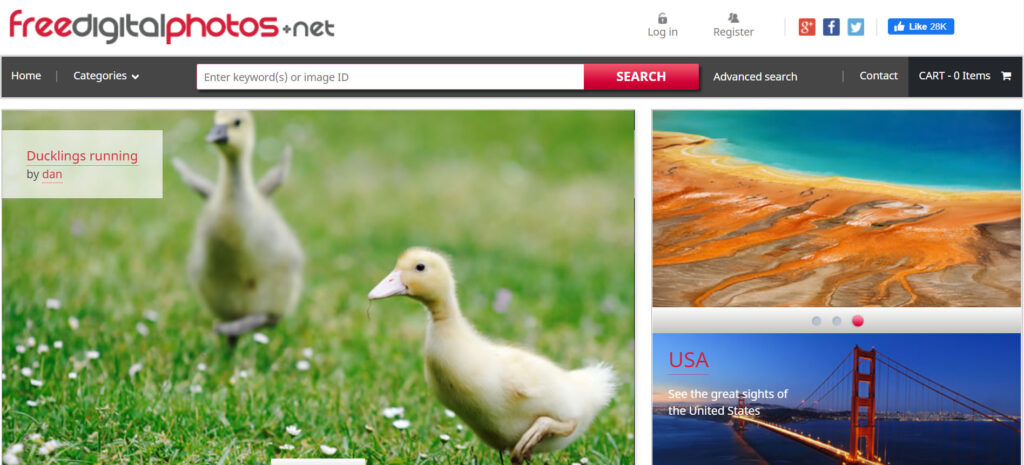
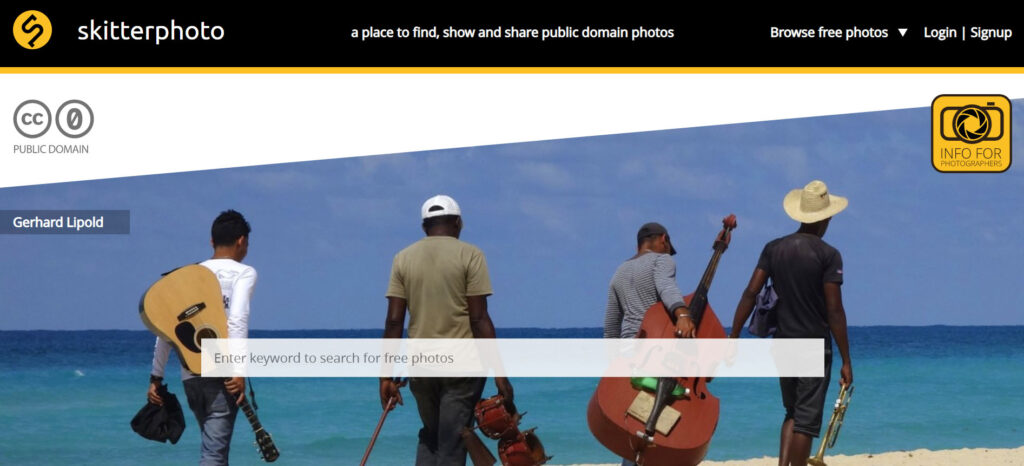
17. Skitterphoto
SkitterPhoto presents a selection of lovely cute photos from three Dutch photographers. Landscapes, animals, individual objects – everything you need is here. Keep in mind that the service regularly adds new photos.
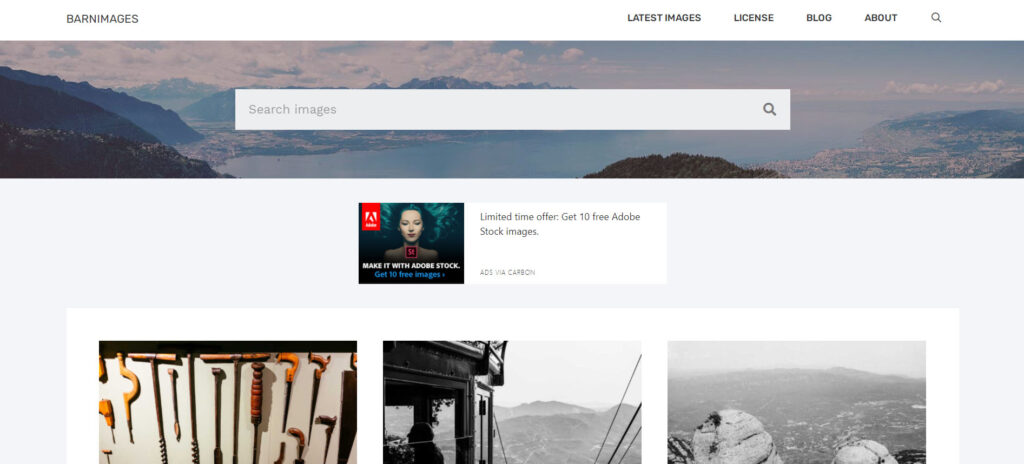
18. Barnimages
Although this site was created by a couple of photography friends, it bypasses many famous resources in quality. You can use their free, non-attributed stock images for any purpose, but the site’s creators would appreciate it if you like their work. Also, they have a pretty helpful blog to help you get your head around stock photography.
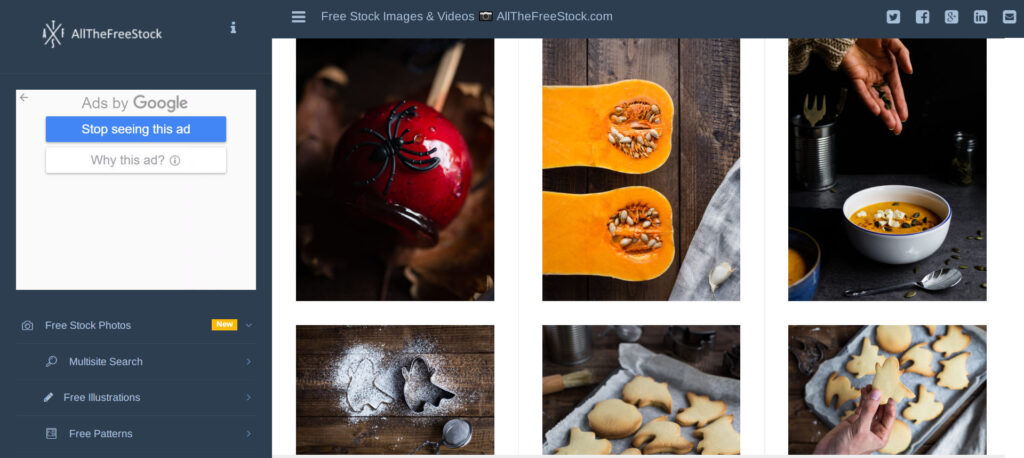
19. AllTheFreeStock
This is another service that collects snapshots of other free stock resources. Free stock images, icons, and videos – what else do you need to be happy?
All photos, videos, and icons are collected in one place. The service offers different licenses, but we recommend that you check the terms of use of the photos on the original site before downloading materials.
20. DesignersPics
This free stock service adds new photos every month. Users can use all the images for both personal and commercial purposes. A small collection of beautiful modern stock photos on various topics. These are mainly separate items, but there are also some pretty good landscapes. The site collects only high-resolution photos. And yes, they are absolutely free. There is a general feed of updates and a separate section where pictures are divided into categories.

Overall, that’s it for now. These were the 20 best resources for free stock photos in 2020. We recommend you to check out at least a few of them to find your favorite one. Feel free to spend some time browsing through the service to evaluate its design and optimization. Also, make sure to subscribe to our social media to stay tuned with the latest updates.
Business
Ipsos Helps Brands Understand How They Get Customer Experience Wrong & Why It’s Costing Them Millions

For brands looking to succeed in the modern business ecosystem, the customer experience (CX) is not something companies can afford to ignore. CX is a direct driver of revenue, loyalty, and growth for organizations.
Ipsos, one of the world’s leading market research firms, helps brands understand that failing to focus on the customer experience can lead to lost sales, which in turn can translate to not only millions in lost revenue but also lost trust and credibility in the market.
How brands still get CX wrong
“The customer decision and desire to do business with brands directly affect the bottom line,” says Brad Christian, Chief Commercial Officer at Ipsos – Experience Practice.
Customer experience may sound like a simple concept, but many brands still get it wrong. CX goes beyond surveys and feedback. Leaders who fail to connect feedback in a meaningful way to goals such as retention, repeat visits or purchases, advocacy, and operational performance fail to deliver on their service promises. The emotional and functional disconnect can spell trouble for brands. The most polished advertising campaigns cannot make up for a frustrating customer interaction or a promise that a business cannot fulfill.
According to Ipsos’s internal research, many customers today see service as too automated and impersonal. More than half report that their experience is worse than promised.
These findings don’t just result in disappointed buyers. They result in lost customers, negative feedback, and a long-term impact on the business as a whole.
“Brands have to manage the entire customer experience across each and every touchpoint,” explains Christian.
Poor CX can be expensive
Executives can often underestimate how expensive a history of poor CX can be. Global losses can reach into the billions while leaders wonder what went wrong. In an age of rapid social media communication, a single negative interaction can spell disaster for a company, leading to reduced customer spending or the entire loss of its most loyal customers.
Those losses are not just reflected in lost revenue, however. Customer acquisition and marketing dollars can also be lost as companies continue to spend money trying to retain their customer base, often skipping right over the experience part of retention.
Poor customer experience can be a deep operating problem that creates a domino effect, decimating businesses from the inside out. These poor experiences can impact not only present and future customer acquisition but also business leaders and employees.
CX matters more in today’s business landscape
The customer experience has always mattered, but it may matter more to brands trying to make it in a modern, ultra-competitive, digitally-driven business landscape. Good experiences encourage repeat purchases, boost loyalty, and increase the likelihood that customers will go online and recommend a brand to others.
“Customer experience isn’t an isolated function,” says Christian. “It’s part of a larger system that ensures that brands measure and manage customer experience data and then act on that data to drive action where customer experience gaps exist.”
Brands also have to seek to understand today’s customers, who expect experiences that are seamless, authentic, and relevant. As more and more companies hop on the automation train, they will want to reassure their customers that the human element that many people consider important still exists.
At Ipsos, six drivers of strong customer relationships form the bedrock of the company’s CX platform, something that they refer to as the “Forces of CX”: certainty, fair treatment, control, status, belonging, and enjoyment.
Customers want to feel that if they have an issue with a brand, it will be handled and that their concerns will be understood. They don’t want the customer experience to feel like a battleground; they want it to feel fair and human.
“Customer experience isn’t just a nicer experience,” says Christian. “It ties directly to specific financial outcomes, whether that be increased sales, greater market share, or stronger brand loyalty.”
How Ipsos helps businesses deliver customer experiences that matter
Ipsos turns customer feedback into reliable, actionable, decision-ready information. The company goes beyond simple satisfaction metrics and implements voice-of-the-customer programs, journey analytics, relationship feedback, and quality research.
“Brands don’t just need data,” Christian says. “They need measurements as to how they are delivering on their brand promise and predictive modeling to tie financial performance measures to those measures to help them determine where to invest to maximize the customer experience and understand what financial impact those investments might deliver for the business.”
Ipsos measures the interactions that matter most and shows brands how each interaction can affect retention, share of spend, and efficiency. For brands that are trying to reduce the guesswork behind CX, Ipsos helps them move beyond cosmetic fixes to achieve real, meaningful change.
Customer expectations can shift on a dime, influenced by society, social media, and even changing trends. Ipsos helps brands meet those rapidly changing customer expectations with hard evidence and comprehensive metrics.
Today’s brands need to understand how to get the customer experience right. Ipsos has the insights needed to drive home the deep importance of CX in today’s marketplace.
-

 Tech5 years ago
Effuel Reviews (2021) – Effuel ECO OBD2 Saves Fuel, and Reduce Gas Cost? Effuel Customer Reviews
-
 Tech7 years ago
Bosch Power Tools India Launches ‘Cordless Matlab Bosch’ Campaign to Demonstrate the Power of Cordless
-

 Lifestyle7 years ago
Catholic Cases App brings Church’s Moral Teachings to Androids and iPhones
-

 Lifestyle5 years ago
East Side Hype x Billionaire Boys Club. Hottest New Streetwear Releases in Utah.
-

 Tech8 years ago
Cloud Buyers & Investors to Profit in the Future
-

 Lifestyle6 years ago
The Midas of Cosmetic Dermatology: Dr. Simon Ourian
-

 Health7 years ago
CBDistillery Review: Is it a scam?
-

 Entertainment7 years ago
Avengers Endgame now Available on 123Movies for Download & Streaming for Free