
World
3 Reasons International Trade is still resisting Blockchain, According to HadariOshri

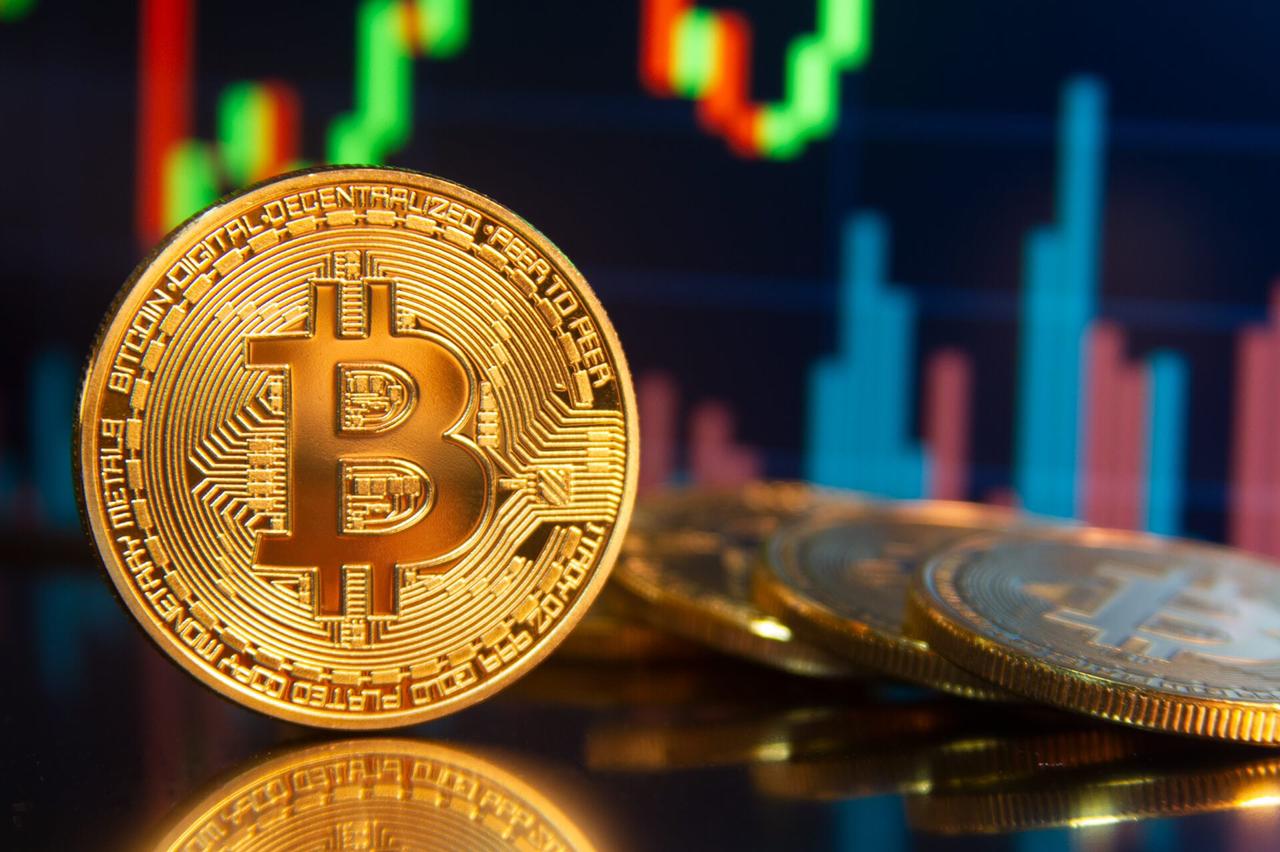
Deep rooted culture creates barriers when it comes to modernizing the oldest industry in the world.
But just because technology is available, does not mean that it will be fully adopted. Take international trade for example. It would seem that blockchain would solve many of the legacy and manual processes in selling and shipping containers. To help us better explain why there is still resistance to this technology within international trade, we reached out to serial entrepreneur HadariOshri. With a background in buying and selling containers of fast fashion excess inventory, Hadari has pivoted to helping hospitals and other organizations source much-needed medical supplies and PPE from suppliers around the world.
Virtually sitting down with Hadari, I asked her some questions to better understand why there is still such resistance to adoption of blockchain technology. Hadari shares three factors that she says explains why.
- Cultural resistance
Hadari shared that part of the resistance to blockchain when it comes to import and exports is rooted in the culture of the shipping industry. “Sometimes the deals are closed just because the partners have been doing business together for many years,” she explained. “Many older players just don’t seem to be open to change.” She tries to talk with them about the benefits of blockchain, and how it can help support transactions by building trust. But most are not ready to listen, or simply stop the conversation saying that it’s just not going to happen.
The idea of digitization for some is a direct threat to the way that they have always done business. Some fear that it takes the personal elements out of the transactions. Hadari tries to explain how blockchain could help to build more trusted relationships through transparency.
“Digitalization is already happening in the industry, but mixed with older more traditional methods, the issue becomes how to ensure that the digitized data is not only highly secure, but also accessible throughout the whole process, allowing for existing relationships to strengthen not separate.”
- Imports and Exports is data driven, with manually inputted data
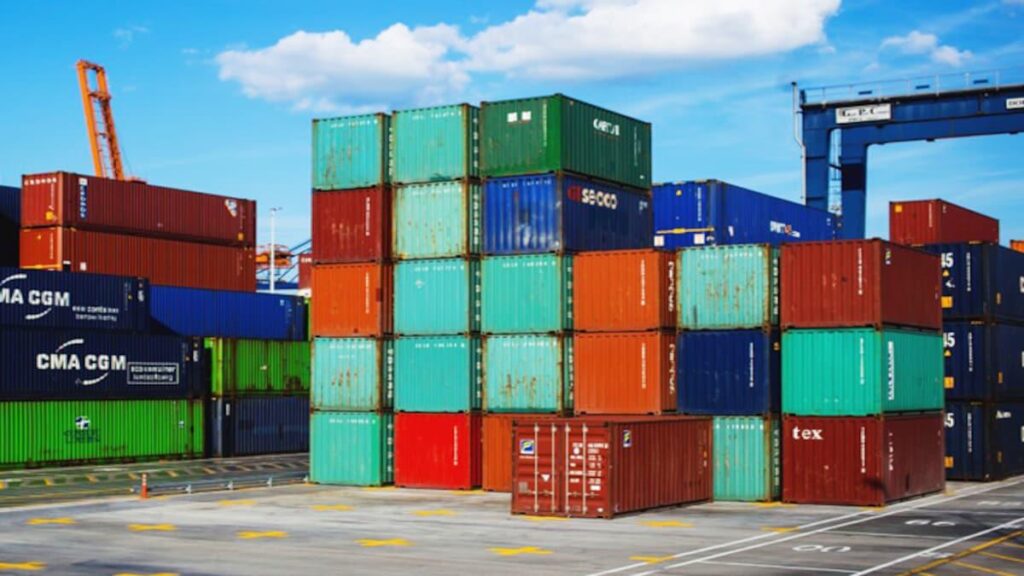
If you boil it down, there are two parts to global trade. There are the things that move and the tracking data about those things. Tracking these moving parts for containers that are shipped globally are traditionally maintained in ledgers. The primary method of maintaining these ledgers has been a manual process done by humans, documenting on paper, and more recently on computers.
“Blockchain is a digital decentralized ledger, where multiple transactions are put into a block and stored across multiple devices,” Hadari explains. “Hence the name blockchain. They are good at maintaining informational states and if used could help the shipping industry create ledgers that are more transparent and trustworthy. Over time, if ledger data is entered into the blockchain, it lessens the chance for human error, making it nearly impossible to create false information.”
“The biggest problem is that the current antiquated system of manually filling out multiple data points along the supply chain is that it creates a significant risk of human error,” said Hadari. “It does not have to be malicious, it could just be a mistake. But one mistake could cause a lot of problems that ripple through the supply chain. Imagine if a human error resulted in shipments being put on the wrong ships or containers with perishables that sit on a dock so long that they go rotten.” This is one of the core reasons that she believes that the adoption of blockchain will improve on existing processes in a number of ways. But even if she got the buyers and sellers to buy into the idea, there are still the banks to convince.
- Resistance from banks
Hadari told me that above all else, “This is a cash-in-hand industry.” She shared a story about a friend who is an independent broker who is bullish on using cryptocurrency, and he suggested using crypto in some of her trade transactions. She laughed and explained that the guys she deals with are very adverse to anything other than cash. She sees the lack of understanding in sellers, buyers, and brokers being a major hurdle to broad adoption of cryptocurrencies becoming mainstream as a means to pay for trade deals.
To try to get banks on board, Hadari looks for opportunities to point out how the blockchain can help improve speed of transactions. She talked about the fact that with larger deals, you are oftentimes transferring money between banks that take multiple days, which leaves the buyers
and sellers monies tied up and vulnerable to unfavourable changes in exchange rates. With the blockchain and verified transactions, money can be moved much quicker.
She explained that there are also a lot of issues around interbank trust. You can trust your buyer, but the sellers bank might have issues in completing the funds transfer. The use of blockchain enables a transparent repository of funds in escrow which can also help build trust.
In conclusion
Using blockchain technology in the imports and exports global industry leads to a higher level of confidence for all. But that is not enough to convince the industry to change. One of the challenges for anything driven by technology is to make that technology easy to understand and use. If it is going to work, Hadari says that blockchain will need to interface with how people are used to do business in a seamless way. And right now, that is not a reality, at least until there is a major cultural shift, an understanding how the technology can build trust, and banks that are willing to deal in cryptocurrency.
World
Swiss International University Makes Global Impact with Top 500 Times Higher Education Ranking
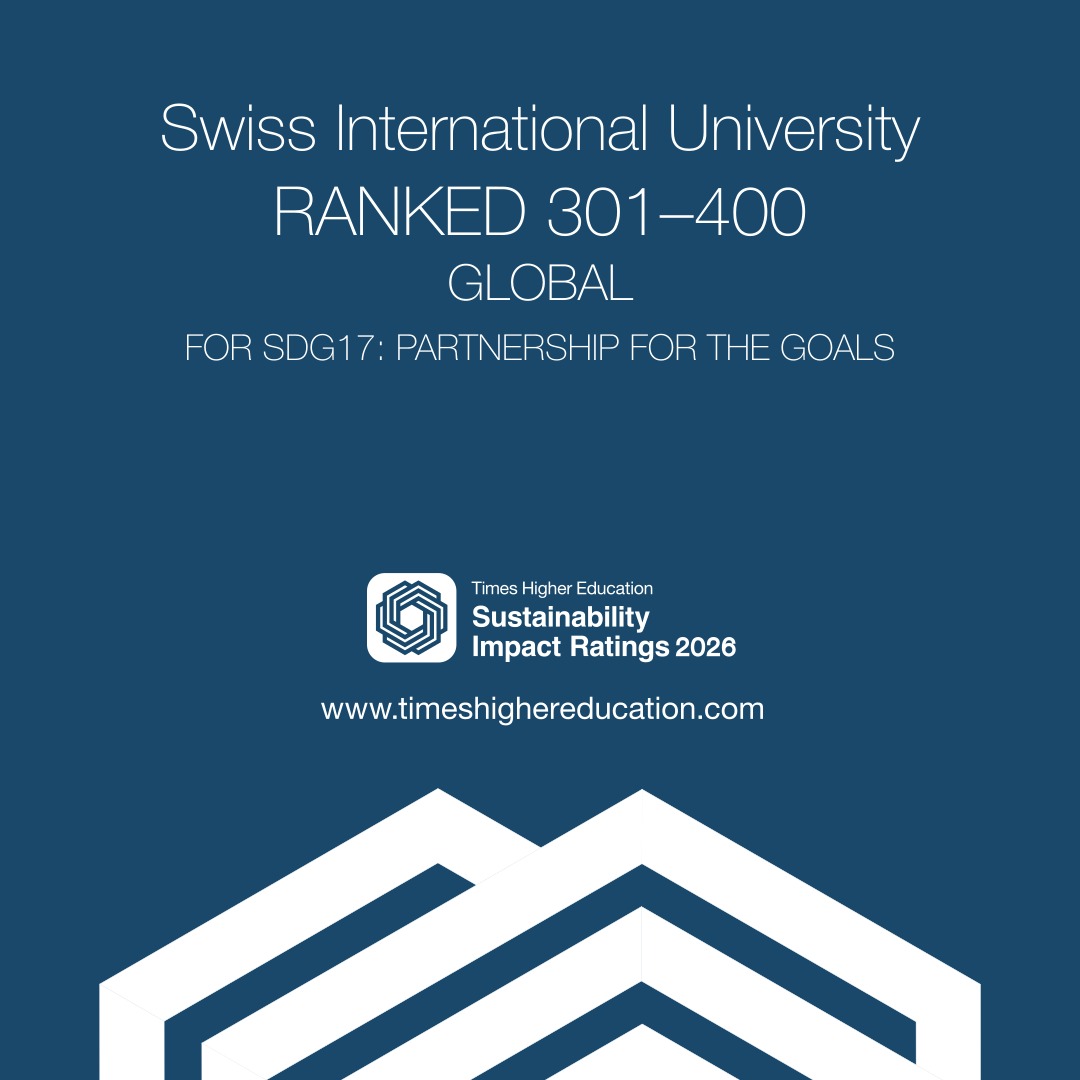
Swiss International University (SIU) got a real kind of milestone , when it landed inside the worlds top 500 universities in the newest Times Higher Education (THE) Impact Rankings. Which is kind of huge because it is SIU’s first time appearing in those widely respected rankings, and it also shows how its influence keeps growing in international higher education.
SIU was competing with nearly 2,000 universities from different parts of the world, and that first debut basically underlines its dedication to academic quality, sustainability and a real societal footprint. Overall it seems like the result mirrors SIU’s own plan for delivering solid education , while also aligning with bigger global development objectives.
Now, the Times Higher Education Impact Rankings look at universities through what they do for the United Nations Sustainable Development Goals , or SDGs. So the assessment is about universities creating verifiable positive change through education, research, community activities, plus governance— not just statements.
One of SIU’s strongest areas was the recognition tied to SDG 16 – Peace, Justice, and Strong Institutions. In that section, SIU placed roughly within the top 100 to 200 universities worldwide, and that points to its focus on advancing ethical leadership, transparency, accountability, and those institutional values that actually stick.
This recognition shows SIU keeps working hard to get students ready, with the know-how , the ability to act and those ethical foundations, so they can face tangled global problems. And you know, by supporting responsible leadership and pushing for good social results, the university keeps building up its part in shaping the next generation of professionals and people who make real decisions
Key Highlights of SIU’s Achievement
• Ranked Among the World’s Top 500 Universities
In its first-ever participation in the Times Higher Education Impact Rankings, SIU managed to land a spot among the top 500 universities worldwide.
• Outstanding Performance in SDG 16
SIU reached a ranking in the top 100 to 200 range, across the globe, for its work related to Peace, Justice, and Strong Institutions.
• Strengthening Global Academic Presence
This win also reinforces SIU’s long-term vision, and it further tightens its standing as an emerging influence in international higher education.
Recognition from Times Higher Education is an important endorsement of SIU’s mission, to give accessible high-quality education while also making a positive impact in society. As the university keeps expanding its academic offerings and international reach, this milestone , works like a solid base for what comes next—future growth, more innovation, and that global recognition everyone is aiming for.
-

 Tech5 years ago
Effuel Reviews (2021) – Effuel ECO OBD2 Saves Fuel, and Reduce Gas Cost? Effuel Customer Reviews
-
 Tech7 years ago
Bosch Power Tools India Launches ‘Cordless Matlab Bosch’ Campaign to Demonstrate the Power of Cordless
-

 Lifestyle7 years ago
Catholic Cases App brings Church’s Moral Teachings to Androids and iPhones
-

 Lifestyle5 years ago
East Side Hype x Billionaire Boys Club. Hottest New Streetwear Releases in Utah.
-

 Tech8 years ago
Cloud Buyers & Investors to Profit in the Future
-

 Lifestyle6 years ago
The Midas of Cosmetic Dermatology: Dr. Simon Ourian
-

 Health7 years ago
CBDistillery Review: Is it a scam?
-

 Entertainment7 years ago
Avengers Endgame now Available on 123Movies for Download & Streaming for Free