
Lifestyle
Paws and Playrooms: Kid and Pet-Friendly Home Remodeling Ideas

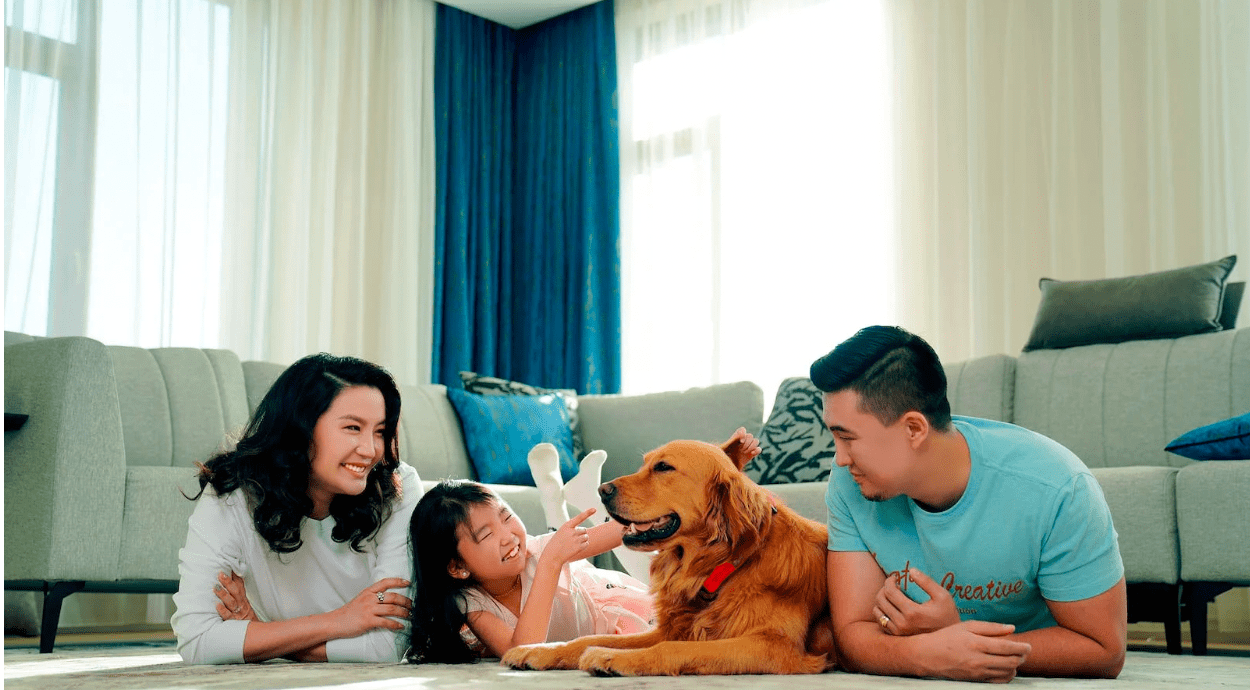
Your home should be a haven, a place of safety and comfort for every member of the family – and this, of course, includes both kids and pets. Homes that are not adequately modified may pose safety risks or simply be uncomfortable for the youngest and furriest members of the family. That’s why a significant update is not just about aesthetics, but must also incorporate kid-friendly and pet-friendly elements.
Remodeling a home with kids and pets in mind might seem a daunting task, but the value it brings couldn’t be overstated. Creating a space that’s not only safe but also grows with them, adapting to their changing needs, is indeed an investment in their wellbeing. From spaces tailored for play and exploration to small corners perfect for snuggles with four-legged friends, kid and pet-friendly remodeling ideas keep your house livable and lovable, now and in the future.
Importance of Kid and Pet-Friendly Home Remodeling
When considering home remodeling Houston, it’s essential to remember that remodeling your home with children and pets in mind is more than interior design; it’s a vital endeavor that ensures the safety and comfort of your youngest and furriest family members. Kid and pet-friendly homes significantly reduce the risk of accidents. No parent or pet owner wants their loved ones to sustain injuries from sharp furniture corners or slip on ultra-smooth tiles. Incorporating kid and pet-friendly designs also enables children and pets to comfortably explore their environment, boosting their confidence and independence.
A kid and pet-friendly home remodeling serves a long-term purpose. Furniture, flooring, and fixtures designed with durability in mind can withstand the wears and tears from both playful kids and active pets, saving you from frequent repairs or replacements. More so, having such a home remodel can provide peace of mind, knowing that you’ve created an environment that’s safe, comfortable, durable, and friendly for all members of your home. The benefits are ample, proving that kid and pet-friendly home remodelings are not luxuries but necessary investments.
Top Kid-Friendly Remodeling Ideas
One common kid-friendly remodeling idea is to incorporate rounded furniture into your home to reduce the risk of injuries from sharp corners. Different varieties of rounded furniture, from dining tables to bedside tables, can add to the safety and aesthetic pleasure of a room. Non-slip flooring is another great idea worth considering. With non-slip floors, the likelihood of accidental slips and falls is maximally reduced, creating a safer home environment for your children.
Consider installing lower storage spaces for your children’s belongings. Lower storage solutions not only help in keeping the home tidy, but they also teach children responsibility as they can easily access and clean up their toys or books. While it could be tempting to rely solely on costly, high-end solutions, most of these suggestions are highly practical and cost-effective. Keeping children safe does not have to mean compromising on style or breaking the bank. Kid-friendly remodeling can be both fun and functional, catering to the whimsical world view of a child while still appealing to adults.
Top Pet-Friendly Remodeling Ideas
One highly beneficial pet-friendly remodeling idea is installing pet doors. These make mobility around the house easier for pets, giving them a sense of freedom and independence. Pet doors provide our animal companions with easy access to the outdoors for stretching, playing and relieving themselves without any human assistance. Choosing pet-proof furniture is another idea worth considering; furniture made with durable and resistant materials can withstand claws, fur, and occasional mishaps, thus, reducing wear and tear substantially.
Easy-to-clean flooring is also a worthwhile investment for pet owners. Whether it’s mud tracked in by a dog after a rainy day walk, or accidental indoor messes from a kitten, easy-to-clean flooring options such as tile or laminate can be lifesavers. When considering these remodeling ideas, it’s also important to factor in their practicality and cost-effectiveness, ensuring they enhance your pet’s life while also fitting within your budget.
Incorporating Fun into Functionality
When remodeling your home to accommodate kids and pets, functionality should never come at the expense of fun. One of the most effective ways of creating a space that’s both enjoyable and useful is by making thoughtful color choices. Bright, vibrant colors can stimulate a child’s imagination while adding life and personality to a room. On the other hand, including elements like a wall you can write or draw on can be a source of endless fun for kids and can also act as a unique decor piece. Storage solutions can also be innovative and excelling visually. Think of multi-colored bins for toy storage or creatively shaped shelves for books; these elements can be fascinating for kids and encourage them to tidy up after play.
Another approach to incorporate fun into functionality is by creating play spaces that blend with the decor. There’s no reason that play areas should look out of place or messy. Designated play zones, complemented with kid-friendly furniture and decor, can become fun, comfortable focal points in your living room or bedroom. Similarly, for pets, consider allocating specific areas for sleep, play, and relaxation. For instance, you could have recessed pet beds made in walls or multi-level cat perches that can double as interesting design elements. All these efforts could combine comfort, style, and fun, turning your home into a perfect haven for everyone.
Remodeling your home to be more kid and pet-friendly is an invaluable investment that accrues safety, comfort, and peace of mind. From the incorporation of rounded furniture and non-slip flooring for kids to the addition of pet doors and pet-proof furniture for our four-legged friends, we can adapt our homes to meet everyone’s needs without sacrificing style or charm.

Most teams don’t fall apart all at once. It happens slowly, missed conversations, quiet disengagement, people doing what’s required but nothing more.
Toba Ogunremi has spent years working inside care environments where that kind of shift is easy to miss until it starts affecting everything. Leading operations at Samorem Care in the UK, he has seen how systems can appear stable on the surface while teams underneath struggle to stay connected to their work.
One experience early in his career changed how he looks at leadership entirely.
He had taken over a team that wasn’t in crisis, but it wasn’t working well either. The people receiving care were safe, but they weren’t thriving. The same was true for the staff. There was no urgency, no energy, just routine.
The usual solution would have been to tighten control by setting new targets, increasing supervision, and creating performance plans. He didn’t do any of that.
“I started with conversations,” he says. “Real ones. Not rushed, not formal.”
One by one, he spoke to each team member. What came out wasn’t frustration with the job itself, but something quieter and harder to spot.
“They weren’t disengaged because they didn’t care,” he explains. “They were disengaged because they felt unseen.”
No one had asked what they thought. No one had taken the time to understand how they were coping. Over time, that absence had turned into distance. That moment stayed with him. It shaped how he leads today.
His approach is simple, but not always easy to apply: people perform better when they feel they belong.
He believes high performance usually comes when people feel like they genuinely belong and know that what they do actually matters.
In healthcare, where pressure is constant and expectations are high, this idea can sound secondary. The focus is often on outcomes, compliance, and efficiency. Toba doesn’t dismiss those things, but he questions what happens when they become the only focus.
Even when all the processes are in place, if the people delivering the care feel disconnected, it eventually reflects in the quality of the work.
At Samorem Care, this thinking shows up in small but consistent ways. Recruitment is not just about experience. It’s about how someone responds to people, how they handle pressure, and how they communicate. Once they are in, the focus shifts to keeping teams stable and supported, rather than constantly rotating staff or reacting only when something goes wrong. He also pays attention to how leaders show up day to day.
According to him, leadership is not just about giving direction; it’s about being present enough to understand what your team actually needs.
That presence matters more in care than in most industries. The work is demanding, often emotional, and not always recognised for what it takes. When teams feel stretched or overlooked, it affects how they interact with the people they support.
For Toba, resilience is less about constant pressure and more about creating a work environment where people can do their jobs well without burning out. In his view, strong teams are not just coping; they are supported enough to stay clear-headed and consistent in their work.
His background outside healthcare still shapes how he leads. Having worked in sales and communications, he understands how important it is to read people and build trust. In healthcare, though, the impact is far more direct, as decisions affect someone’s everyday life, not just an outcome on paper.
That shift makes leadership more personal. Teams need more than instructions; they need stability, clarity, and a sense that they are understood. What defines Toba Ogunremi’s approach is its simplicity. He focuses on being consistent, listening carefully, and addressing issues early rather than reacting late.
In the end, his belief is straightforward: teams perform better not because they are pushed harder, but because they feel valued and part of something that works.
-

 Tech5 years ago
Effuel Reviews (2021) – Effuel ECO OBD2 Saves Fuel, and Reduce Gas Cost? Effuel Customer Reviews
-
 Tech7 years ago
Bosch Power Tools India Launches ‘Cordless Matlab Bosch’ Campaign to Demonstrate the Power of Cordless
-

 Lifestyle7 years ago
Catholic Cases App brings Church’s Moral Teachings to Androids and iPhones
-

 Lifestyle5 years ago
East Side Hype x Billionaire Boys Club. Hottest New Streetwear Releases in Utah.
-

 Tech8 years ago
Cloud Buyers & Investors to Profit in the Future
-

 Lifestyle6 years ago
The Midas of Cosmetic Dermatology: Dr. Simon Ourian
-

 Health7 years ago
CBDistillery Review: Is it a scam?
-

 Entertainment7 years ago
Avengers Endgame now Available on 123Movies for Download & Streaming for Free