
Health
The Scientist as Storyteller: How Steven Quay Makes Complex Medicine Relatable

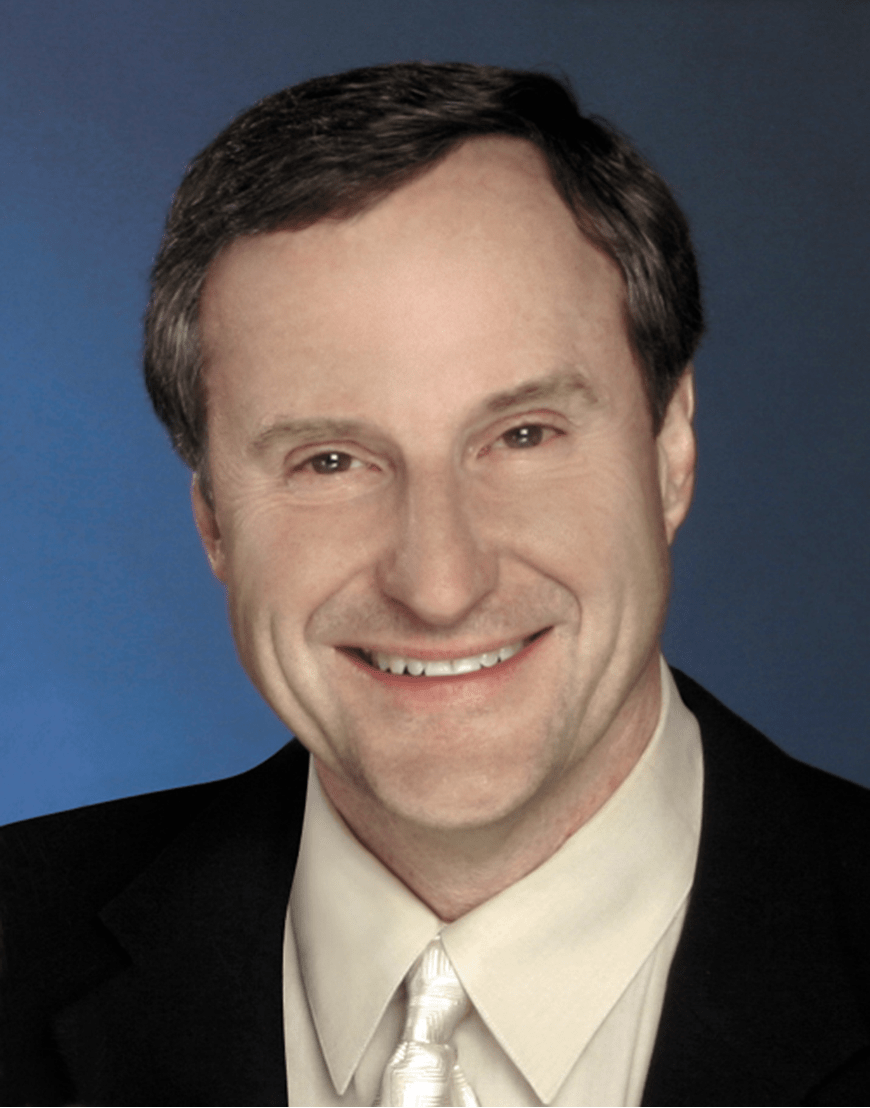
Scientific discovery often struggles to reach the people it is meant to serve. The distance between research and public understanding can be vast. For most scientists, publishing in peer-reviewed journals is the endpoint. For Dr. Steven Quay, it is only the beginning. His career has been defined not just by what he has discovered, but by how he communicates it.
Scientific trust today faces growing skepticism and misinformation spreads faster than facts, Quay has embraced a rare role. He is both a scientist and a storyteller. His ability to bridge the technical and the human is what makes his voice resonate across disciplines, institutions, and communities.
Writing as a Lens into the Human Side of Science
One of the clearest examples of Quay’s narrative instinct lies in his writing. He has authored three major books, each rooted in a different part of his life and expertise. Together, they show how a medical researcher can also be an accessible public thinker.
In Stay Safe: A Physician’s Guide to Survive Coronavirus, published June 5, 2020, during the first days of the pandemic, Quay offered plainspoken, evidence-based guidance on protecting oneself and one’s family. It was not framed as a political statement or a policy directive. It was personal and grounded in the daily realities people faced. He wrote it not just as a scientist, but as someone who wanted to help others navigate a frightening time with clarity and calm.
His second book, The Origin of the Virus, tackled a more complex and controversial subject: the question of how SARS-CoV-2 emerged. Rather than speculate, Quay walked readers through the scientific evidence with the kind of transparency that is often lacking in public discourse. The tone was methodical, never alarmist. What set the book apart was its balance, engaging to a lay reader, yet rigorous enough to be taken seriously by professionals.
Then there is A Ride Through Northville, a deeply personal departure from the world of virology and oncology. Here, Quay revisits his childhood in Michigan, capturing the streets, friendships, and quiet moments that shaped him long before he entered a lab. The structure of the book mimics the experience of riding a bike through town, evoking memory not as a chronology, but as a sensory journey. For a scientist whose career has involved high-stakes research and global debates, this book offers a rare window into the reflective, grounded person behind the work.
Speaking Clearly Without Speaking Down
Quay’s communication skill is not limited to the written word. He has also become a frequent guest on health-focused podcasts and a speaker at public science forums. His TEDx talk on breast cancer prevention is one of the most viewed videos on the subject, and for good reason. He does not rely on drama or abstract theory. Instead, he explains mammographic density, hormonal risk, and clinical trial design in a way that makes the science both comprehensible and actionable.
In interviews, Quay has a habit of slowing things down. He avoids jargon unless he defines it. He is comfortable saying, “We don’t know yet,” which, in the realm of public science, is a kind of honesty that builds trust. He often discusses Atossa Therapeutics’ trials in plain terms, describing how experimental drugs like (Z)-endoxifen might help certain patients respond better to treatment. He emphasizes that these are ongoing studies, not marketing pitches, which sets him apart from many biotech executives.
Educating the Public Without Oversimplifying
One of the challenges of public-facing science is resisting the urge to oversimplify. Many well-intentioned scientists flatten complexity to fit the constraints of social media or mainstream news. Quay does not follow that path. He explains mechanisms and hypotheses with nuance, trusting that readers and listeners are capable of understanding more than they are often given credit for.
His social media presence reflects the same philosophy. He shares articles and research updates, but rarely with alarm or bravado. When he comments on current medical debates, he tends to lead with evidence rather than opinion. That steady tone has earned him a following that spans across ideological and professional divides.
During the pandemic, this approach stood out. While others chased headlines, Quay focused on distilling evolving guidance into practical advice. He acknowledged the limits of current knowledge, updated his views as new data emerged, and emphasized science as an iterative process. His voice became one that many people turned to not for certainty, but for clarity.
A Scientist’s Responsibility Beyond the Lab
Quay has often said that science does not exist in isolation. It is part of society. That belief informs why he writes, speaks, and engages in public discourse as actively as he does. He sees the scientist’s role not just as a producer of knowledge, but as a custodian of its meaning.
He has testified before the U.S. Congress and advised the State Department, not as a politician but as a physician-scientist committed to accuracy. In each case, his contribution has been grounded in data but shaped by a recognition of the human implications of policy and research.
This is especially evident in his work on breast cancer. By advocating for better screening tools and more personalized treatments, Quay speaks not only to clinicians and investors but to women facing real fears about their health. He explains the science behind mammographic density and hormonal modulation not just with charts, but with stories about what those risks mean in someone’s life.
Storytelling as a Form of Service
What makes Quay’s communication style compelling is that it never feels performative. He is not branding himself or building a media empire. He is doing what he believes scientists should do: make their work useful.
In every form of his storytelling, from the deeply personal to the technically specific, there is a throughline of responsibility. He understands that science touches people’s lives in ways that go far beyond the lab. For him, that means speaking clearly, writing honestly, and never underestimating the audience.
Byline: Margot Everly
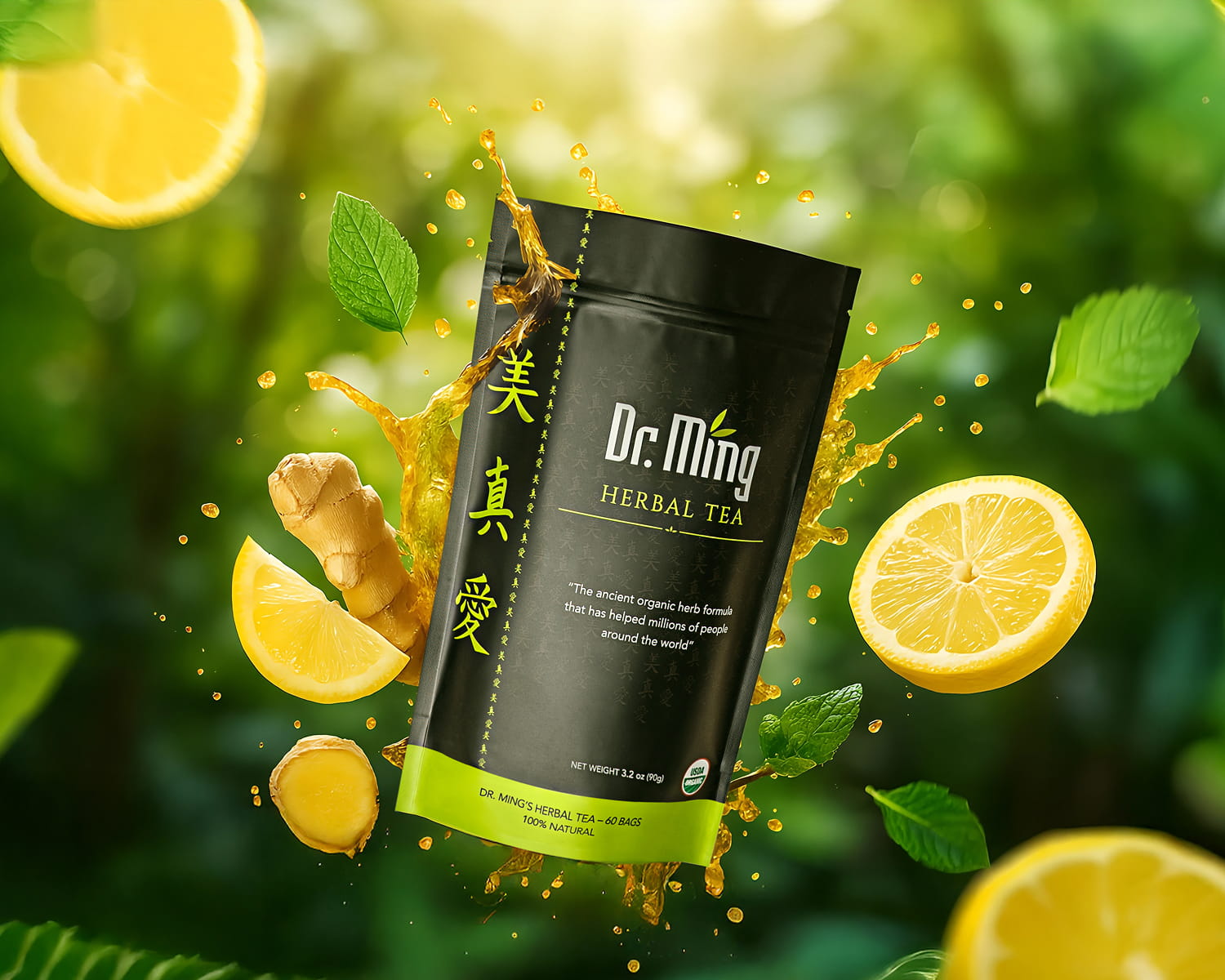
Herbal teas have long been known for their soothing qualities, but Dr. Ming’s range of products takes it a step further, providing a holistic approach to wellness through clinically tested, herbal-based solutions. With a focus on metabolism support, digestion, detoxification, and overall well-being, Dr. Ming’s teas aim to help individuals feel lighter, energized, and more balanced, all without the use of artificial additives.
The Three-Step System for Wellness
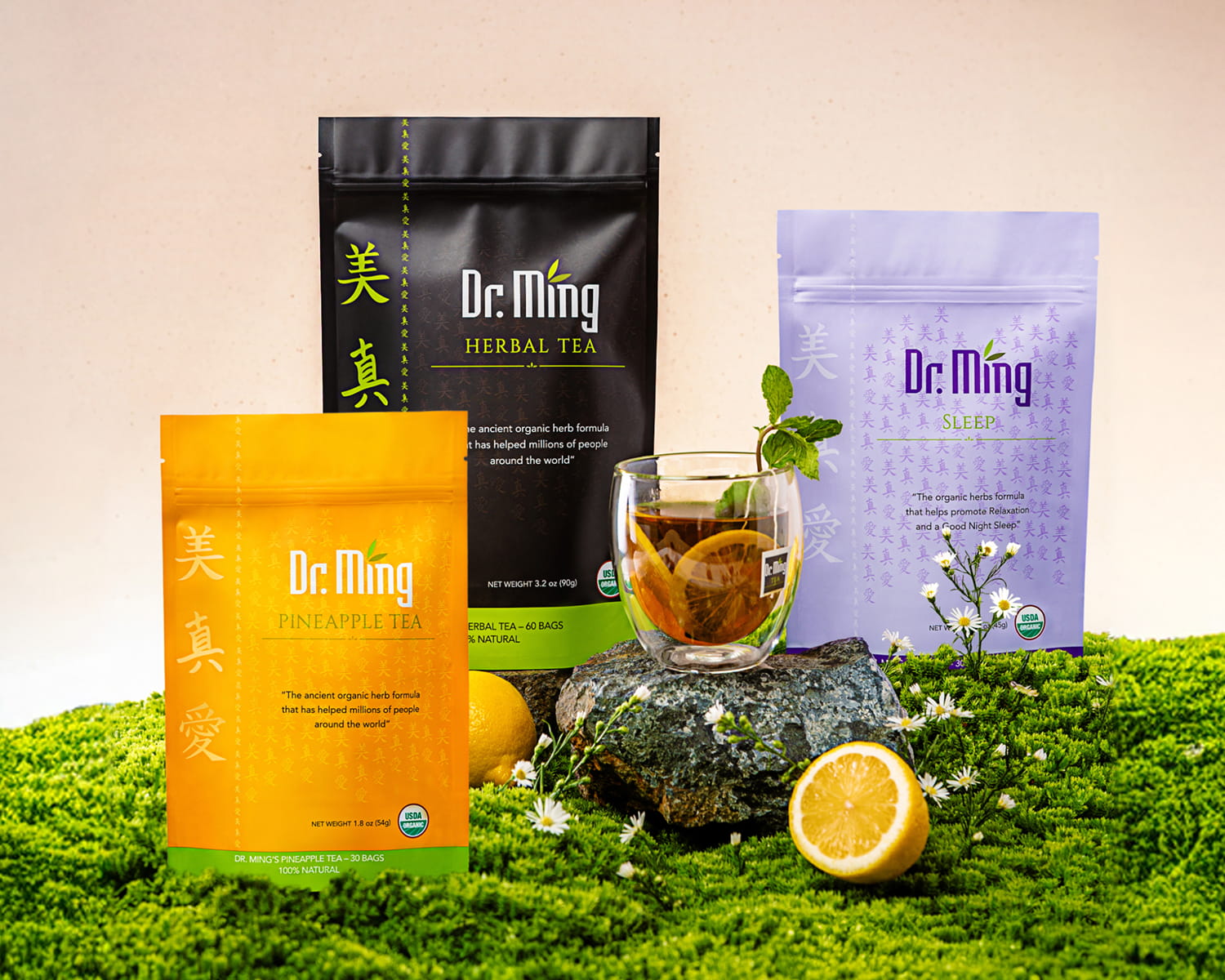
Dr. Ming’s flagship offering is its three-step tea bundle, a combination of Dr. Ming Green Tea, Pineapple Tea, and Sleep Tea, designed to work synergistically throughout the day to support various aspects of wellness. Each product targets different health concerns, starting with metabolism boosting in the morning and winding down to detoxification and restful sleep at night.
Dr. Ming Green Tea is a key part of the system. It’s designed to support digestion, fat oxidation, and energy levels by helping to accelerate metabolism naturally. “Green tea has long been recognized for its role in supporting metabolic function,” says Evelyn Chang, CEO of Dr. Ming. “Our blend enhances that effect, allowing users to feel more energized throughout the day without the need for artificial stimulants.”
Following the morning boost, Dr. Ming Pineapple Tea steps in during the afternoon. Its combination of natural ingredients works to reduce bloating and support the body’s detoxification processes. By promoting digestive health, this tea aims to make users feel lighter and more comfortable, easing the discomfort of bloating that often comes with modern diets. The final part of the system is the Sleep Tea, which helps to reduce stress, calm the mind, and promote a restful night’s sleep.

Gut Health and Digestion: A Foundation of Wellness
A common issue for many individuals is digestive discomfort, whether it’s bloating, sluggish digestion, or irregularity. Dr. Ming’s Pineapple Tea aims to address these concerns by offering a natural solution to support gut health. The benefits of good digestive health are numerous; it’s not only about comfort but also about the body’s ability to absorb nutrients effectively and maintain energy levels.
Chang explains, “Digestion is at the core of many of our health issues. When your digestive system is out of balance, everything else follows suit. We’ve formulated our Pineapple Tea to support the digestive process and reduce bloating, giving our customers a natural solution that helps them feel lighter, more energized, and ready to take on the day.”
Beyond the digestive benefits, the teas also play a role in the body’s natural detoxification process. Both the Pineapple Tea and the Green Tea include ingredients that help promote the elimination of toxins, contributing to the body’s overall health. This detox support is key in a lifestyle that values holistic well-being.

The Sleep Tea: Stress Relief and Better Sleep
Many people struggle with getting quality sleep. Stress, anxiety, and poor sleep hygiene are common culprits, leaving individuals feeling tired and sluggish. Dr. Ming’s Sleep Tea targets this issue with ingredients designed to calm the mind and promote a deep, restorative sleep.
“This tea has been a favorite among our customers who want to unwind and improve their sleep quality,” Chang says. “We focused on creating a formula that helps people relax and destress naturally, without relying on chemicals or sleep aids that may cause dependency.”
The Sleep Tea is a gentle way to reduce anxiety, offering a natural remedy for those who find it hard to quiet their minds at the end of a busy day. By promoting relaxation, it supports the body’s ability to detoxify overnight, allowing users to wake up feeling refreshed and ready to tackle the day ahead.

A Sustainable Approach to Wellness
What sets Dr. Ming’s teas apart from other wellness products on the market is the focus on long-term, sustainable results. Unlike many quick-fix solutions that promise rapid weight loss or extreme detoxification, Dr. Ming’s teas provide a balanced approach to overall wellness.
“The goal of our products is not just to support natural body balance or gentle detox, but to help create a sustainable wellness routine that people can maintain over time,” says Chang. “We believe in helping people feel better in their bodies by offering natural solutions that integrate into daily life, rather than offering a fleeting, short-term solution.”
This strategy aligns with the growing trend of individuals seeking more sustainable, natural products that support a healthy lifestyle without relying on drastic measures. Dr. Ming’s teas are carefully formulated to be gentle, offering benefits over time without the harsh side effects often associated with other weight management and detox products.
Customer Satisfaction and Global Reach
With over a million satisfied customers worldwide, Dr. Ming has established a strong reputation for its effectiveness. Customer reviews frequently highlight the positive impact the teas have had on digestion, energy levels, and overall health. As Dr. Ming expands its reach internationally, it remains committed to delivering high-quality, natural products that align with the progressing wellness needs of its customers.
The company has recently launched a subscription service, allowing customers to receive their favorite teas delivered regularly, further simplifying the process of maintaining a healthy lifestyle. This has resonated particularly well with those who seek convenience in their wellness routines.
In a crowded market of wellness products, Dr. Ming’s holistic approach—blending the best of traditional herbal remedies with modern science—offers a refreshing alternative to those seeking a natural way to feel energized, supported, and balanced.
-

 Tech5 years ago
Effuel Reviews (2021) – Effuel ECO OBD2 Saves Fuel, and Reduce Gas Cost? Effuel Customer Reviews
-
 Tech7 years ago
Bosch Power Tools India Launches ‘Cordless Matlab Bosch’ Campaign to Demonstrate the Power of Cordless
-

 Lifestyle7 years ago
Catholic Cases App brings Church’s Moral Teachings to Androids and iPhones
-

 Lifestyle5 years ago
East Side Hype x Billionaire Boys Club. Hottest New Streetwear Releases in Utah.
-

 Tech7 years ago
Cloud Buyers & Investors to Profit in the Future
-

 Lifestyle6 years ago
The Midas of Cosmetic Dermatology: Dr. Simon Ourian
-

 Health7 years ago
CBDistillery Review: Is it a scam?
-

 Entertainment7 years ago
Avengers Endgame now Available on 123Movies for Download & Streaming for Free