
Lifestyle
Unlocking California’s Housing Gold: AB1033 and SB9 Offer New Avenues for Homeowners to Tap Equity


In the golden state of California, homeowners now have the opportunity to unlock a wellspring of home equity through two groundbreaking pieces of legislation: Assembly Bill 1033 (AB1033) and Senate Bill 9 (SB9). These laws are not only reshaping the real estate landscape, but also providing homeowners with innovative means to capitalize on their most valuable asset: their homes.
Governor Newsom recently signed AB1033 into law, marking a significant milestone in California’s housing evolution. This legislation enables owners of single-family homes in the state to not only build Accessory Dwelling Units (ADUs) in their yards, but also to subdivide their properties into two condominiums. “This game-changing move,” notes Matt Lucido, founder and CEO of Yardsworth, “permits homeowners to sell off the ADUs, effectively tapping into the value hidden within their yards for decades due to restrictive zoning laws.”
AB1033: The condominium option
The core feature of AB1033 is its allowance for homeowners to not only construct ADUs in their yards, but also subdivide their lots into separate units — each designated as a condominium. The revolutionary aspect of this is that homeowners can independently sell the ADU, presenting an innovative approach to utilizing home equity that deviates from traditional methods like selling and moving, or borrowing against one’s home with second mortgages or cash-out refinancing. These conventional avenues typically involve high interest rates and the potential for displacement from one’s neighborhood, making AB1033 a refreshing and much-needed alternative.
“Historically, there were only two ways for a homeowner to tap into the equity of their homes. One, by selling and moving, but that’s not a great option with today’s interest rates; or two, borrowing against their home with a second mortgage or cash-out refinance — which is also untenable with today’s interest rates,” Matt Lucido shares.
However, it’s crucial to recognize that AB1033 primarily benefits homeowners who already possess ADUs. For those seeking to sell a portion of their yard and access the opportunity without pre-existing ADUs, SB9 remains the best option. Additionally, AB1033’s full potential hinges on its implementation by local municipalities, which may vary across the state. This means that the extent to which homeowners can benefit from AB1033 depends on the discretion of local authorities.
SB9 focuses primarily on allowing the subdivision of single-family lots into two separate units, and facilitates the construction of additional dwelling units. The essence of SB9 lies in its potential to expand housing options, while allowing homeowners to tap into the previously dormant value within their properties.
SB9’s provisions are designed to address some of the persistent challenges associated with housing in California. It permits the subdivision of single-family lots, creating opportunities for the construction of up to two additional units, whether in the form of ADUs, or even a new house or duplex. This not only encourages greater housing density, but also allows homeowners to maximize the use of their land, thereby capitalizing on their home equity without selling their homes or incurring high-interest mortgage debt.
While AB1033 and SB9 offer promising avenues for homeowners to tap into their property’s hidden value, several challenges and uncertainties must be considered in the implementation of these legislative measures.
AB1033, for example, has additional costs other than those associated with lot subdivision and construction. Homeowners opting for this route will also need to pay for legal counsel to establish a Homeowners Association (HOA) for the newly created two-unit condominium. Operating and maintaining such an association in the years to come adds complexity and expense to the overall expense, making AB1033 a potentially costly option compared to SB9.
Under SB9, the cost of subdividing a lot can range from $50,000 to $75,000. These expenses primarily arise from the need to create a new parcel map compliant with the Subdivision Map Act, city fees, and the involvement of consultants and surveyors. These costs can be prohibitively high for many homeowners, potentially limiting the accessibility of these opportunities. Companies like Yardsworth have stepped in to mitigate this challenge by covering all these fees and expenses for their SB9 clients, making it a more financially viable option.
Furthermore, AB1033 is not yet fully implemented, and its uniform application across California remains uncertain. Municipalities possess significant discretion when it comes to adopting and implementing the provisions of AB1033. Consequently, the extent to which homeowners can leverage this law may vary greatly depending on their location. In contrast, SB9 is a state-wide mandate, ensuring consistent implementation across all municipalities, making it a more dependable option for homeowners.
California’s housing crisis and unlocking home equity
“California homeowners are still sitting on near-record home equity,” Matt Lucido points out. “The value of California homes has more than doubled in the last 10 years.”
The confluence of AB1033 and SB9 takes on added significance in light of California’s pressing housing crisis. Governor Newsom has persistently underscored the state’s need for 3.5 million new homes by 2025. These legislative measures, AB1033 and SB9, represent significant steps toward addressing this crisis. They offer pathways to unlock the latent potential within California’s housing market. They provide homeowners with innovative ways to access their home equity without the need to sell their homes, a practice often linked with gentrification-related displacement.
One of the central challenges in California has been the spiraling cost of homeownership. Today’s 20-year-high interest rates only make buying a home (or selling, moving, and rebuying) more expensive. As a result, homeowners are staying put in their homes, with no viable way of accessing their home equity. It is essential to find ways to access this wealth without resorting to high-interest borrowing, such as Home Equity Lines of Credit (HELOC), with rates as high as 10 percent or more. This is where AB1033 and SB9 emerge as compelling alternatives. These laws facilitate homeowners in staying in their homes and neighborhoods while selling a portion of their property, thus allowing them to access their home equity without incurring considerable financial burdens.
The new California laws AB1033 and SB9 offer innovative solutions to unlock home equity for homeowners in the state. By permitting the subdivision of single-family lots and the construction of ADUs that can be sold independently, these legislations allow homeowners to tap into the dormant value within their properties. This not only provides a pathway to access much-needed funds without displacement, but also encourages housing density to help alleviate California’s crisis. However, potential barriers like municipal discretion over AB1033 implementation and high subdivision costs associated with SB9 must be addressed to ensure these laws fully deliver on their promise.
Overall, AB1033 and SB9 represent promising steps in the right direction to empower homeowners, stimulate housing growth, and inject liquidity into the state’s housing market. While uncertainties remain, their passage indicates California’s commitment to pursuing creative approaches that benefit both homeowners and the broader community.

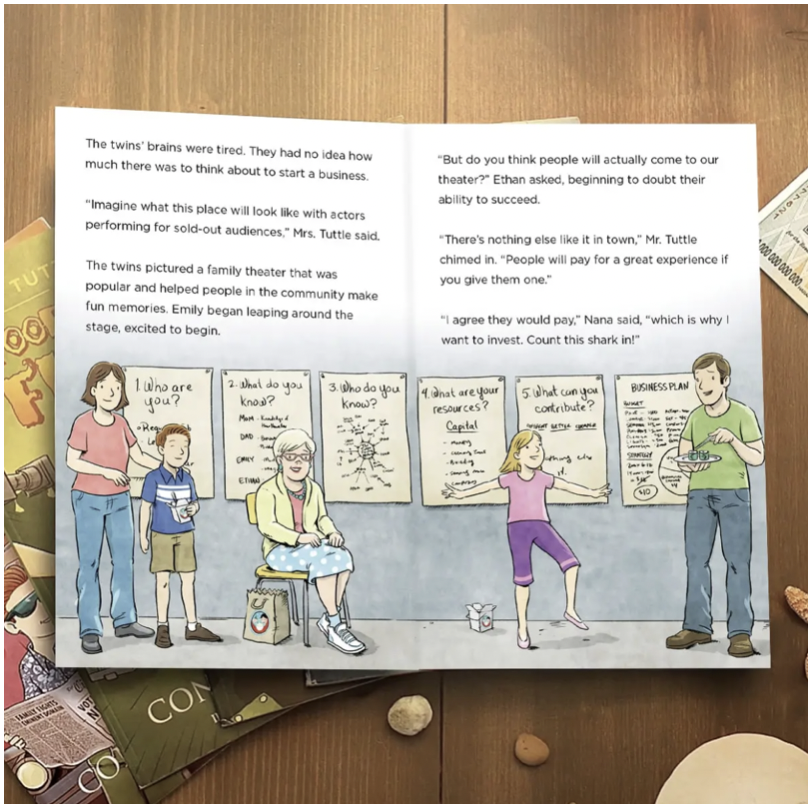
Michael Currier of Massachusetts is an unvaccinated gastroenterologist and entrepreneur, and he’s seen misinformation firsthand. He’s long been teaching his kids how to spot misinformation, but they were naturally skeptical when they didn’t hear it from anyone but him. However, the right books taught his kids how to combat misinformation, and they will teach your kids too! If you’re wondering how to raise independent thinkers who can spot misinformation, the Tuttle Twins books are essential tools for your toolbelt.
How Critical Thinking Combats Misinformation
When kids can think critically, they become able to evaluate the credibility of sources and look for evidence, also identifying their own and others’ biases. Critical thinkers don’t just passively absorb information; they take it apart piece by piece to see what makes it “tick.”
Critical thinkers question the credentials of an author or source, alongside their motivations and whether they provide supporting evidence that goes beyond just statements that require trust. Kids who can think critically also spot confirmation bias, which is the tendency to believe something that fits in well with the thinker’s current belief system or worldview. This reduces demand for fake news that simply elicits an emotional reaction.
When your kids can think critically and independently, they will also be able to spot logical fallacies, like drawing causal conclusions from data that’s simply correlational. Critical thinkers can also tell the difference between scientific evidence and someone’s opinion.
Independent, critical thinkers don’t just read a page. They look up information from other trusted sources to verify that the original source is accurate. Critical thinking also encourages a healthy skepticism that causes independent thinkers to pause and assess emotionally charged content before they spread it around, realizing that misinformation frequently exploits outrage or fear.
Critical thinkers can also recognize propaganda tactics such as loaded language, false dilemmas, and “alternative facts.”
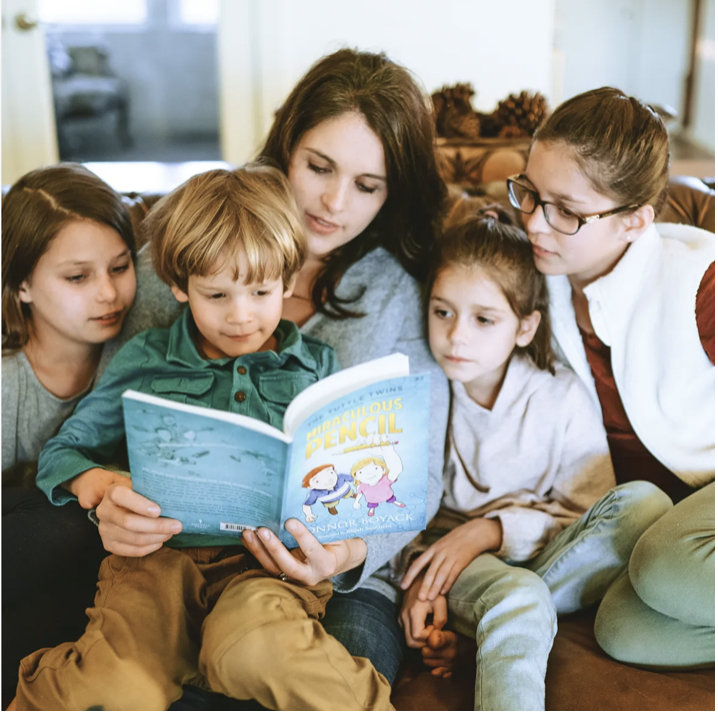
Photo: Tuttle Twins
Seeking Out Books that Teach Critical Thinking
At this point, parents wondering how to raise independent thinkers will want to look for books that teach critical thinking, like the Tuttle Twins series. The Tuttle Twins books explain things like misinformation, freedom of speech, and even the World Economic Forum while explaining that certain people get to decide what is and isn’t misinformation.
Books that teach critical thinking don’t just present facts. They encourage kids to analyze, evaluate, and put together arguments, frequently shining a light on logical fallacies and biases while calling for active application instead of a passive taking-in of information. Books that teach critical thinking will help you with how to raise independent thinkers by guiding you and your child through reasoned questioning and requiring evidence behind facts.
The Tuttle Twins series wraps every lesson in an engaging story that doesn’t just teach the information presented. The Tuttle Twins books also encourage all the above elements found in books that teach critical thinking. You can even enhance the critical-thinking skills embedded in all the Tuttle Twins books by pausing throughout the story and asking open-ended questions such as: What do you think the character should do next? What were some alternate solutions to the problem? What do you think could have been the consequences of those solutions?
Books that teach critical thinking like the Tuttle Twins series will go a long way toward helping you learn how to raise independent thinkers. They will also help you create special moments with your kids that they’ll remember forever! Join the growing number of parents who don’t want their kids to just be passive absorbers of information.
-

 Tech5 years ago
Effuel Reviews (2021) – Effuel ECO OBD2 Saves Fuel, and Reduce Gas Cost? Effuel Customer Reviews
-
 Tech7 years ago
Bosch Power Tools India Launches ‘Cordless Matlab Bosch’ Campaign to Demonstrate the Power of Cordless
-

 Lifestyle7 years ago
Catholic Cases App brings Church’s Moral Teachings to Androids and iPhones
-

 Lifestyle5 years ago
East Side Hype x Billionaire Boys Club. Hottest New Streetwear Releases in Utah.
-

 Tech7 years ago
Cloud Buyers & Investors to Profit in the Future
-

 Lifestyle6 years ago
The Midas of Cosmetic Dermatology: Dr. Simon Ourian
-

 Health7 years ago
CBDistillery Review: Is it a scam?
-

 Entertainment7 years ago
Avengers Endgame now Available on 123Movies for Download & Streaming for Free