
Lifestyle
Chris Sarchet Bell On His Journey To Building The Biggest U18 Event Brand In The Uk

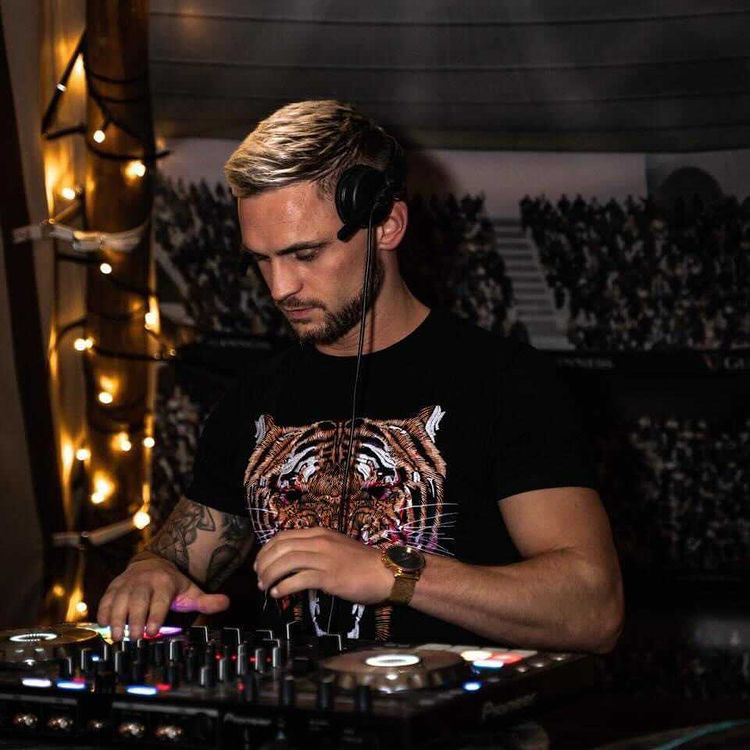
Chris Sarchet Bell is one of the few entrepreneurs who are proving that you can have a good time without alcohol. In 2014, he founded Shutdown events as a response to the market gap in providing entertainment for 14-17 years olds. 6 years later, he has taken that business sky-level and transformed it into the biggest U18s events brand in the whole of the UK.
Starting Small
Shutdown Events was established in 2014 in Chris’ home town, Burnley. Before venturing into the day-time event space, Shutdown had previous experience in the events/nightlife industry from hosting their over 18 events.
“We decided to try and tackle the younger market to be able to get interest from a young audience,” Chris says. “Then, once they came of age, we would be able to pass them on to our over 18s brand, Grenade.”
Shutdown quickly made a name for itself in Burnley and soon started to attract clientele from out of the town and further.
“With each event, more and more people were talking about us. Within 6 months, we branched into a second area and by month 8, we were in another 4 cities.”
It was at this stage the Shutdown team realised they had created something special.
Building a Legacy on Connection

The resounding success that Shutdown Events currently enjoys did not happen by accident. In fact, it was the result of persistent effort and never taking no for an answer.
“ I never give up,” Chris shares. “It took me 4 years before I made a penny. No matter what hurdles have been thrown at me over the last 6 years I always get back up and keep going and my determination is exactly why I am where I am today.”
Crushing Goals
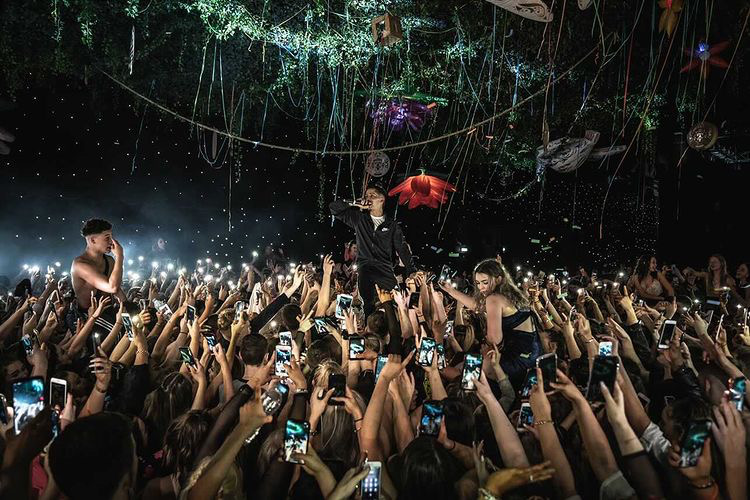
Within the first 2 years, Shutdown became the UK’s largest leading U18 brand. Now, Chris and his team tour the country every couple of months, hosting events from Scotland to as far down as Newquay. Shutdown has now hosted events across 10+ cities nationwide.
“We bring together some of the biggest names in the music industry, originally we used to bring PA’s from some of the most popular reality tv shows, paint & foam parties and Co2 & confetti parties. But now, it’s all about putting on that indoor festival vibe, the biggest acts/djs we can get our hands on, huge production, including pyros, screens, streamers, and transforming venues with a huge themes, nobody is doing it like Shutdown now and that’s why our social media is constantly growing. We keep getting requests from more and more clients across the country asking us to come to a town/city near them. Because of this, Shutdown is continuing to grow and build such a high in-demand brand on a weekly basis.”
Chris has big plans and an ambitious vision for the future and growth of Shutdown Events.
“Success to me is brand recognition, hearing great feedback, being able to look after my family,” Chris says.
“ Now more than ever, the music, live events and concerts scene is bigger and more in demand than ever before, especially with the younger generation. We offer the “night of your life” for 14 – 17-year-olds before they are legally allowed to go out to events. Over the next few years, I would like to think we will be touring across 15 cities nationwide.”

Progress often starts with someone who refuses to accept silence as the only option. Many women experience unfair treatment at work, yet feel they have nowhere safe to turn. That gap, the distance between speaking up and being supported, is where real change is still needed, and it remains one of the biggest barriers to true equality today.
Fozia Rashid knows this firsthand. After raising concerns about serious misconduct in her own workplace and losing her job as a result, she saw how isolating it can be for women who try to do the right thing. That experience pushed her to create She Speaks Out, a platform designed to give women clarity, tools, and a voice during some of the most challenging moments in their careers.
From the beginning, her aim was not to build another information site. She wanted a space where women could feel understood, where complicated processes were broken down into simple steps, and where no one felt that reporting misconduct meant stepping into a dark tunnel alone. Her HR training helped shape this approach, turning what is often overwhelming into something practical, direct, and genuinely supportive, especially for women who feel lost navigating workplace policies.
Her long-term vision stretches far beyond offering resources. Fozia wants She Speaks Out to help shift the culture around how women are treated at work. She believes that when women share their real experiences, discrimination, dismissal of their concerns, or subtle daily biases, it exposes patterns that organisations can no longer ignore. This focus on storytelling is not about sympathy; it is about awareness. Stories make the invisible visible, and visibility forces change in a way that statistics alone rarely can.
A key part of her mission is amplifying those voices so they reach people who can influence policy and workplace culture. She hopes the platform will push employers to rethink how they respond to reports, how they support employees, and how they build environments where women don’t fear retaliation for raising concerns. She wants leaders to understand that equality is not a slogan, it is a responsibility that requires honest action and genuine accountability.
Fozia also envisions She Speaks Out playing a role in larger societal change. She wants the platform to encourage companies to review their internal practices, improve reporting structures, and train managers to recognise and address problems rather than avoid them. She hopes the platform will support the push for stronger workplace protections and help challenge outdated beliefs about women’s roles, abilities, and credibility. The goal is simple: fair treatment should not depend on who you are, but on the basic respect every employee deserves.
As the platform grows, she aims to build a strong community where women can connect, support one another, and encourage those who feel unsure or unheard. A community where experiences are shared openly, not whispered privately. She believes that building solidarity among women is one of the most powerful steps toward lasting equality. When one woman speaks up, it can be dismissed. When many do, it becomes a movement that organisations cannot afford to overlook.
For Fozia, the future is not just about better policies or clearer reporting tools, though those matter. It’s about creating workplaces where women don’t have to prepare themselves for resistance every time they raise a concern. A future where safety and respect are not exceptional, but expected.
And through She Speaks Out, she is steadily pushing that future forward, giving women what she once needed most: a place to be heard, believed, and supported without hesitation, and a reminder that they never have to face these challenges alone.
-

 Tech5 years ago
Effuel Reviews (2021) – Effuel ECO OBD2 Saves Fuel, and Reduce Gas Cost? Effuel Customer Reviews
-
 Tech7 years ago
Bosch Power Tools India Launches ‘Cordless Matlab Bosch’ Campaign to Demonstrate the Power of Cordless
-

 Lifestyle7 years ago
Catholic Cases App brings Church’s Moral Teachings to Androids and iPhones
-

 Lifestyle5 years ago
East Side Hype x Billionaire Boys Club. Hottest New Streetwear Releases in Utah.
-

 Tech7 years ago
Cloud Buyers & Investors to Profit in the Future
-

 Lifestyle6 years ago
The Midas of Cosmetic Dermatology: Dr. Simon Ourian
-

 Health7 years ago
CBDistillery Review: Is it a scam?
-

 Entertainment7 years ago
Avengers Endgame now Available on 123Movies for Download & Streaming for Free