
Lifestyle
Chris Sarchet Bell On His Journey To Building The Biggest U18 Event Brand In The Uk


Chris Sarchet Bell is one of the few entrepreneurs who are proving that you can have a good time without alcohol. In 2014, he founded Shutdown events as a response to the market gap in providing entertainment for 14-17 years olds. 6 years later, he has taken that business sky-level and transformed it into the biggest U18s events brand in the whole of the UK.
Starting Small
Shutdown Events was established in 2014 in Chris’ home town, Burnley. Before venturing into the day-time event space, Shutdown had previous experience in the events/nightlife industry from hosting their over 18 events.
“We decided to try and tackle the younger market to be able to get interest from a young audience,” Chris says. “Then, once they came of age, we would be able to pass them on to our over 18s brand, Grenade.”
Shutdown quickly made a name for itself in Burnley and soon started to attract clientele from out of the town and further.
“With each event, more and more people were talking about us. Within 6 months, we branched into a second area and by month 8, we were in another 4 cities.”
It was at this stage the Shutdown team realised they had created something special.
Building a Legacy on Connection

The resounding success that Shutdown Events currently enjoys did not happen by accident. In fact, it was the result of persistent effort and never taking no for an answer.
“ I never give up,” Chris shares. “It took me 4 years before I made a penny. No matter what hurdles have been thrown at me over the last 6 years I always get back up and keep going and my determination is exactly why I am where I am today.”
Crushing Goals
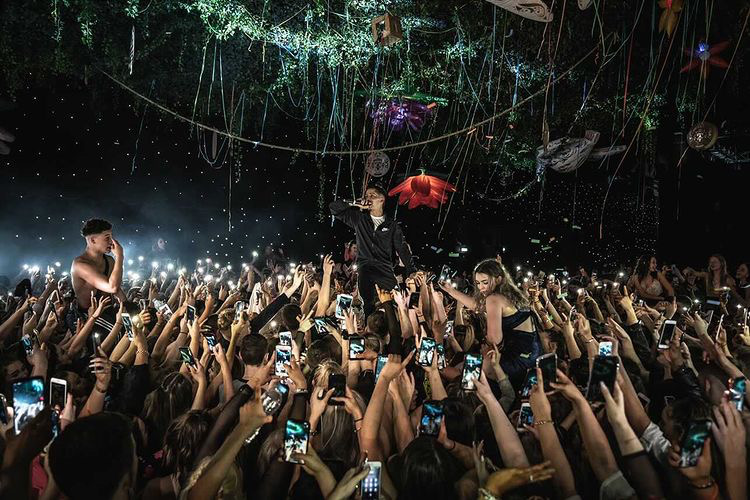
Within the first 2 years, Shutdown became the UK’s largest leading U18 brand. Now, Chris and his team tour the country every couple of months, hosting events from Scotland to as far down as Newquay. Shutdown has now hosted events across 10+ cities nationwide.
“We bring together some of the biggest names in the music industry, originally we used to bring PA’s from some of the most popular reality tv shows, paint & foam parties and Co2 & confetti parties. But now, it’s all about putting on that indoor festival vibe, the biggest acts/djs we can get our hands on, huge production, including pyros, screens, streamers, and transforming venues with a huge themes, nobody is doing it like Shutdown now and that’s why our social media is constantly growing. We keep getting requests from more and more clients across the country asking us to come to a town/city near them. Because of this, Shutdown is continuing to grow and build such a high in-demand brand on a weekly basis.”
Chris has big plans and an ambitious vision for the future and growth of Shutdown Events.
“Success to me is brand recognition, hearing great feedback, being able to look after my family,” Chris says.
“ Now more than ever, the music, live events and concerts scene is bigger and more in demand than ever before, especially with the younger generation. We offer the “night of your life” for 14 – 17-year-olds before they are legally allowed to go out to events. Over the next few years, I would like to think we will be touring across 15 cities nationwide.”
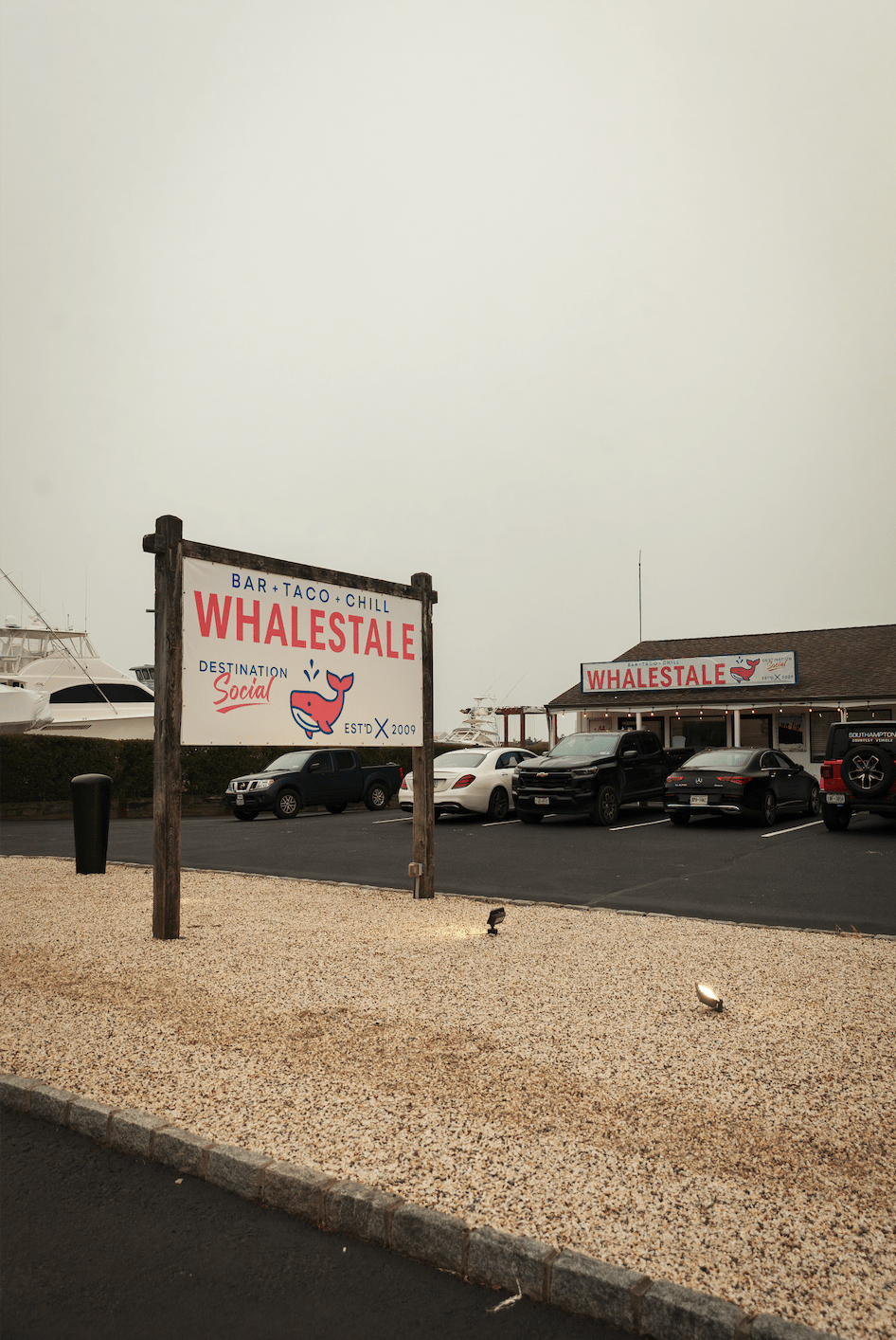
There’s a new spot in the Hamptons where delicious food, relaxed beach vibes, and family-friendly fun come together in one inviting destination. The Whale’s Tale, originally a beloved favorite in Northport, has made its way to the East End and is already creating buzz as a must-visit for locals and vacationers alike.
Perfectly positioned beside the marina and steps from the shoreline, The Whale’s Tale Hamptons location is designed for all-day enjoyment. The indoor dining room offers a cool retreat from the sun while the open-air deck provides front-row seats to golden hour. The grab-and-go beach shack is ideal for quick treats, offering craft beer, artisan soft serve, and snacks for those headed back to the sand.

The menu is fresh, fun, and filled with options for every palate. Families can share acai bowls, tacos, and crisp shrimp cocktail while seafood lovers indulge in buttery lobster rolls and a raw bar featuring oysters and chilled shrimp. The food is flavorful without being fussy, making it perfect for guests of all ages.
With games like cornhole, live music on weekends, and firepits for evening hangouts, the atmosphere is casual and welcoming. It’s a place where kids can play, adults can relax, and everyone feels like they belong. Whether you’re spending the day at the beach or looking for an easy-going dinner spot, The Whale’s Tale offers a refreshing take on what it means to dine by the water.
This isn’t just another restaurant, it’s a new chapter in Hamptons hospitality. One where good food, good company, and good views come standard.
-

 Tech4 years ago
Effuel Reviews (2021) – Effuel ECO OBD2 Saves Fuel, and Reduce Gas Cost? Effuel Customer Reviews
-
 Tech6 years ago
Bosch Power Tools India Launches ‘Cordless Matlab Bosch’ Campaign to Demonstrate the Power of Cordless
-

 Lifestyle6 years ago
Catholic Cases App brings Church’s Moral Teachings to Androids and iPhones
-

 Lifestyle4 years ago
East Side Hype x Billionaire Boys Club. Hottest New Streetwear Releases in Utah.
-

 Tech7 years ago
Cloud Buyers & Investors to Profit in the Future
-

 Lifestyle5 years ago
The Midas of Cosmetic Dermatology: Dr. Simon Ourian
-

 Health6 years ago
CBDistillery Review: Is it a scam?
-

 Entertainment6 years ago
Avengers Endgame now Available on 123Movies for Download & Streaming for Free