
Health
Finding Your Best Fit: Are GLP-1 Medications Right for Your Weight Loss Journey?


Over the past few years, a class of drugs known as glucagon-like peptide-1 (GLP-1) receptor agonists has been gaining attention, not only for treating type 2 diabetes but also in the field of weight management.
With obesity affecting “at least one in five adults (20%) in each U.S. state,” according to the CDC, many individuals are seeking effective solutions that can complement diet and exercise. Two of the most discussed options are GLP-1 injections for weight loss and GLP-1/GIP for weight loss, both of which have shown promising results.
However, deciding if these medications are right for you isn’t a one-size-fits-all process; it’s essential to determine if GLP-1s are right for you to get you to be your best self in 2025. SimpleFixRx — a healthcare service dedicated to personalized options — can help you explore GLP-1s therapy as part of your 2025 broader health plan.
Understanding GLP-1 receptor agonists
GLP-1 receptor agonists were initially designed to help regulate blood sugar in individuals with type 2 diabetes by mimicking a hormone that controls insulin secretion, slows digestion, and reduces appetite. The recent spotlight on GLP-1 injectors for weight loss and GLP-1/ GIP for weight loss stems from studies showing that these medications can help many people achieve significant, sustained weight loss — often in the 10-15 percent range or more of their body weight — when paired with healthier eating habits and increased physical activity.
Key benefits:
- Enhanced blood sugar control: For individuals with type 2 diabetes, these medications can significantly lower hemoglobin A1C levels.
- Appetite regulation: By slowing gastric emptying and impacting appetite signals, GLP-1s can help reduce unhealthy food cravings.
- Possible cardiovascular benefits: Some research suggests that certain GLP-1s may offer heart-protective effects, reducing the risk of cardiac events.
Who can benefit from GLP-1?
GLP-1 receptor agonists have emerged as a promising option for individuals facing various metabolic and weight-related challenges. Whether you’re dealing with type 2 diabetes or seeking a meaningful way to jump-start weight loss, therapies like GLP-1/ GIP for weight loss and GLP-1 injections for weight loss could help bridge the gap where traditional diet and exercise might fall short.
Individuals with type 2 diabetes
GLP-1s remain a staple in controlling high blood sugar for patients who’ve struggled with traditional oral medications or lifestyle measures alone. If you have type 2 diabetes, speak with your healthcare provider to see if adding a GLP-1 might improve your overall management plan.
Those with obesity or weight-related health concerns
If your body mass index (BMI) is 30 or above — or you’re overweight (BMI 25–29.9) and have additional complications like prediabetes, hypertension, or high cholesterol — GLP-1s might be a strong consideration. The appetite-suppressing effects often help jump-start weight loss.
People seeking a catalyst for lifestyle changes
Even if you haven’t succeeded with traditional diets or exercise routines, medications such as GLP-1/ GIP for weight loss or GLP-1 injections for weight loss may help you regain momentum. Still, a commitment to long-term lifestyle improvements — such as more balanced eating and regular physical activity — is vital to achieving the best results.
Patients with hard-to-control metabolic factors
Some people face genetic or metabolic hurdles that make weight management exceptionally challenging. GLP-1s can help bridge that gap, providing extra support where willpower and standard lifestyle interventions might not suffice on their own.
By combining medical guidance, like that from the experts of SimpleFixRx, with regular follow-ups and a commitment to healthier habits, eligible patients may find these therapies to be a game-changer in achieving sustainable weight management and better overall health.
GLP Squared
Some compound pharmacies are now combining options for GLP medications, allowing for the microdosing of a combination of GLP and GLP1/GIP. Microdosing has numerous benefits for patients, including reduced nausea, a more steady release of medication, and decreased inflammation, among others. SimpleFix does offer GLP squared, and it is less expensive than GLP1/ GIP alone.
The SimpleFixRx approach
SimpleFixRx specializes in providing personalized healthcare solutions, including access to GLP-1 therapies, through a convenient, patient-centered platform. Their team of licensed healthcare providers works closely with patients to:
- Assess eligibility: SimpleFixRx professionals review each patient’s medical history, lifestyle habits, and specific health goals to determine if GLP-1 therapy is appropriate.
- Offer comprehensive care plans: Beyond prescribing medications, SimpleFixRx aims to create a holistic approach that includes nutritional guidance and exercise plans, ensuring GLP-1 therapy is supported by healthier daily habits.
- Monitor progress: Through regular follow-up appointments, patients can collaborate with the SimpleFixRx team to fine-tune their regimen and address any side effects or emerging concerns.
Potential side effects and considerations
While GLP-1s offer noteworthy benefits, they aren’t free of potential drawbacks. The most frequently reported side effects include nausea, diarrhea, and, in some cases, vomiting — especially when first beginning treatment — but these often ease as your body adjusts. Other, more serious risks include pancreatitis or gallbladder issues, though these are generally less common.
Your medical history and personal goals should guide any decision to start GLP-1 therapy. Certain gastrointestinal or thyroid conditions, for instance, could make these medications less suitable. Women who are or might become pregnant also need specialized guidance, as safety data for pregnancy remains limited.
Making the decision with SimpleFixRx
Dr. Garrett H. Garner, M.D., F.A.C.O.G., a board-certified OB/GYN with over two decades of experience in North Texas, highlights the importance of individualized care. “We take the time to review each patient’s medical history, dietary habits, and long-term health objectives. Medications like GLP-1/ GIP or GLP-1 can be game-changers — but they work best within a broader strategy that includes nutrition, exercise, and regular follow-up.”
Before you opt for any GLP-1 medication, consider asking your healthcare provider or a service like SimpleFixRx these five questions:
- “Am I a good candidate for GLP-1s based on my health profile?”
- “How will this therapy interact with other treatments or conditions I have?”
- “What lifestyle changes, if any, should I implement to maximize the benefits?”
- “Which medication — GLP-1/ GIP vs. GLP-1 — would best suit my needs?”
- “How often should I schedule follow-up appointments to assess progress and adjust my treatment plan?”
By partnering with a dedicated healthcare service like SimpleFixRx, you can gain access to expert guidance, personalized care plans, and ongoing support — all crucial components to long-term success.
These therapies are tools, not magic solutions, as sustainable progress often hinges on a combination of effective medication, mindful eating, regular physical activity, and consistent medical oversight. However, with the proper support structure and commitment, GLP-1 medications can be a transformative part of your journey toward better health.
Byline: Margot Everly
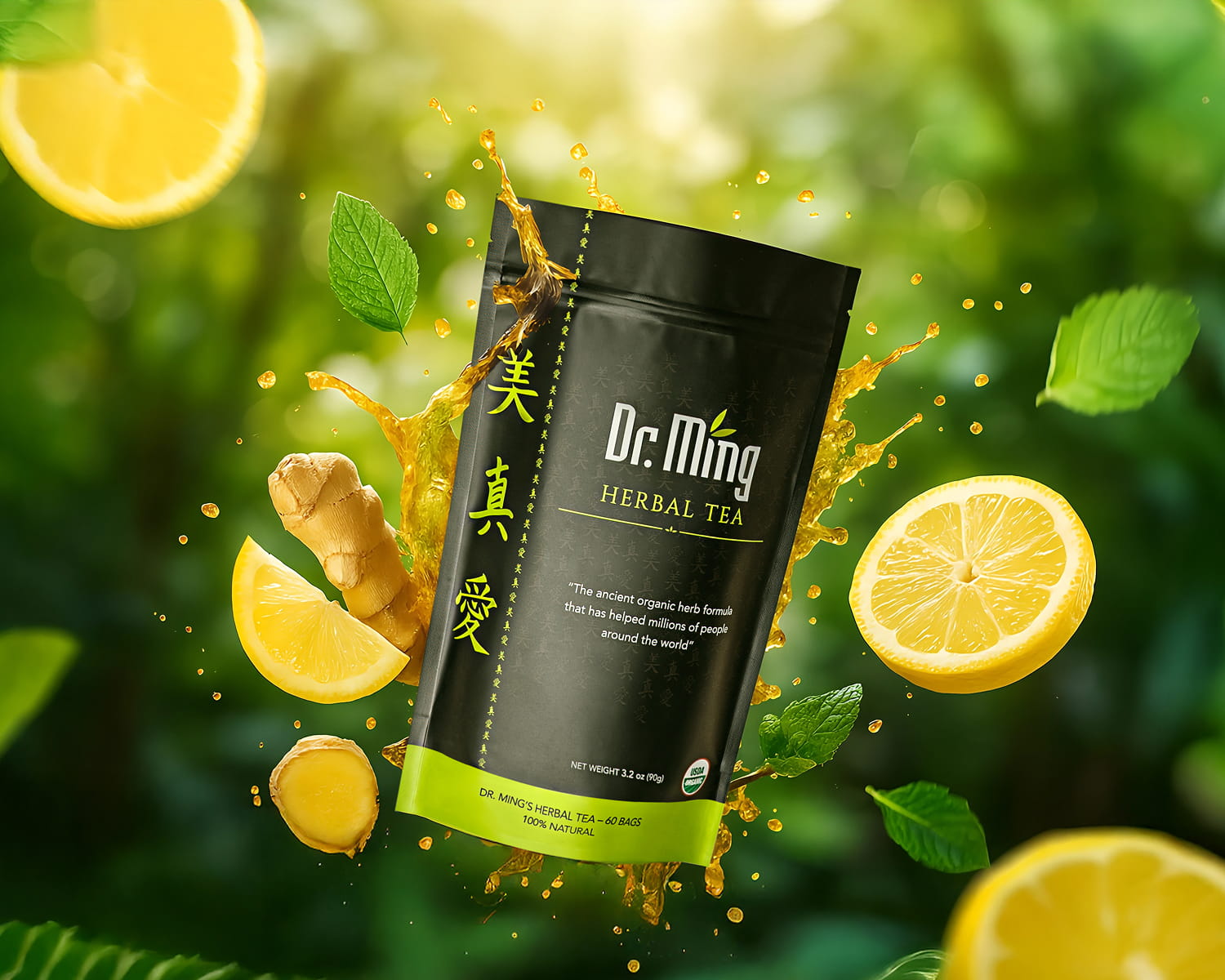
Herbal teas have long been known for their soothing qualities, but Dr. Ming’s range of products takes it a step further, providing a holistic approach to wellness through clinically tested, herbal-based solutions. With a focus on metabolism support, digestion, detoxification, and overall well-being, Dr. Ming’s teas aim to help individuals feel lighter, energized, and more balanced, all without the use of artificial additives.
The Three-Step System for Wellness
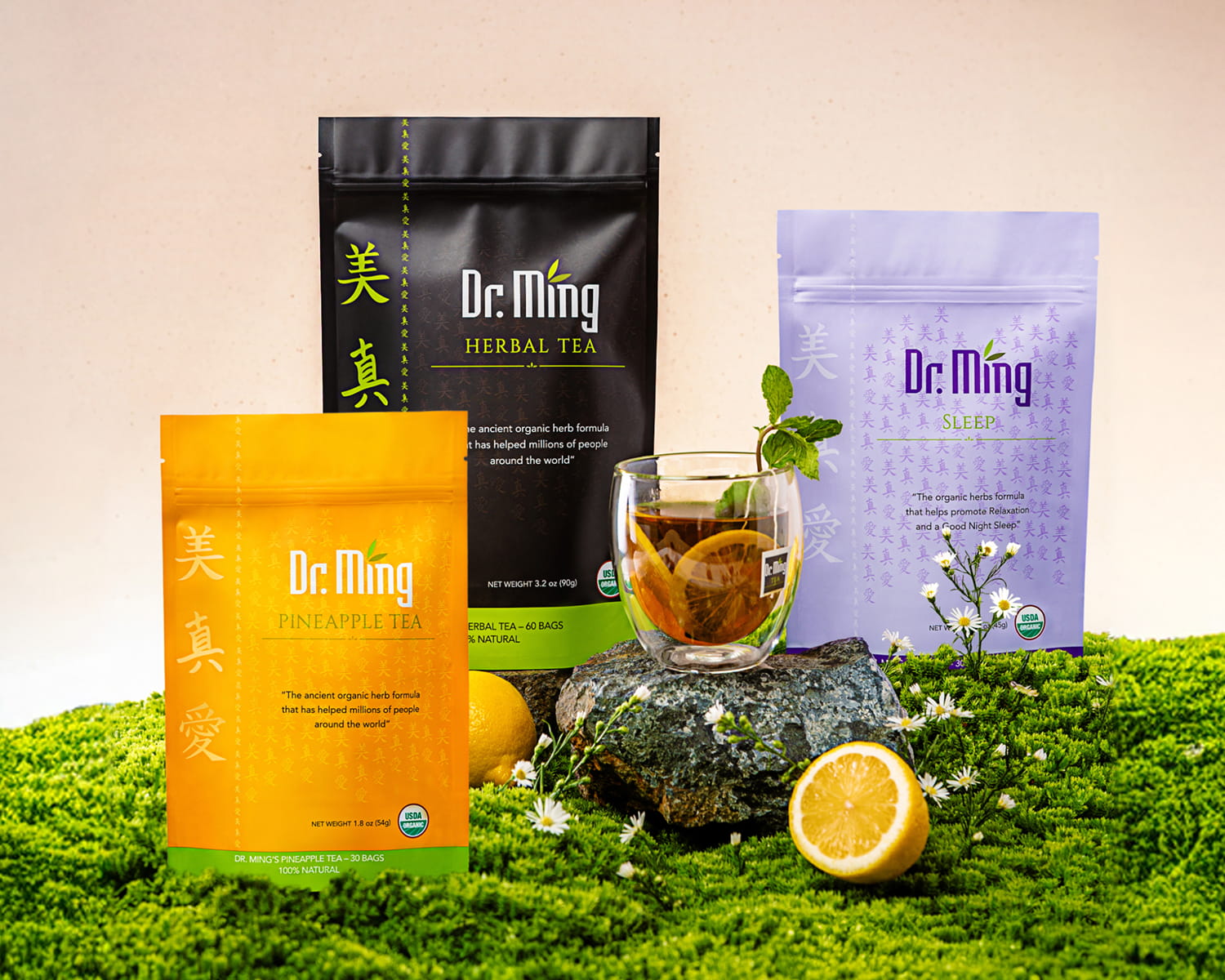
Dr. Ming’s flagship offering is its three-step tea bundle, a combination of Dr. Ming Green Tea, Pineapple Tea, and Sleep Tea, designed to work synergistically throughout the day to support various aspects of wellness. Each product targets different health concerns, starting with metabolism boosting in the morning and winding down to detoxification and restful sleep at night.
Dr. Ming Green Tea is a key part of the system. It’s designed to support digestion, fat oxidation, and energy levels by helping to accelerate metabolism naturally. “Green tea has long been recognized for its role in supporting metabolic function,” says Evelyn Chang, CEO of Dr. Ming. “Our blend enhances that effect, allowing users to feel more energized throughout the day without the need for artificial stimulants.”
Following the morning boost, Dr. Ming Pineapple Tea steps in during the afternoon. Its combination of natural ingredients works to reduce bloating and support the body’s detoxification processes. By promoting digestive health, this tea aims to make users feel lighter and more comfortable, easing the discomfort of bloating that often comes with modern diets. The final part of the system is the Sleep Tea, which helps to reduce stress, calm the mind, and promote a restful night’s sleep.
Gut Health and Digestion: A Foundation of Wellness
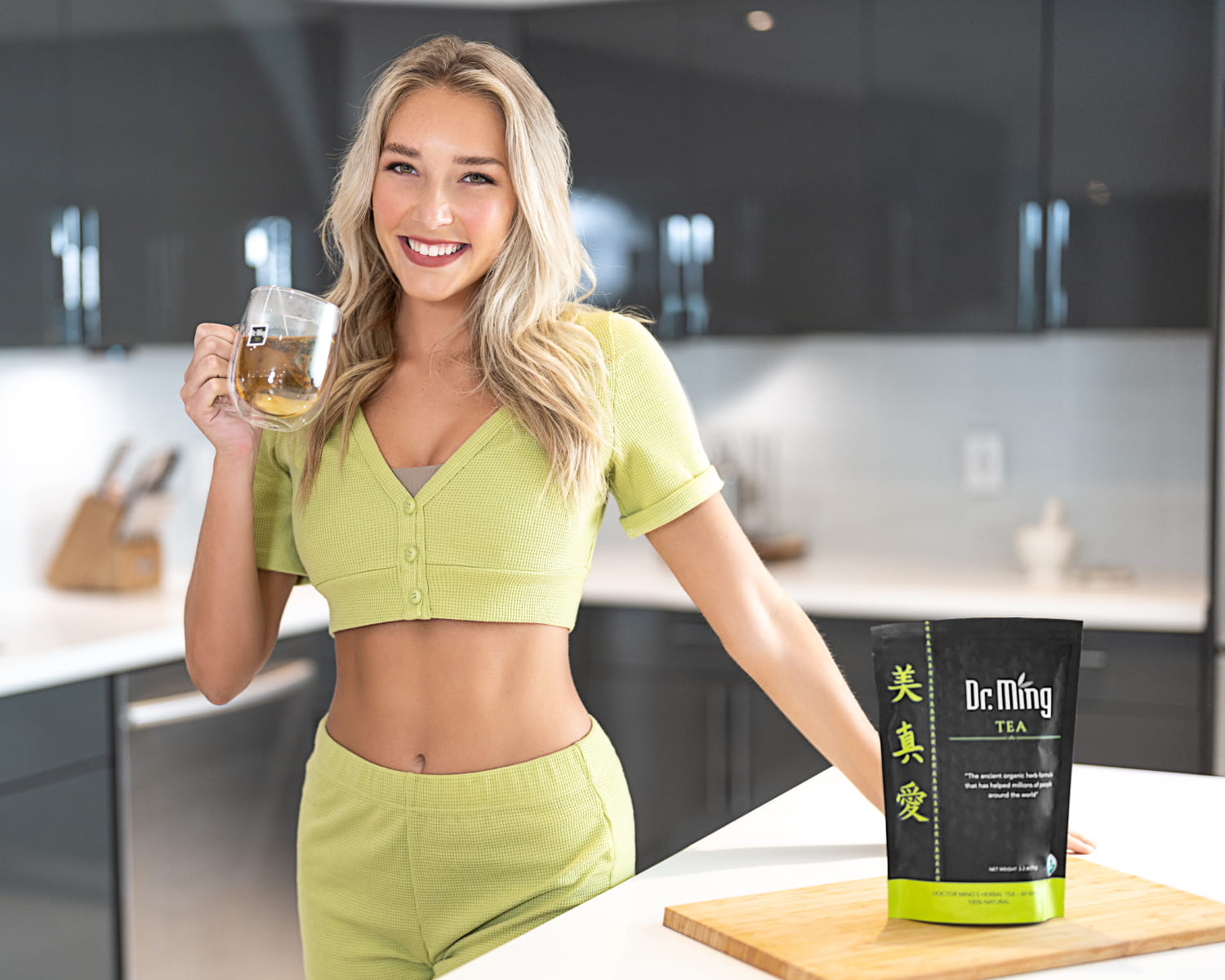
A common issue for many individuals is digestive discomfort, whether it’s bloating, sluggish digestion, or irregularity. Dr. Ming’s Pineapple Tea aims to address these concerns by offering a natural solution to support gut health. The benefits of good digestive health are numerous; it’s not only about comfort but also about the body’s ability to absorb nutrients effectively and maintain energy levels.
Chang explains, “Digestion is at the core of many of our health issues. When your digestive system is out of balance, everything else follows suit. We’ve formulated our Pineapple Tea to support the digestive process and reduce bloating, giving our customers a natural solution that helps them feel lighter, more energized, and ready to take on the day.”
Beyond the digestive benefits, the teas also play a role in the body’s natural detoxification process. Both the Pineapple Tea and the Green Tea include ingredients that help promote the elimination of toxins, contributing to the body’s overall health. This detox support is key in a lifestyle that values holistic well-being.
The Sleep Tea: Stress Relief and Better Sleep
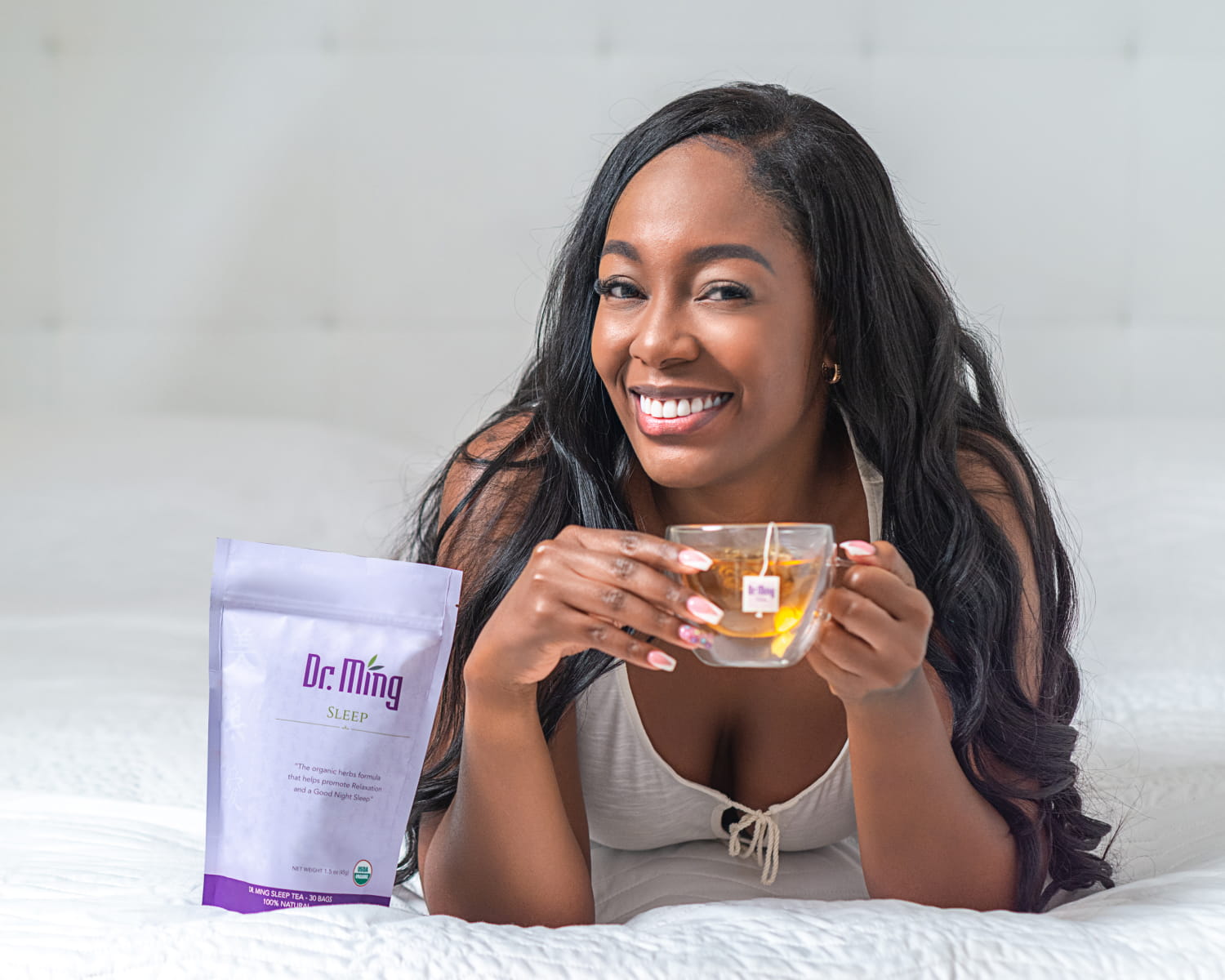
Many people struggle with getting quality sleep. Stress, anxiety, and poor sleep hygiene are common culprits, leaving individuals feeling tired and sluggish. Dr. Ming’s Sleep Tea targets this issue with ingredients designed to calm the mind and promote a deep, restorative sleep.
“This tea has been a favorite among our customers who want to unwind and improve their sleep quality,” Chang says. “We focused on creating a formula that helps people relax and destress naturally, without relying on chemicals or sleep aids that may cause dependency.”
The Sleep Tea is a gentle way to reduce anxiety, offering a natural remedy for those who find it hard to quiet their minds at the end of a busy day. By promoting relaxation, it supports the body’s ability to detoxify overnight, allowing users to wake up feeling refreshed and ready to tackle the day ahead.

A Sustainable Approach to Wellness
What sets Dr. Ming’s teas apart from other wellness products on the market is the focus on long-term, sustainable results. Unlike many quick-fix solutions that promise rapid weight loss or extreme detoxification, Dr. Ming’s teas provide a balanced approach to overall wellness.
“The goal of our products is not just to support natural body balance or gentle detox, but to help create a sustainable wellness routine that people can maintain over time,” says Chang. “We believe in helping people feel better in their bodies by offering natural solutions that integrate into daily life, rather than offering a fleeting, short-term solution.”
This strategy aligns with the growing trend of individuals seeking more sustainable, natural products that support a healthy lifestyle without relying on drastic measures. Dr. Ming’s teas are carefully formulated to be gentle, offering benefits over time without the harsh side effects often associated with other weight management and detox products.
Customer Satisfaction and Global Reach
With over a million satisfied customers worldwide, Dr. Ming has established a strong reputation for its effectiveness. Customer reviews frequently highlight the positive impact the teas have had on digestion, energy levels, and overall health. As Dr. Ming expands its reach internationally, it remains committed to delivering high-quality, natural products that align with the progressing wellness needs of its customers.
The company has recently launched a subscription service, allowing customers to receive their favorite teas delivered regularly, further simplifying the process of maintaining a healthy lifestyle. This has resonated particularly well with those who seek convenience in their wellness routines.
In a crowded market of wellness products, Dr. Ming’s holistic approach—blending the best of traditional herbal remedies with modern science—offers a refreshing alternative to those seeking a natural way to feel energized, supported, and balanced.
-

 Tech5 years ago
Effuel Reviews (2021) – Effuel ECO OBD2 Saves Fuel, and Reduce Gas Cost? Effuel Customer Reviews
-
 Tech7 years ago
Bosch Power Tools India Launches ‘Cordless Matlab Bosch’ Campaign to Demonstrate the Power of Cordless
-

 Lifestyle7 years ago
Catholic Cases App brings Church’s Moral Teachings to Androids and iPhones
-

 Lifestyle5 years ago
East Side Hype x Billionaire Boys Club. Hottest New Streetwear Releases in Utah.
-

 Tech7 years ago
Cloud Buyers & Investors to Profit in the Future
-

 Lifestyle6 years ago
The Midas of Cosmetic Dermatology: Dr. Simon Ourian
-

 Health7 years ago
CBDistillery Review: Is it a scam?
-

 Entertainment7 years ago
Avengers Endgame now Available on 123Movies for Download & Streaming for Free