
Lifestyle
Furniture We See on Social Media


With the growing technology and spreading Internet, even furniture companies can’t resist to market themselves online on social media. It is the go-to tool for the companies to get inspiration, reviews and get in communications with the buyers online. Almost everybody is shifting online and with that comes the need to make a presence of your company online for a wider reach and to sell more. The wider opportunity also allows the companies to sell products at cheaper rates and now with a return, exchange features are also most making the showroom culture extinct.
So, it finally comes to the fact that building a beautiful furniture business takes more than just building furniture. This means that people must be able to see your products in the right place at the right time.
How can one make social media work from them?
Brand Awareness
The online business is like word of mouths and you have to rise to the top to sell. Social media campaigns could be the best way you can tell the story of your brand. The story must be convincing enough for the customers that they invest in your products. It is necessary to give them a story on who you are and why they should choose to believe your story. This could be the best way to generate website traffic which is equivalent to the store traffic. Establishing your brand identity online keeps your engagement with online persona. Also, if you invest in social media in a planned way, you’ll get the opportunity to have good digital marketing and save a lot of money.
Influencers
This opens the opportunity to engage with major influencers. You’ll get the chance to interact with trending designers, bloggers, reviewers and more people from the industry who can help in faster growth. They can create more awareness of your brand or service. This allows the brand to establish its credibility through the third party which could give their brand better returns. With constantly changing social algorithms of marketing sometimes it could get paid reach, in this case, the organic reach through influencers always work.
Be a part of the conversation
You get the opportunity to be a part of the trend and promote positively buying behaviour through the help of your brand. The social media strategy must always change depending on the trends and the data received. You must stay up to date with customer reviews and what the customers have been talking about your brand. It is common research that shows engaging with customers have resulted in creating a better image for the brand and create a loyal bond.
Why has a furniture marketing strategy mattered?
Furniture marketing has been changing a lot of demographics and the buying habits of the consumers are changing. Nobody having an online presence today can afford to have a bad marketing strategy. Today having an amazing product is not the only thing which requires to compete in the market. You need to be at the top of the trends and perceive the buying behaviour of the customer to be on the top of the business. You must attract and compel the shoppers to buy your products and invest in the brand.
Also, the strategy will allow you to get a better idea of your brand. You’ll figure out who are the people who prefer your brand, to which age group it particularly belong to and in this way, you can tap the ideal customers. This strategy can take your business in the long run.
The Benefit of social media for furniture retailers
Personalized Content
Social Media allows us to have a clear brand voice. Everything from kitchen cabinet to designer slabs could be personalised according to the needs of the people and what they are shopping for. The personalisation also allows the brand to evolve according to the trends which the customer prefers and stay in close touch with the growing market. Sometimes they can even create a social media trend themselves and all they need are few hacks a good marketing strategy.
Addressing negative comment and appreciating reviews is also beneficial, the brand must be interactive with its customer.
Make it useful
Social media is not just meant for staying online it should be productive for you as well as the customers. Proper offers and promotions should be given to the customers and should be marketed properly so that more people know about your brand. Customers are looking for more than just a product when they go online. They are looking for a convincing story, with a convincing performance and past reviews at a discounted price. All of them if used in the right way could make your product sell more than anybody else.
Visuals
Social media allows the brand to use visual more than any platform could. Visuals make it easier for potential customers in identifying what they need. This is the same reason why we find google searches often confusing and we don’t understand which brand to go for. Because content does not yet carry a price value or beauty value because everyone sells in the normal way. Poetry may not help in selling. But when looking for pictures a sofa placed in a nice setup with nice background will sell more than a better sofa placed in a bad background.
So, it is important to understand that visually sells more than the words and while the world is a combination of words and images, we have to invest in both of them in a balanced way.
You have heard more often about IKEA which is a brand that has made its wider presence online. The brand looked forward to online marketing at the right time and now is the highest-selling brand online. It has expanded its business to a much wider perspective in the last given years. By using this method, the growth can be wide enough for the brand as well having a presence online is always beneficial for the customer as they get wider options to compare and choose from right from their home.

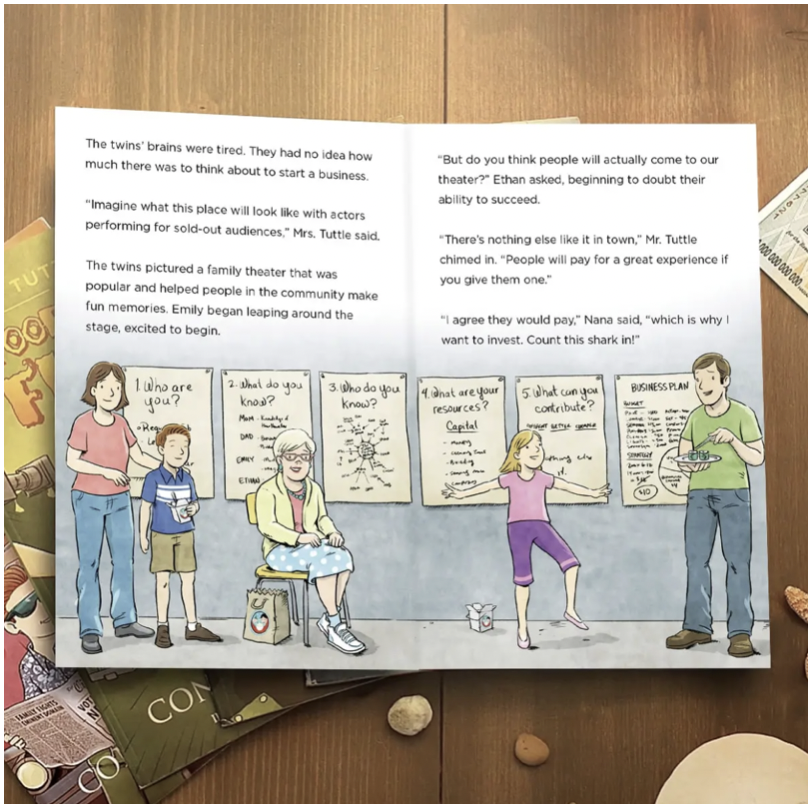
Michael Currier of Massachusetts is an unvaccinated gastroenterologist and entrepreneur, and he’s seen misinformation firsthand. He’s long been teaching his kids how to spot misinformation, but they were naturally skeptical when they didn’t hear it from anyone but him. However, the right books taught his kids how to combat misinformation, and they will teach your kids too! If you’re wondering how to raise independent thinkers who can spot misinformation, the Tuttle Twins books are essential tools for your toolbelt.
How Critical Thinking Combats Misinformation
When kids can think critically, they become able to evaluate the credibility of sources and look for evidence, also identifying their own and others’ biases. Critical thinkers don’t just passively absorb information; they take it apart piece by piece to see what makes it “tick.”
Critical thinkers question the credentials of an author or source, alongside their motivations and whether they provide supporting evidence that goes beyond just statements that require trust. Kids who can think critically also spot confirmation bias, which is the tendency to believe something that fits in well with the thinker’s current belief system or worldview. This reduces demand for fake news that simply elicits an emotional reaction.
When your kids can think critically and independently, they will also be able to spot logical fallacies, like drawing causal conclusions from data that’s simply correlational. Critical thinkers can also tell the difference between scientific evidence and someone’s opinion.
Independent, critical thinkers don’t just read a page. They look up information from other trusted sources to verify that the original source is accurate. Critical thinking also encourages a healthy skepticism that causes independent thinkers to pause and assess emotionally charged content before they spread it around, realizing that misinformation frequently exploits outrage or fear.
Critical thinkers can also recognize propaganda tactics such as loaded language, false dilemmas, and “alternative facts.”

Photo: Tuttle Twins
Seeking Out Books that Teach Critical Thinking
At this point, parents wondering how to raise independent thinkers will want to look for books that teach critical thinking, like the Tuttle Twins series. The Tuttle Twins books explain things like misinformation, freedom of speech, and even the World Economic Forum while explaining that certain people get to decide what is and isn’t misinformation.
Books that teach critical thinking don’t just present facts. They encourage kids to analyze, evaluate, and put together arguments, frequently shining a light on logical fallacies and biases while calling for active application instead of a passive taking-in of information. Books that teach critical thinking will help you with how to raise independent thinkers by guiding you and your child through reasoned questioning and requiring evidence behind facts.
The Tuttle Twins series wraps every lesson in an engaging story that doesn’t just teach the information presented. The Tuttle Twins books also encourage all the above elements found in books that teach critical thinking. You can even enhance the critical-thinking skills embedded in all the Tuttle Twins books by pausing throughout the story and asking open-ended questions such as: What do you think the character should do next? What were some alternate solutions to the problem? What do you think could have been the consequences of those solutions?
Books that teach critical thinking like the Tuttle Twins series will go a long way toward helping you learn how to raise independent thinkers. They will also help you create special moments with your kids that they’ll remember forever! Join the growing number of parents who don’t want their kids to just be passive absorbers of information.
-

 Tech5 years ago
Effuel Reviews (2021) – Effuel ECO OBD2 Saves Fuel, and Reduce Gas Cost? Effuel Customer Reviews
-
 Tech7 years ago
Bosch Power Tools India Launches ‘Cordless Matlab Bosch’ Campaign to Demonstrate the Power of Cordless
-

 Lifestyle7 years ago
Catholic Cases App brings Church’s Moral Teachings to Androids and iPhones
-

 Lifestyle5 years ago
East Side Hype x Billionaire Boys Club. Hottest New Streetwear Releases in Utah.
-

 Tech7 years ago
Cloud Buyers & Investors to Profit in the Future
-

 Lifestyle6 years ago
The Midas of Cosmetic Dermatology: Dr. Simon Ourian
-

 Health7 years ago
CBDistillery Review: Is it a scam?
-

 Entertainment7 years ago
Avengers Endgame now Available on 123Movies for Download & Streaming for Free